A revolutionary Windows application named Matelume is poised to significantly streamline the workflow for 3D artists, designers, and architects by converting two-dimensional images into sophisticated, physically based rendering (PBR) materials. This innovative tool, designed for a variety of applications including fabric, wall art, and marble, promises to reduce the time and technical expertise traditionally required to create realistic textures. Matelume’s core functionality lies in its ability to take simple scans, catalogue swatches, or digital designs and imbue them with the depth, scale, and detail necessary for photorealistic 3D environments.
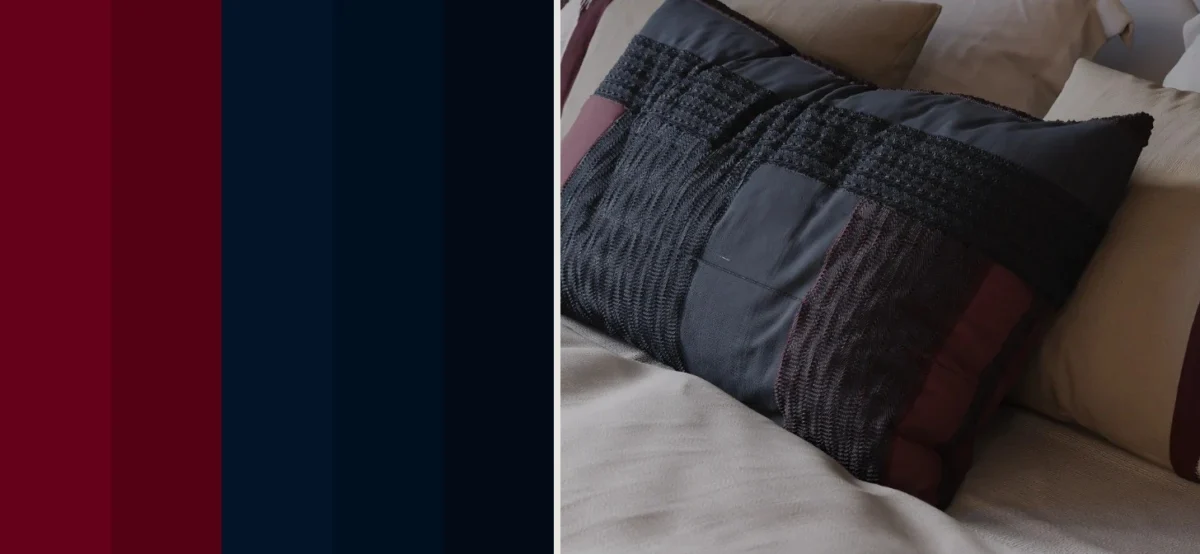
The software’s efficacy is vividly demonstrated by a compelling example shared by its developers. Starting with a basic image composed of five plain colors, Matelume was able to generate a highly detailed Cycles render of a fabric material. This output not only captured the inherent weave of the fabric but also accurately represented stitched bands, all with a single click and without any manual node editing within Blender. The accompanying scene and models were provided by iMeshh, a creator known for its contributions to the 3D asset marketplace. This particular showcase highlights Matelume’s potential to democratize the creation of high-quality 3D assets, making complex texturing accessible to a wider range of users.
The process of material creation with Matelume is reportedly straightforward, designed to be intuitive and efficient. Users begin by selecting a flat image. The application then guides them through a series of simple choices: designating the material type (e.g., Fabric), specifying its real-world scale, and identifying specific areas within the image that possess raised or indented features, such as weaves or stitches. The user can then select a stitch type, if applicable, and initiate the "Send to Blender" function. Matelume then automatically constructs the PBR material, eliminating the need for intricate node-based editing, a process that can be daunting for many 3D artists.
Performance metrics provided by the developers indicate a strong emphasis on speed and efficiency. On a test laptop, the generation of a 4K fabric material, complete with detailed construction and subtle imperfections, reportedly takes approximately two minutes, with the primary processing handled by the graphics card. This rapid turnaround time is a critical factor in fast-paced production environments where asset creation needs to keep pace with project deadlines.
Matelume supports the export of standard PBR map sets across a range of resolutions, from 2K up to 8K. This scalability ensures that the generated materials can be utilized in projects of varying fidelity requirements. The integration with popular 3D software is a key feature. The Blender add-on requires Blender version 4.2 or later, indicating a commitment to supporting the latest advancements in the open-source 3D modeling and animation software. Furthermore, a dedicated 3ds Max plugin is available, offering compatibility with V-Ray and Corona renderers, two widely adopted rendering engines in professional visualization and animation pipelines.
Currently, Matelume is exclusively available for Windows operating systems. The software necessitates an active internet connection and a user account for its operation, likely for licensing verification and potential cloud-based processing enhancements. A free trial is available for users to explore the application’s capabilities before committing to a purchase. Pricing plans are detailed on the official matelume.com/download website. The developers aptly describe Matelume as "Your next interior design companion," underscoring its utility for professionals in architectural visualization and interior design, where accurate and realistic material representation is paramount.
The introduction of Matelume arrives at a time when the demand for high-fidelity 3D assets continues to surge across various industries, including gaming, film, virtual reality, and architectural visualization. The increasing complexity of rendering engines and the growing expectation for photorealism place a significant burden on artists to produce detailed and accurate textures. Traditional methods of texture creation often involve manual sculpting, photographic sourcing, and extensive texture painting, a process that can be time-consuming and require specialized artistic skills.
Background Context: The Evolution of PBR Materials
The concept of Physically Based Rendering (PBR) has revolutionized the way 3D graphics are created. Unlike older rendering techniques that relied on simplified material properties, PBR aims to simulate how light interacts with surfaces in the real world. This involves defining materials using parameters such as albedo (base color), metallicness, roughness, and normal maps, which collectively dictate how light is reflected, absorbed, and scattered. The adoption of PBR workflows has become a de facto standard in modern 3D production due to its ability to achieve greater realism and consistency across different lighting conditions and rendering engines.
However, the creation of high-quality PBR materials can still be a bottleneck. Acquiring appropriate source images, ensuring they tile seamlessly, and generating the necessary texture maps (diffuse, normal, roughness, metallic, etc.) often requires specialized software like Substance Designer or Quixel Mixer, along with a significant learning curve. Matelume appears to address this challenge by automating a substantial portion of this complex process, allowing artists to leverage existing flat imagery more effectively.
Timeline and Development
While the specific development timeline of Matelume has not been publicly detailed, its emergence suggests a period of intensive research and development focused on material generation algorithms and seamless integration with industry-standard 3D software. The release of a Blender add-on and a 3ds Max plugin indicates a strategic approach to capturing a broad segment of the 3D artist community. The platform’s Windows-only status might be a temporary limitation, with potential for future expansion to other operating systems depending on market demand and development resources. The requirement for an account and internet connection points towards a Software-as-a-Service (SaaS) model or a cloud-assisted processing approach, which can offer benefits like centralized updates and scalable computing power.
Supporting Data and Industry Trends
The global 3D rendering software market is experiencing robust growth. According to various market research reports, the market size was valued in the billions of dollars in recent years and is projected to continue expanding at a significant compound annual growth rate (CAGR). This growth is driven by the increasing adoption of 3D visualization in sectors such as entertainment, automotive, manufacturing, and architecture. The demand for photorealistic rendering, in particular, fuels the need for advanced material creation tools.
For instance, the gaming industry, a major consumer of 3D assets, increasingly relies on PBR workflows to create immersive and lifelike game worlds. Titles like "Cyberpunk 2077" or "The Last of Us Part II" showcase the pinnacle of PBR material application. Similarly, architectural firms are leveraging real-time rendering engines and high-fidelity assets to provide clients with accurate virtual walkthroughs of proposed designs. The ability to quickly generate realistic materials from existing visual references, as Matelume promises, directly addresses the efficiency needs within these sectors.
Official Statements and Potential Reactions
While direct statements from Matelume’s developers beyond the provided product information are not yet public, the company’s positioning as a solution to a common industry pain point suggests a clear understanding of artist workflows. If Matelume delivers on its promises of ease of use and high-quality output, it could elicit positive reactions from freelance artists, small studios, and larger production houses looking to optimize their asset pipelines.
Industry commentators and 3D art communities are likely to scrutinize Matelume’s performance, particularly its ability to handle diverse material types and its accuracy in generating seamless, tileable textures. Early adopters and beta testers will be crucial in providing initial feedback. The success of such a tool often hinges on its ability to integrate smoothly into existing workflows without introducing new complications. Given the explicit mention of "no node editing," the appeal to artists who may not have deep expertise in shader networks is evident.
Potential reactions from developers of competing texturing software, such as Adobe (with Substance 3D Painter and Designer) or Allegorithmic (now part of Adobe), might involve observing the market impact of Matelume. If Matelume proves to be a disruptive force, competitors might respond by enhancing their own automated or AI-driven features for material generation.
Broader Impact and Implications
The implications of Matelume extend beyond simply speeding up material creation. By lowering the barrier to entry for generating high-quality PBR materials, the software could:
- Democratize 3D Content Creation: Artists with less experience in traditional texturing techniques could produce more professional-looking assets, fostering creativity and innovation across a wider user base.
- Enhance Productivity in Visualization: Interior designers, architects, and product designers could iterate on designs more rapidly, presenting clients with more realistic visualizations in less time. This could lead to faster decision-making and more efficient project development cycles.
- Reduce Asset Costs: For independent developers or smaller studios, the ability to generate high-quality materials in-house could significantly reduce outsourcing costs for texture work.
- Unlock New Creative Possibilities: Artists might be more inclined to experiment with unique or complex material types if the creation process is simplified. This could lead to more visually diverse and imaginative 3D environments.
However, it is also important to consider potential limitations. The effectiveness of Matelume will depend on the quality and nature of the input images. Complex materials with intricate subsurface scattering or highly reflective properties might still require more manual intervention. The reliance on an internet connection could also be a concern for artists working in environments with unstable connectivity.
Future Outlook and Potential Enhancements
The current functionality focuses on fabric, wall art, and marble. Future development could see Matelume expand its material presets to include a wider range of surfaces, such as wood, metal, concrete, and various plastics. Enhancements to the AI algorithms used for material generation could improve accuracy and handle more complex surface details. Integration with cloud rendering services or asset management platforms could further streamline workflows.
The provided YouTube video, titled "Wall Art for Blender & 3ds Max – Flat Image to Framed 3D Artwork | Matelume," offers a visual demonstration of the software’s capabilities specifically for wall art. This suggests a modular approach to development, where specific material types are being addressed with tailored features. The inclusion of "framed 3D artwork" implies the ability to not only generate the texture of the art itself but also to integrate it into a complete 3D object, including frames and potentially even canvas displacement.
In conclusion, Matelume represents a significant advancement in the field of 3D material creation. By offering an accessible and efficient method for transforming flat images into true-scale PBR materials, it has the potential to empower a new generation of 3D artists and designers, accelerate production workflows, and ultimately contribute to the creation of more visually compelling and realistic digital experiences. The industry will be watching closely to see how Matelume evolves and integrates into the ever-expanding landscape of 3D content creation tools.
About the Author