The popular indie game marketplace itch.io has rolled out a significant update to its desktop application, version 26.22.0, introducing a suite of features aimed at enhancing user experience, streamlining game management, and expanding cross-platform compatibility. Key highlights of this release include comprehensive in-app collection editing capabilities, further refinements to Steam Shortcuts with crucial Proton support for Linux users, and an intriguing sneak peek into a new hardware initiative dubbed "itch donk," targeting low-powered Linux retro gaming handhelds. This update underscores itch.io’s ongoing commitment to empowering indie developers and providing a versatile, user-friendly platform for gamers across diverse operating systems and devices.
The Evolution of Itch.io: A Niche Platform’s Growing Influence
Itch.io, founded in 2013 by Leaf Corcoran, has carved out a unique and influential position in the digital game distribution landscape. Unlike corporate behemoths such as Steam or the Epic Games Store, itch.io distinguishes itself with a strong focus on independent creators, offering a highly flexible revenue share model that allows developers to set their own percentage, even up to 100%. This developer-first approach, coupled with a commitment to DRM-free content and an open, experimental ethos, has fostered a vibrant ecosystem for unique, innovative, and often experimental titles that might not find a home elsewhere. The platform boasts hundreds of thousands of games, assets, and tools, ranging from hobby projects to commercially successful indie hits.
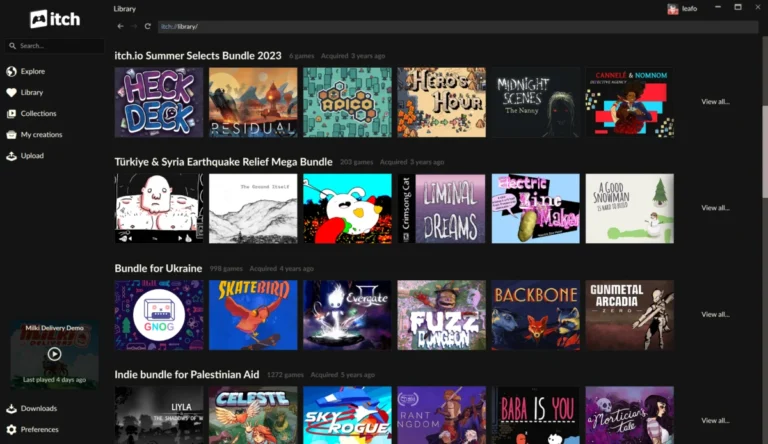
The itch.io desktop application, which receives monthly updates, serves as a crucial interface for users to manage their extensive libraries, download games, receive updates, and engage with the platform’s community offline. Its continuous development reflects itch.io’s dedication to improving accessibility and usability, ensuring that the vast library of indie games is easily discoverable and manageable for its growing user base. The current update is a testament to this philosophy, addressing common user feedback and pushing the boundaries of cross-platform integration.
Streamlined Game Organization: In-App Collections Editing
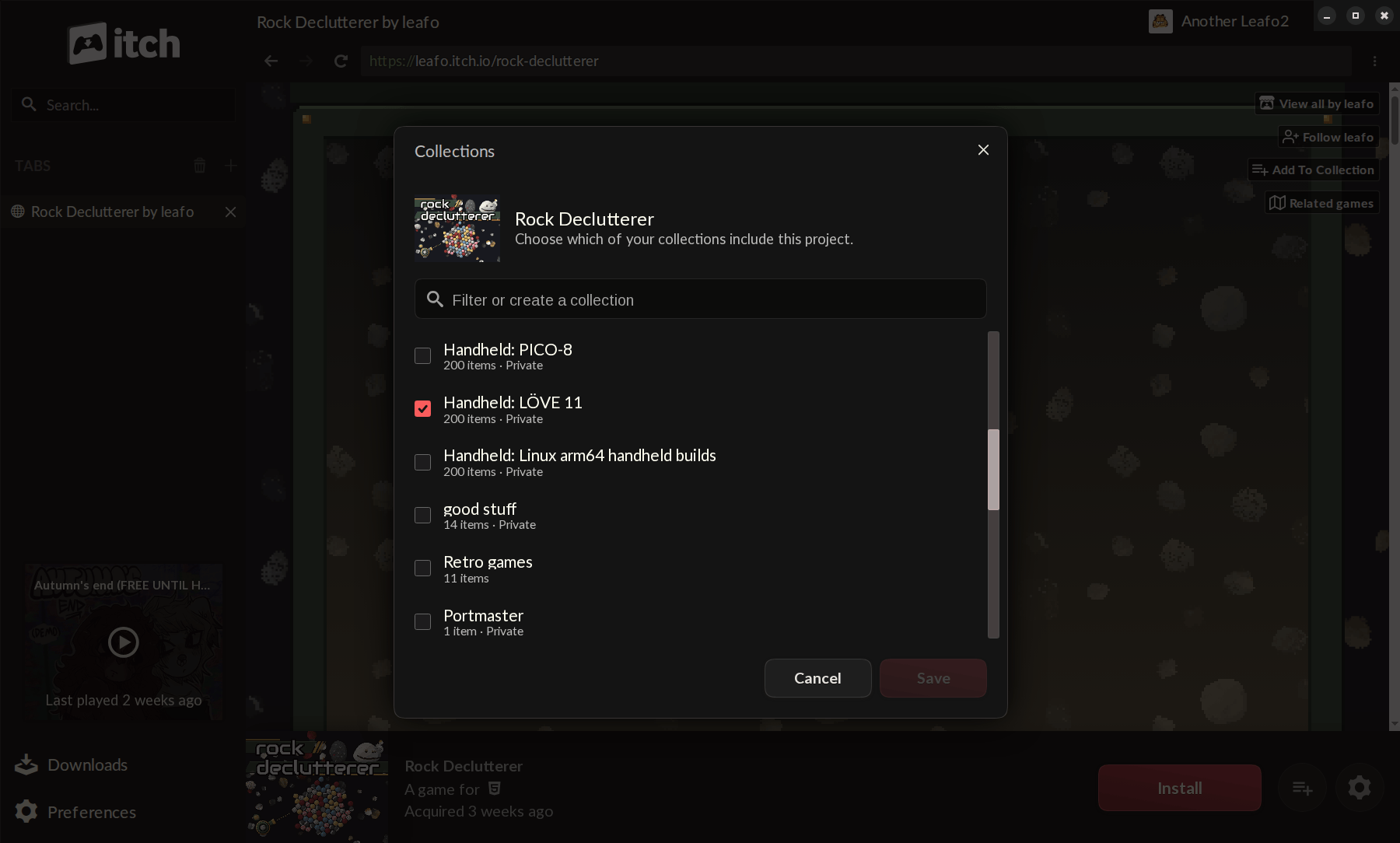
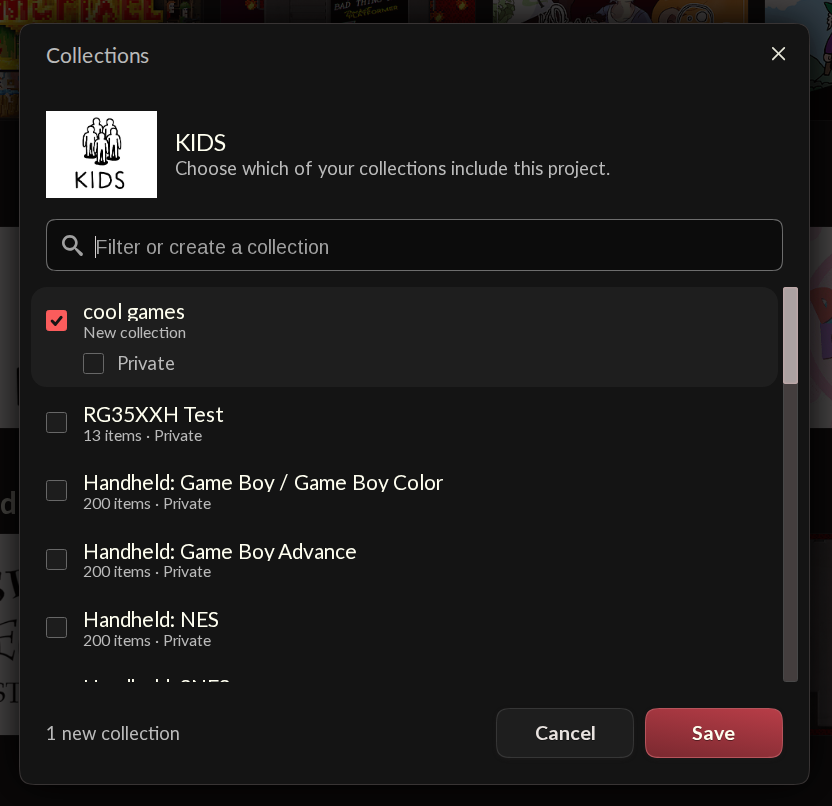
One of the most significant quality-of-life improvements in version 26.22.0 is the complete integration of collection editing directly within the itch.io application. Previously, users wishing to curate their game collections were often redirected to the in-app browser, creating a disjointed experience. This update eliminates that inconvenience, allowing for seamless organization and management of games without ever leaving the native application interface.
The new functionality introduces a dedicated "add to collection" dialog, enabling users to efficiently bulk manage which collections a particular game belongs to. This feature is particularly valuable for users with extensive libraries, who may acquire games through numerous developer bundles or charity events, leading to hundreds, if not thousands, of titles. The ability to categorize and tag games en masse significantly reduces the time and effort required for organization. Furthermore, users can now create entirely new collections directly from this dialog, fostering greater flexibility in library curation.
On the collection page itself, a new "bulk edit" dialog has been implemented. This tool empowers users to reorder and remove multiple items from a collection simultaneously, transforming what could once be a tedious task into a swift and intuitive process. Changes made within the app are automatically synchronized with the user’s itch.io account, ensuring consistency across all devices and web interfaces. This enhancement not only improves the user experience but also encourages greater engagement with the platform’s vast content, as users are more likely to explore and revisit their curated selections when management is effortless. The ability to effectively organize a burgeoning library becomes increasingly critical as itch.io continues to expand its offerings, making this feature a foundational improvement for long-term user satisfaction.
Expanding Horizons: Steam Shortcuts and Proton Integration
Building upon a feature introduced in a prior update, version 26.22.0 significantly enhances the "Steam Shortcuts" tool, now offering robust support for Proton. The initial iteration of Steam Shortcuts allowed users to add any piece of software installed via the itch.io app directly into their Steam library, streamlining the launch process and centralizing their game collection. This initial release garnered considerable positive feedback, prompting itch.io to implement a series of fixes addressing compatibility issues across various Steam installation and profile configurations, ensuring a smoother experience for a wider array of users.
The most groundbreaking addition in this iteration, however, is the support for creating shortcuts that run through Proton within Steam. Proton is a compatibility layer developed by Valve, based on Wine, that allows Windows-native games to run seamlessly on Linux-based operating systems, including SteamOS on the Steam Deck. This integration marks a pivotal moment for Linux gamers and, specifically, for the rapidly growing community of Steam Deck users.
The end-to-end experience is now fully functional: a user can install Windows games on their Linux machine via the itch.io app and then add these games to Steam, configured to launch automatically with Proton. This capability effectively bridges the gap between itch.io’s diverse Windows-centric library and the Linux gaming ecosystem, providing a unified and frictionless experience. For owners of the Steam Deck, Valve’s handheld gaming PC running SteamOS (a Linux distribution), this feature is transformative. It allows them to leverage their existing itch.io game bundles and purchases, many of which might be Windows-only, and integrate them directly into their Steam Deck library, launching them with the same ease as native Steam titles. This not only expands the playable library on the Steam Deck but also capitalizes on the device’s portability and the increasing adoption of Linux as a viable gaming platform. The integration reinforces itch.io’s position as a forward-thinking platform, adapting to the evolving landscape of PC gaming and hardware.
Under the Hood: Butler v15.32.0 and Ongoing Refinements
Beyond the headline features, the latest itch.io app update also incorporates Butler v15.32.0. Butler is itch.io’s command-line tool for uploading, patching, and managing games and content on the platform. It is a critical component of the itch.io ecosystem, responsible for efficient file synchronization, delta patching (uploading only the changes between versions), and ensuring reliable content delivery. The inclusion of an updated Butler version signifies a continuous effort to improve the underlying infrastructure of the itch.io app, enhancing stability, performance, and developer experience. These behind-the-scenes enhancements contribute to a more robust and reliable platform for both creators distributing their work and users downloading and updating their games. While specific bug fixes and enhancements are detailed in the full release notes on GitHub, the regular updates to Butler underscore itch.io’s commitment to technical excellence and smooth operation.
The "Itch Donk": A Glimpse into Portable Indie Gaming
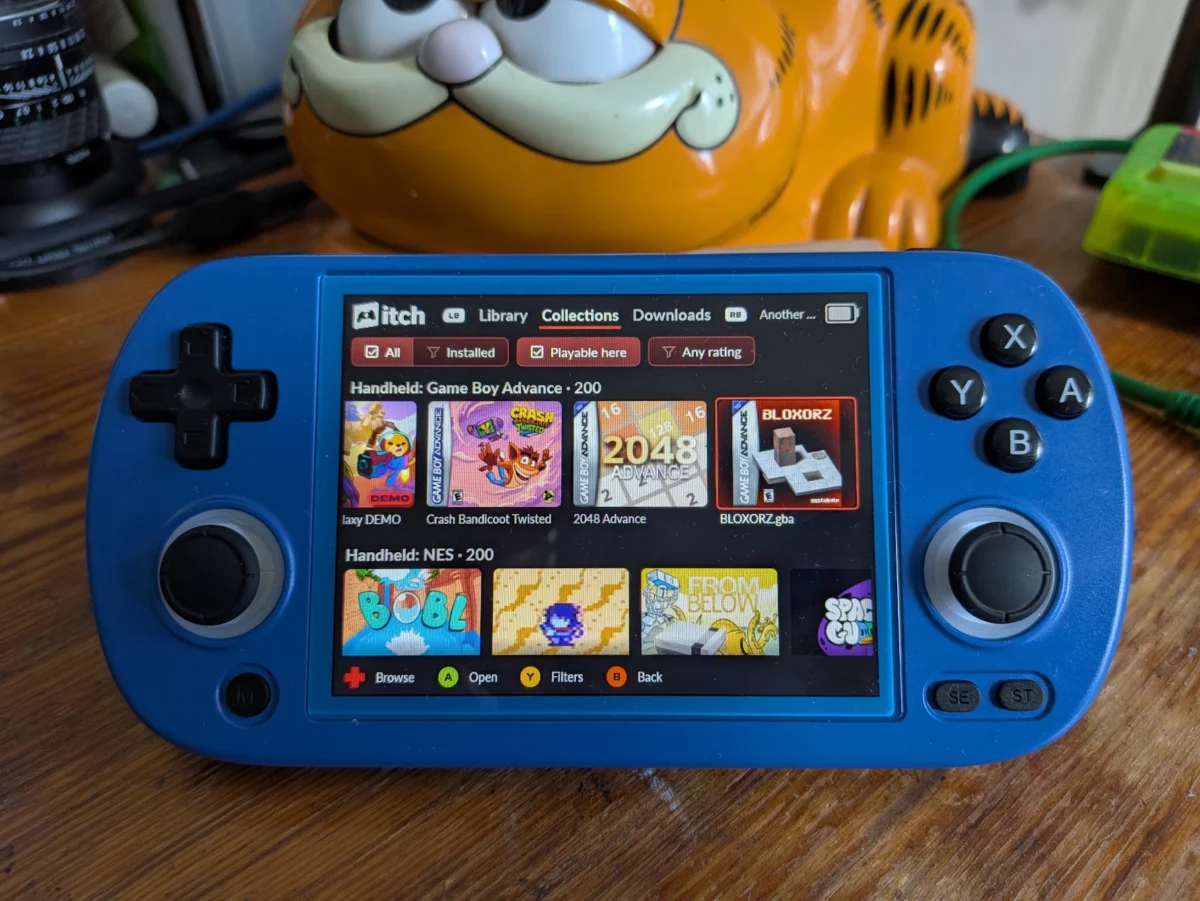
Perhaps the most intriguing announcement in this update comes in the form of a "sneak peek" at a new initiative dubbed "itch donk." This project aims to bring the full itch.io app experience to low-powered Linux retro game handhelds, a burgeoning market segment currently dominated by devices like those from Anbernic, Retroid Pocket, and Miyoo Mini. These handhelds are specifically designed for running retro ROMs and emulators, offering a portable and dedicated gaming experience.
The rationale behind the "itch donk" is compelling: itch.io already hosts thousands, if not tens of thousands, of ROMs and retro-style games, many of which are explicitly designed for or inspired by classic console eras. The platform’s open nature and DRM-free content model make it an ideal repository for such titles. By adapting the itch.io app for these ARM-based Linux devices, the project seeks to unlock a vast library of portable indie gaming content. Initial tests with native Linux ARM builds and game engines like LÖVE have shown "surprisingly well" performance, indicating the feasibility of this ambitious undertaking. LÖVE, a popular framework for 2D game development, is particularly relevant given its lightweight nature and prevalence in the indie scene, making many itch.io titles prime candidates for handheld play.
A crucial component of the "itch donk" project involves a massive undertaking to scan every single uploaded file on itch.io to tag its compatible platforms and runtimes. This goes beyond simple OS tagging, aiming for granular detail that can accurately determine if a game or ROM will run on specific hardware configurations, such as a low-powered ARM device. This comprehensive compatibility scanning project, though still in its early stages, is vital for ensuring a seamless user experience on the "itch donk" and similar devices. It will allow users to confidently download games knowing they will function as expected, while also providing developers with clearer insights into potential new audiences.
The implications of the "itch donk" are far-reaching. It could significantly expand itch.io’s reach into a new hardware segment, potentially creating a dedicated market for indie games optimized for portable play. For developers, it opens up new avenues for distributing their work to a growing audience of retro handheld enthusiasts. It also positions itch.io as a pioneer in integrating a modern digital storefront with the niche retro handheld market, potentially setting a new standard for content accessibility on these devices. While details remain scarce, the "itch donk" represents a bold step towards realizing a vision of portable, accessible, and diverse indie gaming for a global audience.
Broader Impact and Future Outlook
The latest itch.io app update, with its focus on user convenience, cross-platform compatibility, and future-oriented hardware initiatives, reinforces the platform’s commitment to innovation and community empowerment. The enhanced collection editing solidifies itch.io’s position as a user-friendly repository for vast game libraries, while the Proton integration with Steam Shortcuts is a major stride towards unifying the PC gaming experience for Linux users, especially those embracing the Steam Deck. This move not only caters to a growing demographic but also showcases itch.io’s ability to adapt and integrate with leading industry technologies.
The "itch donk" project, while still a sneak peek, hints at a significant expansion of itch.io’s ecosystem beyond traditional desktop environments. By targeting the burgeoning market of low-powered Linux retro handhelds, itch.io is poised to unlock new distribution channels for indie developers and offer a unique value proposition to gamers seeking portable, diverse, and often nostalgic experiences. This could lead to new partnerships, dedicated hardware, or even influence the design and functionality of future handheld gaming devices.
In an increasingly competitive digital distribution landscape, itch.io continues to differentiate itself through its unwavering support for independent creators, its flexible business model, and its proactive approach to enhancing user experience across a diverse range of platforms. These updates are not merely incremental improvements but strategic moves that strengthen itch.io’s foundation, expand its reach, and cement its role as a vital player in the global indie gaming community. As the platform continues to evolve, its impact on how games are created, distributed, and played is likely to grow, fostering a more open and accessible future for independent game development.
About the Author