
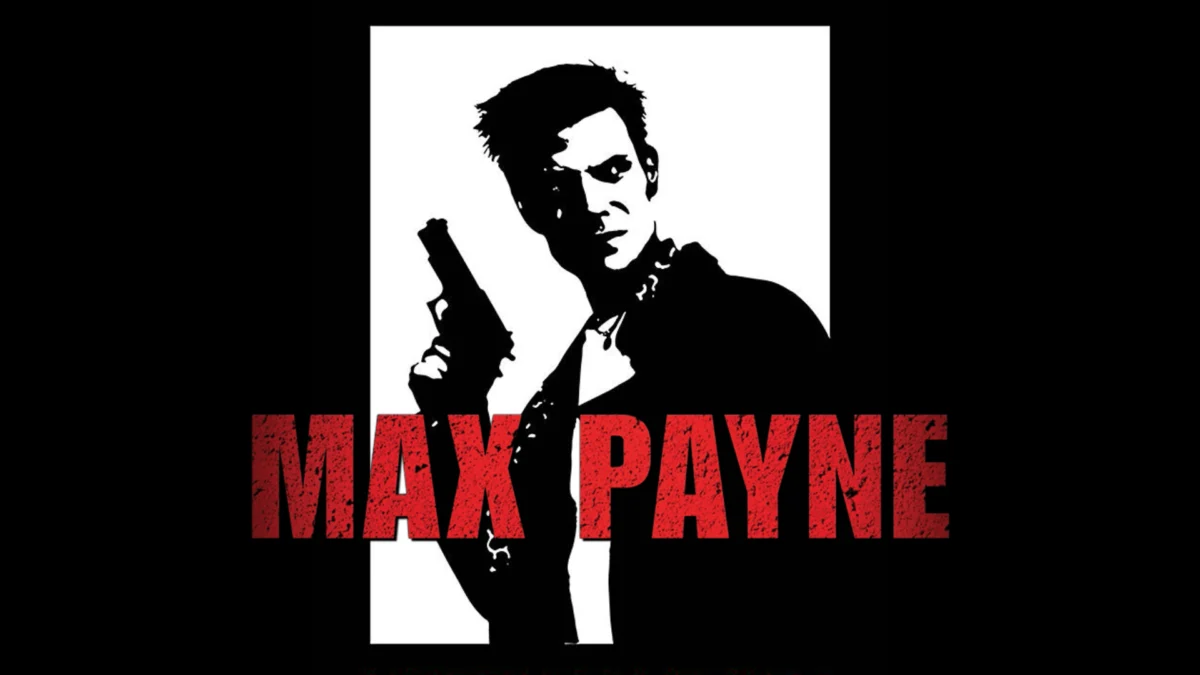
Whether admitted or not, many have fantasized about possessing the distinct skills and sheer coolness of an action hero like Jason Statham or Keanu Reeves, effortlessly dismantling adversaries. In 2001, Remedy Entertainment delivered a seminal experience that allowed players to embody this fantasy, elevating the action genre with Max Payne. Yet, upon reflection, the game transcended the typical dual-pistol-wielding protagonist, cementing its place in gaming history through its brilliant writing. Across critical reviews and vibrant online communities, the dialogue and narrative continue to be highlighted as the elements that made the storytelling enduring and distinctive. Max Payne‘s script embraced hardboiled noir narration so profoundly that its dialogue often resonated with more force than its prolific gunfights, establishing a benchmark for narrative depth in action games.
The Genesis of a Gritty Classic
Remedy Entertainment, a Finnish development studio, had already made a name for itself with the Death Rally and Pro Rally series, but Max Payne represented a significant leap in ambition and storytelling. Development began in the late 1990s, culminating in its release on July 23, 2001, for Microsoft Windows, followed by PlayStation 2 and Xbox versions later that year. The project was spearheaded by Sam Lake, who not only wrote the game’s intricate script but also served as the face model for Max Payne himself, lending a personal touch to the protagonist’s perpetually grim visage.
The gaming landscape of 2001 was ripe for innovation. While 3D graphics were becoming standard, few action games dared to combine high-octane gameplay with a sophisticated, character-driven narrative. Max Payne emerged during a period when cinematic influences were beginning to heavily shape video game design. It drew heavily from the aesthetics and thematic conventions of film noir, classic detective novels, and even graphic novels like Frank Miller’s Sin City. This cultural confluence provided a rich tapestry for Remedy to weave a narrative that felt both familiar and groundbreaking within the interactive medium. The game’s technological prowess was equally impactful, introducing the now-iconic "bullet time" mechanic, a slow-motion effect inspired by The Matrix, which allowed players to perform acrobatic feats while unleashing a torrent of gunfire. This mechanic, seamlessly integrated with the narrative, underscored Max’s desperate fight for survival against impossible odds.
A Story Deeper Than Gunfire
At its core, Max Payne is a tale of a man with nothing left to lose, embarking on a personal mission for justice. The narrative plunges players into the shoes of Max Payne, a New York City detective whose life is shattered by the brutal murder of his wife and infant daughter by drug addicts under the influence of a new designer drug called "Valkyr." Consumed by grief and a thirst for vengeance, Max goes undercover within the mob, only to be framed for the murder of his police partner. Suddenly, he finds himself a fugitive, caught between the relentless pursuit of the police and the violent machinations of criminal organizations, all while uncovering a vast, shadowy military-corporate conspiracy reaching the highest echelons of power.
Calling the game intense is an understatement. The relentless slow-motion gunfights, intricate plot twists, and a rogue’s gallery of crooked thugs and morally bankrupt figures deliver everything an action gamer could desire. However, it is not merely an exercise in meaningless action. The story intricately connects with the game’s mechanics and player actions, a testament to exceptional narrative design. Beyond the visceral thrills, the dialogue resonates deeply because it delves far beyond simple revenge. It explores profound themes of grief, obsession, corruption, and the inherent futility of vengeance. Max becomes a man so consumed by his own personal apocalypse that the possibility of walking away ceases to exist. This psychological depth elevates the game beyond a mere mob hit, presenting a darker, more nuanced narrative about how revenge often offers no true closure or healing, instead trapping its purveyor in an endless cycle of despair.
The Art of Dialogue: Crafting the Noir Voice
The enduring appeal of Max Payne largely rests on its distinctive hardboiled noir narration. The game’s script transformed a third-person shooter into something akin to a gritty paperback crime novel. Max Payne’s internal monologue, delivered with a gravelly, world-weary voice, is arguably the game’s most iconic narrative device. These monologues are cynical, poetic, and often laced with dark humor, offering a window into Max’s tormented psyche. They provide a continuous stream of observations, philosophical musings, and self-deprecating remarks that color every encounter and environment. This constant internal narration differentiates Max Payne from its contemporaries, forging a unique connection between the player and the protagonist’s inner turmoil.
The dialogue extends beyond Max’s thoughts, shaping every character and interaction. The supporting cast delivers lines that reinforce the game’s bleak, cynical world, each phrase meticulously crafted to convey personality, motivation, and the pervasive sense of moral decay.
Character Profiles and Their Verbal Signatures
The indelible lines from Max and the people around him provide a plethora of quotable moments, each contributing to the game’s rich narrative tapestry.
-
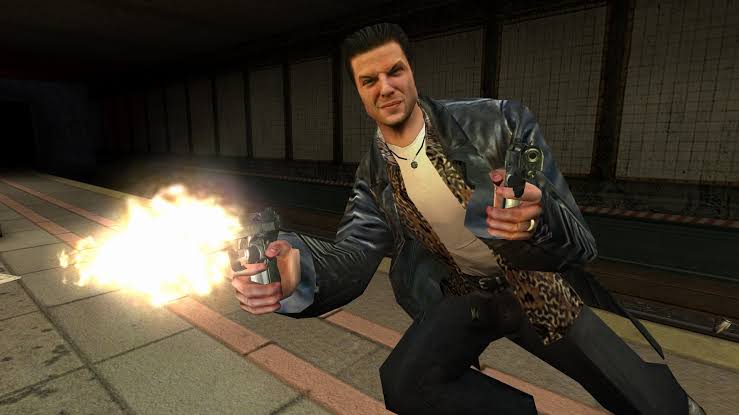
Max Payne: As the central character, a police officer turned undercover agent and fugitive, Max’s spoken lines and, more importantly, his inner monologue, define the game’s unmistakable voice. His dialogue reveals a man who is cynical, exhausted, and acutely aware of the absurd, often tragic, nature of his predicament. His internal reflections are characterized by their poetic bleakness, drawing the player into his descent into a personal hell. He frequently uses metaphors and similes to describe his surroundings and emotions, painting vivid, often disturbing, mental pictures. His self-awareness, despite his spiraling situation, offers a tragic layer to his character, making him relatable even in his extreme circumstances.
-
Mona Sax: Mona Sax stands out as one of the few characters capable of matching Max’s jaded attitude. A professional hitwoman and sister to Lisa Punchinello, Mona is confident, blunt, and fiercely independent. She defies the damsel-in-distress trope, often taking charge and exhibiting a pragmatic, no-nonsense approach to the brutal world they inhabit. Her dialogue is sharp, direct, and often laced with sarcasm, providing a foil to Max’s more introspective nature while sharing his underlying cynicism. Her interactions with Max are often sparring matches of wit, hinting at a complex relationship built on mutual respect and shared danger.
-
Vladimir Lem: Vladimir Lem, a Russian arms dealer, initially presents himself as an unlikely ally to Max. He is one of the more colorful figures in the game, an "old-fashioned bad guy" who adheres to a peculiar code of honor and morals within the criminal underworld. His dialogue is often theatrical, peppered with Russian proverbs and a dramatic flair that belies his ruthless pragmatism. He represents a certain old-world charm in contrast to the modern, corporate evil Max confronts, offering moments of unexpected camaraderie and dark wisdom.
-
The Rest of the Characters: Even the peripheral characters in Max Payne contribute significantly to the game’s narrative depth through their memorable lines. From the deranged mob bosses to the corrupt politicians and the desperate drug addicts, each character’s dialogue is meticulously crafted to serve the overarching noir theme. Their exchanges are often terse, menacing, or despairing, reinforcing the pervasive atmosphere of moral ambiguity and impending doom that defines the game’s world. These interactions are rarely gratuitous; they serve to advance the plot, deepen the lore, or underscore the psychological toll of the unfolding events.
-
Lighter Moments: Amidst the relentless darkness, Max Payne occasionally offers moments of unexpected levity, albeit dark and often sarcastic. These "lighter moments" are typically embedded within Max’s internal monologues or in absurd exchanges with eccentric characters. They serve as brief respites, often highlighting the inherent absurdity of Max’s situation or the bizarre characters he encounters. These moments, rather than breaking the noir atmosphere, often enhance it by providing a stark contrast, emphasizing the bleakness by showcasing how even humor in this world is tinged with cynicism and despair. They are a testament to the script’s nuanced understanding of character and tone, ensuring the dialogue is more than just a means to connect one shootout to the next.
Critical Acclaim and Commercial Success
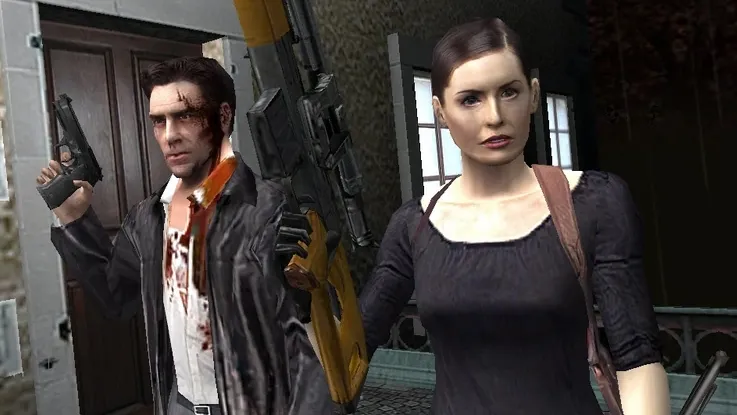
Upon its release, Max Payne was met with widespread critical acclaim. Review aggregators like Metacritic awarded the PC version an impressive 89/100, highlighting its groundbreaking "bullet time" mechanic, innovative comic-book cutscenes, and, most frequently, its compelling story and atmospheric writing. Critics lauded Remedy and Sam Lake for crafting a narrative that was both deeply engaging and emotionally resonant, a rarity in the action genre at the time. The game’s sales figures underscored its success, with the PC version alone selling over 2 million copies by 2002, and total sales across all platforms reaching several million units globally. It garnered numerous awards, including several "Game of the Year" nominations and wins for its innovative gameplay and narrative achievements from organizations like the British Academy of Film and Television Arts (BAFTA) and the Academy of Interactive Arts & Sciences (AIAS).
Influence and Legacy
The impact of Max Payne on the video game industry is undeniable. It set a new standard for narrative design in action games, demonstrating that a compelling story and rich character development could coexist with thrilling, innovative gameplay. Its success paved the way for more story-driven action titles and influenced countless games that sought to blend cinematic presentation with interactive experiences. The "bullet time" mechanic, in particular, became a popular feature, adopted and iterated upon by numerous subsequent games.
The game’s legacy continued with two critically acclaimed sequels: Max Payne 2: The Fall of Max Payne (2003), which deepened the relationship between Max and Mona Sax, and Max Payne 3 (2012), developed by Rockstar Games, which offered a grittier, more visceral continuation of Max’s tragic saga. The enduring appeal of the original, however, lies in its foundational establishment of Max’s character and the distinct noir voice that permeated every aspect of its design.
Most recently, the announcement of a full remake of Max Payne and Max Payne 2 by Remedy Entertainment and Rockstar Games, utilizing Remedy’s Northlight engine, signifies the game’s lasting cultural relevance. This project, currently in development, underscores the industry’s and fan base’s continued appreciation for the original’s groundbreaking achievements and its potential to resonate with a new generation of players while honoring its foundational narrative brilliance.
In conclusion, Max Payne remains a landmark title, not merely for its revolutionary "bullet time" mechanic or its intense action sequences, but fundamentally for its unparalleled narrative depth and the enduring power of its hardboiled voice. It proved that video games could deliver stories as compelling and psychologically complex as the finest film noir or crime novels, securing its place as a masterclass in interactive storytelling and a testament to the profound impact of brilliant writing in the gaming medium.
About the Author







