
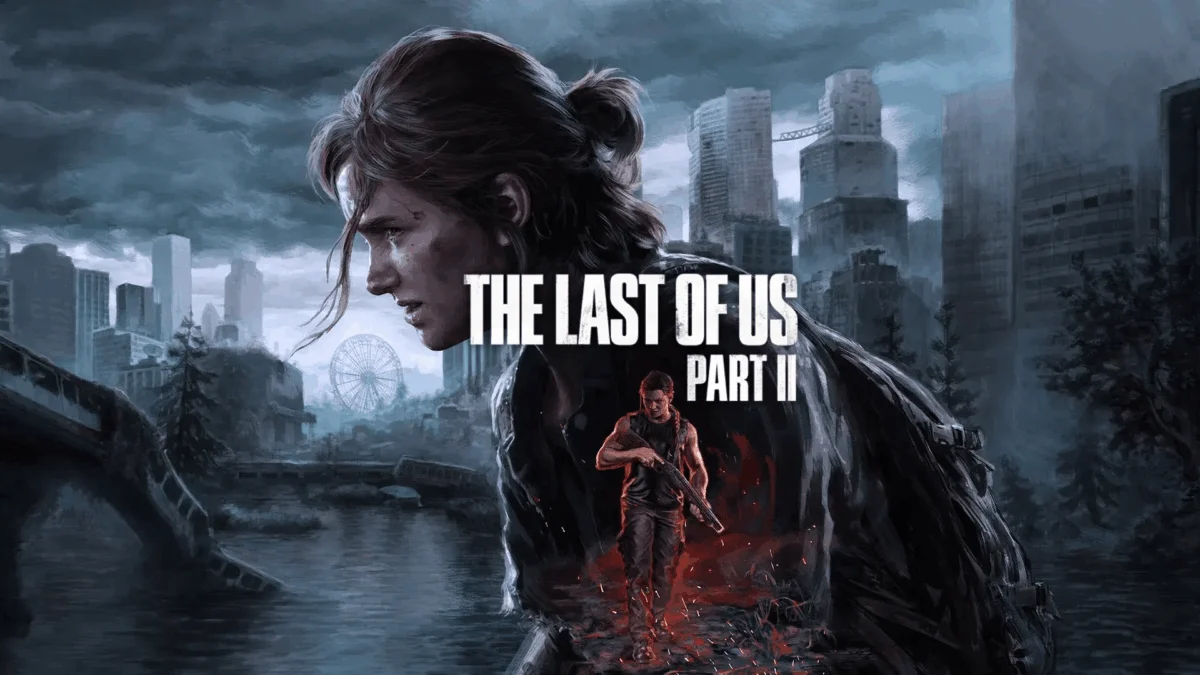
Naughty Dog’s The Last of Us Part II stands as a monumental achievement in video game development, proving that sequels, even to highly revered titles, can not only meet but exceed expectations by daring to challenge conventional narrative structures. Released in June 2020, the game embarked on a darker, more complex journey, continuing the saga of characters already deeply entrenched in the hearts of millions. This bold approach, characterized by harrowing, unforgettable dialogue and a relentless exploration of grief and vengeance, ultimately paid off, garnering numerous accolades for its groundbreaking narrative and exceptional writing. The depth of its script allows for moments where history feels embedded within mere words, and even the quietest exchanges resonate with profound significance, showcasing a rare blend of cruelty and tenderness within the same scene.
The Unprecedented Challenge of a Sequel
Developing a successor to a universally acclaimed title like The Last of Us presented Naughty Dog with immense pressure. The original game, released in 2013, had redefined narrative depth in interactive entertainment, setting a high bar for emotional storytelling, character development, and world-building within a post-apocalyptic setting. Fans had grown intimately attached to Joel Miller and Ellie Williams, their journey through a world ravaged by a fungal pandemic leaving an indelible mark. For Part II, the challenge was not merely to replicate success but to push boundaries, to evolve the characters and themes in ways that would resonate deeply while simultaneously risking alienating a portion of its dedicated fanbase. Naughty Dog, under the creative direction of Neil Druckmann, chose the path less traveled, opting for a narrative that was unflinchingly brutal and morally ambiguous.
Development and Release Chronology
The journey of The Last of Us Part II to market was as intricate as its narrative. First teased at the PlayStation Experience (PSX) in December 2016 with a haunting trailer, the game immediately ignited immense anticipation. Throughout its development, Naughty Dog meticulously crafted its world, characters, and gameplay mechanics, often sharing glimpses through subsequent trailers and developer diaries. Key milestones included:
- December 2016: Official announcement at PSX with a reveal trailer.
- October 2017: A second trailer at Paris Games Week introduced new characters and hinted at the game’s grim tone.
- June 2018: An extended gameplay demo at E3 showcased Ellie’s enhanced combat abilities and the game’s stunning visual fidelity.
- September 2019: A release date of February 21, 2020, was announced, accompanied by a new story trailer.
- October 2019: Naughty Dog announced a delay to May 29, 2020, citing the need for additional polish.
- April 2020: Due to logistical challenges posed by the global COVID-19 pandemic, the game was delayed indefinitely. Tragically, a significant portion of the game’s plot was leaked online shortly after this announcement, leading to widespread speculation and debate among the community.
- April 2020 (re-announcement): A new release date of June 19, 2020, was confirmed, with Naughty Dog addressing the leaks and urging fans to avoid spoilers.
Despite the hurdles, including the unprecedented leak of crucial plot points, the game launched to immense critical fanfare, though it also sparked fervent discussions among players regarding its controversial thematic choices.
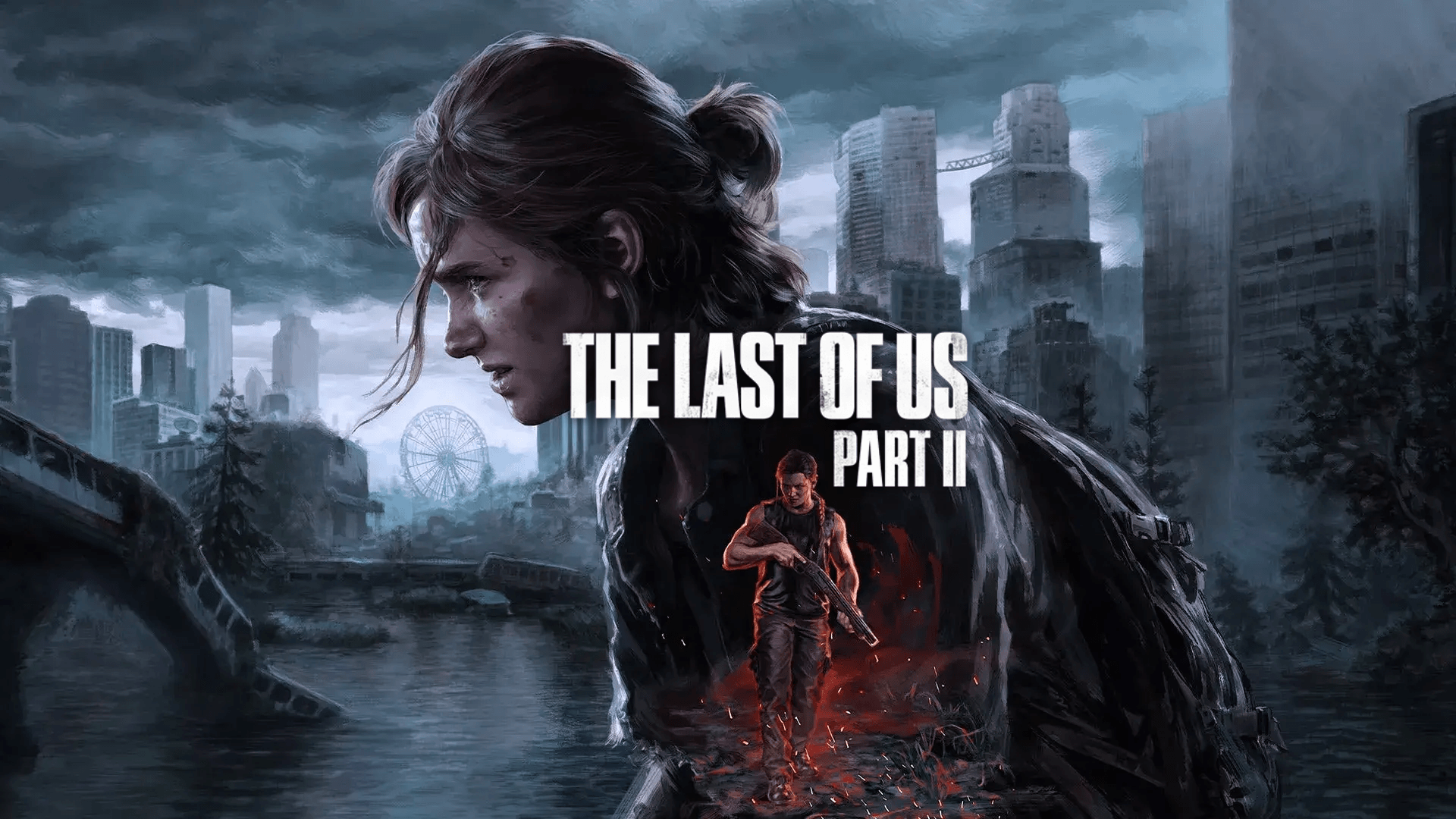
Narrative Innovation and Thematic Depth
The Last of Us Part II distinguishes itself with a narrative structure that is both ambitious and divisive. The story unfolds years after the events of the first game, finding Ellie and Joel settled in a thriving community in Jackson, Wyoming. This fragile peace is shattered by the brutal murder of Joel at the hands of Abby Anderson, the daughter of a Firefly surgeon Joel had killed to save Ellie in the original game. This inciting incident propels Ellie down a relentless path of vengeance, a journey that drags her into a spiraling maelstrom of violence and moral compromise.
Initially presenting as a conventional revenge thriller, complete with high stakes, intense combat, an expanded arsenal, and more evolved infected, the game leverages Naughty Dog’s advanced game engine to deliver unparalleled environmental detail and visceral action. However, its true narrative genius, and indeed its greatest source of controversy, emerges when the perspective abruptly shifts. Players are handed control of Abby Anderson, and the timeline rewinds, forcing them to experience pivotal events from her viewpoint. This audacious structural choice transforms the game from a simple tale of retribution into a profound exploration of cyclical violence, empathy, and the subjective nature of justice.
Both Ellie and Abby are meticulously crafted characters, shaped by profound loss and consuming anger. The game masterfully blurs the lines between protagonist and antagonist, challenging players to confront their own biases and preconceived notions of right versus wrong. It forces an uncomfortable introspection, asking whether the player’s capacity for empathy extends to those deemed "enemies." The dialogue throughout the game is a testament to this complexity, allowing characters to openly display their anger, grief, and raw vulnerability, often making players question the righteousness of their actions and motivations. Joel’s final poignant conversation with Ellie, for instance, encapsulates the lingering moral complexities of his past actions and their profound impact on Ellie, serving as a powerful undercurrent to her subsequent quest. Similarly, Abby’s interactions with Lev and Yara reveal layers of her character beyond her initial portrayal as an antagonist, showcasing her capacity for protection and redemption.
Critical Reception and Awards
Upon its release, The Last of Us Part II was met with widespread critical acclaim, lauded for its narrative ambition, emotional depth, stunning graphics, and sophisticated gameplay. Review aggregators reflected this praise, with Metacritic awarding it an average score of 93/100 based on 121 critic reviews, categorizing it as "universal acclaim." Critics highlighted its ability to elicit powerful emotional responses, its groundbreaking performances, and its unwavering commitment to its dark themes.
The game’s narrative and writing were consistently singled out for particular praise. It went on to win an unprecedented number of awards, setting new benchmarks in the industry:
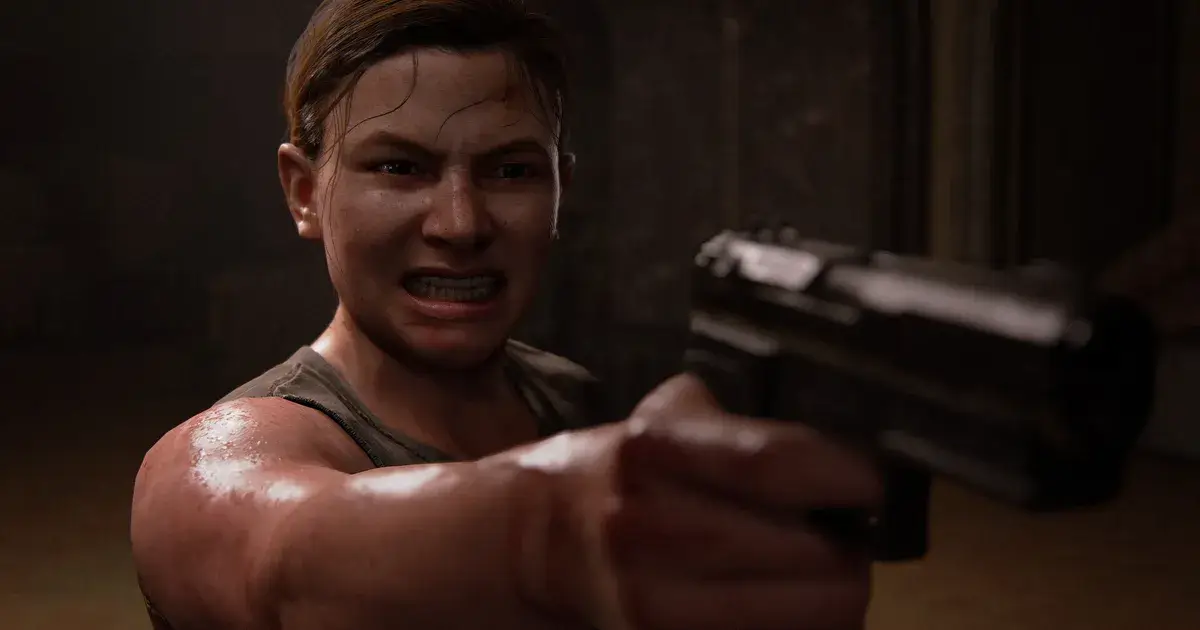
- The Game Awards 2020: Dominated the ceremony, winning a record-breaking seven awards, including Game of the Year, Best Game Direction, Best Narrative, Best Audio Design, Innovation in Accessibility, Best Action/Adventure Game, and Best Performance for Laura Bailey as Abby.
- D.I.C.E. Awards: Secured ten awards, including Game of the Year, Outstanding Achievement in Story, and Outstanding Achievement in Character for both Ellie and Abby.
- British Academy Games Awards (BAFTAs): Won three awards, including Best Animation and Best Performer in a Leading Role for Laura Bailey.
- Golden Joystick Awards: Voted Ultimate Game of the Year.
These numerous accolades underscore the game’s significant impact on the industry, recognizing its bold narrative choices and the exceptional craft in its script. The recognition for "Best Narrative" across multiple prestigious ceremonies cemented its status as a storytelling landmark.
Player Community Engagement and Discourse
While critically adored, The Last of Us Part II generated intense discussion and division within its player community. The game’s narrative choices, particularly Joel’s death, the shift in protagonist, and the brutal nature of the revenge cycle, sparked passionate debates. Forums, social media platforms, and video essays were awash with analyses, criticisms, and defenses of the game’s artistic vision.
Some players lauded its courage to tell a difficult story, praising its unflinching examination of violence, trauma, and empathy. They appreciated how the dual perspective challenged their own moral compass and forced them to empathize with characters they initially viewed as antagonists. This segment of the audience often pointed to the game’s successful execution of its complex themes, arguing that its uncomfortable nature was precisely its strength.
Conversely, other players expressed strong disappointment, primarily stemming from the perceived betrayal of established characters, the perceived bleakness of the narrative, and the emotional toll the story exacted. The leaks prior to release also played a significant role in shaping initial reactions, leading to pre-conceived notions that some found difficult to reconcile with the full context of the game.
Naughty Dog, particularly Neil Druckmann, acknowledged the polarizing reactions, often stating that their intent was to tell a story that evoked strong emotions and encouraged reflection, regardless of whether those emotions were positive or negative. This discourse, while sometimes heated, ultimately contributed to the game’s cultural footprint, cementing its place as a significant work that dared to provoke thought and conversation.
Technical Achievements and Gameplay Evolution
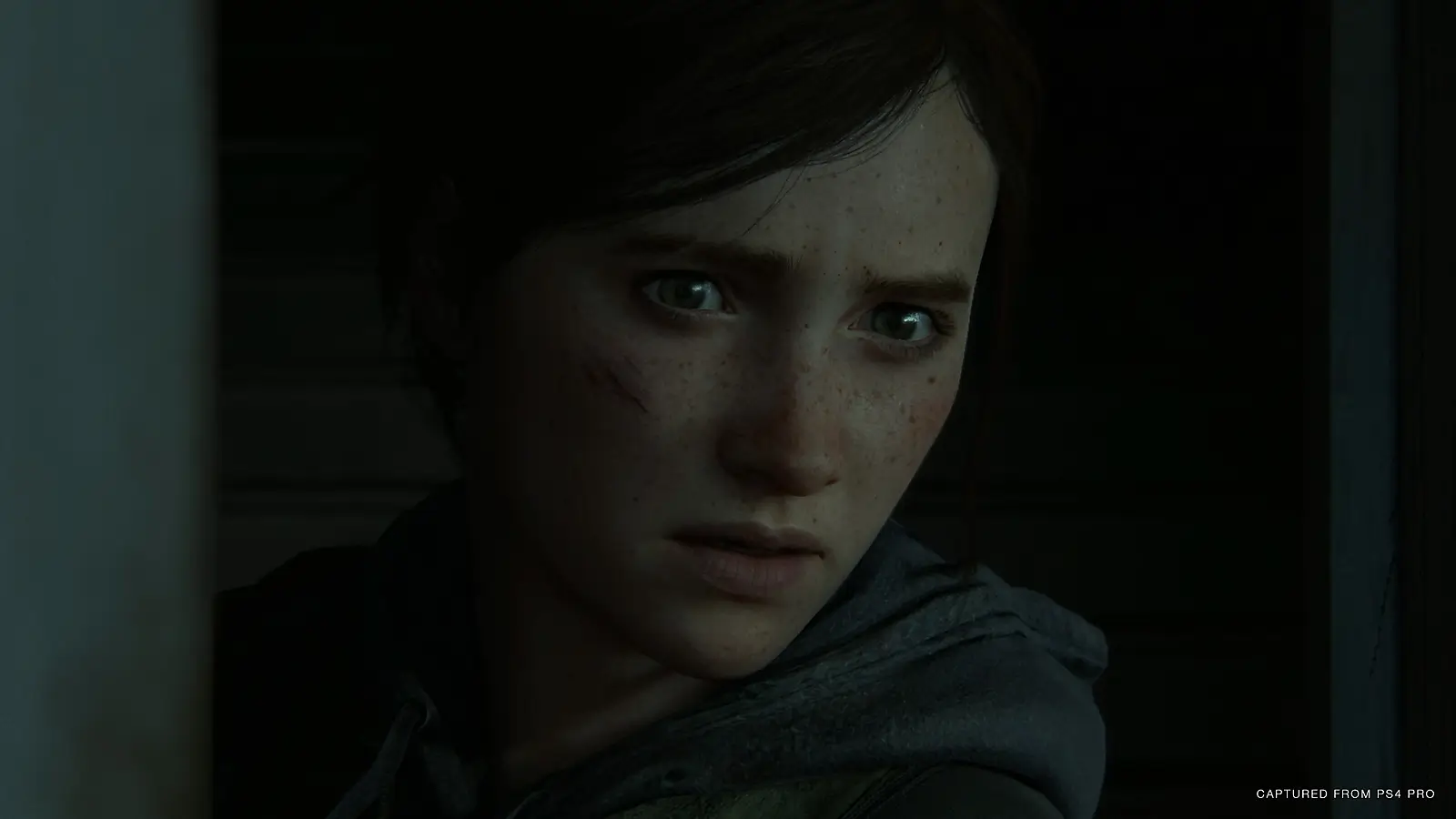
Beyond its narrative prowess, The Last of Us Part II also represents a significant leap forward in technical and gameplay innovation. Built on an advanced iteration of Naughty Dog’s proprietary game engine, the title pushed the boundaries of visual fidelity on the PlayStation 4. The environments are incredibly detailed, from the overgrown ruins of Seattle to the lush forests of Jackson, showcasing dynamic weather systems, realistic lighting, and intricate environmental destruction. Character models exhibit an unprecedented level of detail, with subtle facial animations conveying a vast range of emotions, crucial for the game’s heavy narrative themes.
Gameplay was also significantly refined and expanded. Ellie’s agility and stealth capabilities were enhanced, allowing for more fluid movement and creative combat encounters. The introduction of new mechanics, such as prone crawling and dodging, added layers of tactical depth to the already intense combat system. Enemies, both human and infected, demonstrated more sophisticated AI, reacting dynamically to player actions and environmental changes. The sound design, which also won multiple awards, played a critical role in immersion, from the subtle creaks of an abandoned building to the terrifying growls of the infected. These technical and gameplay advancements collectively served to amplify the impact of the game’s powerful story, ensuring that the player’s interaction was as visceral and engaging as the narrative itself.
Broader Impact and Legacy
The Last of Us Part II has undeniably left a profound mark on the video game landscape. Its success, both critical and commercial (selling over 4 million copies in its opening weekend, making it the fastest-selling PlayStation 4 exclusive at the time), validated Naughty Dog’s decision to pursue a bold and uncompromising artistic vision. It demonstrated that games could tackle mature, complex themes with the same gravitas as other artistic mediums, pushing the boundaries of what interactive storytelling can achieve.
The game’s influence extends to discussions around player agency, narrative structure, and the ethical implications of violence in media. It has become a case study in how to handle sensitive topics, how to challenge player expectations, and how to craft a truly unforgettable, albeit often uncomfortable, emotional experience. Its legacy is not just in its awards or sales, but in the enduring conversations it continues to spark about empathy, revenge, and the human cost of hatred.
In conclusion, The Last of Us Part II is far more than just a sequel; it is a meticulously crafted piece of interactive art that demands engagement and introspection. Its harrowing narrative, driven by exceptional writing and unforgettable dialogue, navigates the darkest corners of the human condition, offering no easy answers but instead posing profound questions. Naughty Dog’s willingness to take such significant creative risks has not only solidified its reputation as a premier developer but has also significantly enriched the tapestry of video game storytelling, proving that even in a medium often associated with escapism, there is immense power in confronting the uncomfortable truths of our shared humanity.
About the Author







