The global entertainment industry witnessed a tectonic shift this week with the formal completion of the $111 billion merger between Paramount Global and Warner Bros. Discovery. The newly consolidated entity, which will operate under the name Skydance, represents one of the largest media marriages in history, effectively unifying two of the "Big Five" Hollywood studios. While the headlines have largely focused on the unprecedented consolidation of film libraries, streaming platforms, and television networks, the merger’s impact on the interactive entertainment sector—specifically the mobile gaming market—is poised to be equally transformative. By bringing together a massive portfolio of internally developed titles and high-value licensed intellectual properties (IP), Skydance has instantly become a dominant force in the mobile gaming ecosystem.
The administrative architecture of the new gaming division is already taking shape, signaling a pivot toward aggressive growth and live-service integration. Industry veteran Tony Driscoll, formerly an executive at Epic Games, has been tapped to serve as the President of Games and Experiences. His appointment is seen by analysts as a strategic move to leverage his experience with massive digital ecosystems and the "metaverse" models pioneered by Epic. Simultaneously, the newly christened Paramount Games Studios will be integrated with Warner Bros.’ existing infrastructure of game developers, creating a unified production powerhouse. Adding further weight to the corporate oversight, former Activision Blizzard CEO Bobby Kotick has been appointed to the Skydance board of directors. Kotick’s inclusion suggests a focus on maximizing the monetization of legacy IP, drawing on his decades of experience navigating the financial complexities of the gaming industry.
The Financial Core: Warner’s Internal Mobile Powerhouses
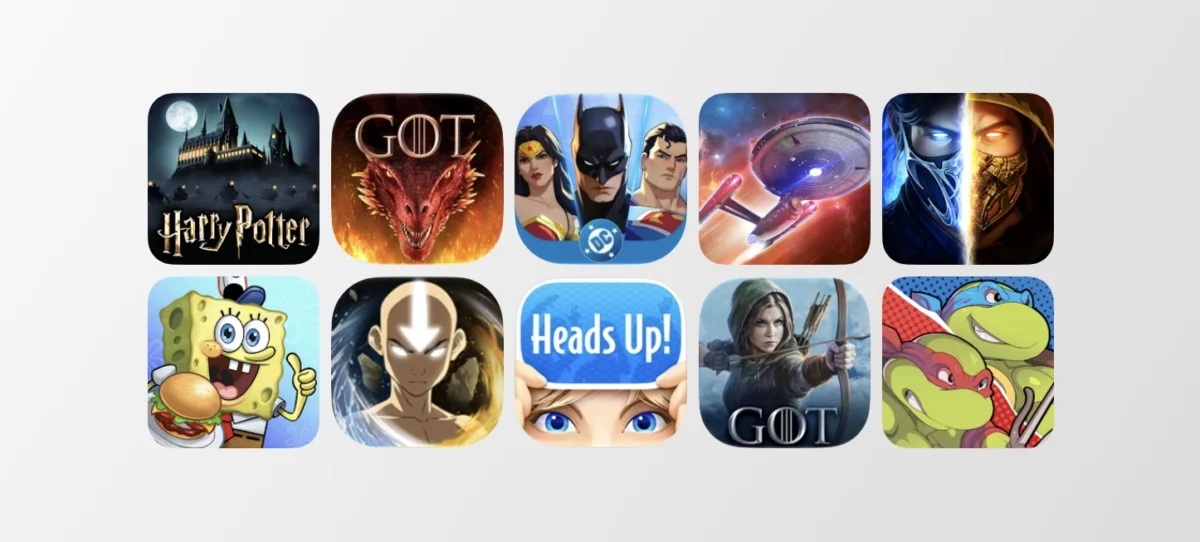
The bedrock of Skydance’s mobile revenue currently rests on the shoulders of the Warner Bros. internal development teams. According to market intelligence from AppMagic, the Game of Thrones franchise remains the most significant driver of direct-to-consumer spending within the portfolio. Leading the charge is Game of Thrones: Dragonfire, which launched in June 2026. The title has shown remarkable early-stage growth, posting internal purchase (IAP) revenues of $3.5 million in July, peaking at $4.5 million in August, before stabilizing at $3.3 million in September.

This performance is bolstered by the longevity of Game of Thrones: Conquest. Despite being on the market since 2017, the strategy title continues to generate consistent returns, maintaining roughly $1.2 million in monthly revenue through the summer of 2026. The enduring success of these titles underscores the "stickiness" of the Westeros IP among mobile strategy gamers, providing Skydance with a reliable cash-flow foundation as it integrates its new assets.
Beyond the Seven Kingdoms, the fighting game genre provides a secondary pillar of stability. The mobile adaptation of Mortal Kombat, originally released in 2015, continues to defy the typical lifecycle of mobile apps, earning an average of just under $1 million per month. However, the data indicates a widening gap between these top-tier performers and the rest of the catalog. Secondary titles like Injustice 2 ($432,000), the original Injustice ($299,000), and DC Worlds Collide ($246,000) contribute to a respectable mid-tier bracket, while the extensive library of LEGO-branded games—including Star Wars, Marvel, and Batman variants—serves as a long-tail revenue source, collectively bringing in tens of thousands of dollars monthly.
The Licensing Strategy: Harry Potter and External Partnerships
A critical component of the Skydance gaming strategy involves the management of high-value licenses to third-party developers. This model allows the studio to collect royalty fees and participation stakes without the overhead of full-scale internal production. The Wizarding World remains the crown jewel of this licensing arm.
Jam City’s Harry Potter: Hogwarts Mystery continues to be a standout performer, generating between $1.6 million and $1.8 million in a typical month. Similarly, Zynga’s Harry Potter: Puzzles & Spells nets approximately $1.2 million monthly. Perhaps most significant is the performance of Harry Potter: Magic Awakened, operated by NetEase. While the game averaged $300,000 per month for much of the year, it saw a massive surge to $1 million in September 2026, largely driven by updates and seasonal events in the Chinese and broader Asian markets. This volatility highlights the potential for massive revenue spikes when Western IP is successfully localized and managed by regional experts like NetEase.

The Game of Thrones IP also extends into the licensed sector, where Zynga’s Game of Thrones Slots Casino leads with $1.6 million in monthly revenue. However, the data also serves as a warning for the new Skydance leadership regarding IP saturation. While Game of Thrones: Legends maintains a modest $700,000 monthly, Netmarble’s Game of Thrones: Kingsroad has seen a precipitous decline, earning only $60,000 in September. This suggests that even the strongest IP cannot save a game that fails to resonate with the current market’s mechanical preferences.
Integrating Paramount: Star Trek and SpongeBob Assets
The Paramount side of the merger brings a distinct set of legacy IPs to the table, most notably Star Trek and SpongeBob SquarePants. The standout performer in the Paramount portfolio is Scopely’s Star Trek Fleet Command. The title generates a steady $2 million per month in IAP revenue, though industry insiders suggest the actual "total" revenue is significantly higher due to robust spending on external webshops, which bypasses the standard 30% platform fees charged by Apple and Google.
The SpongeBob franchise represents a different strategic value. While SpongeBob Adventures: In A Jam from Tilting Point generated approximately $200,000 last month, the IP’s primary strength lies in its presence on subscription services. SpongeBob: Krusty Cook-Off is a top performer on Apple Arcade. While specific revenue figures for subscription-based titles are not publicly disclosed by Apple, the engagement metrics indicate that the IP is a vital tool for platform retention.
Furthermore, the Teenage Mutant Ninja Turtles (TMNT) brand remains a versatile asset. While TMNT: Shredder’s Revenge (operated by Playdigious) shows lower direct IAP revenue, the IP is frequently used in high-profile cross-over collaborations with other major mobile games, serving as a powerful marketing tool and a source of licensing fees.

Strategic Analysis: The Implications of Consolidation
The formation of Skydance through this $111 billion merger is a direct response to the "Great Contraction" currently facing the media and gaming industries. As user acquisition costs on mobile platforms have skyrocketed due to privacy changes like Apple’s App Tracking Transparency (ATT), the value of established IP has increased exponentially. Skydance now possesses a library that can attract players organically, reducing the reliance on expensive digital advertising.
The appointment of Bobby Kotick to the board is a clear signal to Wall Street that Skydance intends to run its gaming division with a "profit-first" mentality. Kotick’s tenure at Activision was defined by a focus on "billion-dollar franchises" and the transition from one-off sales to recurring revenue models. Analysts expect Skydance to apply a similar lens to its combined portfolio, likely resulting in the sunsetting of underperforming legacy titles and a concentrated investment in high-yield projects like Game of Thrones and Harry Potter.
The closure of Scopely’s Looney Tunes World of Mayhem in October 2026—a game that earned $106 million over its eight-year lifespan—serves as a harbinger of this new strategy. Skydance is moving away from the "scattershot" approach of the early mobile era, favoring a leaner, more disciplined roster of "live-service" games that can be sustained for a decade or more.
Timeline of the Merger and Future Outlook
The path to the Skydance merger was marked by several years of speculation and regulatory scrutiny.

- 2023: Initial talks between Paramount and Warner Bros. were reported as both companies sought to combat the rising dominance of Netflix and Disney+.
- 2024-2025: Negotiations evolved into a complex three-way deal involving David Ellison’s Skydance Media, which eventually led to the current $111 billion structure.
- Early 2026: Regulatory bodies in the U.S. and EU approved the merger after certain concessions were made regarding television advertising and streaming rights.
- October 2026: The deal officially closed, and the new leadership team for Skydance Games and Experiences was announced.
Looking ahead, the industry will be watching how Tony Driscoll integrates the "Paramount Games Studios" culture with the established "WB Games" hierarchy. The challenge will be to maintain the creative integrity of beloved franchises while meeting the aggressive monetization targets expected of a $111 billion entity. With a combined monthly mobile revenue stream currently estimated in the tens of millions, Skydance is not just a movie studio—it is now a mobile gaming titan. As the company moves to unify its tech stacks and data analytics, the next twelve months will determine if this "Skydance" can truly lead the mobile market into its next era of growth.
About the Author