The global extended reality (XR) landscape is currently undergoing a significant shift as smart glasses emerge as the primary driver of consumer interest, yet this hardware success has highlighted a growing disparity between device sales and third-party developer profitability. While market leaders like Meta and Luxottica are scaling production to unprecedented levels, independent creators face a complex environment where platform holders dominate the most lucrative use cases, leaving limited room for external software innovation.
The Resurgence of Smart Wearables: Market Data and Sales Projections
The smart glasses sector is currently the most active segment of the XR market, characterized by genuine consumer hype that has eluded high-end virtual reality (VR) headsets for several years. Internal memos from the partnership between Meta and Luxottica indicate a strategic pivot toward mass-market production, with goals to increase output to between 20 and 30 million units annually. To put these figures in perspective, the Meta Quest 2, widely considered the most successful VR headset in history, achieved approximately 25 million unit sales over its entire multi-year lifespan. The prospect of smart glasses reaching those same numbers within a single calendar year suggests a transition from a niche enthusiast product to a mainstream consumer staple.
This momentum has triggered a competitive influx from major global technology firms. Samsung is scheduled to release its proprietary smart glasses in late 2024, while Apple is rumored to be developing a non-display "smart frame" for a 2025 or 2026 release. In the Eastern markets, companies such as Huawei, Alibaba, and TCL RayNeo have already established a presence, while open-source initiatives like Mentra offer alternative operating systems for hardware-agnostic development.

The success of these devices is largely attributed to their form factor. Unlike VR headsets, which require significant consumer education, glasses are a universally understood utility. With millions of people already requiring prescription lenses or sunglasses, the upgrade to "smart" frames represents a smaller psychological and financial leap than the purchase of a dedicated gaming headset. Furthermore, the utilization of Luxottica’s vast retail distribution network allows these devices to be sold in traditional eyewear boutiques rather than being confined to electronics retailers.
A Chronology of Smart Glasses Development
The path to the current market state has been marked by significant volatility and shifts in technological focus:
- 2013–2014: The Google Glass Era. Early forecasts predicted that Google Glass would sell 21 million units by 2018. However, the product failed to gain social acceptance due to privacy concerns and a perceived lack of utility, eventually being relegated to enterprise-only applications.
- 2016–2021: Iterative Experiments. Snap Inc. released Spectacles, focusing on social media capture, while Bose attempted an audio-only AR platform. Both saw limited commercial success but refined the hardware requirements for wearable frames.
- 2023–2024: The AI Integration Breakthrough. The launch of the Ray-Ban Meta glasses shifted the focus from visual overlays to AI-powered audio assistance. This "AI-first" approach, combined with high-quality cameras and aesthetic design, catalyzed the current sales boom.
- 2025 and Beyond: The Display Integration Phase. Manufacturers are now moving toward integrating micro-LED monocular displays and eventually full binocular augmented reality (AR), as seen in Meta’s "Orion" prototypes.
The Developer Dilemma: Why High Sales Do Not Equal High Revenue
Despite the millions of units entering the market, the ecosystem for third-party developers remains underdeveloped. This "profitability paradox" stems from several structural barriers within the current smart glasses economy.
Dominance of Native Applications
In the smartphone and PC eras, platform holders provided the operating system while leaving the application layer to third parties. In the smart glasses market, the most valuable use cases—real-time translation, photography, navigation, and note-taking—are being claimed by the hardware manufacturers themselves. When a consumer purchases Meta or Samsung glasses, the core utilities are pre-installed and optimized by the manufacturer, effectively "crowding out" independent developers who might seek to build similar tools.

The AI Monopoly
The primary value proposition of modern smart glasses is the integrated AI assistant. However, these assistants (such as Meta’s "Muse" or Google’s "Gemini") are deeply integrated into the hardware’s firmware. For an independent developer to create a superior AI assistant is a monumental task, as they lack the "infinite" compute resources and proprietary data access held by tech conglomerates.
Hardware and SDK Limitations
Current hardware is bifurcated into two categories: audio-only frames and limited-display frames. Audio-only devices offer a narrow range of interaction possibilities for software creators. While the recent release of SDKs for monocular displays (such as the Meta Ray-Ban Display) has sparked a wave of prototyping, the constraints of small, single-eye screens limit the complexity of the applications that can be developed. Furthermore, many platforms remain "silos," requiring developers to rewrite codebases for every specific brand of glasses due to a lack of industry-wide standards like OpenXR for wearables.
Official Responses and Industry Sentiment
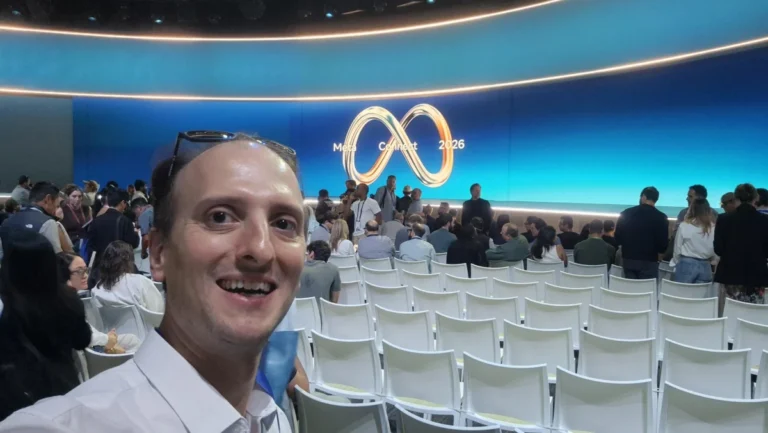
While manufacturers emphasize the "openness" of their future ecosystems, current actions suggest a "walled garden" approach. Meta’s recent showcase at their Connect event introduced a prototypical "app store" for glasses, but it remains in an early access phase with limited visibility for creators.
Industry analysts suggest that the current hype cycle mirrors the early days of the smartwatch. Initially, smartwatches struggled to define their purpose beyond basic notifications. It took several years for the market to settle on fitness, health monitoring, and biometric security as the "killer apps." Smart glasses are currently in this experimental phase, where "micro-apps"—small, location-specific utilities—are being tested, though their ability to sustain a standalone business model remains unproven.

Broader Implications and the Shift Toward Enterprise
As the consumer software market for smart glasses matures, many developers are pivoting toward the enterprise and B2B sectors, where the path to profitability is more defined.
On-Premises AI and Industrial Safety
Large-scale industrial firms are often hesitant to feed proprietary data into public AI models like Gemini or Meta AI. This creates a market for developers to build "on-premises" AI assistants that run on secure, private servers but interface with smart glasses. These tools can assist factory workers with real-time diagnostics, barcode scanning, and safety compliance. Devices like the Vive Eagle and Mentra OS are specifically targeting this niche by offering more flexible, developer-friendly environments than consumer-grade frames.
Accessibility and Research
The high-quality sensors in modern smart glasses provide significant opportunities in the fields of accessibility and academic research. Applications that provide real-time audio descriptions for the visually impaired or transcriptions for the hearing impaired represent high-value, specialized markets. Additionally, projects like Meta’s Project Aria demonstrate how smart glasses can be used to collect data for training robots and mapping indoor environments, a sector that requires specialized software support.
Future Outlook: The Transition to True Augmented Reality
The long-term health of the smart glasses ecosystem likely depends on the transition from "smart frames" (camera and audio) to "true AR" (spatial visual overlays). While the current success of audio-centric glasses provides a necessary bridge, industry experts believe a robust developer economy will only emerge when hardware can support complex, persistent digital objects in the physical world.

Until then, the strategy for independent creators is one of cautious experimentation. The "blue ocean" of the smart glasses market offers vast potential for those who can identify a "killer app" that manufacturers have overlooked. However, without the establishment of cross-platform standards and more robust, open app stores, the financial rewards of this new frontier may remain concentrated in the hands of the hardware giants for the foreseeable future.
About the Author