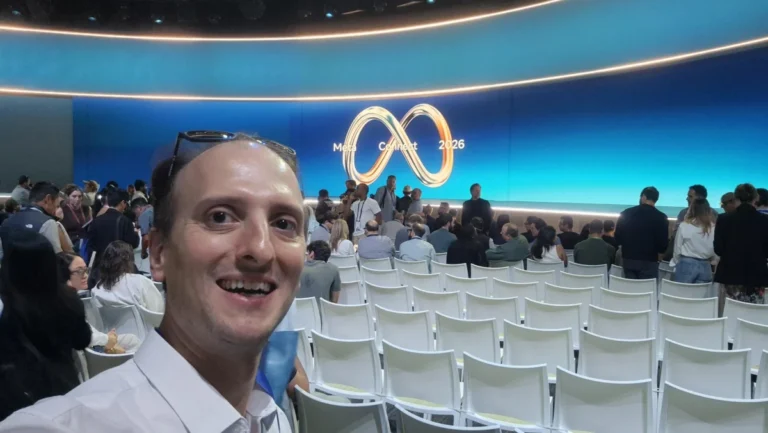
Meta Connect 2026 concluded its primary keynote address with a comprehensive strategy centered on the maturation of artificial intelligence and the diversification of wearable hardware. The event, held in Menlo Park, served as a platform for Meta to transition from a social media-centric entity into an "AI-native" hardware ecosystem. Throughout the presentation, Chief Executive Officer Mark Zuckerberg and Chief Technology Officer Andrew Bosworth detailed a roadmap that integrates the "Muse" AI assistant across all form factors, ranging from entry-level smartglasses to the high-performance Meta VR Glasses, formerly known under the codename "Phoenix."
The Strategic Shift to AI-Native Ecosystems
The central pillar of the 2026 keynote was the formal introduction of Muse AI, a personalized assistant designed to function as a ubiquitous digital companion. Unlike previous iterations of voice assistants, Muse AI is characterized by its deep customization capabilities. Users can tailor the assistant’s persona, vocal cadence, and visual representation. Meta’s technical demonstrations showcased the assistant’s ability to manage complex cross-app tasks, such as responding to professional correspondence, executing code updates, and facilitating e-commerce transactions through secure, end-to-end encrypted channels.
A significant software milestone announced was the development of an AI-native operating system for the company’s upcoming headsets. By building the OS around large language models (LLMs) from the ground up, Meta aims to reduce reliance on traditional menu-driven interfaces, favoring voice and gesture-based interaction. This shift aligns Meta with broader industry trends seen in competing platforms, positioning the Muse AI as the primary interface for the next generation of computing.

Hardware Portfolio Expansion: From Pendants to Flagships
Meta’s hardware announcements addressed a broad spectrum of price points and use cases, aiming to capture both the budget-conscious consumer and the high-end professional market.
The Muse Pendant and Entry-Level Wearables
In a move to lower the barrier to entry for AI adoption, Meta unveiled the Muse Pendant. This compact, screenless wearable serves as a dedicated portal for the Muse assistant. Scheduled for release prior to the 2026 holiday season, the device is positioned as a lifestyle accessory for users who desire AI utility without the visual weight of smartglasses.
Simultaneously, the company refreshed its standard smartglasses line. The new entry-level Meta Smartglasses now start at $249, a strategic price point intended to compete with traditional mid-range eyewear. These models focus on audio-visual capture and AI interaction, omitting heads-up displays to maintain a slim profile and lower cost.

Ray-Ban Meta Generation 3
The partnership with EssilorLuxottica continues to be a cornerstone of Meta’s hardware strategy. The Ray-Ban Meta Gen 3 collection was introduced with new frame styles, including the classic Aviator and the modern Zena. Technical upgrades in the Gen 3 models include Dolby Atmos sound capture for video recording and improved battery efficiency. Notably, Meta announced that the Ray-Ban Meta Display models, which feature a micro-LED heads-up display, will finally see a global rollout, expanding availability to European and Asian markets.
The Debut of Meta VR Glasses
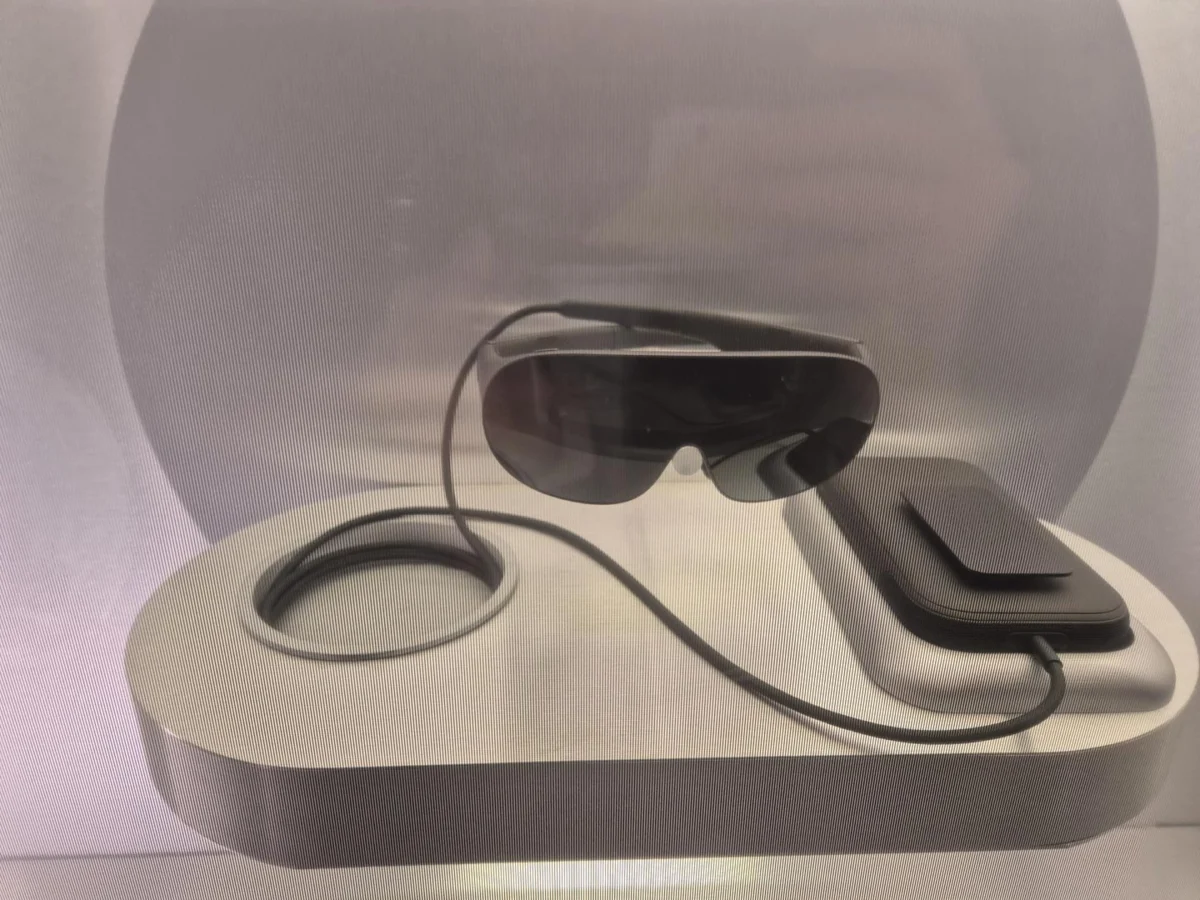
The most anticipated reveal was the Meta VR Glasses. Abandoning the bulky form factor of the Quest series, these glasses utilize a "puck" architecture, offloading computational tasks to a pocket-sized processing unit connected via a thin cable. This design allows the glasses to remain lightweight while delivering high-fidelity mixed reality (MR) and virtual reality (VR) experiences.
Key Technical Specifications:

- Price: $1,299
- Launch Window: Spring 2027
- Interaction: Advanced hand-tracking and eye-tracking, supporting "Vision Pro-style" pinch-and-scroll gestures.
- Content: Over 70 games optimized for hand-tracking, including "Beat Saber Flow."
- Social Presence: Integration of Codec Avatars, enabling photorealistic remote meetings.
While early press reactions noted a limited field of view (FoV) compared to full-sized headsets, the device was praised for its passthrough clarity and comfort. Industry analysts suggest the $1,299 price point targets "prosumers" and early adopters, serving as a bridge between the mass-market Quest series and the high-end spatial computing market.
Strategic Partnerships and Cultural Integration
In a departure from purely technical presentations, Meta emphasized cultural integration through a high-profile partnership with K-pop icon Lisa. The collaboration includes a signature line of smartglasses and custom digital pendants. This move is viewed as a strategic attempt to penetrate the youth demographic and the fashion-forward consumer market in Asia.
Data from the event’s social media engagement suggests that celebrity-backed hardware generates significantly higher initial consumer interest than traditional spec-heavy marketing. By leveraging Lisa’s global following, Meta aims to transition smartglasses from a niche tech gadget into a mainstream fashion accessory.

Accessibility and Privacy Innovations
Meta addressed long-standing concerns regarding data security and digital inclusion with two significant software updates.
Hearing Correction and Assistive Technology
The keynote highlighted a new suite of accessibility features designed for the hearing-impaired. Using the onboard microphone arrays of the Ray-Ban Meta glasses, the software can isolate and amplify speech in noisy environments, effectively acting as a smart hearing aid. This feature was met with positive reception from accessibility advocates, as it leverages consumer hardware to solve medical-grade challenges.
Encrypted AI Processing
Regarding privacy, Zuckerberg announced that specific AI processing tasks would utilize the same end-to-end encryption technology currently powering WhatsApp. This "Crypted Communication" protocol ensures that data exchanged between the user’s glasses and Meta’s servers remains inaccessible to third parties, including Meta’s own employees. This initiative is a clear effort to rebuild consumer trust as the company moves toward more invasive, data-hungry AI assistants.

Market Context and Financial Implications
The 2026 roadmap reflects internal data regarding consumer behavior. Chief Technology Officer Andrew Bosworth noted that sales of the premium Quest 3 remained competitive with the budget-oriented Quest 3S, indicating a market preference for superior visuals and comfort over the lowest possible price.
This insight explains the $1,299 positioning of the Meta VR Glasses. Meta is shifting its focus from subsidizing cheap hardware to capturing the premium segment of the market where margins are higher and users are more engaged with the ecosystem.
Conclusion: A Multi-Modal Future
Meta Connect 2026 demonstrated a clear vision: a future where the "Metaverse" is less about a single virtual destination and more about an augmented layer of reality facilitated by AI. By diversifying its hardware from $249 glasses to $1,299 spatial computers, Meta is attempting to own the entire "wearable" stack. The success of this strategy will depend on the real-world performance of Muse AI and the company’s ability to convince consumers that a tethered "puck" system is a viable alternative to standalone headsets. With the Meta VR Glasses slated for a Spring release, the upcoming year will be a critical test of Meta’s hardware-first pivot.
About the Author