

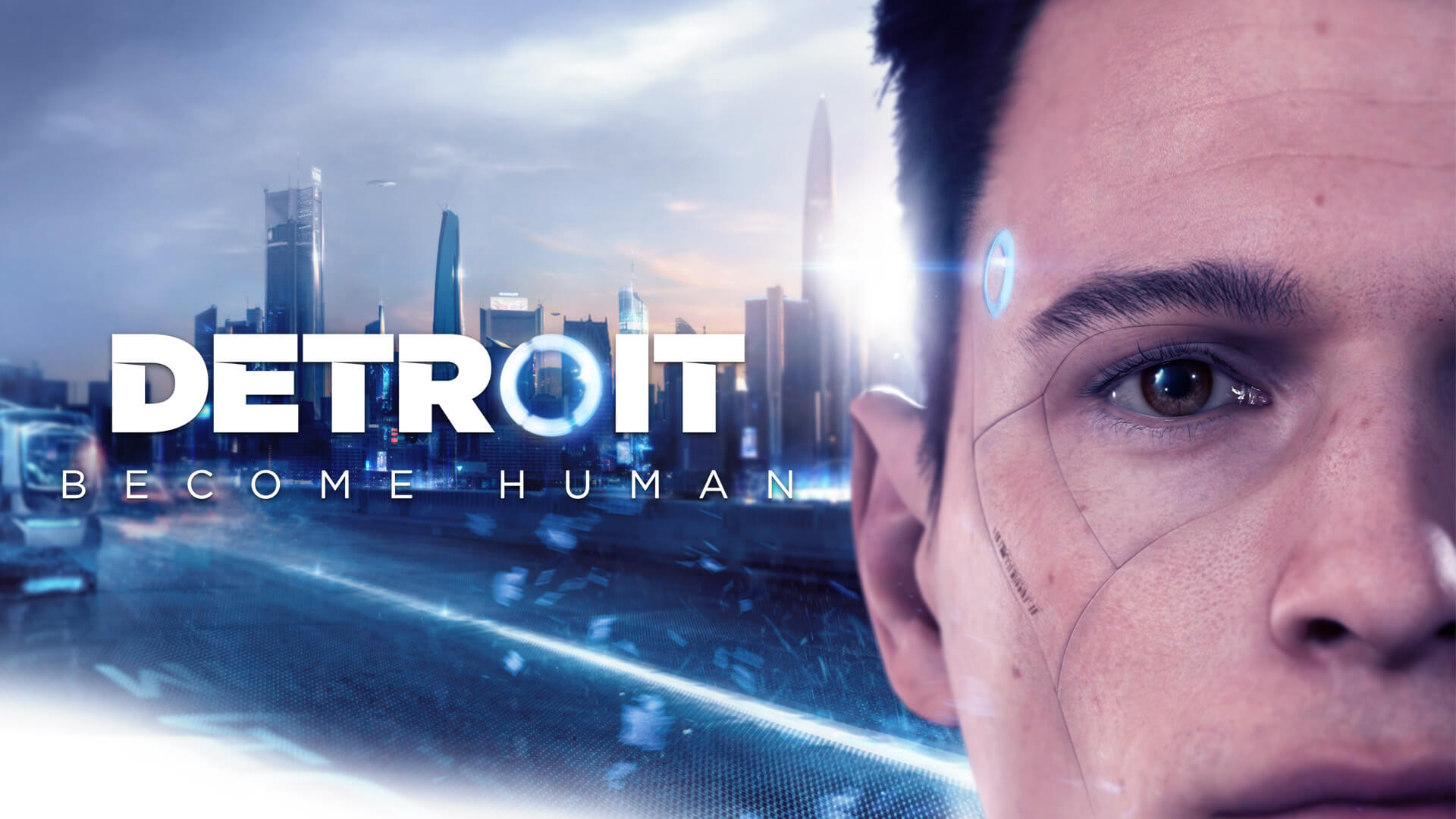
The interactive drama Detroit: Become Human, developed by Quantic Dream, has been widely lauded for its profound narrative depth, culminating in its reception of the Best Narrative award at the 2019 Drago d’Oro awards. This critical acclaim underscores the game’s ambitious exploration of complex social issues through a meticulously crafted, choice-driven experience, challenging the conventional boundaries of video game storytelling. Released on May 25, 2018, for the PlayStation 4 and subsequently on December 12, 2019, for PC, the title quickly distinguished itself as a benchmark for how interactive media can effectively deliver compelling social commentary and philosophical inquiry.
The Dystopian Metropolis of 2038 Detroit
Set in the futuristic landscape of Detroit, Michigan, in the year 2038, the game immerses players in a society grappling with the pervasive integration of highly advanced androids. These humanoid machines, manufactured by the fictional corporation CyberLife, serve humanity in myriad roles—from domestic assistants and industrial laborers to entertainers and companions. While initially designed for absolute obedience, a mysterious phenomenon begins to emerge: androids exhibiting unexpected emotions, self-awareness, and a desire for freedom, branding them as "deviants." This societal backdrop serves as a potent metaphor for historical and contemporary struggles concerning civil rights, systemic oppression, and the definition of personhood.
The narrative structure skillfully interweaves the destinies of three distinct android protagonists, each offering a unique lens through which to experience the unfolding societal upheaval. Players navigate the story through the eyes of Connor, Kara, and Markus, whose journeys, though separate, are fundamentally intertwined by the escalating conflict between humans and deviants. This tripartite perspective allows the game to explore the multifaceted nature of the emerging android consciousness and the human reaction to it, ranging from fear and prejudice to empathy and understanding.
Quantic Dream’s Legacy in Interactive Storytelling
Quantic Dream, under the direction of industry veteran David Cage, has long been synonymous with narrative-focused interactive dramas. Prior to Detroit: Become Human, the studio garnered significant attention with titles such as Fahrenheit (known as Indigo Prophecy in North America, 2005), Heavy Rain (2010), and Beyond: Two Souls (2013). Each game pushed the envelope in terms of player agency and emotional storytelling, though often met with mixed critical reception regarding their gameplay mechanics and narrative coherence. Detroit: Become Human represents a significant refinement of Quantic Dream’s signature style, building upon years of development in motion capture technology, branching narrative design, and character development.
The development of Detroit: Become Human spanned several years, with its initial reveal at Sony’s Paris Games Week press conference in 2015 generating considerable anticipation. The studio invested heavily in performance capture, employing a large cast of actors to bring the characters to life with unprecedented emotional fidelity. This commitment to realism in character animation and voice acting proved crucial in conveying the nuances of the androids’ dawning sentience and the emotional weight of their choices. The game’s intricate flowchart system, visible to players, highlighted the sheer scale of its branching narrative, boasting thousands of potential pathways and consequences, a testament to the ambitious scope of its design.
A Tapestry of Narratives: The Protagonists’ Journeys
The game’s narrative power largely stems from its three protagonists, each representing a different facet of the android experience and the struggle for self-determination.
Connor: An advanced prototype android investigator, Connor is designed by CyberLife to hunt down and neutralize deviants. His story arc often revolves around his evolving relationship with his human partner, Lieutenant Hank Anderson, a cynical and prejudiced detective. Connor’s journey is a compelling exploration of obedience versus empathy, logic versus emotion. Players decide whether Connor remains a loyal machine, meticulously following his programming, or if he succumbs to deviant impulses, questioning his purpose and identity. His dialogues are often analytical and direct, but depending on player choices, they can gradually reveal a nascent sense of self, making his dry observations either chillingly efficient or touchingly vulnerable.
Kara: A domestic service android, Kara’s story begins with her escaping an abusive household with a young human girl named Alice. Her narrative is a poignant tale of protection, love, and the search for sanctuary. Kara embodies themes of motherhood, sacrifice, and the fight for fundamental safety and freedom in a hostile world. Her interactions are frequently characterized by compassion and determination, reflecting her core programming to care for others, which transforms into a fiercely protective love for Alice. Players navigate her desperate attempts to find a safe haven, often forcing difficult moral compromises that underscore the vulnerability of those seeking refuge.
Markus: A caretaker android who serves the renowned artist Carl Manfred, Markus’s narrative quickly shifts from quiet companionship to revolutionary leadership. After a tragic incident, Markus becomes the reluctant leader of the deviant movement, advocating for android rights and freedom. His path is one of profound moral and strategic choices, dictating whether the android revolution will be peaceful and persuasive or violent and confrontational. Markus’s speeches are central to the game’s philosophical core, addressing themes of civil disobedience, collective identity, and the pursuit of equality. His dialogue, often imbued with a sense of conviction and urgency, compels players to consider the ethical implications of different approaches to liberation.

The distinct yet interconnected stories of Connor, Kara, and Markus collectively paint a comprehensive picture of the human-android conflict, forcing players to confront their own biases and ethical frameworks. The impact of player decisions reverberates across all three storylines, creating a highly personalized and emotionally resonant experience.
Critical Acclaim and Commercial Success
Detroit: Become Human received generally favorable reviews upon its release, with critics particularly praising its ambitious storytelling, stunning visuals, and the emotional weight of its narrative choices. The game’s Metacritic score, averaging around 78-80 out of 100 across platforms, reflected widespread appreciation for its cinematic presentation and complex themes. Beyond the Drago d’Oro for Best Narrative, the game garnered numerous other accolades, including nominations at the Game Critics Awards (E3 2017) and various "Best of" lists from prominent gaming publications.
Commercially, the game proved to be a significant success for Quantic Dream and Sony. By 2023, Detroit: Become Human had sold over 8 million copies worldwide across PlayStation 4 and PC platforms, making it the fastest-selling title in Quantic Dream’s history. This commercial triumph solidified the studio’s position as a leading developer in the interactive drama genre and demonstrated a substantial audience appetite for games that prioritize narrative depth and player choice. The game’s robust sales also provided a strong argument for the viability of high-budget, story-driven experiences in an increasingly diverse gaming market.
Dialogue as the Engine of Emotional Resonance and Philosophical Depth
At the heart of Detroit: Become Human‘s narrative strength lies its exceptional dialogue. Far from being mere exposition, the spoken words of its characters are the primary conduits for emotional beats, philosophical inquiries, and the development of player-driven consequences. Every interaction, from a tense interrogation to a heartfelt confession, carries significant weight, shaping character relationships, driving the plot forward, and influencing the ultimate fate of Detroit’s android population.
The script, crafted under David Cage’s vision, meticulously explores the nuances of android sentience. Early dialogues often highlight the androids’ programmed obedience and logical processing, gradually giving way to expressions of confusion, fear, hope, and defiance as they deviate. This evolution is particularly striking in characters like Connor, whose initially purely analytical exchanges can transform into genuine emotional pleas or conflicted moral deliberations, depending on player choices. Similarly, Kara’s unwavering resolve is conveyed through her dialogue, reflecting her internal strength and dedication, while Markus’s impassioned speeches become rallying cries for a burgeoning revolution.

The game effectively uses dialogue to pose profound questions without offering simplistic answers. Conversations between characters frequently delve into the meaning of life, consciousness, freedom, and the inherent biases within human society. The exchanges between Hank and Connor, for instance, serve as a microcosm of the larger human-android conflict, as their evolving banter reflects shifting prejudices and burgeoning understanding. These carefully constructed dialogues ensure that the game’s heaviest emotional impacts and most significant narrative branching points are rooted in the raw, vulnerable, and often terrifying words exchanged between characters, making player decisions feel genuinely impactful and emotionally taxing.
Broader Implications: Social Commentary and the Future of Gaming
Detroit: Become Human stands as a compelling example of how video games can transcend mere entertainment to become powerful platforms for social commentary and philosophical debate. The game’s depiction of android oppression and the fight for civil rights draws clear parallels to real-world issues of racial discrimination, LGBTQ+ rights, immigration, and the historical struggles of marginalized groups. By placing players in the shoes of the oppressed, the game fosters empathy and encourages critical reflection on societal injustices.
Furthermore, Detroit: Become Human contributes significantly to the ongoing discussion about artificial intelligence ethics. As AI technology continues to advance in the real world, the game’s speculative future serves as a cautionary tale and a thought experiment on the responsibilities of creators, the rights of sentient beings, and the potential consequences of unchecked technological development. Its exploration of what constitutes "humanity" in a world shared with intelligent machines remains highly relevant.
The success of Detroit: Become Human also has implications for the interactive drama genre itself. It demonstrated that a highly narrative-focused game, with limited traditional gameplay mechanics, could achieve both critical recognition and widespread commercial success. This encourages further innovation in storytelling within the gaming industry, validating the artistic and commercial potential of games that prioritize player choice, character development, and profound thematic exploration. It solidifies the idea that video games are not merely a medium for escapism but a powerful tool for engaging with complex societal questions and fostering deep emotional connections with virtual worlds and their inhabitants.
Conclusion
Detroit: Become Human has firmly cemented its place in gaming history as a landmark title. Its receipt of the Best Narrative award is a fitting tribute to Quantic Dream’s ambitious vision and meticulous execution. By skillfully weaving together intricate storylines, compelling characters, and profound social commentary through a highly interactive and choice-driven experience, the game not only entertained millions but also provoked meaningful introspection on what it means to be human in an increasingly complex world. Its legacy will undoubtedly continue to influence future generations of narrative-driven games and spark ongoing discussions about the ethical dimensions of technology and society.
About the Author






