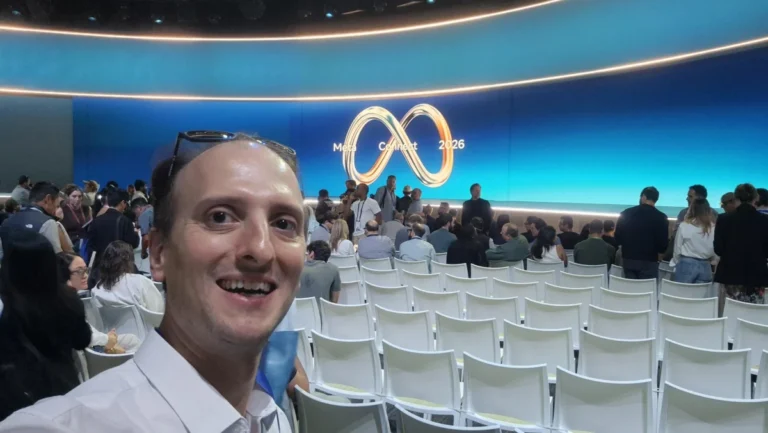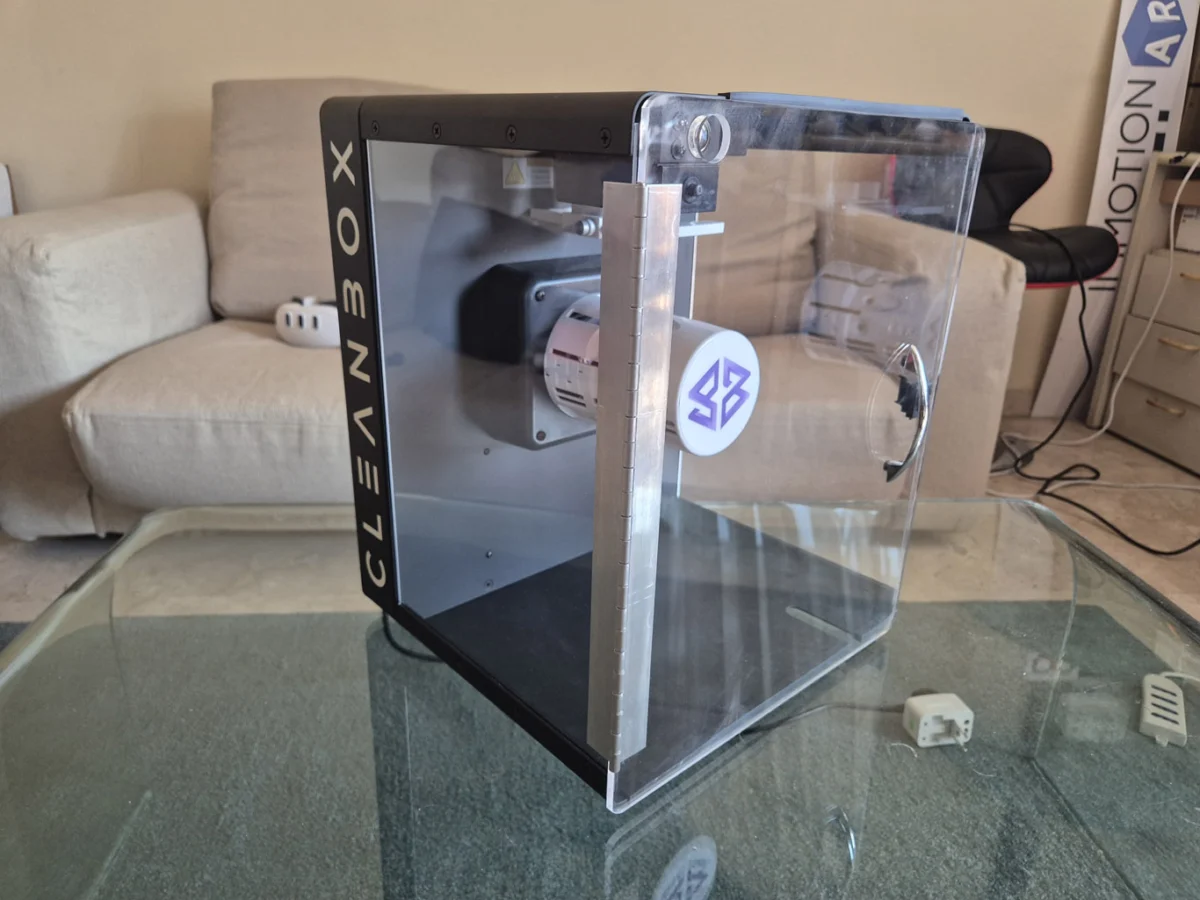
Cleanbox Technology, a prominent provider of medical-grade sanitization solutions for Extended Reality (XR) hardware, has announced the expansion of its product line with two new portable units: the Cleanbox Mini and the Cleanbox Nano. These devices, unveiled during the Meta Connect conference, represent a strategic shift for the company as it seeks to address the needs of mobile professionals, enterprise trainers, and the burgeoning smartglasses market. By utilizing proprietary UVC LED technology, these new models aim to provide high-level disinfection in more compact, travel-friendly form factors than previous industrial-scale solutions.

The Evolution of Hygiene in the XR Industry
The demand for specialized sanitization in the XR space emerged alongside the rise of Location-Based Virtual Reality (LBVR) and enterprise training programs. In these environments, high-end headsets are frequently shared between multiple users, creating a significant vector for the transmission of bacteria and viruses, including staphylococcus, rhinovirus, and various influenza strains. Traditional cleaning methods, such as alcohol wipes, have often proven insufficient, as they can damage sensitive optical lenses and fail to reach the porous surfaces of facial interfaces.
Cleanbox established its market presence with the CX1, a robust, high-throughput unit designed for permanent installations such as theme parks, healthcare facilities, and large-scale corporate training centers. However, as XR hardware has become more portable—typified by standalone devices like the Meta Quest series—there has been a growing requirement for sanitization hardware that can be easily transported to client sites, trade show booths, and remote offices.

Cleanbox Mini: Portable Sanitization for Standalone VR
The Cleanbox Mini is engineered specifically for the modern XR professional who requires a mobile hygiene solution without sacrificing the efficacy of industrial-grade equipment. Designed to accommodate a single standalone headset and its accompanying controllers, the Mini mirrors the footprint of a standard VR carrying case, making it small enough to fit inside a backpack or carry-on luggage.
Technical specifications for the Cleanbox Mini include:

- Dimensions: 13.5” x 10.5” x 7” (34.3 cm x 26.7 cm x 17.8 cm)
- Weight: Approximately 3.5 lbs (1.6 kg)
- Cycle Time: 60 seconds
- Capacity: One HMD (Head-Mounted Display) and two controllers
- Power Source: External wall plug (110V-240V compatible)
- Sanitization Method: High-intensity UVC LED
Priced at $799, the Mini is positioned as a mid-tier solution. While the flagship CX1 remains the preferred choice for high-volume environments—capable of processing over 50 headsets per hour and offering integrated USB charging—the Mini serves the "prosumer" and small-to-medium enterprise (SME) markets. It provides a more accessible entry point for independent developers and sales teams who must maintain hygiene standards during off-site demonstrations. Pre-orders for the device are currently open, with shipping scheduled to commence in the first quarter of 2027.
Cleanbox Nano: Addressing the Smartglasses and Wearables Market
The most significant departure from traditional VR sanitization is the Cleanbox Nano. This ultra-portable device was developed in response to the rapid acceleration of the smartglasses market, exemplified by products such as the Ray-Ban Meta glasses and various augmented reality (AR) frames used in industrial and logistics sectors.

The Nano is small enough to be carried in a handbag or briefcase, yet it maintains the same 99.999% disinfection efficacy as its larger counterparts. Recognizing that smartglasses are often part of a broader ecosystem of wearables, Cleanbox has designed the interior of the Nano to include specialized holders for smart rings and smartwatches. This allows for the simultaneous sanitization of a complete "wearable suite" in a single 60-second cycle.
Technical specifications for the Cleanbox Nano include:

- Dimensions: 9” x 5” x 2.5” (22.8 cm x 12.7 cm x 6.3 cm)
- Power Source: Integrated rechargeable battery and wall plug
- Battery Life: Minimum of 20 sanitization cycles per charge
- Target Hardware: Smartglasses, AR frames, smartwatches, and rings
The inclusion of an internal battery is a critical feature for the Nano, allowing users to sanitize equipment in environments where power outlets may be unavailable, such as retail floors or outdoor field-testing sites. The Cleanbox Nano is priced at $399, with a projected shipping date in Q1 2027.
A Chronology of Product Development
The announcement of the Mini and Nano marks a third generation of product development for Cleanbox. The company’s timeline reflects the broader maturation of the XR industry:

- 2018-2020: Focus on the CX series (CX1, CX2, CX4) to support the growth of LBVR and permanent enterprise installations.
- 2021-2023: Introduction of the CleanDefense and specialized units for healthcare, emphasizing the elimination of COVID-19 and other healthcare-associated infections (HAIs).
- 2024-Present: Pivot toward "Spatial Computing" portability, aligning with the industry trend of lighter, more ubiquitous hardware that moves between home, office, and public spaces.
CEO Amy Hedrick has emphasized that as hardware becomes more integrated into daily life, the "friction" of sanitization must be reduced. The Mini and Nano represent the company’s attempt to make hygiene a seamless part of the user experience rather than a logistical hurdle.
Technical Analysis of UVC Disinfection
Cleanbox utilizes UVC light in the 260nm to 280nm range, which is the germicidal spectrum proven to deactivate the DNA and RNA of pathogens. Unlike chemical sprays, UVC light is a dry process, which is vital for maintaining the integrity of electronic components and optical coatings found in XR devices.

The efficacy of these devices is largely dependent on the "shadowing" effect—the risk that certain parts of the hardware may block the light from reaching contaminated surfaces. To mitigate this, Cleanbox designs its units with reflective interiors and strategic LED placement to ensure 360-degree coverage. Independent laboratory testing has historically validated that Cleanbox products achieve a 5-log reduction (99.999%) in common pathogens within one minute.
Market Implications and Enterprise Adoption
The introduction of lower-cost, portable units is expected to influence how XR is deployed at trade shows and public exhibitions. Historically, hygiene at these events has been inconsistent, often relying on non-medical grade solutions or simple cosmetic cleaning. As enterprise clients become more risk-averse regarding workplace safety and employee health, the availability of standardized, portable sanitization could become a prerequisite for event participation.

Furthermore, the $399 and $799 price points lower the barrier for educational institutions and non-profit organizations. These sectors frequently utilize VR for training and empathy-building exercises but have often been priced out of industrial-grade sanitization equipment.
Future Outlook for XR Hygiene
As the XR industry moves toward the "Orion" era of true AR glasses and high-fidelity spatial computing, the proximity of these devices to the user’s face and eyes remains a primary concern for health safety. The development of the Cleanbox Nano, in particular, suggests that the industry is preparing for a future where smartglasses are as common as smartphones.

While the 2027 shipping date for the Mini and Nano indicates a long development and certification runway, the early announcement serves to signal Cleanbox’s commitment to the evolving hardware landscape. Industry analysts suggest that as more companies enter the XR space, the ancillary market for maintenance and hygiene will continue to expand, with portability becoming the key differentiator for successful products. By diversifying its portfolio, Cleanbox is positioning itself to remain the dominant infrastructure provider for XR hygiene, regardless of whether the hardware is a bulky VR headset or a pair of lightweight AR frames.
About the Author