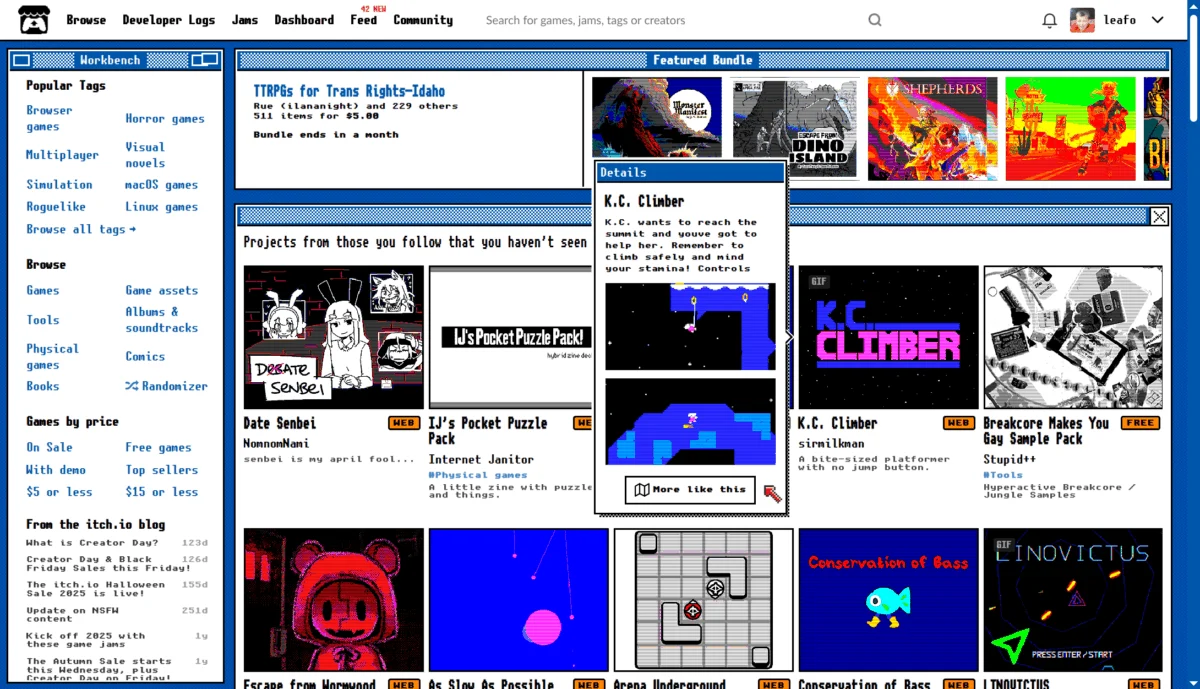
The whimsical "Ameyega mode," itch.io’s distinctive April Fools’ Day activation, has officially concluded, marking the end of a brief yet impactful period where the popular indie game marketplace embraced a retro, ASCII-art aesthetic. Originally launched on April 1st, the experimental homepage transformation, which paid homage to classic computing interfaces, ran for an extended duration, much to the varied delight and occasional consternation of its global user base. While the default, modern interface has been restored, itch.io has graciously preserved a temporary portal for logged-in users to revisit the nostalgic experience at https://itch.io/?ameyega, a testament to the event’s memorable nature and the platform’s responsive engagement with its community.
Background and Context: The Essence of itch.io
To fully appreciate the "Ameyega mode" phenomenon, it is essential to understand the ethos of itch.io itself. Launched in 2013, itch.io has rapidly grown into a cornerstone of the independent game development scene, distinguishing itself from larger digital storefronts through its creator-centric approach, flexible revenue sharing models, and strong emphasis on community. Unlike more curated platforms, itch.io champions experimental games, game jams, and a diverse range of digital content, fostering an environment where innovation and artistic expression often take precedence over commercial viability. This foundational philosophy—one that encourages experimentation, embraces the niche, and prioritizes direct engagement between creators and players—provides the perfect backdrop for a playful, self-aware initiative like "Ameyega mode." The platform has cultivated a reputation for being quirky, approachable, and deeply connected to the indie spirit, making it an ideal candidate for such an unconventional and temporary user interface overhaul. Its commitment to empowering creators also extends to fostering a unique user experience, often marked by a degree of flexibility and responsiveness rarely seen in mainstream digital services. This agility allows itch.io to implement such temporary, community-focused events that resonate deeply with its user base, many of whom are themselves creators who appreciate creative risks and distinctive aesthetics.
Unveiling Ameyega Mode: A Dive into Digital Nostalgia
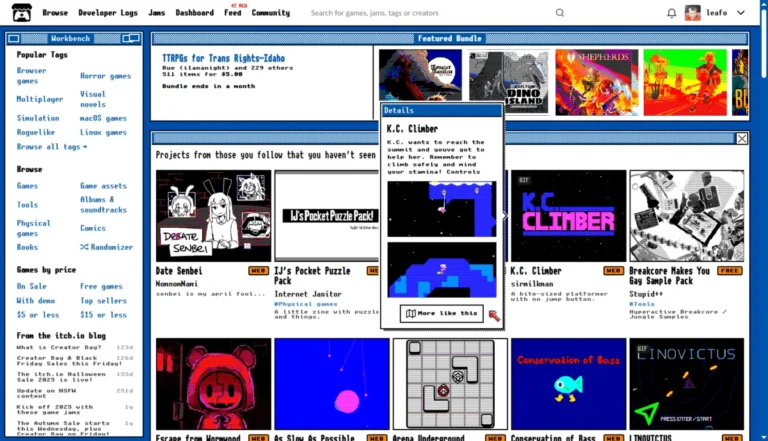
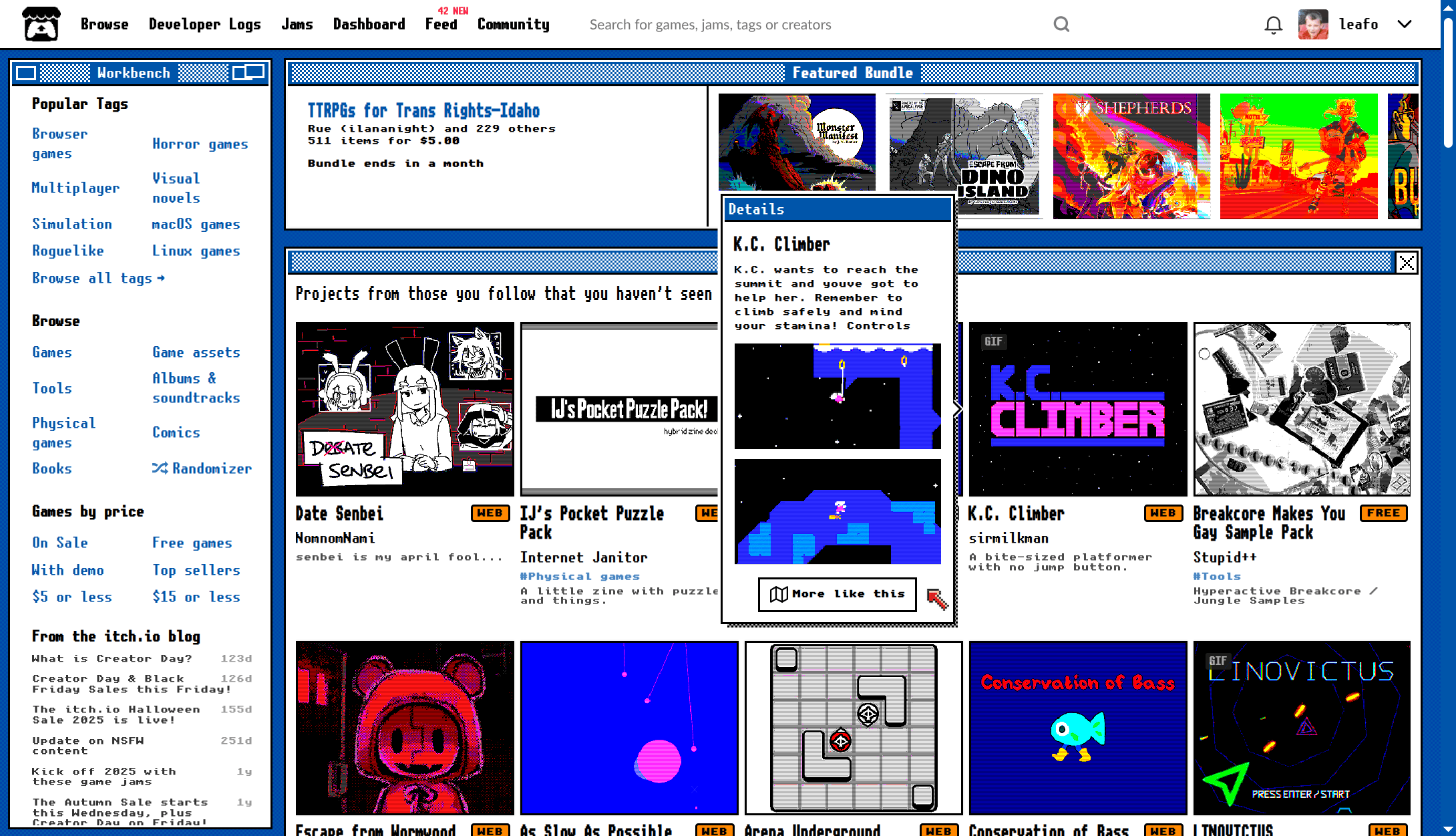
"Ameyega mode" was not merely a cosmetic change; it represented a profound, albeit temporary, reinterpretation of the itch.io homepage. Upon activation, the sleek, contemporary design of the website was replaced by a stark, pixelated landscape rendered predominantly in ASCII characters. The name "Ameyega" itself is a clever portmanteau, overtly referencing the Commodore Amiga, a series of home computers popular in the 1980s and early 1990s, renowned for their advanced graphics and sound capabilities for their time, and a cultural touchstone for many retro gaming enthusiasts. This nod to the Amiga era immediately signaled the prank’s intent: to evoke a powerful sense of nostalgia for an earlier epoch of personal computing and digital interaction.
The visual transformation was comprehensive, affecting fonts, layout, and even graphical elements, which were painstakingly converted into intricate patterns of text characters. The result was a homepage that appeared as if it had been rendered on an antiquated CRT monitor, replete with chunky pixels and a limited color palette. A key inspiration for this distinctive aesthetic was explicitly credited to http://viznut.fi/unscii/, a project by Viznut (also known as Aleksi Eeben), which provides a versatile font designed to render modern text in a classic, blocky, and often monospace style, reminiscent of early computer terminals and demoscene productions. The unscii font family is specifically designed to maximize readability while maintaining a retro character, making it a perfect fit for a project aiming to blend functionality with a strong vintage appeal.
Technically, the implementation likely involved dynamic CSS (Cascading Style Sheets) manipulation and perhaps JavaScript to re-render elements or substitute modern graphical assets with their ASCII equivalents. This process would have required careful consideration to ensure that, despite the radical aesthetic shift, the core functionality of the website—browsing games, accessing developer pages, and navigating categories—remained largely intact, albeit presented through a drastically different lens. The goal was to create an immersive, albeit temporary, experience that transported users back to an earlier, more rudimentary stage of digital interaction, celebrating the foundational aesthetics that predated the high-fidelity graphics of today. It was a digital archeological dig, bringing the past to the present for a fleeting moment.
Chronology of a Digital Prank
The inception of Ameyega mode, like many April Fools’ initiatives, would have involved a period of conceptualization and development, likely spanning weeks or even months prior to its intended launch. The choice of an ASCII-art theme was a deliberate one, tapping into a rich vein of internet culture and retro computing enthusiasm.
- Pre-April 1st Planning: The itch.io team would have meticulously designed and coded the Ameyega mode, ensuring it was robust enough to function across various browsers and devices, while still delivering its intended visual impact. This involved converting existing UI elements, selecting appropriate fonts (like those from
unscii), and testing for usability issues that might arise from such a drastic visual change. - April 1st Launch: The "Ameyega mode" officially debuted on April 1st, 2024. However, as noted by itch.io in their announcement, its deployment was "late." This slight delay, perhaps due to last-minute adjustments or unforeseen technical challenges, meant that the prank extended beyond the typical 24-hour window of April Fools’ Day. This extension inadvertently prolonged the community’s engagement with the new interface, allowing more users to experience it and contribute to the ongoing discussion.
- Extended Availability: Following the initial April Fools’ Day, itch.io made the conscious decision to keep Ameyega mode active for a longer period. This decision, attributed to the late rollout, was also likely influenced by the immediate and diverse user reactions. By extending its run, itch.io allowed the prank to mature into a more prolonged community event, giving users more time to explore, critique, and even grow fond of the retro aesthetic.
- Conclusion of the Event: The official announcement declaring the end of Ameyega mode confirmed its temporary nature. While the main homepage reverted to its standard design, itch.io demonstrated its user-centric approach by providing a persistent URL (
https://itch.io/?ameyega) for logged-in users to revisit the mode. This act served as a thoughtful acknowledgment of the positive feedback and the desire among some users to retain access to the unique interface, albeit as an optional, hidden feature. This temporary access is promised to remain available until "substantial changes to the homepage" are made in the future, providing a limited-time archival experience. - Post-Event Technical Adjustments: During its active period, some users reported issues with Dark Mode functionality conflicting with Ameyega mode. Itch.io’s prompt attention to these reports and subsequent fixes, as noted by users in the comments section, underscored the platform’s commitment to user experience, even amidst playful experimentation. This quick response helped mitigate potential frustration and demonstrated a proactive approach to technical support.
Community Reactions: A Spectrum of Sentiment
The introduction and eventual conclusion of Ameyega mode ignited a vibrant and often polarized discussion within the itch.io community. User reactions, as evidenced by comments on the official announcement, spanned a broad spectrum from enthusiastic adoration to frustrated disapproval, offering valuable insights into user preferences and the challenges of interface design.
On one end of the spectrum were those who embraced the retro aesthetic with open arms. Many users lauded "Ameyega mode" as a "delightful throwback," praising its creativity and the strong sense of nostalgia it invoked. Comments like "The ASCII art homepage was a delightful throwback – it actually made browsing feel nostalgic and charming. Kudos to the team for the creativity, and props for keeping it available a little longer. Would love to see it return as an optional theme someday!" encapsulated this sentiment. Some users even found the ASCII art style "SO much easier to read," suggesting potential, albeit unintended, accessibility benefits for certain visual processing styles, and expressed a strong desire for it to become a permanent, optional theme. The playful nature of the prank resonated with many, who appreciated itch.io’s unique brand of humor and its willingness to experiment with its user interface. For this segment of the community, Ameyega mode reinforced itch.io’s identity as a platform that doesn’t take itself too seriously, yet delivers compelling, memorable experiences.
Conversely, a significant portion of the user base found the "Ameyega mode" to be disruptive, difficult to navigate, and even visually uncomfortable. Complaints ranged from general aesthetic dislike ("I would like for itch.io to change to it permanently. I was sad to find out it was a joke.") to more severe usability concerns. Users described the interface as a "pixellated mess," "so hard to navigate," and even "hurting my eyes." Accessibility issues were a prominent concern, with one user stating, "Oh so cool, i’m disabled and I CAN’T WATCH THIS! How do you get this crap off?!" highlighting that what might be nostalgic fun for some could be a genuine barrier for others.
A recurring technical issue revolved around the incompatibility with "Dark mode," a popular feature for reducing eye strain. Multiple users reported that Dark mode ceased to function correctly on the front page while Ameyega mode was active, leading to jarring visual experiences and further frustration. "it’s over but dark mode is not working now…" and "Because you messed up, Dark mode and I can’t get it to work" were common refrains. However, it’s worth noting that itch.io was responsive to these technical complaints. One user updated their comment, stating, "four hours after posting this, the front page is showing Dark mode correctly. Apparently they’re paying attention!" This swift resolution demonstrated the platform’s commitment to addressing user issues promptly, even during a lighthearted event.
The varied reactions underscore the inherent challenge of making widespread interface changes, even temporary ones. What one user perceives as charmingly retro, another finds functionally impairing. This feedback loop, however, is invaluable, providing itch.io with direct insights into its community’s diverse needs and preferences.
The Broader Implications: Engagement, Brand, and Accessibility
The "Ameyega mode" event, while ostensibly a simple April Fools’ prank, carries several broader implications for itch.io, its community, and the wider digital platform landscape.
Firstly, it significantly reinforced itch.io’s unique brand identity. In an era dominated by sleek, standardized, and often indistinguishable digital storefronts, itch.io consistently differentiates itself through its embrace of the unconventional. "Ameyega mode" served as a powerful, albeit temporary, visual manifestation of this brand, highlighting the platform’s commitment to creativity, experimentation, and a playful disregard for corporate conformity. This kind of initiative fosters a stronger emotional connection with users who appreciate authenticity and a platform that doesn’t shy away from being distinct. It transforms a functional website into a memorable experience, cementing its place in the minds of its users.
Secondly, the event proved to be an exceptionally effective community engagement tool. Despite the polarized reactions, the mode generated substantial discussion, debate, and interaction among users. This dialogue, whether positive or negative, demonstrated a high level of user investment in the platform. The ability of itch.io to spark such conversations around a temporary UI change speaks volumes about the vibrancy and active participation of its community. It also provided a shared experience, however fleeting, that many users will recall and discuss. Such events are crucial for fostering a sense of belonging and collective identity within an online community.
Thirdly, and perhaps most importantly, "Ameyega mode" provided valuable, real-world data and lessons regarding user interface design and accessibility. The strong negative feedback concerning readability, navigation difficulties, and Dark Mode incompatibility highlighted critical areas for consideration in any future UI changes. While the intent was humor, the outcome underscored the diverse needs of a large user base, including those with visual impairments or specific cognitive processing styles. This experience can inform itch.io’s ongoing design principles, pushing for greater inclusivity and ensuring that even experimental features are developed with a broad spectrum of users in mind. The rapid response to fix the Dark Mode issue demonstrates that itch.io is capable of learning and adapting quickly to user feedback, even in the midst of a lighthearted prank. The explicit requests for an "optional theme" version of Ameyega mode also signal a strong user desire for customization options, which could be a future development area for the platform.
Moreover, the phenomenon of April Fools’ Day pranks in the tech and gaming industries is a well-established tradition, often serving as a low-stakes opportunity for companies to engage their audience, showcase their creativity, and even test novel concepts. From Google’s various playful alterations to Blizzard’s elaborate fake game announcements, these annual rituals serve to humanize brands and demonstrate a lighter side. Itch.io’s "Ameyega mode" fits perfectly within this tradition, demonstrating its place among the innovative and community-minded players in the digital realm.
In conclusion, "Ameyega mode" on itch.io transcended a mere April Fools’ Day joke to become a significant, albeit temporary, event in the platform’s history. It served as a powerful expression of itch.io’s unique brand identity, fostered extensive community engagement, and provided crucial insights into user experience and accessibility. While the retro aesthetic has now receded from the default homepage, its legacy endures in the discussions it sparked, the nostalgia it evoked, and the valuable lessons it offered for future digital design. The provision of a temporary access link ensures that the spirit of Ameyega, a blend of digital nostalgia and playful experimentation, will remain accessible to those who wish to revisit this memorable chapter in itch.io’s ongoing evolution.
About the Author