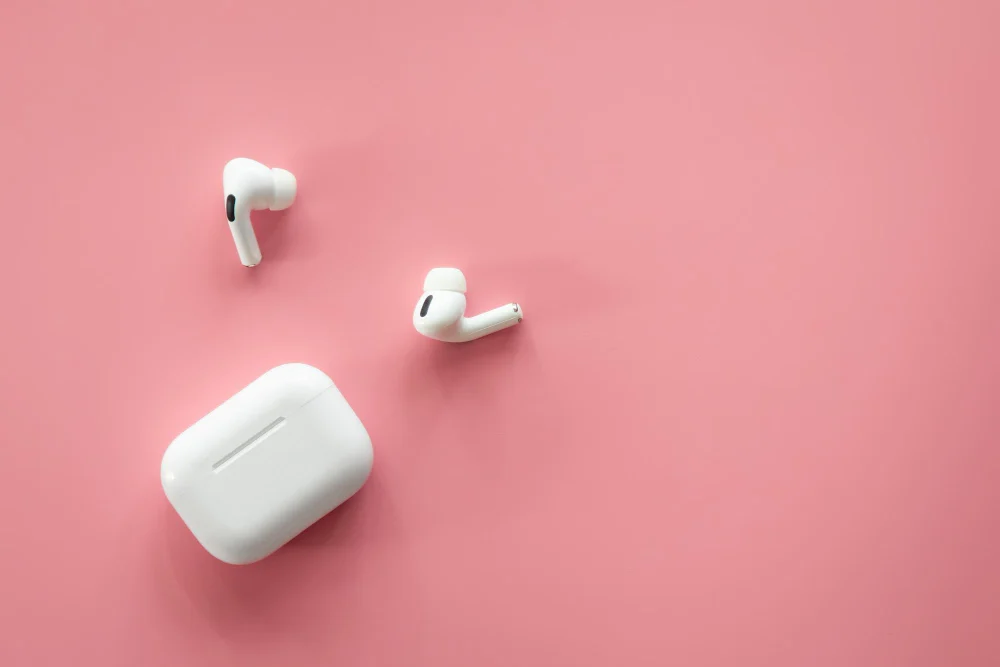
Wireless audio has transcended a mere convenience to become an indispensable component of contemporary daily life, fundamentally reshaping how individuals interact with media, communication, and their immediate environment. From the bustling morning commute soundtracked by a personalized playlist to the immersive experience of a home entertainment system, the seamless transition to untethered sound has propelled compact audio devices, particularly true wireless earbuds, into a position of paramount popularity. This pervasive shift underscores a collective consumer demand for products that harmoniously blend cutting-edge convenience, uncompromised sound fidelity, and an ergonomic fit suitable for prolonged wear.
The ascendancy of true wireless earbuds represents a significant evolution in personal audio technology. Unlike their wired predecessors or even early generations of neckband-style wireless earphones, true wireless earbuds operate entirely free of physical connections between the two earpieces and the source device. This groundbreaking cable-free design liberates users from the tangles and restrictions that once characterized portable audio, affording an unprecedented degree of freedom of movement. This design paradigm has proven exceptionally versatile, catering to a diverse spectrum of routines, from the casual listener enjoying a podcast during a leisurely walk to the dedicated athlete engaged in strenuous exercise, and the frequent traveler seeking an escape from ambient noise.
The Evolution of Personal Audio: From Wires to Wireless Freedom
The journey to true wireless earbuds is a testament to continuous innovation in audio technology, driven largely by consumer demand for greater portability and the progressive miniaturization of electronics. For decades, personal audio was synonymous with wired headphones, which, despite offering reliable connections and often superior audio quality for their time, presented inherent limitations. Cables were prone to tangling, snagging, and eventual wear and tear, restricting user mobility and often contributing to workspace clutter.
The advent of Bluetooth technology in the late 1990s marked the initial step towards wireless liberation. Early Bluetooth headphones, while revolutionary, were often bulky, suffered from inconsistent connectivity, and had limited battery life. Over the subsequent two decades, significant advancements in Bluetooth standards—from version 2.0 to the current 5.0 and beyond, including LE Audio—dramatically improved data transfer rates, connection stability, energy efficiency, and range. These improvements paved the way for more compact wireless designs, initially in the form of neckband or over-ear headphones, which still retained a physical connection between the two earpieces.
The true breakthrough arrived with the introduction of the first truly wireless earbuds. While early pioneers like Bragi’s Dash concept in 2014 demonstrated the potential, it was arguably Apple’s launch of the AirPods in late 2016 that truly catalyzed the mass market adoption of the category. The AirPods, with their seamless integration into the Apple ecosystem, intuitive charging case, and minimalist design, demonstrated the immense appeal of a completely wire-free audio experience. This pivotal moment sparked a wave of innovation across the audio industry, with numerous manufacturers rapidly developing their own true wireless offerings, each vying to differentiate through features, sound quality, and price point. The removal of the 3.5mm headphone jack from many smartphones further accelerated this transition, pushing consumers towards wireless alternatives.
Market Dynamics and Global Adoption
The true wireless earbud market has witnessed explosive growth over the past half-decade, transforming from a niche product category into a dominant force in consumer electronics. According to various market research firms, the global true wireless earbud market was valued at approximately USD 20-30 billion in 2022 and is projected to reach USD 70-100 billion by 2030, exhibiting a compound annual growth rate (CAGR) often exceeding 15-20% during this forecast period. This robust expansion is fueled by several key factors: increasing smartphone penetration, a growing preference for portable and smart devices, continuous technological advancements, and aggressive marketing strategies by key players.
Geographically, North America, Europe, and Asia-Pacific represent the largest markets, with the latter showing the fastest growth due to rising disposable incomes and a large tech-savvy population. Consumer demographics span a wide range, from Gen Z and millennials who are early adopters of new technologies and heavy users of streaming services, to older generations appreciating the convenience for calls and casual listening. The competitive landscape is vibrant, featuring established audio giants like Sony, Sennheiser, and Bose, alongside tech behemoths such as Apple, Samsung, and Google, and a burgeoning number of fast-growing brands offering compelling budget-friendly options. This intense competition has driven down prices while simultaneously pushing the boundaries of feature sets, making true wireless technology accessible to a broader consumer base.
The Pillars of True Wireless Appeal: Portability, Freedom, and Comfort
One of the most compelling attributes of true wireless earbuds is their unparalleled compactness and portability. Traditional over-ear headphones, while offering superior sound isolation and often larger drivers, are inherently bulky, occupying significant space in a bag or backpack. Wired earphones, while smaller, invariably lead to tangled cables, a perennial frustration for users. True wireless earbuds, conversely, are designed for ultimate minimalism. Each earbud is small enough to fit snugly within the ear canal, and when not in use, they reside within a purpose-built charging case. This case is typically pocket-sized, making it effortlessly easy to carry throughout the day, whether transitioning between work, commute, and leisure activities. The ability to discretely store and transport audio without added bulk or cable management hassles is a significant convenience for the modern, mobile individual.
The freedom from wires is arguably the most transformative aspect of this technology. The absence of a physical tether between the earbuds and the audio source eliminates the common annoyances of cords snagging on clothing, catching on furniture, or getting tangled with other belongings. This liberation is particularly beneficial during dynamic activities such as exercise, where unhindered movement is crucial. Runners, gym-goers, and cyclists can move with complete agility, free from the distraction or potential hazard of a dangling cable. Similarly, for individuals engaged in household chores or manual tasks, the ability to listen to audio or take calls without physical restriction significantly enhances convenience and safety. Even in a static desk environment, the absence of a cable stretching across the workspace contributes to a cleaner, more organized aesthetic and prevents accidental dislodging of devices.
Comfort and Ergonomics are foundational to the user experience, often overshadowing even sound quality for long-term satisfaction. While impressive audio specifications may initially draw attention, an ill-fitting earbud can quickly lead to discomfort, fatigue, or the constant need for readjustment, severely detracting from the listening experience. Manufacturers invest heavily in ergonomic design, producing earbuds in a myriad of shapes and sizes, often accompanied by a selection of interchangeable ear tips made from silicone, foam, or other materials. The goal is to achieve a secure yet gentle fit that remains stable during movement while distributing pressure evenly. A lightweight design further enhances comfort, making earbuds feel almost imperceptible even during extended listening sessions, which is crucial for commuters, remote workers, and anyone using them for several hours a day. For fitness enthusiasts, a secure and comfortable fit is paramount, ensuring the earbuds stay in place during high-impact activities, preventing interruptions and maintaining focus.
Technological Advancements Enhancing the User Experience
Beyond the core benefits of portability and freedom, true wireless earbuds have become a showcase for advanced audio technologies that significantly elevate the user experience.
Sound Quality and Audio Fidelity: While early true wireless models sometimes compromised on sound quality due to size constraints and Bluetooth bandwidth limitations, modern iterations have largely overcome these hurdles. Advances in driver technology, including micro-dynamic drivers and multi-driver balanced armature setups, now deliver rich, detailed, and balanced audio profiles. Furthermore, the adoption of advanced Bluetooth audio codecs like Qualcomm’s aptX Adaptive, Sony’s LDAC, and Apple’s AAC (in addition to the standard SBC) allows for higher-resolution audio transmission, bringing wireless sound closer to wired performance. These codecs dynamically adjust bitrates to optimize for both sound quality and connection stability, ensuring a premium listening experience across various content types, from bass-heavy music to crystal-clear podcasts and immersive film soundtracks.
Active Noise Cancellation (ANC) and Ambient Sound Modes: Once a premium feature reserved for high-end over-ear headphones, Active Noise Cancellation (ANC) has become increasingly prevalent in true wireless earbuds. ANC technology uses microphones to detect external low-frequency noise and then generates an anti-noise signal to effectively cancel it out, providing users with a tranquil listening environment even in noisy settings like airplanes, public transport, or bustling offices. This feature is invaluable for focus, relaxation, and clearer audio perception. Complementing ANC, many earbuds also incorporate "Transparency" or "Ambient Sound" modes. These modes use external microphones to selectively amplify surrounding sounds, allowing users to remain aware of their environment – for instance, hearing traffic while walking, listening to announcements at an airport, or engaging in a quick conversation without removing the earbuds. This intelligent noise management offers a versatile solution for different situational needs.
Battery Life and Charging Innovation: Battery performance remains a critical consideration for wireless devices. Modern true wireless earbuds offer a balance between the compact size of the earbuds themselves and the extended power provided by their charging cases. While individual earbuds typically offer 4-8 hours of playback on a single charge (often with ANC off), their accompanying charging cases can provide multiple additional charges, extending the total listening time to 20-40 hours or even more. This multi-charge capability is particularly beneficial for long commutes, international travel, or extended periods away from a power source. Charging methods have also evolved, with USB-C becoming the universal standard for fast wired charging, and wireless charging (typically Qi-compatible) becoming a common premium feature, allowing users to conveniently top up their cases on compatible charging pads.
Smart Features and Connectivity: Modern true wireless earbuds are far more than just audio playback devices; they are increasingly becoming sophisticated smart accessories. Intuitive touch controls on the earbuds allow users to manage playback (play/pause, skip tracks), adjust volume, answer/end calls, and activate voice assistants (Siri, Google Assistant, Alexa) without needing to reach for their smartphone. Advanced models support multi-device pairing, enabling seamless switching between a phone, tablet, and laptop. Low-latency modes are crucial for gamers and video watchers, synchronizing audio and visuals to prevent frustrating delays. Furthermore, some earbuds integrate features like ‘Find My’ capabilities, allowing users to locate a misplaced earbud, and advanced customization options through companion apps, where users can fine-tune EQ settings, ANC levels, and control assignments.
Durability and Environmental Resistance: As earbuds become integral to active lifestyles, their robustness against environmental elements has become a key selling point. Many true wireless earbuds now feature an IP (Ingress Protection) rating, indicating their resistance to water and sweat. Ratings like IPX4 or IPX5 signify resistance to splashes and sweat, making them suitable for workouts and light rain, while higher ratings like IPX7 denote immersion resistance, offering greater peace of mind for outdoor enthusiasts. This enhanced durability ensures the longevity of the device, protecting the internal electronics from moisture damage during strenuous activities or accidental exposure to the elements.
The Competitive Landscape and Informed Consumer Choice
The true wireless earbud market is characterized by intense competition, resulting in a vast array of options for consumers across every price segment. This competitive environment has driven innovation and feature proliferation, but it also necessitates an informed approach to purchasing.
Brand Diversity and Ecosystems: From established audio specialists known for their sound engineering prowess to tech giants leveraging their integrated ecosystems, the market offers diverse choices. Brands like Sony and Sennheiser are often lauded for their audio fidelity and advanced ANC, while Apple AirPods offer unparalleled seamless integration within the Apple ecosystem, simplifying pairing and device switching. Samsung and Google provide similar ecosystem advantages for Android users. Meanwhile, a plethora of challenger brands offer feature-rich earbuds at more aggressive price points, often democratizing access to technologies like ANC.
Factors Influencing Purchase Decisions: The "best" true wireless earbuds are highly subjective, depending on individual priorities.
- Audio Preference: Some users prioritize strong bass for genres like hip-hop or electronic music, while others seek a neutral, balanced sound profile for classical music or podcasts. Call quality, particularly microphone performance and clear voice transmission, is paramount for professionals or those who make frequent calls.
- Lifestyle Integration: Active individuals will prioritize a secure fit, sweat resistance (IP rating), and perhaps physical controls. Commuters and travelers will value long battery life and robust ANC. Office workers might prioritize comfort for long wear and clear microphone performance for virtual meetings.
- Budget: Entry-level models provide reliable wireless listening at an accessible price point, often sacrificing some advanced features or premium materials. Mid-range options strike a balance between features and cost, while high-end products offer the pinnacle of audio quality, ANC performance, battery life, and smart features, albeit at a premium price.
- Ecosystem Compatibility: For many, the decision is influenced by their existing smartphone or device ecosystem, with products offering seamless integration often preferred for ease of use.
The Role of Reviews and User Feedback: Given the sheer volume of options, consumer reviews, expert analyses, and comparative guides play a crucial role in guiding purchasing decisions. These resources provide real-world insights into fit, sound quality, battery performance, and the practical utility of various features, helping potential buyers narrow down choices that align with their specific needs and expectations.
Broader Implications and the Future of Audio
The rise of true wireless earbuds has profound implications beyond individual listening habits, influencing the broader audio industry and hinting at future technological convergence.
Impact on the Audio Industry: The success of true wireless has spurred innovation across the entire personal audio segment. It has driven significant investment in miniaturization, battery technology, and advanced digital signal processing. It has also put pressure on traditional headphone manufacturers to innovate, leading to a broader range of high-quality wireless options across all form factors. The market shift also presents challenges, particularly regarding the environmental impact of smaller, battery-dependent devices with shorter perceived lifespans, raising questions about sustainability and recycling initiatives.
Beyond Audio: Towards Wearable Computing: True wireless earbuds are increasingly viewed as a stepping stone towards more sophisticated hearable technology and wearable computing. The discreet, always-on nature of earbuds makes them ideal platforms for integrating advanced sensors and AI. Future iterations could incorporate biometric sensors for health monitoring (heart rate, temperature, activity tracking), real-time language translation, augmented reality audio overlays, and even sophisticated AI assistants that offer proactive support and context-aware information. This vision positions earbuds not just as sound output devices but as integral components of a personalized, pervasive computing experience.
Future Technological Horizons: The evolution will continue with advancements in several key areas:
- Bluetooth LE Audio: This new standard promises even greater energy efficiency, higher audio quality at lower bitrates, and features like Auracast, which will allow a single audio source to broadcast to an unlimited number of nearby LE Audio devices, transforming public listening experiences.
- Spatial Audio and Immersive Sound: Technology that creates a three-dimensional audio landscape, adapting sound to head movements, will become more sophisticated, offering truly immersive experiences for entertainment and virtual reality.
- AI and Machine Learning: On-device AI will enable more intelligent noise cancellation, personalized sound profiles, and more responsive voice assistant interactions.
- Battery Technology: Expect even longer battery life and faster, more efficient charging solutions, potentially including energy harvesting.
In conclusion, true wireless earbuds have firmly established themselves as a transformative force in personal audio. Their combination of unparalleled portability, liberating cable-free design, and increasingly sophisticated features has made them an essential companion for millions worldwide. From enhancing daily commutes and energizing workouts to facilitating seamless communication and immersive entertainment, these compact devices have redefined convenience and performance. The thoughtful selection of a pair that aligns with individual routines—considering factors like comfort, sound quality, battery performance, connection stability, and specific features—ensures greater value and satisfaction. As technology continues its relentless march forward, true wireless earbuds are poised to evolve further, cementing their role not just as audio devices, but as integral, intelligent companions shaping the future of human-computer interaction and daily life.
About the Author