In a significant move poised to reshape the landscape of transmedia entertainment, game industry venture capital firm Griffin Gaming Partners and Hollywood talent agency Entertainment 360 officially announced yesterday the formation of Hitpoint Entertainment. This newly established production company is explicitly dedicated to sourcing, developing, packaging, and producing adaptations of video game intellectual properties (IP) for both television and film. The strategic alliance between a prominent investor in the interactive entertainment space and a veteran Hollywood agency signals a sophisticated evolution in how video game narratives are being approached by the broader entertainment industry.
The Genesis of Hitpoint Entertainment: A Strategic Alliance
The formation of Hitpoint Entertainment represents a calculated convergence of capital, industry expertise, and creative talent, aiming to capitalize on the burgeoning demand for high-quality video game adaptations. Griffin Gaming Partners brings its deep understanding of the video game market, including early-stage investment capabilities and a keen eye for emerging and promising interactive IPs. As a venture capital firm, Griffin Gaming Partners has cultivated relationships across the gaming ecosystem, positioning it to identify valuable properties before they become mainstream sensations. Their portfolio and investment strategy often involve nurturing innovative game development studios, providing them with an unparalleled vantage point into the next wave of potential adaptation material.
Entertainment 360, on the other hand, contributes its extensive network and decades of experience navigating the intricate pathways of Hollywood production. As a talent agency, it represents a diverse roster of writers, directors, actors, and other creative professionals crucial for bringing complex narratives to life on screen. Their expertise lies in the "packaging" aspect of production—assembling the right combination of talent, script, and financing to make a project attractive to major studios and streaming platforms. This combined expertise is designed to streamline a process that has historically been fragmented and fraught with challenges for video game adaptations.
According to details shared with industry outlets like GamesBeat, Hitpoint Entertainment’s operational model will focus on end-to-end development, from initial IP identification to securing production partners. The company intends to operate across a broad spectrum of genres, transcending typical action-adventure archetypes to explore comedies, romances, and other narrative forms inherent in the diverse world of video games. This genre agnosticism reflects a growing recognition within Hollywood that gaming offers a rich tapestry of storytelling potential beyond mere spectacle.
Navigating the Hollywood Production Landscape
It is crucial to understand Hitpoint Entertainment’s operational structure within the context of contemporary Hollywood. Unlike traditional studio entities that own vast production facilities and undertake full-scale movie or television show creation from start to finish, Hitpoint appears to be adopting a model akin to modern production companies such as Story Kitchen (formerly DJ2 Entertainment). Story Kitchen, for instance, has achieved notable success by co-producing blockbuster adaptations like the Sonic The Hedgehog film series, partnering with established giants like Paramount Pictures.
This "packaging" and co-production model allows Hitpoint to leverage the financial muscle, distribution networks, and production infrastructure of larger studios while maintaining creative control over the initial development and packaging phases. This approach mitigates the immense capital expenditure and operational complexities associated with establishing a full-fledged studio, enabling Hitpoint to focus on its core competency: identifying and nurturing compelling video game IP for screen translation. It also provides flexibility, allowing them to collaborate with various studios and platforms based on the specific needs and tone of each project.
Entertainment 360 has already demonstrated its proactive engagement in the video game adaptation space. The agency was instrumental in brokering a significant deal between Atari and Universal, paving the way for the adaptation of Atari’s iconic classic game franchises. Furthermore, The Hollywood Reporter highlighted that several of Entertainment 360’s clients are already deeply involved in high-profile video game-based projects, including the highly anticipated adaptation of The Legend of Zelda by Nintendo and Sony Pictures. These prior engagements underscore Entertainment 360’s established credibility and network within both the gaming and film industries, providing Hitpoint with a strong foundation.
The Strategic Imperative: Early IP Identification
A cornerstone of Hitpoint Entertainment’s strategy, as articulated by its founders, is the early identification of video games "ripe for adaptation." This proactive approach contrasts with a historical trend where adaptations often occurred only after a game franchise had achieved immense, long-standing success, by which point the IP rights could be prohibitively expensive or the creative vision diluted by competing interests.

"There has long been an infrastructure in Hollywood for discovering books and other underlying material early," an Entertainment 360 representative noted in the announcement, elucidating the company’s philosophy. "Hitpoint brings that same focus to gaming. Together with Griffin, we can identify compelling IP at an early stage, bring it into a development environment, and pair it with filmmakers who genuinely understand the material and what makes it special."
This emphasis on early discovery is a critical differentiator. By identifying promising IPs before they reach peak mainstream saturation, Hitpoint aims to secure rights more efficiently, influence creative direction from the ground up, and cultivate adaptations that are deeply authentic to the source material. This also allows for a more synergistic relationship with game developers, potentially offering new revenue streams and brand amplification even for nascent franchises. The stated goal of pairing these IPs with filmmakers who possess a genuine understanding and appreciation for the source material is vital for overcoming the historical "video game curse" – a long-standing perception that game adaptations were inherently doomed to fail due to creative mismatches or superficial interpretations.
A Historical Perspective on Video Game Adaptations
The journey of video game adaptations in film and television has been a tumultuous one, marked by a spectrum of critical and commercial outcomes. Early attempts, such as 1993’s Super Mario Bros., were often panned for straying too far from the source material and failing to capture the essence of the games. This established a pervasive "curse" narrative, suggesting that video game stories were inherently unadaptable to linear cinematic formats.
However, the tide began to turn in the late 2010s and early 2020s. Factors contributing to this shift include:
- Technological Advancements: Better CGI and production techniques allow for more faithful visual representations of game worlds.
- Maturity of Gaming Narratives: Video games themselves have evolved to tell increasingly complex, character-driven stories with deep lore, making them more suitable for adaptation.
- Filmmakers Who Are Gamers: A new generation of writers, directors, and producers who grew up playing video games brings a deeper appreciation and understanding of the source material.
- The Rise of Streaming: Platforms like Netflix, HBO Max, and Amazon Prime Video are hungry for established IP with built-in fanbases to drive subscriptions, offering more opportunities for high-budget, serialized adaptations that can delve deeper into game lore.
Recent successes like the Sonic The Hedgehog film series (which collectively grossed over $700 million worldwide), Netflix’s The Witcher (though based on books, its popularity is inextricably linked to the game series), Arcane (League of Legends animated series, lauded for its storytelling and animation), and HBO’s The Last of Us (which garnered widespread critical acclaim and strong viewership) have demonstrated that faithful, well-executed adaptations can be both critically lauded and commercially successful. The Last of Us, in particular, broke records for HBO and was praised for its fidelity to the game’s narrative and emotional depth, proving that game stories can resonate with broad audiences.
This positive trend has fueled a gold rush for video game IP. Major studios and platforms are now actively seeking out game franchises, transforming the adaptation landscape from a niche, risky venture into a strategic imperative.
Market Dynamics and Supporting Data
The confluence of the gaming and entertainment industries is driven by compelling market data:
- Gaming’s Dominance: The global video game market continues to dwarf traditional entertainment sectors. In 2023, the global gaming market was estimated to be worth over $200 billion, significantly surpassing the global film box office (which hovered around $34 billion pre-pandemic and is still recovering) and the music industry. This sheer economic scale signifies a massive, engaged audience base.
- IP Value: Video game franchises often boast millions of dedicated fans worldwide, providing a pre-validated audience for any adaptation. This significantly reduces marketing risk compared to original IP. For example, The Last of Us Part II sold over 10 million copies, indicating a vast potential viewership for its HBO series.
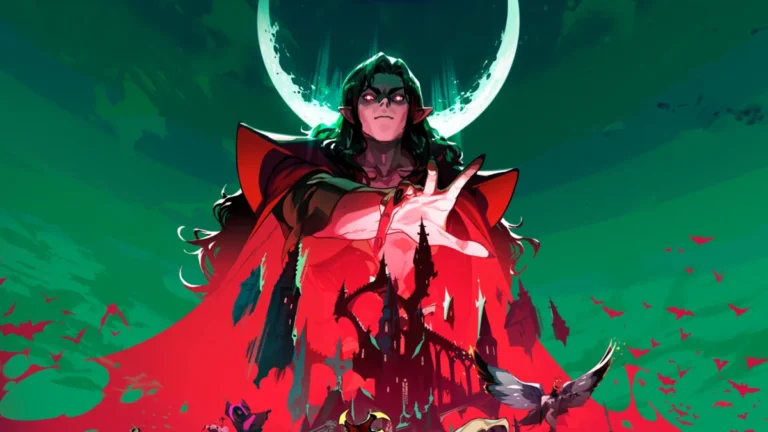
- Streaming Content Wars: With fierce competition among streaming services, owning exclusive, high-demand content is paramount. Video game adaptations offer a unique advantage: built-in fandom and rich narrative universes suitable for multi-season storytelling. Netflix’s strategy with Castlevania and Cyberpunk: Edgerunners exemplifies this.
- Transmedia Storytelling: Consumers increasingly engage with narratives across multiple platforms. A successful game adaptation can drive new players to the game, boost merchandise sales, and create a synergistic ecosystem that reinforces brand loyalty.
Broader Impact and Implications
The emergence of Hitpoint Entertainment, alongside other specialized entities like PlayStation Productions and Story Kitchen, marks a maturation of the video game adaptation industry. The implications are far-reaching:
- For Game Developers: This new paradigm offers unprecedented opportunities. Developers of compelling narrative-driven games, even those from smaller studios, could find new avenues for revenue, brand expansion, and creative collaboration. It provides a powerful incentive to invest further in rich storytelling and character development within games, knowing that these elements could translate to other mediums. It also offers a pathway for IPs that might not be massive blockbusters but possess unique stories to reach a wider audience.
- For Hollywood: The venture provides a fresh wellspring of intellectual property at a time when traditional sources (books, comics, remakes) are heavily mined. Video games offer diverse genres, unique mechanics that can inspire innovative visual storytelling, and built-in interactive fan communities. It also pushes Hollywood to better understand and respect the gaming medium, fostering a more authentic approach to adaptation.
- For Consumers (Gamers and Viewers): The promise is more and better-quality adaptations. As companies like Hitpoint prioritize understanding the source material and engaging appropriate talent, the likelihood of disappointing adaptations diminishes. However, the challenge remains for these companies to balance creative interpretation with fidelity to the original vision, ensuring that adaptations resonate with both existing fans and new audiences.
- Industry Convergence: Hitpoint’s formation further blurs the lines between interactive and linear entertainment. It signifies a future where game studios, film producers, and talent agencies operate in a more integrated ecosystem, sharing insights and resources to create comprehensive entertainment experiences. This could lead to innovative funding models, shared talent pools, and even games designed from the outset with transmedia potential in mind.
- Competitive Landscape: Hitpoint enters a competitive space, but its unique combination of gaming VC insight and Hollywood agency prowess provides a distinct advantage. It will compete with established players like PlayStation Productions (Sony’s internal studio dedicated to adapting its own gaming IP) and other independent production companies. However, the sheer volume of untapped gaming IP suggests ample room for multiple specialized entities to thrive.
In conclusion, Hitpoint Entertainment’s launch is more than just another production company announcement; it is a strategic response to a rapidly evolving entertainment landscape. By combining capital, industry access, and a clear focus on early, authentic IP development, Griffin Gaming Partners and Entertainment 360 are positioning Hitpoint to be a pivotal player in defining the next generation of video game adaptations, promising a richer, more diverse, and more faithful translation of interactive worlds to the silver screen and television.
About the Author