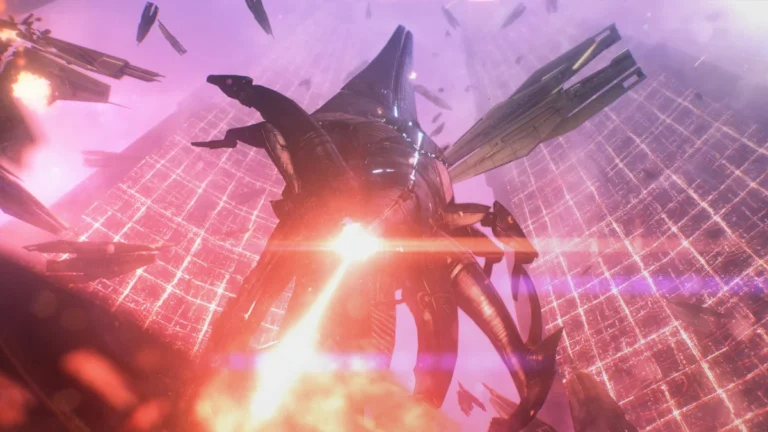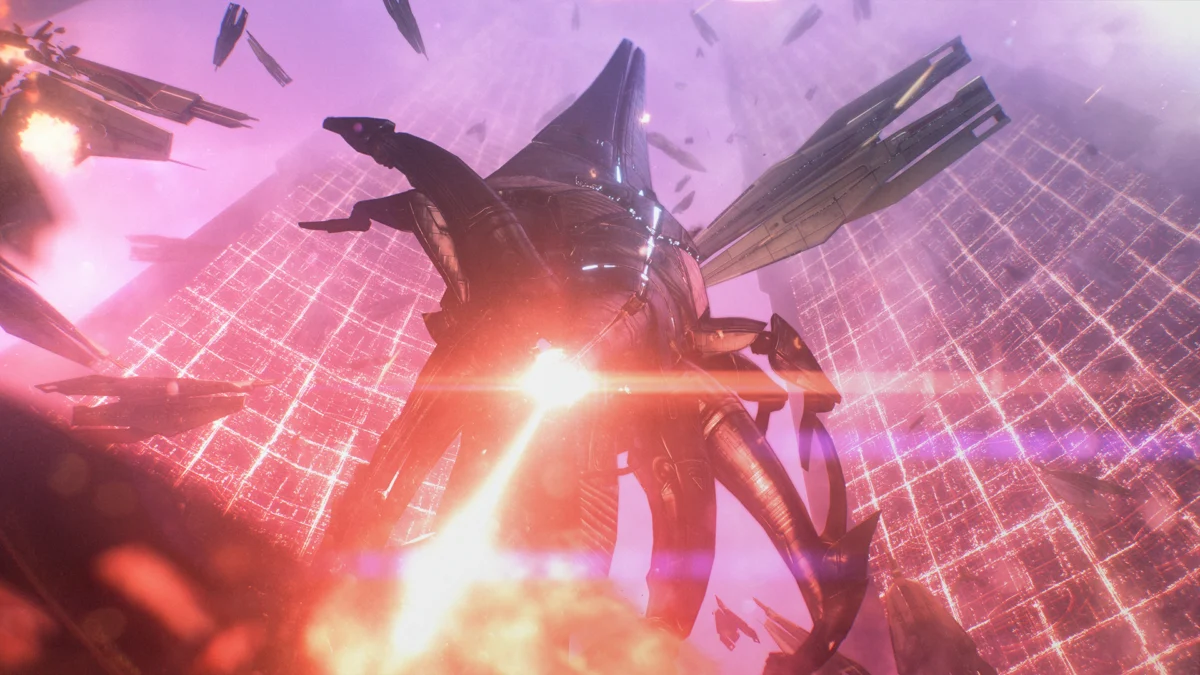
The storied Edmonton-based studio, which became a subsidiary of Electronic Arts (EA) in 2007 through its acquisition of VG Holding Corp, announced its cessation of operations in a somber post on social media. The statement conveyed the immense difficulty of the decision, emphasizing the company’s immediate focus on supporting its "incredibly talented team who put their hearts into these games" through the transition. This closure is part of a larger restructuring effort by Electronic Arts, which, according to a report from Bloomberg News, includes approximately 400 layoffs across the company, with 50 of those directly impacting BioWare staff who were reportedly working on a new entry in the acclaimed Mass Effect series, a project now confirmed to be canceled.
The End of an Era: BioWare’s Legacy and Recent Struggles
Founded in 1995 by medical doctors Ray Muzyka, Greg Zeschuk, and Augustine Yip, BioWare quickly established itself as a pioneer in the realm of interactive role-playing games (RPGs). Their initial foray into the market was the mech combat simulation Shattered Steel in 1997. However, it was the release of Baldur’s Gate in 1998, a critically acclaimed Dungeons & Dragons-themed RPG, that truly cemented their reputation. Baldur’s Gate set a new benchmark for narrative depth, complex character interactions, and player agency, elements that would become synonymous with the BioWare brand for years to come. While the most recent installment, Baldur’s Gate III, achieved immense success, it was developed independently by Larian Studios, highlighting a divergence in the franchise’s trajectory long before BioWare’s closure.
Following their success with the D&D universe, BioWare continued to innovate, crafting original narratives and adapting beloved intellectual properties. Star Wars: Knights of the Old Republic (2003) remains a seminal work, lauded for its intricate plot, moral choices, and groundbreaking companion system. This was followed by the original fantasy RPG Jade Empire (2005), which, like its predecessors, garnered exceptional praise for its storytelling and world-building.
The studio reached its zenith with the launch of Mass Effect in 2007, a cinematic science fiction RPG that introduced players to a sprawling galaxy, memorable characters, and impactful decisions that carried across a trilogy. This was quickly followed by Dragon Age: Origins in 2009, which recaptured the dark fantasy essence of early RPGs with its mature themes and tactical combat. Both franchises spawned multiple sequels and spin-offs, establishing BioWare as a titan of the genre. During this period of expansion, a new division was established in Austin, Texas, to develop Star Wars: The Old Republic (SWTOR), a massively multiplayer online role-playing game (MMORPG) that continues to operate today, though its ownership and operation have since transitioned to Broadsword.
However, the post-Dragon Age: Inquisition (2014) era marked a noticeable shift in BioWare’s fortunes. According to former executive producer Mark Darrah, this period saw a growing emphasis from its parent company, Electronic Arts, on developing multiplayer live service games. This strategic pivot often clashed with BioWare’s traditional strengths in single-player, narrative-driven experiences. The repercussions became evident with Mass Effect: Andromeda (2018), which, despite its ambitious scope, failed to achieve the critical and commercial success of earlier titles. Investigative reports later revealed a troubled development process plagued by management issues, engine difficulties, and a lack of clear vision, contributing to its lukewarm reception. Public sales figures for Andromeda were never disclosed by EA, a common indicator of underperformance.
The struggle intensified with Anthem (2019), an online science fiction RPG designed as a live service title. Despite considerable pre-release hype, Anthem faltered, failing to gain sustained traction due to technical issues, repetitive gameplay, and a lack of compelling content. It reportedly sold around 5 million copies before its live service support was ultimately curtailed, cementing its status as a commercial disappointment. The development of Anthem was further complicated by its entanglement with the next Dragon Age game, which famously underwent multiple design overhauls, shifting from a planned single-player experience to a live service model, and then back again to a single-player RPG, eventually slated for a 2024 release as Dragon Age: The Veilguard. As work on The Veilguard concluded, BioWare had reportedly begun development on a new Mass Effect title, a project that is now unequivocally canceled with the studio’s closure.
Electronic Arts’ Broader Restructuring and Workforce Reductions
The closure of BioWare is not an isolated incident but rather a significant component of a wider corporate restructuring at Electronic Arts. The 400 global layoffs reported by Bloomberg are indicative of a broader industry trend of consolidation and workforce reductions that have impacted numerous gaming companies in recent years. This trend is often attributed to a combination of factors, including a post-pandemic market correction after a period of rapid growth, rising development costs, and an increasingly competitive landscape.
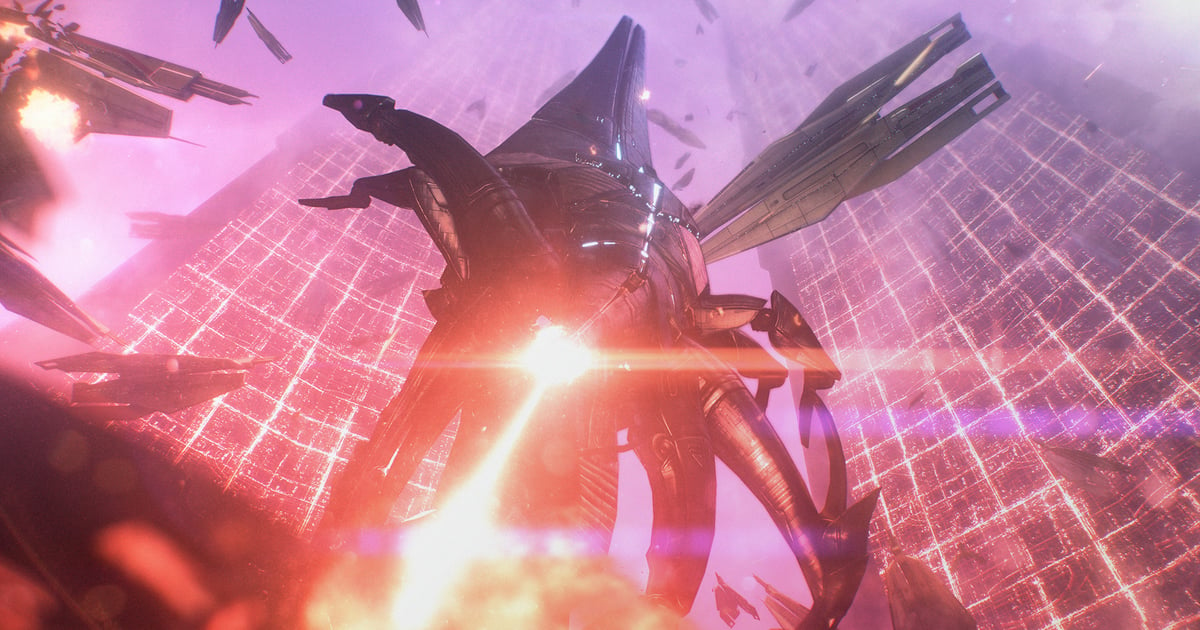
Beyond the BioWare closure and associated layoffs, EA’s strategic realignment involves the cancellation, downsizing, and reprioritization of other projects within its portfolio. "Project Lotus," a planned entry in The Sims series, has been terminated, suggesting a focused approach to its flagship simulation franchise. Conversely, another unnamed game, code-named "Project Evergreen," is being prioritized, indicating where EA sees its greatest future growth opportunities. Resources are also being reallocated from Full Circle Studios’ online skateboarding game, skate, although active development on the title is reportedly continuing. In a move to consolidate talent and leverage existing strengths, Respawn Entertainment (known for Apex Legends and Star Wars Jedi series) and DICE (developers of Battlefield) are reportedly set to collaborate on a new game, "likely" to be another installment in the Star Wars: Battlefront series, signaling EA’s continued commitment to its lucrative Star Wars license.
In an internal communication to EA staff, chief operating officer David Tinson and chief studios officer Cam Weber explained that these decisions were the result of a "hard look at the business" conducted over several months. Their letter articulated a strategy of "making deliberate choices to align talent and investments where we see the greatest opportunities for players and long-term growth." This corporate jargon, while standard, underscores a clear shift towards efficiency and a heightened focus on projects deemed to have the highest potential return on investment, even if it means sacrificing venerable studios and beloved IPs.
A New Ownership, Heightened Scrutiny: The Saudi PIF Investment
These significant organizational changes at Electronic Arts unfold just months after a monumental shift in the company’s ownership structure. Earlier this year, a joint investor group, prominently featuring the Saudi Arabian Public Investment Fund (PIF), alongside Silver Lake and Affinity Partners, completed a staggering $55 billion transaction to acquire Electronic Arts. This acquisition placed one of the world’s largest video game publishers under the control of a consortium heavily influenced by the Saudi government, raising considerable scrutiny and concern across the industry.
The Saudi PIF has been increasingly active in the gaming sector, investing billions in major publishers and developers globally, including stakes in Nintendo, Activision Blizzard, and Embracer Group, as part of the Kingdom’s Vision 2030 to diversify its economy away from oil. However, this aggressive investment strategy has drawn criticism from human rights organizations and segments of the gaming community, given Saudi Arabia’s controversial human rights record.
Following the EA acquisition, many developers voiced their unease. Employees of EA, speaking anonymously to GameDeveloper.com, reported receiving only "vague reassurances" about the company’s future and operational independence. Despite promises that EA would continue to "operate independently" under its new corporate ownership, a significant number of workers expressed apprehension regarding the potential influence of the Saudi government on corporate decisions, creative freedom, and employment stability. One anonymous employee articulated a prevalent fear, stating, "It’s hard to see how teams or games that underperform wouldn’t be dissolved or sold off." The closure of BioWare, a studio that has struggled with recent releases, and the broader EA layoffs, can be seen by many as a direct manifestation of these earlier fears, signaling a new, performance-driven paradigm under its new ownership.
The Human Cost and Industry Reflection
The closure of BioWare represents more than just the end of a corporate entity; it signifies the loss of a creative hub that shaped the careers of hundreds of developers and enriched the lives of millions of players. The immediate impact falls on the 50 BioWare employees directly affected, as well as the additional 350 individuals across other EA studios. These layoffs contribute to an unsettling trend within the gaming industry, where job security is increasingly tenuous despite record revenues.
The broader gaming community has reacted with a mixture of sadness, nostalgia, and concern. BioWare’s contributions to the RPG genre, particularly its emphasis on character development, player choice, and rich storytelling, are undeniable. Games like Baldur’s Gate, Star Wars: Knights of the Old Republic, and the Mass Effect trilogy are considered benchmarks against which all subsequent narrative RPGs are often measured. The studio’s closure forces a reflection on the evolving landscape of game development, the pressures faced by legacy studios under large publishers, and the often-difficult balance between creative ambition and commercial viability in an industry increasingly dominated by live service models and investor expectations.
While the BioWare name may fade, its legacy will undoubtedly endure. The beloved franchises it created, such as Mass Effect and Dragon Age, are now solely under the purview of Electronic Arts. The future of these IPs remains uncertain; EA could choose to license them to other developers, or potentially revive them internally with new teams, though the distinct BioWare touch that defined them would be irrevocably altered. For many, the closure of BioWare marks the true end of an era, a poignant reminder of the challenges facing developers in a rapidly changing industry driven by ever-increasing financial imperatives.
About the Author