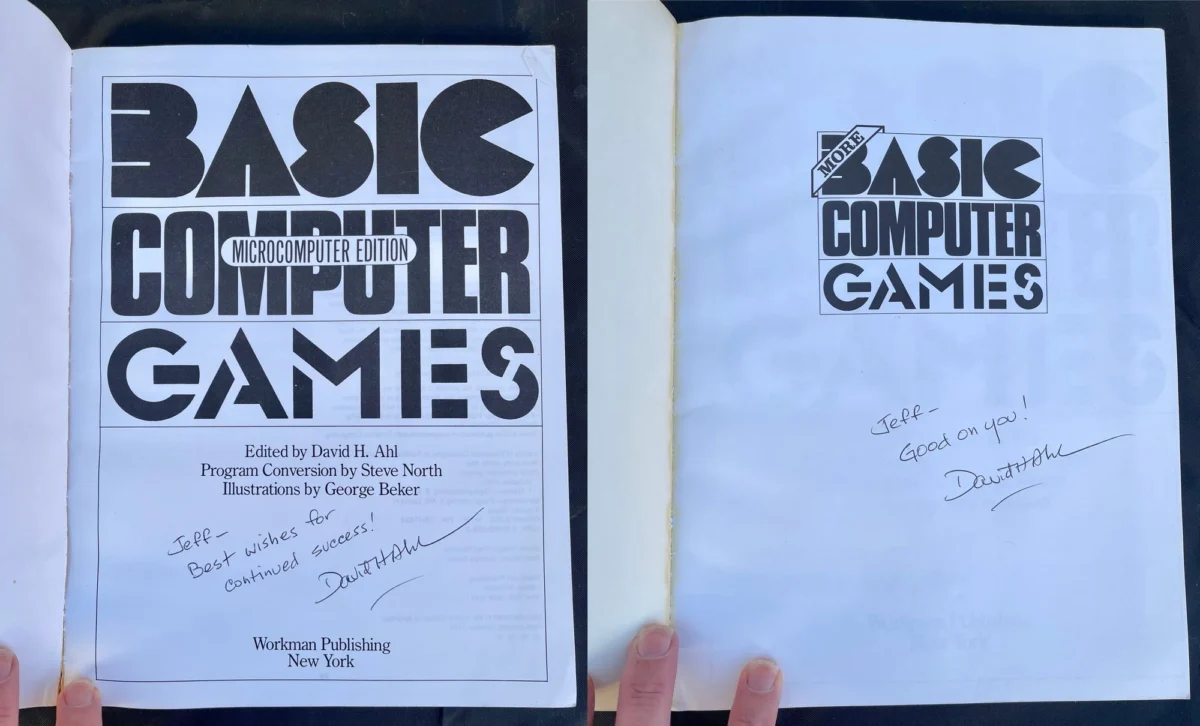
In a significant move for computing history and education, renowned software developer and "Coding Horror" blogger Jeff Atwood has launched a collaborative project to meticulously update the seminal "101 BASIC Computer Games" for contemporary programming languages. This ambitious undertaking aims to bridge the gap between the foundational era of personal computing and modern development practices, ensuring that the historical significance and educational value of David H. Ahl’s legendary anthology are preserved and made accessible to a new generation of coders. The initiative, announced in early 2022, invites programmers worldwide to contribute to reimagining these classic games in ten memory-safe, general-purpose scripting languages, fostering a global, open-source effort contrasting sharply with the solitary coding experiences of the past.
The Dawn of Personal Computing and the Role of Manual Entry
To fully grasp the magnitude of Atwood’s project, one must first recall the nascent days of personal computing. In the 1970s and early 1980s, the computing landscape was vastly different from today’s intuitive, graphical user interfaces. Early personal computers, often costly and rudimentary, typically booted directly to a command-line interface. There was no "fancy schmancy desktop" or a myriad of pre-loaded applications to interact with via a finger tap. Instead, users were greeted by a stark cursor on a black screen, necessitating direct command input.
Software, as it is known today, was scarce and often prohibitively expensive. While some fortunate users might possess a cassette tape drive to load programs, this was considered a luxury add-on. For the vast majority of enthusiasts, if they desired their computer to perform any task beyond basic operations, they had to manually type entire programs, line by painstaking line, directly from printed books. This laborious process was not merely a quirky pastime; it was the primary method of software acquisition and interaction for an entire generation of burgeoning programmers and computer hobbyists. Debugging often meant painstakingly scanning thousands of characters for a misplaced comma or a forgotten number, a testament to the dedication required in those pioneering days.
David H. Ahl: A Visionary and His Seminal Work
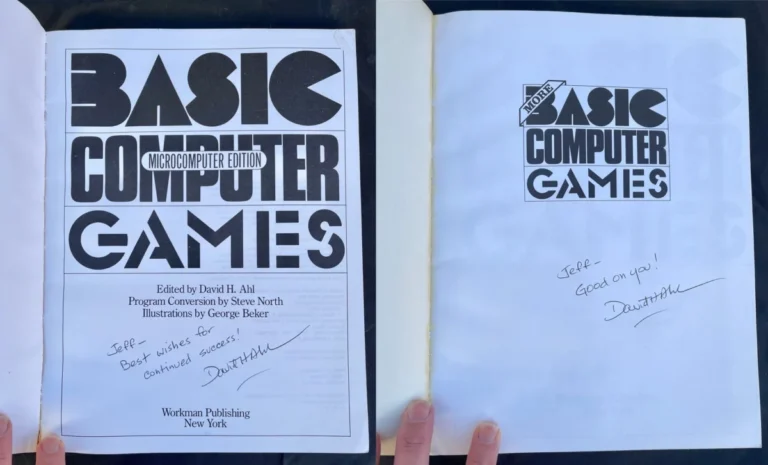
At the heart of this historical context lies David H. Ahl, a visionary whose contributions to computing literacy are immeasurable. Ahl, initially an education product manager at Digital Equipment Corporation (DEC), recognized the untapped potential of computers in education and home use. Frustrated by DEC’s reluctance to publish a book of BASIC programs for their PDP-8 computers, Ahl took matters into his own hands. In 1973, he compiled and published "101 BASIC Computer Games" through DEC. The book quickly became an unexpected phenomenon, selling 10,000 copies in its initial printings – a staggering number considering there were fewer than that many computers capable of running BASIC programs in existence at the time. Anecdotes from that era suggest people often bought multiple copies for a single machine, highlighting the immense demand for accessible software.
Ahl’s entrepreneurial spirit extended beyond this initial publication. In 1974, he left DEC to found Creative Computing Magazine, one of the earliest and most influential computer magazines targeted at a broad audience, encompassing hobbyists, educators, and early adopters. His approach to publishing was revolutionary for its time. He announced his intentions at the National Computer Conference in June 1974, then proceeded to lay the groundwork for the magazine himself, contacting authors, arranging typesetting and printing, and organizing countless logistical details. With limited capital, he famously substituted "sweat equity," editing articles, writing his own, taking photos, drawing illustrations, and even manually laying out boards.

His grassroots distribution strategy for Creative Computing is a legendary tale of self-reliance. By October 1974, he had only 600 subscribers for the first print run. Defying conventional wisdom, Ahl invested all his available funds to print 8,000 copies. He personally delivered the subscriber copies to the post office and then spent nearly three weeks manually pasting labels onto the remaining 7,400 issues, sending them unsolicited to libraries and school systems across the country. This audacious strategy cemented Creative Computing‘s place in history and further amplified the reach of BASIC programming.
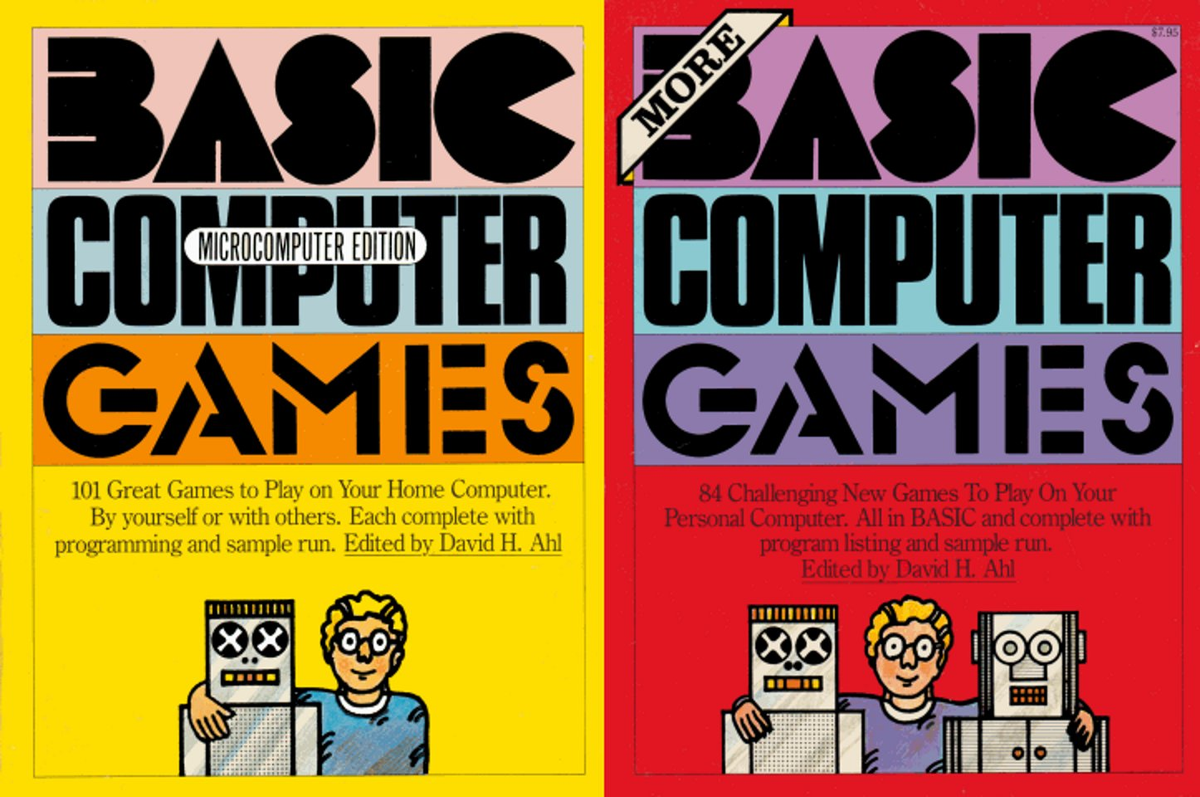
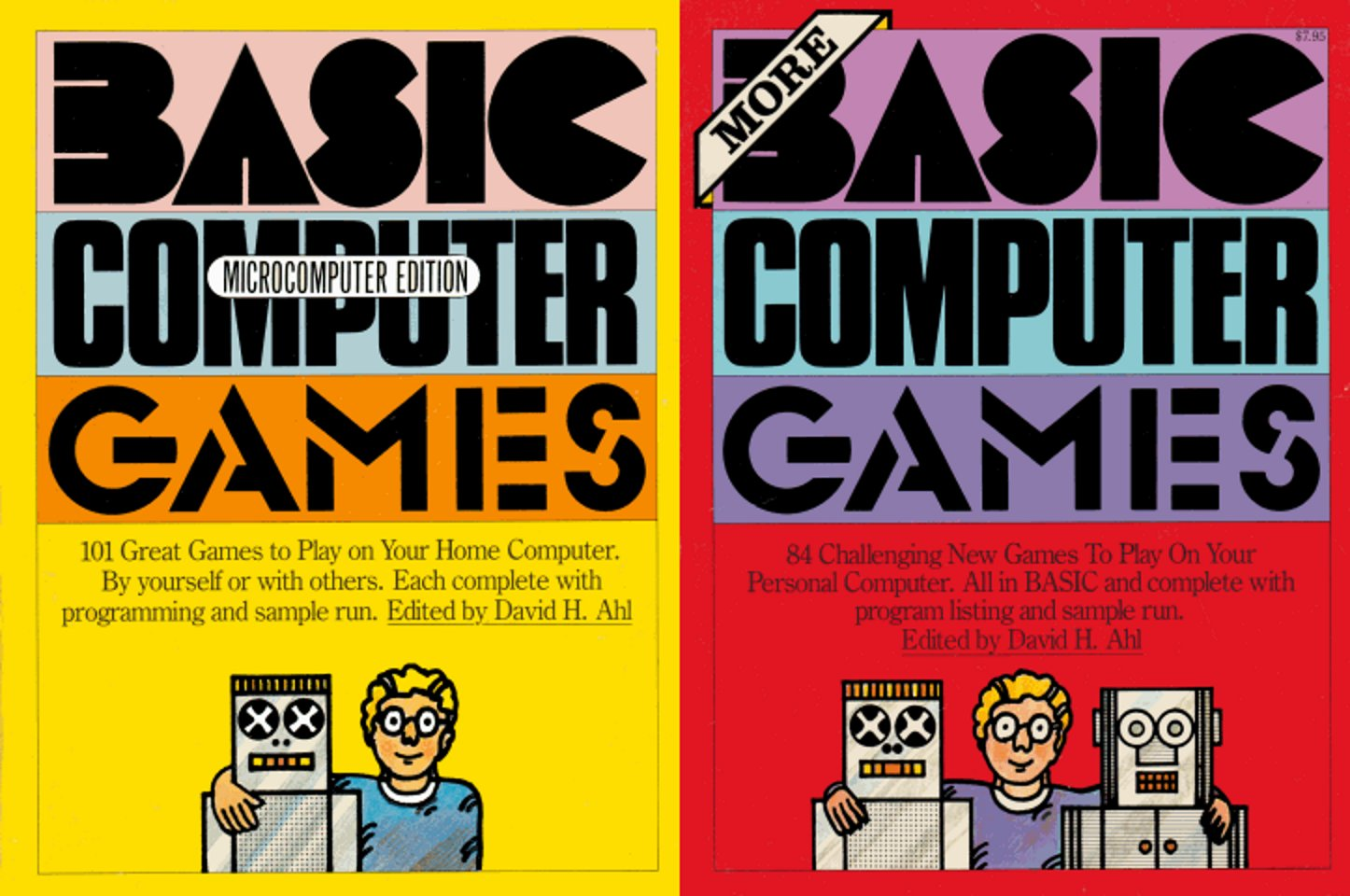
The success of "101 BASIC Computer Games," a collection of programs largely derived from Creative Computing, continued to soar. It ultimately became the first computer book to sell over a million copies, a testament to its widespread appeal and its role as a de facto software library for an entire generation. For many, including Jeff Atwood, this book served as an indispensable guide, igniting a lifelong passion for programming and laying the groundwork for countless professional careers in technology. The iconic illustrations by George Beker further endeared the book to its readers, adding a whimsical touch to the technical content.
The Enduring Legacy and the Imperative for Modernization
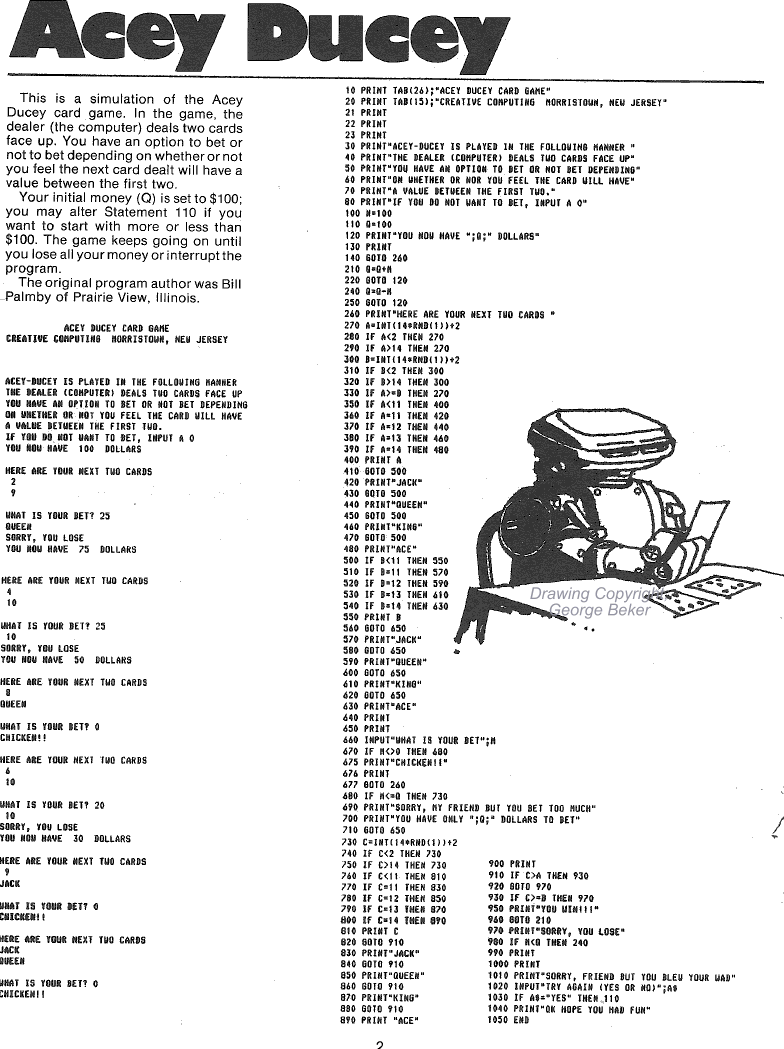
Despite its profound influence, the original BASIC code from the 1970s naturally reflects the programming paradigms of its era. Characterized by line numbers, pervasive GOTO statements, and a lack of structured programming constructs, it stands in stark contrast to modern coding practices. While attempts to modernize these early BASIC programs have been made, they have often fallen short. A notable effort in 2010 sought to port these games to SmallBasic, a simplified version of BASIC developed by Microsoft. However, as Atwood points out, these ports often amounted to little more than the removal of line numbers, failing to introduce fundamental improvements like subroutines.
Subroutines, arguably one of the greatest inventions in computer science, allow for modular, reusable code, significantly enhancing readability, maintainability, and efficiency. Their absence in previous modernization attempts meant that the updated code still largely retained the "spaghetti code" structure of the originals, offering little relevance to contemporary software development principles. This deficiency underscored the need for a more comprehensive and thoughtful approach to preserving these digital artifacts.
The "Coding Horror" Initiative: A Collaborative Renaissance
Recognizing this void, Jeff Atwood embarked on his ambitious project. Driven by a deep personal connection to "101 BASIC Computer Games" – which he credits with being "responsible for my entire professional career" – Atwood sought and secured direct permission from David H. Ahl to undertake this comprehensive modernization. This collaboration between a modern tech luminary and a foundational figure in computing history adds a layer of authenticity and significance to the initiative.
The core of Atwood’s project is a collaborative effort hosted on GitHub. The goal is to reimplement all 101 classic BASIC games in a curated selection of modern, memory-safe, general-purpose scripting languages. Initially, the target languages included Python, Ruby, JavaScript, PHP, C#, Go, and Java. However, demonstrating a commitment to evolving best practices and community feedback, the list was updated in March 2022 to include Kotlin (as an alternative to Java), Rust (replacing Pascal due to its robust memory safety guarantees), and Lua, which recently entered the top 20 of the TIOBE index, satisfying the criteria for scripting and memory safety.

The emphasis on "memory-safe" languages is crucial. Memory safety, a critical aspect of modern software engineering, helps prevent common vulnerabilities like buffer overflows and dangling pointers, which can lead to system crashes or security exploits. By choosing these languages, the project not only modernizes the code but also instills best practices in security and reliability, making the updated games suitable for educational purposes in today’s computing environment.
The project is not merely about translating code; it’s about re-engineering these primitive games from the 1970s to embody modern programming principles, including the judicious use of subroutines, clear variable naming, and modular design. While acknowledging that these games "aren’t going to win any awards for gameplay, or programming sophistication," Atwood stresses their value as "precious artifacts of early computing that deserve to be preserved for future generations," including the charming original artwork by George Beker.
Community Engagement and Social Impact
A central tenet of Atwood’s initiative is collaboration. Contrasting the solitary experience of typing programs from a book in 1984, the GitHub-hosted project fosters a global community of contributors working together simultaneously. This collaborative model reflects the essence of modern open-source development, providing a practical learning experience for participants while collectively preserving digital heritage.
To further incentivize participation and contribute to a vital cause, Atwood announced a significant commitment: for every functioning program submitted in each of the ten indicated languages by the end of 2022, he pledged to donate $5 to Girls Who Code. This charitable component underscores the project’s broader social impact, aiming to encourage diversity and inclusion in the technology sector while preserving historical knowledge. Girls Who Code is a non-profit organization dedicated to closing the gender gap in technology and inspiring girls to pursue computer science careers.
Atwood has also extended an invitation for project co-owners, seeking individuals deeply passionate about the initiative who can help organize and lead the effort. This call for leadership highlights the project’s scale and its potential to become a self-sustaining community endeavor. Guidelines for contributions are meticulously detailed in the project’s README file on GitHub, with a dedicated discussion forum available for questions and coordination. The overarching message, as Atwood frequently emphasizes in his "Coding Horror" blog, is that "this stuff is supposed to be fun," encouraging a joyful and engaging approach to learning and contributing.
Implications and Future Outlook
The modernization of "101 BASIC Computer Games" carries several significant implications. Firstly, it represents a crucial act of digital historical preservation. By translating these foundational programs into contemporary languages, the project ensures that future generations of programmers, educators, and historians can interact with and learn from the code that shaped the early days of personal computing, without being hampered by archaic syntax or inaccessible environments. This effort effectively bridges a technological gap, making these "precious artifacts" understandable and executable on modern systems.
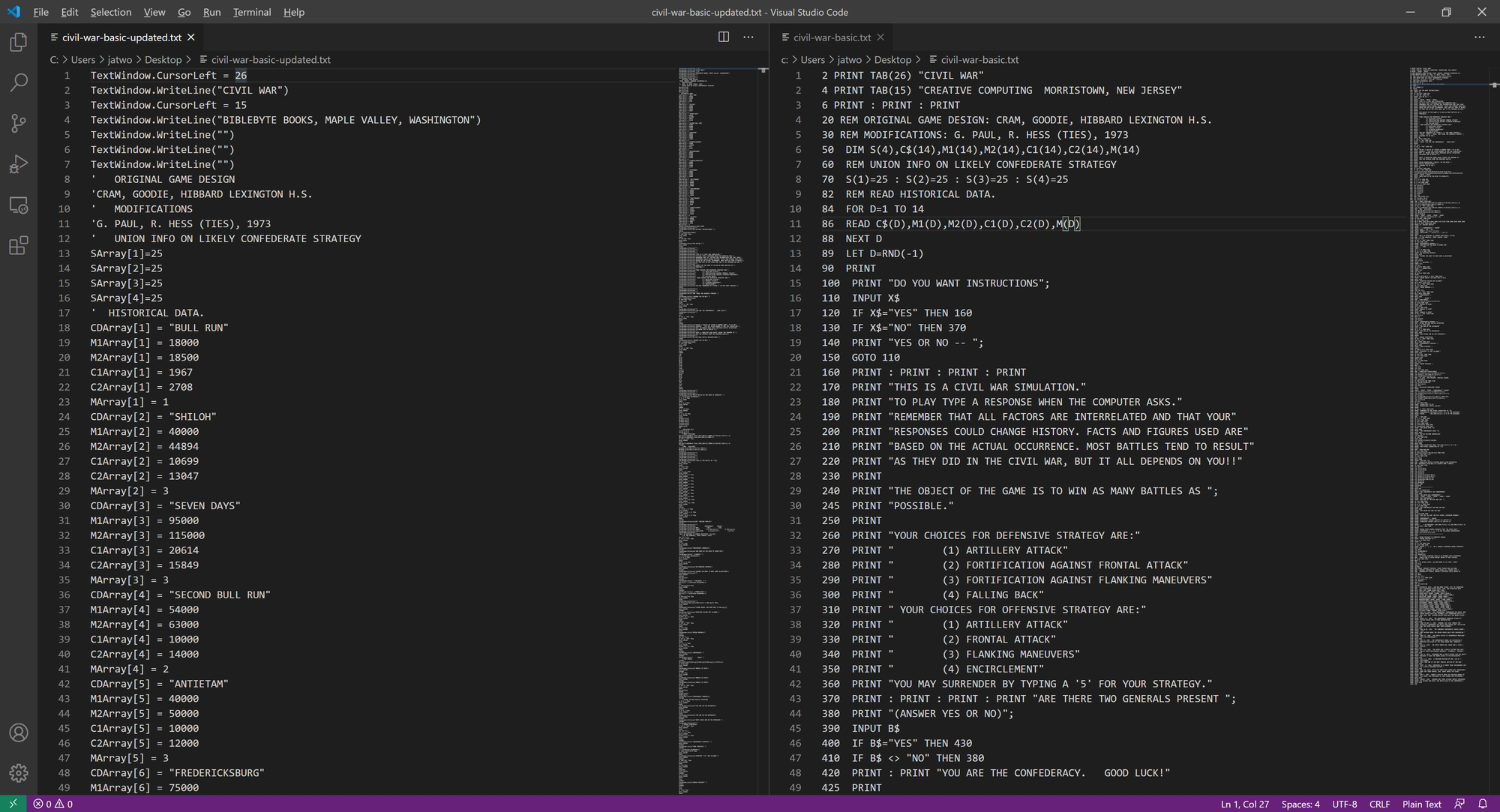
Secondly, the project serves as an invaluable educational resource. It offers a unique pedagogical tool for introducing fundamental programming concepts within a historical context. Students and aspiring developers can analyze how simple game logic was implemented in the 1970s and then observe how those same concepts are expressed using modern, structured, and memory-safe languages. This comparative analysis can deepen understanding of programming evolution, best practices, and the underlying principles that remain constant across different eras and languages.
Thirdly, it reinforces the power of open-source collaboration. By inviting a global community to contribute, the project demonstrates how collective effort can achieve ambitious goals, fostering a sense of shared ownership and camaraderie among participants. This collaborative spirit is a cornerstone of modern software development, and engaging in such a project provides practical experience in teamwork, version control, and code review.
Finally, the initiative, coupled with the donation to Girls Who Code, underscores a commitment to fostering a more inclusive and diverse future for technology. By making historical computing accessible and engaging, and by supporting organizations that empower underrepresented groups, the project contributes to breaking down barriers and inspiring new talent.
As programmers worldwide consider their New Year’s resolutions, Jeff Atwood’s project offers a compelling opportunity to contribute to a meaningful endeavor: updating one of the most influential books in computing history. This collaborative renaissance promises not only to preserve a significant piece of technological heritage but also to inspire and educate the next wave of innovators, connecting them to the very roots of their craft.
About the Author