Jeff Atwood, the renowned co-founder of Stack Overflow and author of Coding Horror, has announced a monumental $50 million pledge towards the establishment of the Rural Guaranteed Minimum Income Initiative (RGMII), a comprehensive program designed to combat generational poverty in overlooked rural communities across the United States. This significant commitment, representing half of Atwood’s remaining wealth, follows an initial $21 million in immediate aid distributed to various non-profit organizations, marking a concerted and strategic pivot towards long-term, systemic change. The initiative focuses on a targeted approach to direct cash transfers, aiming to empower individuals and families most in need, backed by robust data collection and analysis.
A Year of Philanthropic Evolution: From Immediate Aid to Systemic Change
The genesis of this ambitious philanthropic endeavor dates back to January 2025, when Atwood first called upon Americans to participate in a "Pledge to Share the American Dream." This pledge outlined two core tenets: first, to support organizations effectively addressing immediate needs across America, and second, to contribute public dedications of time or funds towards longer-term efforts to ensure the American Dream remains fair and attainable for future generations.
Initially, Atwood and his family responded to urgent needs with substantial direct donations. Following an initial allocation of $1 million to eight non-profit charities, the escalating crises observed across the nation prompted an additional $13 million in contributions within a few months, bringing the total immediate aid to $21 million. These funds were directed to organizations providing critical services such as food security, housing assistance, healthcare access, and emergency relief, addressing the symptoms of poverty directly.

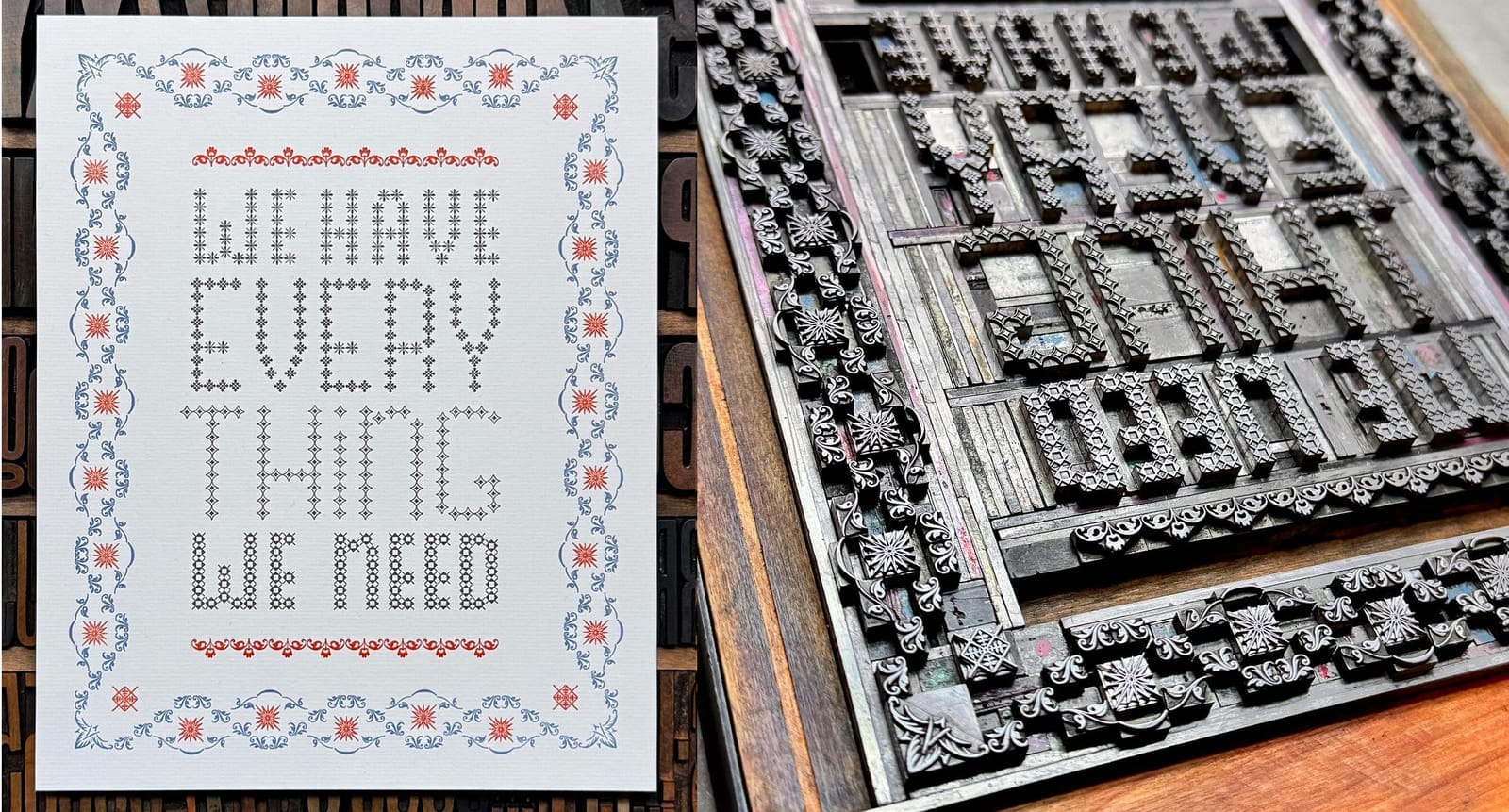
However, the Atwoods recognized that addressing immediate crises, while vital, was akin to "firefighting" without tackling the underlying causes. This realization led to a deeper inquiry into systemic issues. Jeff Atwood openly pondered a question that many successful individuals face: "When, exactly, is enough?" This contemplation, spurred by his significant liquidity event from the 2021 acquisition of Stack Overflow, culminated in the family’s decision to dedicate substantial resources to root-cause solutions. His partner, Betsy Atwood, articulated their shared philosophy eloquently: "We have everything we need; how do we make sure everybody has what they need? Because that’s the basic thing – Do you have a comfortable place to live? Do you have enough to eat? Do you have healthcare? If you have the basics, you’re in a good place in life, and everybody should have that opportunity." This profound commitment echoes the sentiment attributed to Mary Gates: "From those to whom much is given, much is expected."
The Strategic Shift to Guaranteed Minimum Income
By March 2025, after extensive research and consideration of various systemic interventions, a consensus emerged: Guaranteed Minimum Income (GMI) represented "The Road Not Taken." The Atwoods concluded that GMI, a refined version of Universal Basic Income (UBI), offered the most effective pathway to address entrenched poverty. Unlike UBI, which typically provides an unconditional income to all citizens regardless of need, GMI is specifically designed to direct financial assistance to those experiencing the most significant economic hardship, particularly families grappling with generational poverty. This targeted approach aims to maximize impact by ensuring resources reach the populations most vulnerable and capable of benefiting from direct financial empowerment.
The decision to champion GMI is rooted in a growing body of evidence from pilot programs globally and within the U.S. These studies consistently demonstrate that direct cash transfers significantly improve recipients’ financial stability, health outcomes, and overall well-being without discouraging work or leading to irresponsible spending, common misconceptions often associated with such programs. Recipients frequently report using funds for essential needs like rent, groceries, childcare, transportation, and debt reduction, thereby stabilizing their households and creating a foundation for future self-sufficiency.
Launching the Rural Guaranteed Minimum Income Initiative (RGMII)
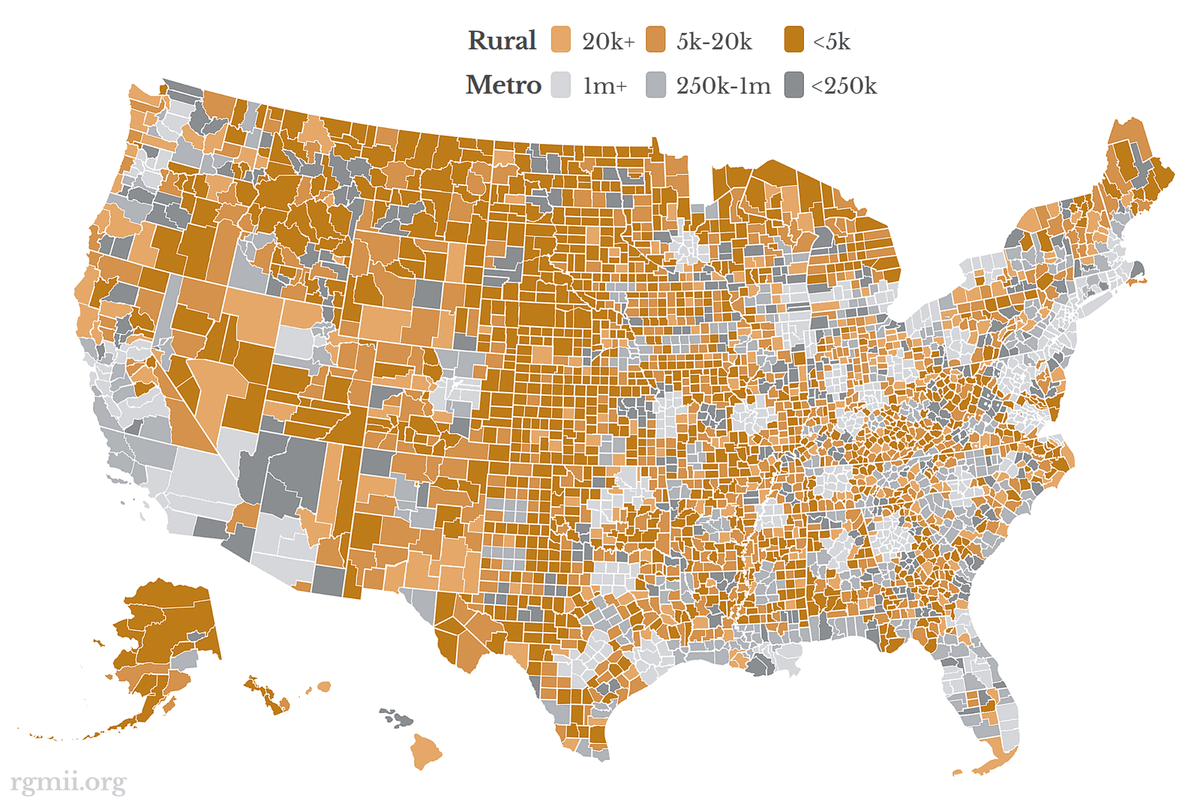
With the strategic direction firmly established, Atwood rapidly moved to launch the Rural Guaranteed Minimum Income Initiative (RGMII), an organization specifically dedicated to implementing and studying GMI programs in rural areas. This focus is deliberate and strategic. Rural counties across the United States are often disproportionately affected by poverty, lack of economic opportunity, and limited access to social services. Dollars tend to stretch further in these regions, and smaller populations facilitate tighter, more controlled studies, allowing for a clearer understanding of GMI’s efficacy and impact. Furthermore, Atwood’s personal connection to rural America—his parents and he hail from such a background—underscores a belief in the untapped potential and talent within these communities.

The RGMII has already funded three pioneering county-level programs in Mercer, West Virginia; Beaufort, North Carolina; and Warren, Mississippi. These initiatives are designed to provide financial support to thousands of individuals, lifting them out of poverty for a sustained period of 16 months. A critical component of these pilot programs is the rigorous collection and sharing of data and results with the broader public and research community. This commitment to transparency and evidence-based philanthropy aims to build a robust case for GMI and inform future policy decisions.
Voices from the Frontlines: The Impact of GMI
The human element of GMI is powerfully illustrated by stories from recipients like Stacy D. from West Virginia, a participant in one of the RGMII-funded programs. Stacy, a mother of five who had to stop working due to a high-risk pregnancy and subsequently faced vehicle breakdowns, articulated the profound difference direct financial support makes. "I have nobody up here [to help]… if me and my husband don’t figure it out, it don’t get figured out," she shared, highlighting the isolation and lack of social safety nets often prevalent in struggling families. The GMI assistance is set to enable her to repair her only family vehicle, a critical step towards re-employment and independence. Her testimony, "This is gonna… it’s going to do a lot!" encapsulates the transformative potential of such programs in addressing immediate crises and fostering long-term stability.

The Broader Implications and Call to Action
The Rural GMI Initiative is not merely a philanthropic endeavor; it is presented as a scientific undertaking aimed at generating open data to inform national policy. Atwood’s long-term vision extends beyond these initial three counties, aspiring to reach all 50 states over time. The ultimate goal is to demonstrate, with irrefutable evidence, that direct cash transfers are an effective, humane, and economically sound approach to poverty alleviation.
Economists and philanthropic experts have weighed in on the significance of such an initiative. Dr. Evelyn Hayes, a leading researcher in poverty studies, commented, "Jeff Atwood’s commitment to GMI, particularly in rural areas, is a game-changer. It combines substantial funding with a scientific approach, potentially yielding invaluable data that could sway public opinion and policy. The focus on rural communities is particularly astute, as these areas often fall through the cracks of broader economic development initiatives."
The initiative challenges common misconceptions about guaranteed income programs, aiming to educate the public and policymakers alike. Many individuals remain unaware of GMI or UBI, or harbor outdated assumptions about their effectiveness. The RGMII website (rgmii.org) serves as a central hub for information, offering detailed analysis of GMI studies, its rich history, and resources for advocating for its implementation.
Atwood views this initiative as his "third and final startup," signaling a deeply personal commitment to its success. He emphasizes that the goal is not to establish a traditional "Atwood Foundation" but to singularly advance the concept of direct cash transfer. He firmly believes that "giving money to those most in need is perhaps the most radical act of love we can take on." This philosophy aligns with his belief that "the path of love is the only survivable path" in navigating societal challenges, even if it is the harder one.
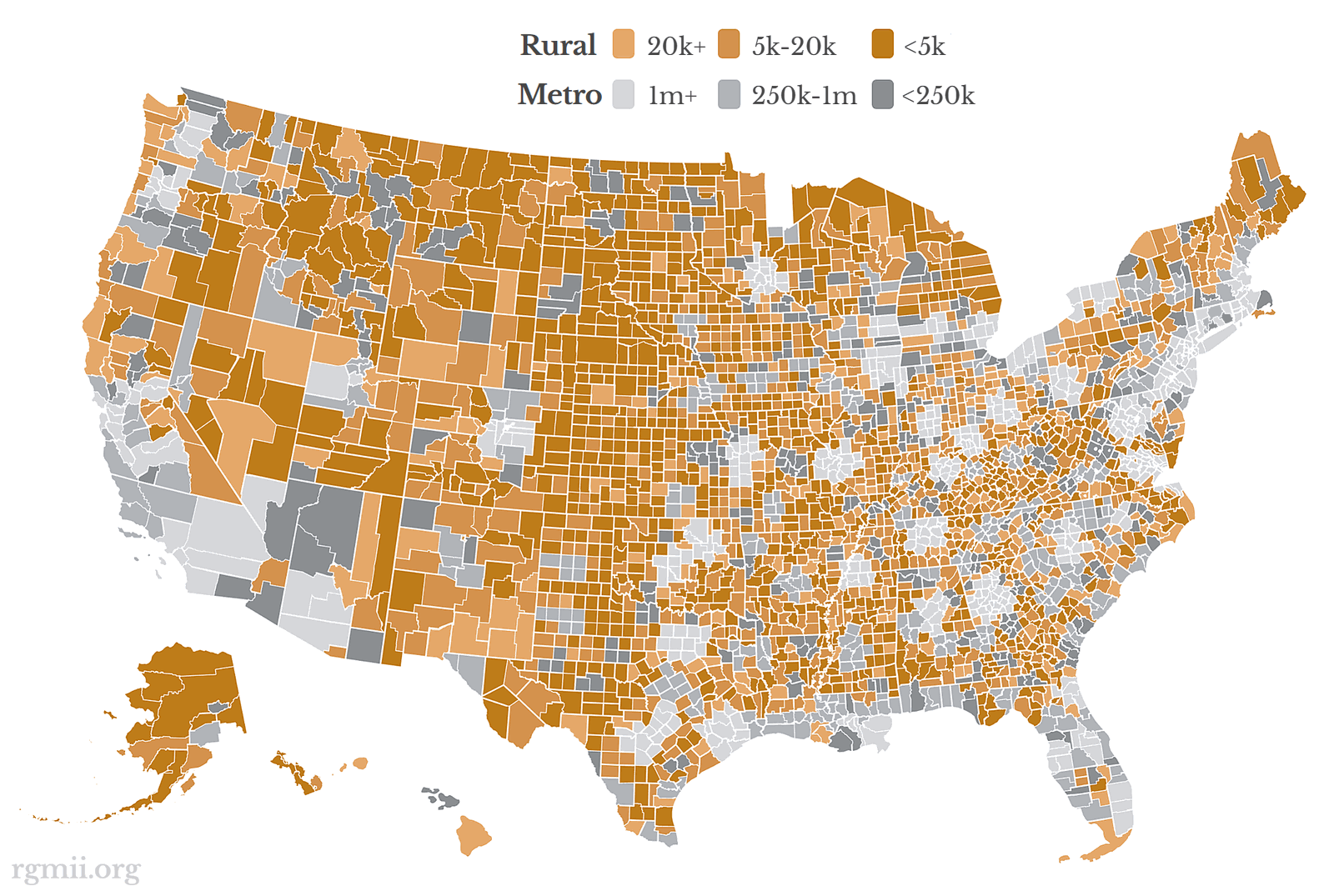
The RGMII extends an open invitation for participation. Beyond spreading awareness and educating representatives, individuals or organizations "to whom much is given" are encouraged to consider sponsoring county-scale GMI studies. Such partnerships are crucial for scaling the initiative and achieving its ambitious goal of reaching all 50 states, thereby helping thousands more escape the clutches of poverty.
In an era marked by increasing economic disparity and the persistent erosion of the "American Dream" for many, the Rural Guaranteed Minimum Income Initiative stands as a beacon of hope. By combining significant financial investment with a rigorous, data-driven approach and a profound belief in the dignity and potential of every individual, Jeff Atwood and his family are charting a course that seeks to prove that "dreams, like happiness, are only real when shared." The success of RGMII could well provide a replicable model for fostering economic security and opportunity across the nation, demonstrating that investing directly in people is not just philanthropy, but sound social and economic policy. More information can be found at staygold.us and rgmii.org.
About the Author