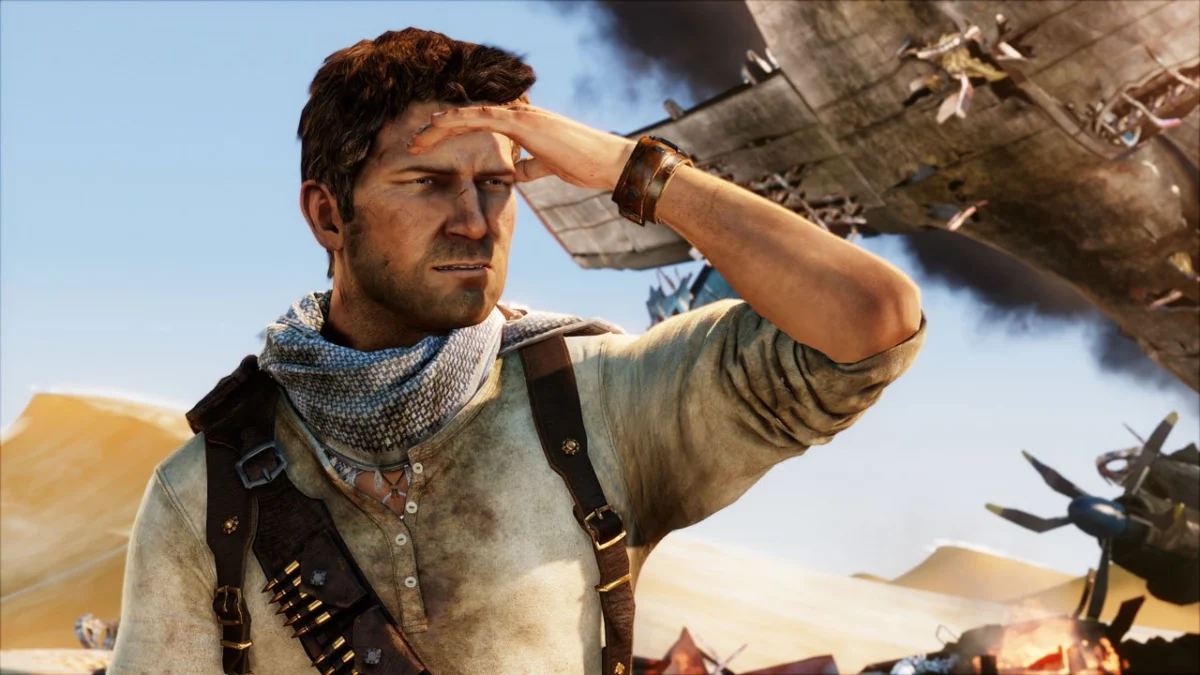
Uncharted 3: Drake’s Deception, released in November 2011, stands as a pivotal entry in Naughty Dog’s critically acclaimed action-adventure series, known for its cinematic spectacle and engaging characters. While the game garnered significant praise upon its release for its breathtaking set pieces and refined gameplay mechanics, its narrative framework has been a subject of ongoing discussion among players and critics alike. Despite some community feedback, notably from platforms like Reddit, pointing to perceived plot inconsistencies and uneven pacing, the title undeniably achieved a notable triumph in storytelling, evidenced by its prestigious Writers Guild of America Award for Videogame Writing in 2012. This dichotomy underscores a fascinating aspect of its design: while the overarching plot might have presented some structural challenges, the game profoundly resonated through its deepened character focus and sharp, emotionally resonant dialogue, transforming a typical "popcorn adventure" into an experience with a surprisingly bruised heart.
The Uncharted Legacy: Setting the Stage for Drake’s Deception
Before the advent of Uncharted 3, Naughty Dog had already established the series as a benchmark for cinematic action-adventure games on the PlayStation 3. Uncharted: Drake’s Fortune (2007) introduced players to Nathan Drake, a charming, quick-witted treasure hunter, and his mentor Victor Sullivan, along with the intrepid journalist Elena Fisher. Its successor, Uncharted 2: Among Thieves (2009), elevated the series to new heights, receiving universal critical acclaim for its groundbreaking set pieces, tighter narrative, and character development, often cited as one of the greatest video games of all time. This set a monumental precedent for Uncharted 3, placing immense pressure on Naughty Dog to innovate while retaining the core elements that fans adored.
Released globally between November 1 and November 4, 2011, Uncharted 3: Drake’s Deception continued the saga of Nathan Drake, taking players on a globe-trotting quest to uncover the secrets of the "Atlantis of the Sands." The game launched to strong commercial success and positive reviews, with an aggregate score of 92 on Metacritic, reflecting widespread praise for its visual fidelity, gameplay refinements, and unparalleled action sequences. Major publications lauded its blockbuster feel and technical prowess, reinforcing Naughty Dog’s reputation as a premier developer. However, beneath the surface of critical adoration, a more nuanced conversation began to emerge regarding its narrative construction.
The Narrative Core: Deception, Obsession, and the Search for Identity
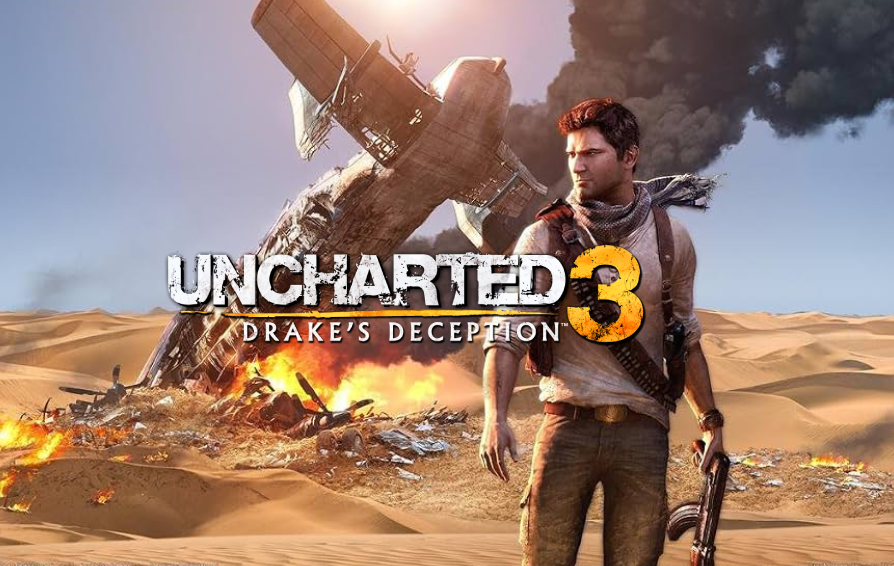
At its heart, Uncharted 3: Drake’s Deception delves into themes far more intricate than a simple treasure hunt. The story sees Nathan Drake and Victor Sullivan pursuing clues related to Sir Francis Drake and T.E. Lawrence, leading them to the fabled lost city of Ubar, the Atlantis of the Sands, hidden within the vast Rub’ al Khali desert. Their journey is complicated by the machinations of Katherine Marlowe, the cold and calculating leader of a secret Hermetic Order, and her enforcer, Talbot. Marlowe shares a mysterious past with Nathan and Sully, adding layers of personal conflict to the grand adventure.
The game’s title, "Drake’s Deception," proves to be a double entendre, referring not only to the elaborate schemes of its antagonists but also to the lies and self-deceptions Nathan must confront within himself. The narrative explores Drake’s origins, his troubled past, and his quasi-familial bond with Sully. Flashbacks to a young Nathan in Cartagena, Colombia, provide crucial background, revealing how he first met Sully and began his life as a treasure hunter. This deeper dive into Nathan’s psyche marked a significant shift for the series, moving beyond the thrill of discovery to explore the often self-destructive obsessions that drive its protagonist. The story tackles themes of identity, belonging, and the consequences of a life lived on the edge, imbuing the blockbuster action with a potent emotional undercurrent. This focus on Nathan’s internal struggles, his vulnerabilities, and his relationships with those closest to him, particularly Sully, Elena, and Chloe, forms the game’s "bruised heart"—a term aptly describing its blend of high-octane spectacle with moments of profound personal reflection.
Critical Acclaim vs. Player Perspectives: A Divergent Narrative Reception
The reception of Uncharted 3‘s narrative has been notably bifurcated. On one hand, the professional writing community recognized its excellence, culminating in the Writers Guild of America Award for Outstanding Achievement in Videogame Writing in 2012. This prestigious award, which honored writers Amy Hennig, Richard Lemarchand, Josh Scherr, and John Webster, underscored the industry’s acknowledgment of the game’s sophisticated storytelling. The WGA recognized the script’s compelling character arcs, sharp dialogue, and its ability to weave an engaging plot that resonated on an emotional level. The competition that year was formidable, with other nominees including Assassin’s Creed: Revelations, Batman: Arkham City, Mortal Kombat, and Saints Row: The Third, highlighting the strength of Uncharted 3‘s narrative in a highly competitive field. This award served as an official endorsement of Naughty Dog’s commitment to narrative craft and their success in evolving the action-adventure genre’s storytelling capabilities.
Conversely, a segment of the player base, particularly those active on online forums like Reddit’s "patientgamers" community, frequently articulates criticisms regarding the game’s plot structure and pacing. Common points of contention include:
- Plot Inconsistencies: Some players felt certain plot developments or character motivations lacked sufficient explanation or deviated from established lore without clear justification. The transition between various exotic locales, while visually stunning, sometimes felt disjointed, leading to a sense of narrative contrivance.
- Uneven Pacing: The game features an array of incredible set pieces—a collapsing château, a frantic escape from a sinking cruise ship, and the iconic airplane sequence—but some players found the segments between these high-octane moments to drag, or that the story’s emotional beats didn’t always align with the gameplay rhythm.
- Antagonist Motivations: While Katherine Marlowe is praised for her chilling demeanor, some criticisms emerged regarding the ultimate clarity and impact of her overarching plan and the motivations of her Hermetic Order.
Despite these perceived narrative hiccups, the consensus among both critics and players often converges on the strength of the character interactions and the emotional depth they bring. This suggests that while the broader plot might have stumbled at times, the intimate, character-driven moments were consistently successful, carrying the weight of the story and leaving a lasting impression.
The Art of Dialogue: Crafting Memorable Characters
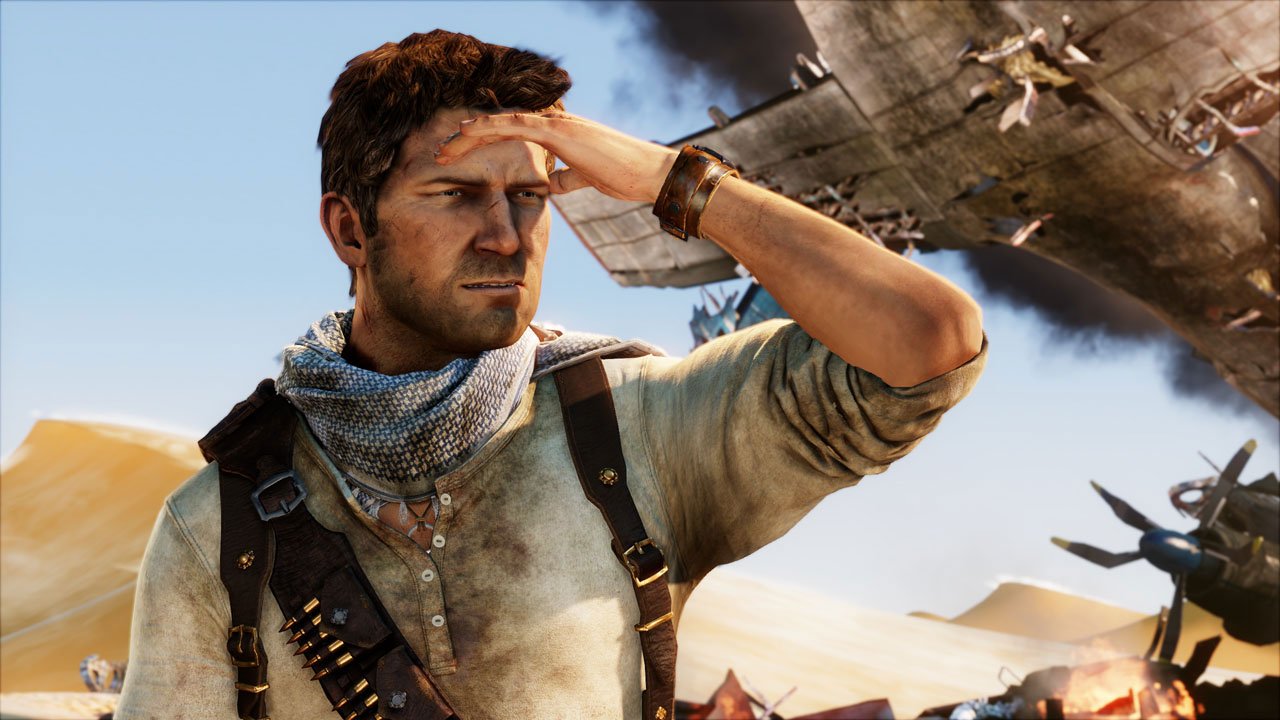
The enduring appeal of Uncharted 3: Drake’s Deception, despite its narrative complexities, lies significantly in its masterfully crafted dialogue. The game’s script, brought to life by an exceptional cast of voice actors, allows its characters to transcend their roles as mere archetypes, making them feel genuinely human and relatable. The dialogue expertly balances humor, tension, and profound personal conflict, enriching every encounter.
Nathan Drake (Voiced by Nolan North): As the protagonist, Nathan Drake’s dialogue is a cornerstone of the Uncharted experience. He embodies the "everyman" hero, quick-witted, often sarcastic, and perpetually in over his head, yet possessing an undeniable charm and resilience. His lines frequently blend dry humor with reckless confidence, even in the direst situations. For instance, his quips during intense firefights or precarious climbs serve not only as comic relief but also as a coping mechanism, revealing a man who uses bravado to mask underlying fears and insecurities. However, Uncharted 3 also peels back these layers, showcasing Drake’s vulnerability. His exchanges with Sully, particularly concerning their past and Nathan’s self-destructive tendencies, are laden with emotional weight. These moments highlight his internal conflict, his yearning for a true family, and his struggle with the allure of danger. His dialogue with Marlowe, on the other hand, often reflects a desperate defiance against her psychological manipulation, revealing his deep-seated issues with abandonment and identity.
Victor Sullivan (Voiced by Richard McGonagle): Victor Sullivan is more than just a partner; he is Nathan’s long-time mentor, father figure, and moral compass. His dialogue is characterized by a blend of seen-it-all wisdom, affectionate sarcasm, and unwavering protectiveness. Sully’s lines often ground Nathan, bringing him back to reality with a dry remark or a stern warning. He delivers classic one-liners with impeccable timing, deflecting tension with humor while simultaneously conveying his deep concern for Nathan’s well-being. For example, his exasperated comments about Drake’s penchant for trouble or his nostalgic anecdotes from their shared past are not just exposition; they are expressions of a profound bond. Sully’s dialogue consistently reinforces his role as the anchor in Nathan’s tumultuous life, often hinting at his own weariness with their dangerous lifestyle but his ultimate loyalty to his surrogate son.
Katherine Marlowe (Voiced by Rosalind Ayres): Katherine Marlowe stands out as one of the series’ most compelling antagonists, largely due to her distinct dialogue style. Unlike many video game villains who rely on bombastic pronouncements, Marlowe is a master of understated menace. Her lines are delivered with chilling calm, intellectual precision, and a manipulative edge, rarely resorting to loud outbursts. She uses psychological warfare, probing Nathan’s insecurities and past traumas with surgical accuracy. Her dialogue is designed to disarm and intimidate, often revealing intimate knowledge of Nathan’s life to unnerve him. She doesn’t just threaten; she dissects, laying bare Nathan’s perceived flaws and self-deceptions. This calculating approach makes her a formidable and memorable adversary, her words hitting harder than any physical blow, embodying the theme of "deception" with every carefully chosen phrase.
Supporting Characters: The dialogue of other key characters like Elena Fisher (Emily Rose), Chloe Frazer (Claudia Black), and Charlie Cutter (Graham McTavish) further enriches the narrative tapestry. Elena’s dialogue often reflects her steadfast loyalty and moral integrity, serving as a beacon of normalcy and stability for Nathan. Chloe’s lines, conversely, exude a cynical pragmatism and self-preservation, providing a foil to Nathan’s reckless heroism. Cutter’s brief but impactful appearance is marked by a rough-around-the-edges charm and a dry wit that perfectly complements the core duo. Their interactions, whether through banter, arguments, or heartfelt confessions, add depth and realism to the ensemble, making the relationships feel authentic and lived-in.
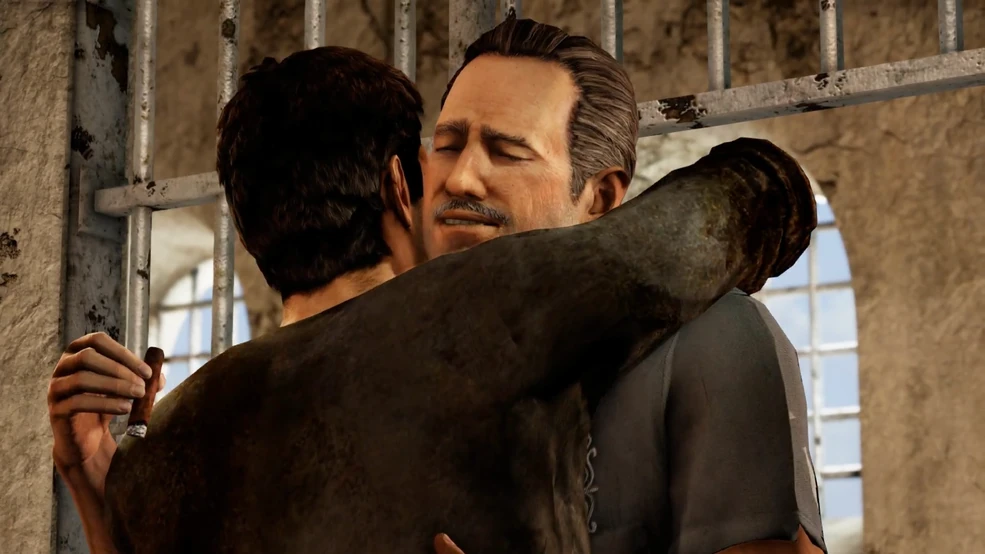
The humor in Uncharted 3 is often situational and character-driven, stemming from the unique personalities and their reactions to increasingly absurd dangers. These lighter moments provide necessary respite from the high stakes, making the characters more endearing and their perilous journey more enjoyable. But it’s the dialogue’s ability to pivot from lighthearted banter to moments of profound emotional resonance that truly distinguishes it. The exchanges about trust, betrayal, legacy, and the true meaning of family are what give Uncharted 3 its lasting impact, proving that the spoken word can be as powerful as any explosion.
Impact and Legacy: Redefining Action-Adventure Narrative
Uncharted 3: Drake’s Deception played a significant role in advancing the narrative ambitions of the action-adventure genre. By daring to delve deeper into its protagonist’s psyche and focusing on the intricate dynamics of its core relationships, Naughty Dog demonstrated that blockbuster spectacle could coexist with profound character development. While its overarching plot might have invited some critique, the game’s commitment to rich, character-driven dialogue and compelling performances cemented its status as a storytelling benchmark.
Its influence is evident in subsequent titles, including the critically acclaimed Uncharted 4: A Thief’s End, which continued to explore Nathan Drake’s past and his relationships with even greater depth. Uncharted 3 proved that players were not just seeking thrilling action but also engaging narratives populated by characters they could genuinely care about. The game’s narrative legacy lies in its bold attempt to infuse a high-octane adventure with a human heart, demonstrating that even amidst collapsing buildings and endless deserts, the most impactful journeys are often those of self-discovery and the bonds forged along the way. Despite its perceived flaws, Uncharted 3: Drake’s Deception remains a testament to the power of well-written dialogue and compelling character arcs in making a video game timeless.
About the Author