Apple is reportedly accelerating the development of its inaugural smartglasses, codenamed N50, with a projected production start in late 2026 and a commercial release slated for 2027. This strategic shift, highlighted by industry analysts, positions the device as a cornerstone of Apple’s broader expansion into artificial intelligence and wearable technology. Unlike the Apple Vision Pro, which focuses on high-fidelity spatial computing, the N50 project aims to deliver a lightweight form factor designed for daily utility. The device is expected to feature a multi-camera array and deep integration with Apple’s proprietary AI models, enabling functionalities such as real-time language translation, object recognition, and advanced audio processing.
The decision to accelerate the N50 timeline comes amid a rapidly evolving market for head-worn wearables. While competitors like Meta and Google have sought partnerships with established eyewear conglomerates—most notably Meta’s successful collaboration with Luxottica for the Ray-Ban Meta collection—Apple is expected to maintain full vertical integration. By leveraging its global retail infrastructure and established reputation for industrial design, Apple aims to position the N50 not merely as a peripheral, but as a standalone status symbol. This approach relies on the brand’s existing "cool factor" to bypass the need for traditional eyewear branding, a move that distinguishes it from other Silicon Valley tech firms.
Strategic Chronology of the XR Hardware Market
The development of the N50 project follows a significant period of experimentation and market testing within the Extended Reality (XR) sector. A timeline of recent and upcoming milestones illustrates the intensifying competition among major technology firms:

- February 2024: Apple launches the Vision Pro, establishing a benchmark for high-end Mixed Reality (MR) displays.
- Late 2024: Meta rumors suggest the launch of "Hypernova 2," an updated version of its display-integrated smartglasses, potentially featuring binocular visuals.
- February 2025: Samsung Unpacked event focuses on the Galaxy S26 series, though the company’s rumored XR collaboration with Google and Qualcomm remains a critical background project.
- March 2025: Pico is scheduled to detail "Project Swan" at the Game Developers Conference (GDC), targeting the high-end MR space.
- Late 2026: Projected production commencement for Apple’s N50 smartglasses.
- 2027: Anticipated retail debut of Apple’s AI-centric eyewear.
This chronology suggests that while 2024 was defined by "heavy" spatial computing headsets, the industry is pivoting toward "lightweight" wearables that prioritize AI assistance and social connectivity over immersive gaming.
Pico’s Project Swan and the High-End Competitive Pivot
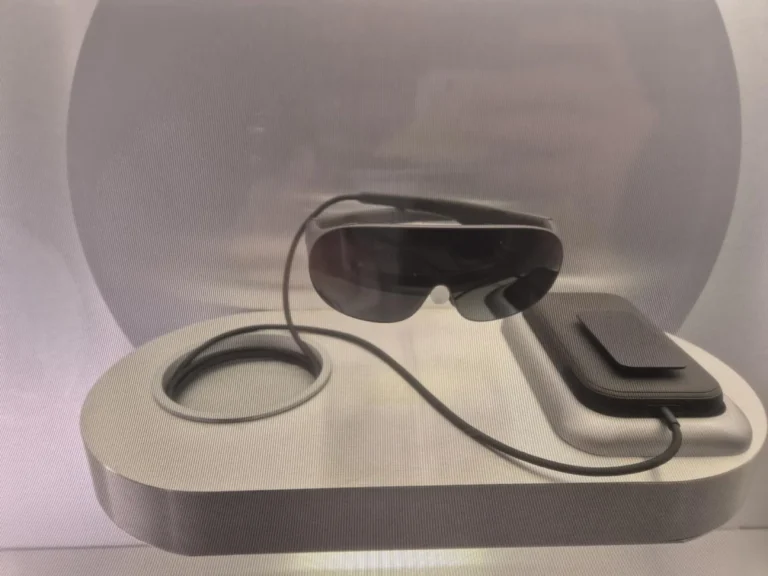
ByteDance-owned Pico is preparing to challenge the premium XR segment currently occupied by Apple and Samsung. At the upcoming Game Developers Conference (GDC), Pico is expected to provide a technical overview of "Project Swan," the codename for its next-generation flagship headset. Early technical specifications indicate the device will feature a proprietary 4,000 PPI (pixels per inch) microOLED display, significantly surpassing the pixel density of many current-generation VR headsets.
Project Swan is designed to run Pico OS 6, a new operating system built to support multimodal interaction systems, including advanced hand and eye tracking. The GDC presentation is expected to focus on developer toolchains and the porting of spatial computing workflows, signaling Pico’s intent to build a robust software ecosystem that can compete with Apple’s visionOS. Analysts suggest that Pico may officially unveil the hardware in the Chinese market prior to the GDC event to allow for a deeper technical discussion during the conference.
Meta’s Ecosystem Realignment and Hardware Roadmaps
Meta Platforms Inc. continues to refine its XR strategy, moving away from a closed "walled garden" approach toward a more flexible ecosystem. Samantha Ryan, Vice President of Content at Meta Reality Labs, recently reiterated the company’s shift in direction. Meta is increasingly separating its social platform, Horizon Worlds, from the core Quest hardware experience, allowing the app to exist as an independent service across various devices. Simultaneously, the company is prioritizing third-party application support and indie developer funding to bolster the Quest Store’s library.

On the hardware front, reports indicate that Meta may be accelerating the launch of its next-generation display-integrated smartglasses. Codenamed "Hypernova 2," the device is rumored for a 2024 or early 2025 release, potentially featuring binocular displays. This move is seen as a direct response to the high demand for the current Ray-Ban Meta glasses, which have faced supply chain constraints due to their popularity. By introducing a display-equipped successor, Meta aims to bridge the gap between simple camera-glasses and full AR spectacles.
Despite hardware challenges, Meta’s software ecosystem has shown resilience. The Horizon+ subscription service recently surpassed one million active subscribers, indicating a growing willingness among consumers to engage with premium VR content on a recurring basis.
Technical Advancements in Streaming and Tracking
The hardware evolution is being supported by significant breakthroughs in software optimization. Apple’s latest visionOS 26.4 beta update has introduced foveated streaming, a technique that reduces bandwidth requirements by rendering high-detail imagery only in the user’s direct line of sight. This technology is particularly beneficial for remote rendering and cloud-based applications, as it allows for high-fidelity visuals without the latency traditionally associated with wireless streaming. Apple’s integration of NVIDIA Cloud XR further suggests a focus on enterprise-grade spatial computing, where high-resolution CAD models and simulations are streamed from powerful external servers to the headset.
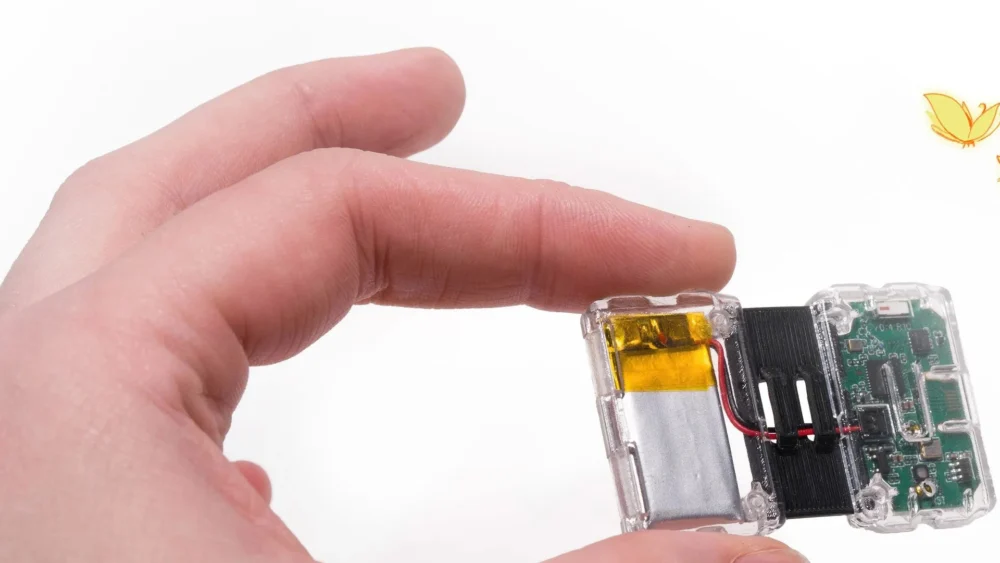
In the enthusiast market, independent hardware manufacturers are also seeing success. SlimeVR’s "Butterfly Trackers" recently concluded a crowdfunding campaign, raising over $400,000. These trackers offer a cost-effective, base-station-free solution for full-body tracking in social VR platforms like VRChat. Featuring a battery life exceeding 48 hours and a compact form factor, the Butterfly Trackers represent a growing trend toward specialized, user-friendly peripherals that enhance the immersion of existing VR setups.

Market Resilience and Social XR Milestones
While the broader VR market has faced scrutiny regarding its long-term growth, recent data points suggest strong engagement in social and community-driven platforms. VRChat recently achieved a new all-time high for concurrent users, driven in part by a major virtual concert in Japan. This milestone underscores the enduring appeal of social XR as a venue for digital events and community interaction, even as the industry navigates a transition in hardware preferences.
Furthermore, niche hardware manufacturers are fulfilling long-standing promises to their user bases. Pimax has begun shipping the "Dream Air," its first small-form-factor headset utilizing microOLED technology. The initial rollout features Lighthouse tracking for high-precision PCVR use, with a standalone SLAM-based version expected to follow. The release of the Dream Air, alongside the continued development of the Nintendo Virtual Boy replica for the Switch, demonstrates a diverse market that caters to both high-end professionals and nostalgic hobbyists.
Broader Impact and Industry Implications
The acceleration of Apple’s N50 project and the competitive responses from Meta and Pico signal a pivotal moment for the XR industry. The focus is clearly shifting from "Virtual Reality" as an isolated experience to "Spatial Computing" and "AI Wearables" as extensions of the smartphone ecosystem. The success of these upcoming devices will likely depend on three factors:
- AI Integration: The ability of smartglasses to act as a proactive digital assistant, using cameras and microphones to understand the user’s environment in real-time.
- Form Factor: Achieving a weight and aesthetic that allows for all-day wear without social stigma or physical discomfort.
- Ecosystem Openness: The degree to which manufacturers allow third-party developers to create meaningful applications that go beyond simple notifications.
As Apple, Meta, and Pico move toward their respective 2026 and 2027 milestones, the XR landscape is poised to transition from a niche gaming market into a mainstream pillar of personal computing. The next three years will determine whether smartglasses can finally fulfill the promise of replacing the smartphone as the primary interface for the digital world.
About the Author