
In an era dominated by visually stunning, technologically advanced video games, the enduring appeal of certain classic titles often serves as a testament to the power of exceptional storytelling and character development over graphical fidelity. BioWare’s Baldur’s Gate II: Shadows of Amn, released in 2000, stands as a prime example, consistently lauded by critics and players alike as one of the greatest role-playing games (RPGs) ever created. Despite its isometric visuals, which might appear dated by contemporary standards, the game’s profound narrative, intricate character arcs, and masterful dialogue have cemented its place in gaming history, proving that substance can indeed transcend ephemeral visual trends.
Setting the Stage: The Dawn of a New Millennium for RPGs
Released during a transitional period for PC gaming, Baldur’s Gate II arrived when 3D graphics were beginning to gain prominence, yet 2D isometric perspectives still held significant sway, particularly within the deep, narrative-driven RPG genre. BioWare, already recognized for its work on the original Baldur’s Gate (1998), capitalized on the capabilities of the Infinity Engine, pushing its boundaries to create a sprawling world of unprecedented detail and interactivity. While competing titles often focused on technological spectacle, Baldur’s Gate II prioritized narrative depth and player agency, offering a rich, Dungeons & Dragons-inspired experience that resonated deeply with its audience. The game’s robust critical reception, including numerous "Game of the Year" awards, underscored its status as a benchmark for storytelling in interactive entertainment.
The Story Unfolds: A Journey of Identity, Power, and Redemption
Baldur’s Gate II: Shadows of Amn picks up shortly after the climactic events of its predecessor. The protagonist, a Bhaalspawn (child of the dead god of murder, Bhaal), and their childhood friend, Imoen, find themselves imprisoned and subjected to arcane experimentation by the enigmatic and malevolent mage, Jon Irenicus. Their escape from his dungeon beneath the city of Athkatla merely marks the beginning of a grander, more personal quest. Imoen is swiftly recaptured by the Cowled Wizards for illegal magic use, forcing the protagonist into a desperate race against time to amass wealth, navigate the treacherous political landscape of Amn, and ultimately confront Irenicus to rescue Imoen and uncover the true extent of his nefarious schemes.
The narrative deftly weaves together classic high-fantasy tropes with deeply personal themes. Players traverse ancient ruins, bustling urban centers, subterranean strongholds, and regions where magic itself is deemed a dangerous commodity. Beyond the immediate goal of defeating a powerful antagonist, the story delves into complex philosophical questions regarding identity, free will, and the corrupting influence of power. It challenges the player to consider whether one’s destiny is predetermined by their origins or shaped by their actions and choices. This introspective layer elevates the game beyond a simple tale of good versus evil, imbuing its dialogue with a profound sense of purpose and making every interaction meaningful.
The Art of Character Dialogue: A Tapestry of Personalities
One of the most frequently cited reasons for Baldur’s Gate II‘s enduring appeal, particularly within communities like Reddit’s patient gamers, is its exceptional dialogue. The game is populated by a diverse cast of sharp-tongued, quirky, and deeply nuanced characters, each possessing a distinct voice that reflects their personality, background, and personal struggles. This attention to detail in writing creates a sense of shared journey with individuals who feel genuinely alive, fostering strong emotional connections between the player and their companions.
Jon Irenicus: The Master of Malice
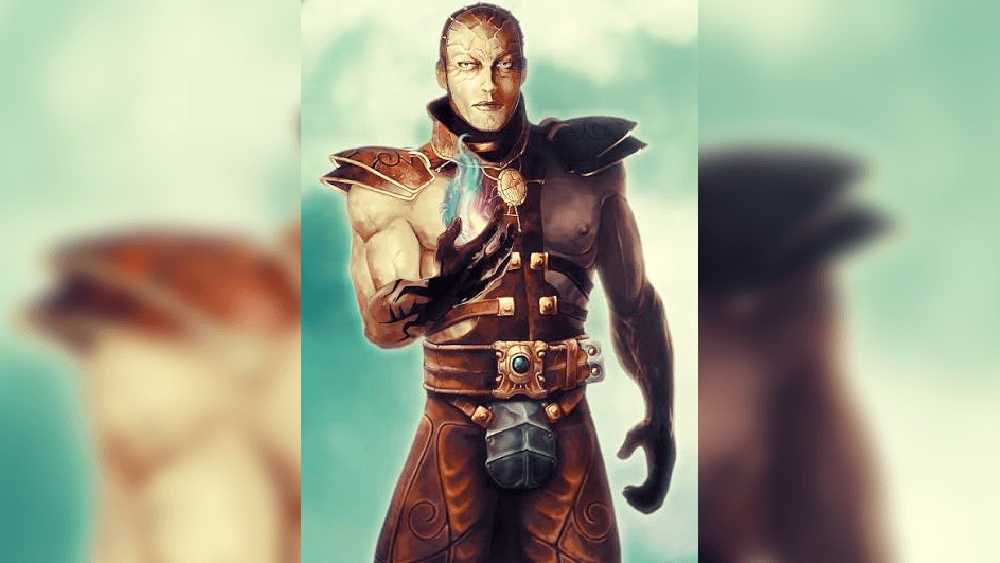
As the primary antagonist, Jon Irenicus stands as one of gaming’s most iconic villains. An elf stripped of his immortality and banished from his homeland, Irenicus is driven by a singular, consuming desire to reclaim what he believes was unjustly taken from him. His dialogue is characterized by a chilling calm, a philosophical detachment that makes his every pronouncement resonate with cold power. He rarely shouts or resorts to theatrics; instead, his measured delivery and eloquent, often poetic, lines convey a profound sense of existential despair and a terrifying intellect. His speeches frequently touch upon the nature of the soul, the illusion of power, and the futility of mortal existence, challenging the protagonist’s own understanding of their divine heritage. This distinct composure, coupled with his deep-seated motivations, makes him not just a formidable foe but a character whose tragic backstory and philosophical musings leave an indelible mark on players.
Imoen: The Heart of the Adventure
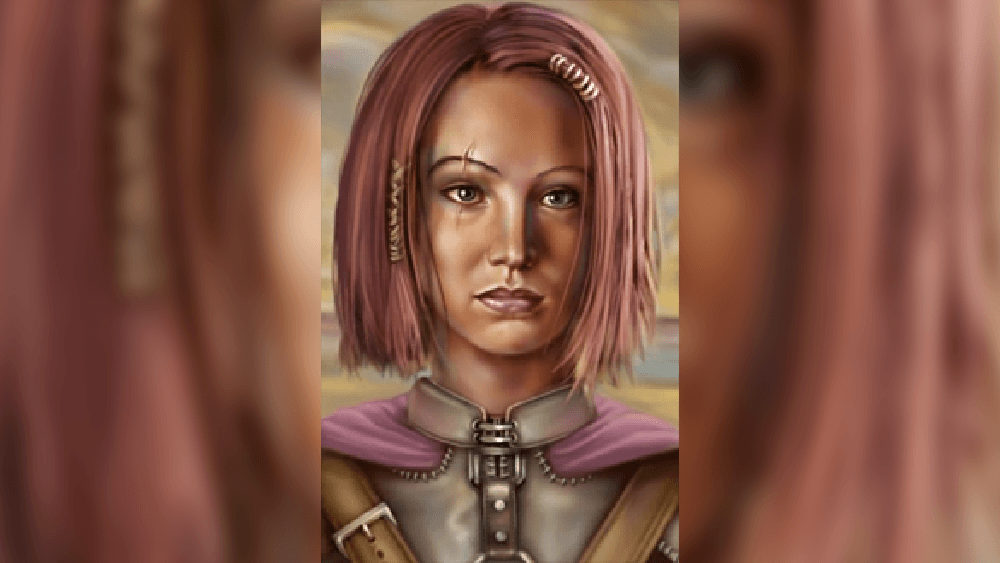
Imoen, the protagonist’s childhood friend and adopted sister, serves as an emotional anchor throughout the tumultuous journey. She embodies warmth, mischief, and an unwavering loyalty, often providing much-needed levity with her cheerful banter. However, her character arc is far from static. As the story progresses, Imoen faces immense personal hardship, grappling with her own latent magical abilities, imprisonment, and the discovery of her own Bhaalspawn heritage. Her dialogue evolves from lighthearted quips to expressions of vulnerability, fear, and resilience, showcasing a profound character growth that makes her journey as compelling as the protagonist’s. Her presence grounds the epic narrative in a personal, relatable bond, reminding players of the human cost amidst grander conflicts.
Minsc and Boo: Unwavering Heroism and Comic Relief
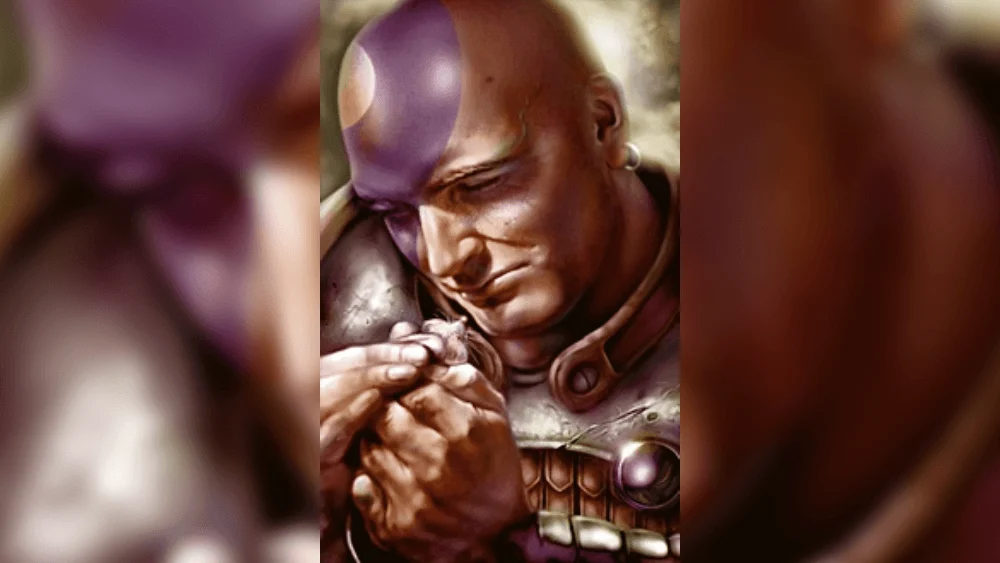
Perhaps the most universally beloved companion in the Baldur’s Gate series is Minsc, the human ranger, and his "miniature giant space hamster," Boo. Minsc’s dialogue is a delightful blend of simple, earnest heroism, unwavering loyalty, and endearing eccentricity. He often speaks in bombastic pronouncements, fueled by a fierce sense of justice and a penchant for "going for the eyes" of his enemies. Boo, his silent but ever-present companion, is the recipient of Minsc’s frequent, one-sided conversations, which are a constant source of humor and lightheartedness. Despite his seemingly simple nature, Minsc embodies a steadfast moral compass and a surprising depth of loyalty. His memorable lines, often delivered with booming enthusiasm, are among the most quoted from the game and provide essential moments of levity that prevent the otherwise serious narrative from becoming overly grim. His dynamic with Boo, a unique blend of absurdity and genuine affection, solidifies his status as an iconic figure in RPGs.
A Tapestry of Personalities: The Ensemble Cast
Beyond these central figures, Baldur’s Gate II boasts a rich ensemble of potential companions, each contributing uniquely to the party’s dynamic and the narrative’s depth. Characters like Jaheira, the pragmatic Half-Elf Fighter/Druid whose cynicism is balanced by a strong sense of duty; Keldorn Firecam, the devout Paladin whose unwavering principles are occasionally challenged by the world’s harsh realities; Viconia DeVir, the cynical Drow Cleric whose sharp wit and dark past offer a unique perspective; Aerie, the innocent Aasimar Cleric/Mage who struggles with her lost wings and newfound vulnerabilities; and Edwin Odesseiron, the arrogant and ambitious Red Wizard whose sarcastic remarks and quest for power provide constant entertainment.
The interactions between these diverse personalities are a cornerstone of the game’s appeal. Companions frequently banter, argue, offer advice, and develop personal quests that reflect their ambitions and struggles. The player’s choices and behavior directly influence these dynamics, shaping relationships and potentially leading to romances, rivalries, or even defections. This intricate web of inter-character dialogue ensures that the party feels less like a collection of combat units and more like a fellowship of distinct individuals, each contributing to the evolving story.
Gameplay and World-Building: A Canvas for Storytelling
While dialogue forms the heart of Baldur’s Gate II, it is seamlessly integrated into a robust gameplay experience. The Infinity Engine’s real-time-with-pause combat system, combined with the detailed 2nd Edition Advanced Dungeons & Dragons ruleset, provides a tactical depth that complements the narrative complexity. Exploring the vast and varied environments, from the sprawling urban maze of Athkatla to the dark, perilous depths of the Underdark and the arcane prison of Spellhold, feels like a genuine adventure. Each location is meticulously crafted, offering distinct challenges, intriguing side quests, and opportunities for character interaction that further enrich the overarching narrative. The game’s capacity for choice and consequence, where decisions made in one area can ripple through the entire campaign, reinforces the impact of its dialogue and the player’s agency.
Critical Acclaim and Enduring Legacy
Upon its release, Baldur’s Gate II: Shadows of Amn received universal critical acclaim. It achieved an aggregate score of 95/100 on Metacritic, signifying "universal acclaim," and garnered numerous accolades, including multiple "Game of the Year" awards from prominent gaming publications. Critics praised its epic scope, sophisticated narrative, deep character customization, and, crucially, its unparalleled writing and voice acting. Its influence on subsequent RPGs is undeniable, setting a high bar for character-driven storytelling and complex world-building. Many contemporary RPG developers cite Baldur’s Gate II as a direct inspiration, particularly for its approach to companion relationships and morally ambiguous choices.
Even over two decades after its launch, the game’s relevance has been sustained through its dedicated fan base and the release of Baldur’s Gate II: Enhanced Edition by Beamdog, which updated the game for modern operating systems and introduced new content. This resurgence of interest, coupled with the monumental success of Baldur’s Gate 3 (which continues the legacy of strong writing and character interaction), has further cemented Shadows of Amn‘s status as a foundational text in the history of video game narratives. Players seeking to understand the lineage of modern RPGs or simply desiring a masterfully crafted story continue to turn to this classic.
A Blueprint for RPG Excellence
Baldur’s Gate II: Shadows of Amn remains a powerful testament to the idea that compelling narrative and meticulously crafted characters are the true hallmarks of a timeless video game. Its ability to immerse players in a world where every conversation feels meaningful, where companions evolve and react to the player’s choices, and where a villain’s words can be as impactful as his spells, sets it apart. The distinct quotes and memorable banter from Jon Irenicus, Imoen, Minsc, and the entire cast are not merely flavor text; they are integral components of an epic story that explores the very essence of identity and power. As the gaming landscape continues to evolve, Baldur’s Gate II stands as a perpetual reminder that a truly great game is defined not just by what it shows, but by what it says, and how profoundly it makes players feel. For those who can’t get enough of this rich narrative tradition, the spiritual successor, Baldur’s Gate 3, offers a new chapter in the saga, proving that the demand for truly great dialogue in RPGs is as strong as ever.
About the Author







