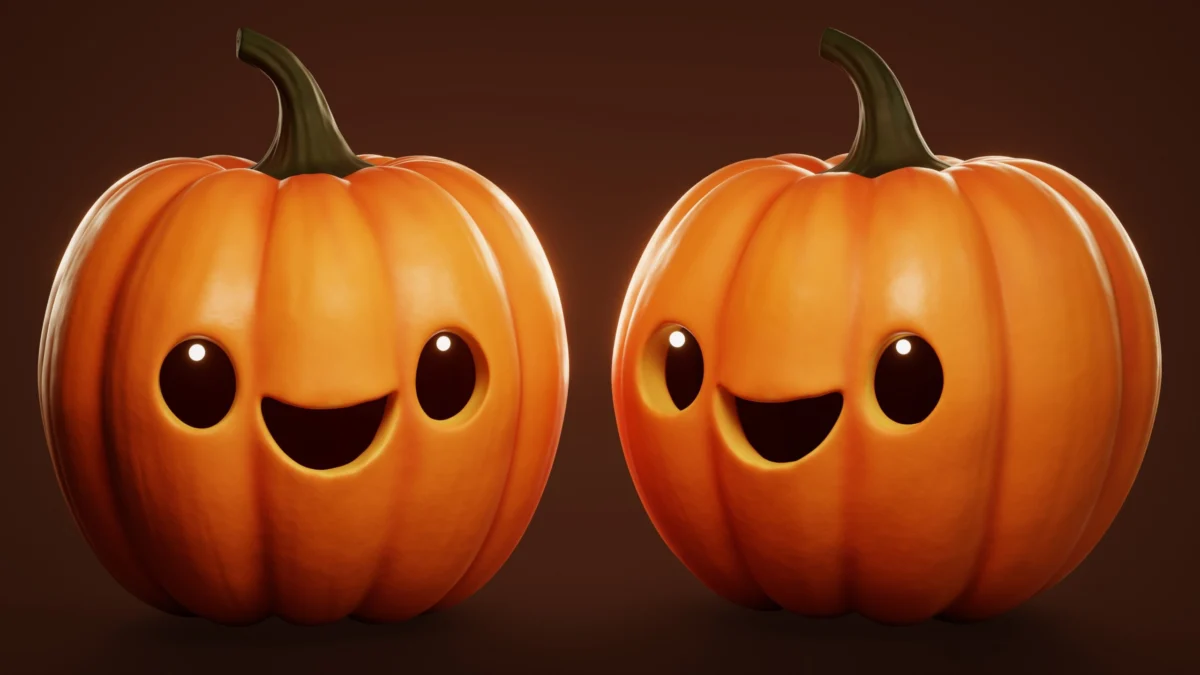
Renowned 3D artist and YouTube educator Ryan King has released a compelling new video tutorial, guiding aspiring and experienced Blender users alike through the process of creating a charming "Cute Pumpkin Carving Sculpt." This latest offering from King, a familiar face in the Blender community known for his accessible and detailed instructional content, promises to be a valuable resource for those looking to hone their digital sculpting and texturing skills, particularly with a seasonal theme. The tutorial, published on October 20, 2026, has already garnered significant attention within the BlenderNation platform, a hub for Blender enthusiasts and professionals seeking news, tutorials, and community interaction.
Unpacking the Tutorial: A Step-by-Step Artistic Journey
The core of Ryan King’s tutorial, as highlighted by its prominent placement on BlenderNation, lies in its practical, hands-on approach. The video, embedded directly within the article, serves as the central visual guide. While the exact duration and specific techniques employed are best understood by watching the full video, the thumbnail and title suggest a focus on achieving a stylized, adorable aesthetic for a pumpkin. This implies a departure from hyper-realistic rendering, instead emphasizing creative interpretation and artistic flair.
King’s methodology is likely to encompass several key stages of the 3D modeling pipeline:
- Initial Sculpting: The tutorial will probably begin with basic mesh manipulation, employing Blender’s powerful sculpting tools to define the overall shape and form of the pumpkin. This could involve techniques like dynamic topology (Dyntopo) or the multiresolution modifier to add finer details and contours. The "carving" aspect suggests that the tutorial might explore subtractive modeling techniques or the use of brushes to create the impression of gouged-out features, typical of traditional pumpkin carving.
- Detailing and Refinement: Following the initial shaping, King is expected to guide viewers through the process of adding intricate details. This could include the characteristic ridges of a pumpkin, the stem, and any facial features or decorative patterns that contribute to its "cute" appearance. The tutorial may also touch upon creating secondary forms and surface imperfections that add realism and character.
- Texturing and Material Creation: A crucial element of any 3D artwork is its surface appearance. This tutorial will almost certainly delve into texturing, potentially using Blender’s built-in texture painting tools or procedural texturing methods to create the rough, organic surface of a pumpkin. The creation of realistic or stylized shaders to simulate the material properties of carved pumpkin—perhaps with subsurface scattering to suggest light passing through thinner areas—is also a probable component.
- Lighting and Rendering: To showcase the final sculpted piece effectively, King will likely provide insights into lighting setups that enhance the mood and form of the model. This could involve using an HDRI (High Dynamic Range Image) for ambient lighting and strategically placed area lights or point lights to highlight key features and cast compelling shadows. The rendering stage, where the final image is generated, will also be covered, with tips on achieving optimal visual quality within Blender’s rendering engines (Cycles or Eevee).
The emphasis on "cute" suggests a potential exploration of stylized proportions, exaggerated features, and perhaps a more vibrant or playful color palette than one might find in a photorealistic rendering. This allows for a broader creative interpretation and caters to a wide range of artistic sensibilities.
Context and Background: The Enduring Appeal of Seasonal 3D Art
The release of a tutorial focused on pumpkins, particularly in October, taps into a well-established trend within the digital art community. Halloween, with its iconic imagery of pumpkins, ghosts, and spooky themes, provides a fertile ground for creative expression. Many 3D artists use this period as an opportunity to showcase their skills and engage with a seasonal theme that resonates with a global audience.
BlenderNation, as a leading platform for Blender news and resources, plays a vital role in connecting artists with tutorials like King’s. The site’s commitment to showcasing diverse content, from architectural visualizations to character modeling and, as seen here, seasonal sculpting, makes it an indispensable resource for the Blender ecosystem. By featuring Ryan King’s tutorial, BlenderNation not only provides valuable learning material but also contributes to the ongoing discourse and development within the 3D art world.
Ryan King’s own background as a 3D Artist and YouTuber, with a dedicated channel at YouTube.com/RyanKingArt, further contextualizes this release. His consistent output of tutorials demonstrates a commitment to sharing knowledge and fostering a community of learning. His presence on BlenderNation suggests a collaborative relationship, where his expertise is amplified to a wider audience. The fact that he identifies himself as a "3D Artist and YouTuber" underscores the modern landscape of creative professionals who leverage online platforms to build their careers and connect with their audience.
Chronology of Creation and Dissemination
While the precise timeline of the tutorial’s creation is not publicly detailed, the publication date of October 20, 2026, places it squarely within the prime season for pumpkin-themed content. This strategic timing is a common practice for creators aiming to capitalize on seasonal interest.
The dissemination process likely involved:
- Creation: Ryan King conceptualized, designed, and executed the pumpkin carving sculpt in Blender. This phase would involve extensive modeling, sculpting, texturing, lighting, and rendering.
- Filming and Editing: The process of creating the 3D asset would be documented, likely through screen recording and voiceover narration, to produce the video tutorial. Editing would then refine the footage for clarity and conciseness.
- Publication on YouTube: The completed video tutorial would be uploaded to King’s YouTube channel, with appropriate titles, descriptions, and tags to ensure discoverability.
- Submission and Feature on BlenderNation: The tutorial would then be submitted to BlenderNation, where it would be reviewed and, if selected, published on their platform, complete with the embedded video and a brief descriptive text. This ensures broader reach within the dedicated Blender community.
- Community Engagement: Following publication, the tutorial would likely see engagement in the form of comments on both BlenderNation and YouTube, where viewers might ask questions, share their own creations, and offer feedback.
The publication date also allows viewers ample time to follow the tutorial and create their own pumpkin sculptures before Halloween on October 31st, offering a practical benefit to those who wish to participate in the holiday’s creative traditions.
Supporting Data and Potential Implications
While specific viewership numbers for this particular tutorial are not immediately available, the general trend for high-quality Blender tutorials on platforms like YouTube and BlenderNation is substantial. Channels with similar content often boast subscriber counts in the hundreds of thousands, with individual tutorial videos accumulating millions of views over time. This indicates a significant, active, and growing global audience interested in learning 3D art.
The implications of such tutorials are multifaceted:
- Skill Development: For aspiring 3D artists, these tutorials serve as invaluable learning tools, breaking down complex processes into digestible steps. They provide practical experience and introduce new techniques and workflows.
- Community Building: The shared experience of learning from a tutorial fosters a sense of community. Viewers often connect through comments sections, sharing their progress and offering support, strengthening the Blender user base.
- Creative Inspiration: Tutorials can spark new ideas and encourage artists to experiment with different styles and themes. The "cute" aesthetic of this pumpkin sculpt, for example, might inspire artists to explore more stylized approaches in their future work.
- Democratization of 3D Art: The accessibility of free software like Blender, combined with readily available tutorials, significantly lowers the barrier to entry for individuals interested in pursuing 3D art, regardless of their financial resources.
- Seasonal Content Creation: The tutorial contributes to the rich tapestry of seasonal digital art, providing a readily available resource for individuals and businesses looking to create themed content for holidays like Halloween. This can range from personal projects to marketing materials.
The success of such tutorials also reflects on the broader 3D industry. As more individuals gain proficiency in tools like Blender, the talent pool for freelance artists, game developers, animators, and visual effects professionals continues to expand. This can lead to increased innovation and a more diverse range of creative output across various media.
Broader Impact and Analysis
The "Cute Pumpkin Carving Sculpt" tutorial by Ryan King, featured on BlenderNation, represents more than just a simple how-to guide. It is a microcosm of the thriving and accessible world of digital art creation. The tutorial’s focus on a popular seasonal theme ensures its relevance and appeal, while the platform of BlenderNation guarantees it reaches a dedicated and engaged audience.
The fact that this tutorial is available through a free software like Blender, coupled with the open nature of platforms like YouTube and BlenderNation, highlights the democratization of creative industries. Individuals from anywhere in the world with an internet connection and a desire to learn can acquire sophisticated 3D art skills. This not only empowers individuals but also fosters a global exchange of artistic ideas and techniques.
Furthermore, the recurring trend of seasonal tutorials underscores the adaptability of 3D art to cultural events and celebrations. Artists are not only creating digital assets for professional projects but also finding creative outlets for personal expression and community engagement. This dynamic interaction between artistic skill, accessible tools, and cultural relevance is a hallmark of the modern digital creative landscape. The enduring popularity of tutorials like Ryan King’s is a testament to the power of shared knowledge and the universal appeal of artistic creation.
About the Author