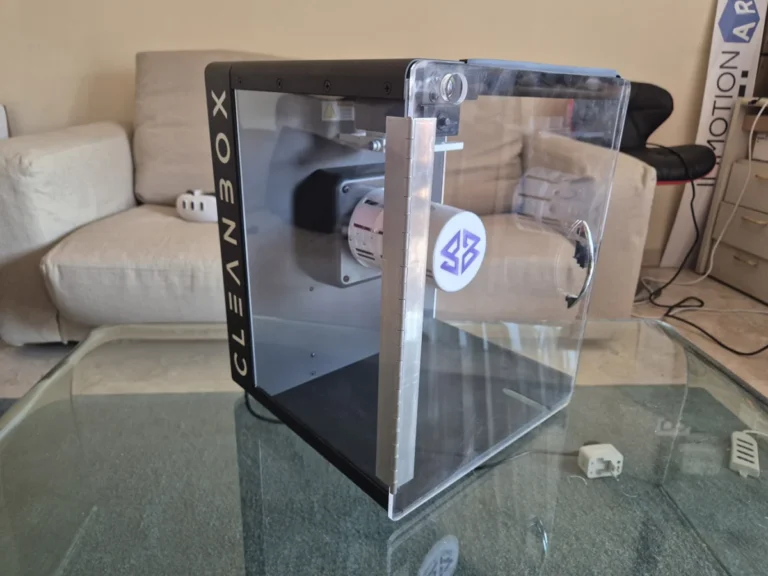
The landscape of extended reality (XR) hardware maintenance underwent a significant shift during the recent Meta Connect event, where Cleanbox Technology, an American leader in ultraviolet-C (UVC) sanitization, unveiled two new portable solutions: the Cleanbox Mini and the Cleanbox Nano. These devices represent a strategic pivot for the company, moving from high-throughput stationary units toward highly mobile, accessible hardware designed for the evolving needs of enterprise professionals and independent developers. By addressing the specific hygiene challenges of virtual reality (VR) headsets and the burgeoning smartglasses market, Cleanbox aims to standardize sanitation protocols across both large-scale exhibitions and intimate client demonstrations.

The Evolution of Hygiene Standards in the XR Industry
Since the commercial resurgence of virtual reality in 2016, the industry has grappled with the logistical and health-related challenges of shared hardware. In public settings such as trade shows, location-based entertainment (LBE) centers, and corporate training facilities, a single headset may be worn by dozens of individuals in a single day. Traditional cleaning methods, such as alcohol-based wipes, have often proven insufficient or even damaging to the sensitive optics and porous facial interfaces of modern head-mounted displays (HMDs).
Cleanbox Technology established its market presence by utilizing proprietary UVC LED technology to eliminate 99.999% of viruses, bacteria, and fungi in short, 60-second cycles. While their flagship product, the Cleanbox CX1, became a staple for high-traffic environments due to its ability to process over 50 units per hour, its substantial physical footprint and $2,495 price point created barriers for mobile professionals. The introduction of the Mini and Nano models at Meta Connect suggests a recognition that the XR market is maturing beyond stationary installations and moving toward "on-the-go" enterprise applications.

Cleanbox Mini: Redefining Portability for VR Hardware
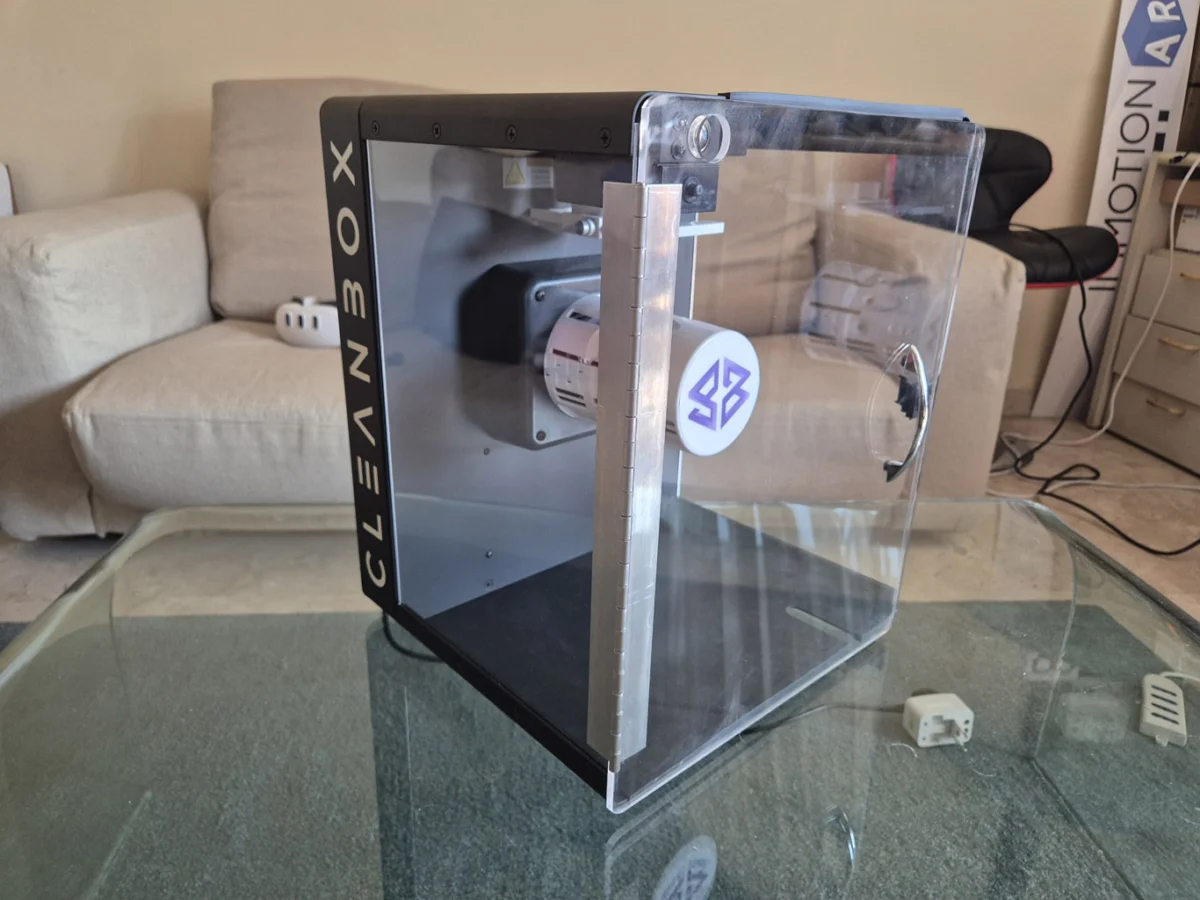
The Cleanbox Mini is engineered to provide the same medical-grade sanitization as its larger predecessors but within a form factor comparable to a standard VR headset carrying case. Measuring 12.5 x 10 x 8.5 inches and weighing approximately 5.3 pounds, the device is designed to fit inside a standard backpack, allowing field representatives and consultants to maintain hygiene standards during off-site demos.
The technical specifications of the Cleanbox Mini include:

- Dimensions: 12.5" x 10" x 8.5"
- Weight: 5.3 lbs
- Sanitization Cycle: 60 seconds
- Power Source: Standard wall plug
- Compatibility: Most standalone VR headsets (e.g., Meta Quest 3, Pico 4) and their respective controllers.
Priced at $799, the Mini serves as a mid-tier solution that bridges the gap between high-end industrial units and manual cleaning. While it lacks the integrated USB charging and high-volume throughput of the CX1, its value proposition lies in its mobility. Industry analysts suggest that this model will likely see high adoption among independent software vendors (ISVs) and sales teams who frequently travel to client sites to demonstrate XR solutions.
Cleanbox Nano: A Specialized Solution for the Smartglasses Era
The most surprising reveal at Meta Connect was the Cleanbox Nano, a device small enough to be carried in a handbag or briefcase. The Nano is specifically designed to address the unique form factors of smartglasses and augmented reality (AR) frames, such as the Ray-Ban Meta glasses or the newly teased Orion AR prototype.

As smartglasses integrate more deeply into the "ambient computing" ecosystem, they are often paired with secondary input devices like smart rings or neural wristbands. The Cleanbox Nano addresses this by including dedicated internal holders for a watch and a ring, allowing for the simultaneous sanitization of a complete wearable suite.
Key features of the Cleanbox Nano include:

- Dimensions: 8" x 6.5" x 2.2"
- Weight: 2.2 lbs
- Power: Integrated battery capable of at least 20 sanitization cycles per charge.
- Cycle Time: 60 to 90 seconds.
- Price Point: $399.
The inclusion of an internal battery is a critical differentiator for the Nano, as it eliminates the need for a tethered power source during mobile use. This allows professionals to sanitize hardware in environments where power outlets may be inaccessible, such as outdoor field tests or transit-based demonstrations.
Timeline and Market Availability
Cleanbox has officially opened preorders for both the Mini and the Nano following their debut at Meta Connect. According to company statements, the production timeline is set for a Q1 2027 shipping window. This timeline aligns with the projected growth of the enterprise AR market, which is expected to see increased hardware deployments as lightweight smartglasses become more capable.

The current product roadmap for Cleanbox now features:
- Cleanbox CX Series: For high-volume, stationary enterprise use ($2,495+).
- Cleanbox Mini: For mobile VR professionals and small teams ($799).
- Cleanbox Nano: For smartglasses and wearable tech enthusiasts ($399).
Technical Analysis: The Efficacy of UVC vs. Chemical Cleaning
The reliance on UVC LED technology is central to Cleanbox’s value proposition. Unlike liquid chemicals, UVC light is non-abrasive and leaves no residue, which is vital for maintaining the clarity of pancake lenses and specialized coatings on AR waveguides. Furthermore, UVC light can penetrate the crevices of fabric-based head straps and foam gaskets where bacteria often proliferate.

Research into shared XR hardware has historically highlighted the risk of transmitting dermatological and ophthalmic infections, such as conjunctivitis. By automating the disinfection process, these new portable units reduce the margin for human error that often accompanies manual wiping. The 60-second cycle time is also optimized for "hot-swapping" hardware during back-to-back meetings, a common scenario in enterprise sales.
Broader Implications for the XR Ecosystem
The launch of these products reflects a broader trend toward professionalization in the XR industry. As major players like Meta and Apple push for the adoption of spatial computing in the workplace, the supporting infrastructure—including hygiene and maintenance—must keep pace.

For the enterprise sector, the availability of the Cleanbox Mini and Nano removes a significant "friction point" in deployment. Companies that were previously hesitant to implement shared-device programs due to hygiene concerns now have a scalable, verifiable method for ensuring user safety. Moreover, the lower price points of the new models democratize access to professional-grade sanitization, moving it beyond the reach of only Fortune 500 companies and into the hands of smaller developers and educators.
Conclusion
The introduction of the Cleanbox Mini and Nano marks a maturation of the XR accessory market. By focusing on portability and specialized form factors, Cleanbox is positioning itself to remain an essential partner for hardware manufacturers and enterprise users alike. As the industry moves toward the Q1 2027 release of these devices, the emphasis on hygiene is likely to become a standard component of the XR user experience, ensuring that the transition to spatial computing is as safe as it is immersive. While $799 and $399 remain significant investments for individual users, for the professional XR community, these devices represent a necessary step toward a more sustainable and hygienic future for shared technology.
About the Author