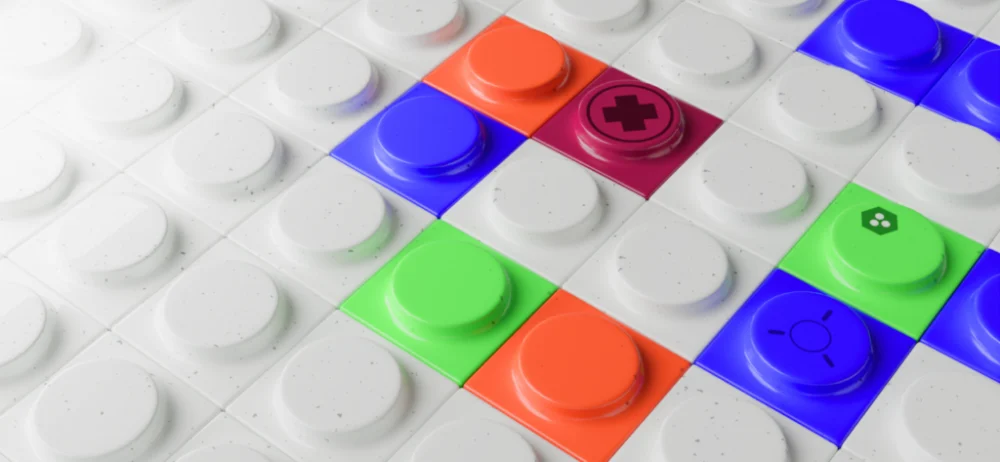
BlenderNation has unveiled a captivating new tutorial that delves into the intricate world of 3D animation, focusing on the creation of a vibrant keycap animation. This tutorial, authored by polygonrunway, leverages the powerful procedural texturing capabilities of Blender to generate a visually engaging animation that is both technically instructive and aesthetically pleasing. The content highlights a specific workflow designed to empower users with the ability to craft dynamic and colorful animated sequences, with a particular emphasis on the detailed modeling and texturing of everyday objects like keyboard keycaps. This release underscores Blender’s growing influence in the professional animation and design sectors, offering accessible yet sophisticated tools for creators.
The Art of Procedural Texturing in Blender
Procedural texturing is a cornerstone of modern 3D content creation, allowing artists to generate complex and versatile textures using algorithms and mathematical functions rather than relying solely on pre-made image files. This approach offers significant advantages, including infinite scalability, easy modification, and the ability to create highly dynamic and responsive surfaces. In the context of this tutorial, polygonrunway demonstrates how to harness Blender’s node-based shader editor to construct intricate procedural materials for the keycaps.
The process likely involves building a network of nodes that define the color, roughness, metallic properties, and even subtle surface imperfections of the keycaps. This could include techniques such as using noise textures to simulate surface grain, color ramps to introduce gradients and variations, and mathematical nodes to control the distribution and intensity of these effects. The tutorial’s focus on "colorful" keycaps suggests an exploration of how to generate a wide spectrum of hues and potentially animated color shifts, adding a layer of dynamism that traditional static texturing cannot easily achieve.

Crafting Dynamic Keycap Animations
Beyond static rendering, the tutorial emphasizes animation, a critical component of engaging visual content. The creation of a "keycap animation" implies a process that might involve several elements:
- Modeling: The initial creation of the 3D models for the keycaps themselves. This could range from simple, standardized designs to more elaborate, custom-shaped keycaps. The tutorial likely guides viewers through efficient modeling techniques suitable for repetitive objects.
- Rigging and Animation: Depending on the desired outcome, the keycaps might be animated in various ways. This could include simple translations and rotations to simulate typing, more complex deformations to suggest a bouncy or elastic feel, or even a dynamic arrangement of the keycaps in a scene. The procedural nature of the texturing could also be integrated into the animation, allowing colors to shift or patterns to evolve over time.
- Scene Composition: The arrangement of the animated keycaps within a 3D environment. This might involve setting up lighting, camera angles, and potentially other elements to enhance the visual narrative of the animation.
The choice of keycaps as the subject matter is noteworthy. They are ubiquitous objects in the digital age, making them relatable and offering a familiar canvas for creative exploration. Their often-colorful designs also provide a natural entry point for discussions on vibrant aesthetics in 3D art.
The Role of BlenderNation and Educational Content
BlenderNation has long been a pivotal platform for the Blender community, serving as a central hub for news, tutorials, and discussions related to the open-source 3D creation suite. The website’s consistent publication of high-quality educational content, such as this tutorial, plays a crucial role in democratizing access to advanced 3D art techniques. By providing free and readily available learning resources, BlenderNation empowers aspiring artists and seasoned professionals alike to expand their skill sets and push the boundaries of their creative output.
The platform’s commitment to showcasing a diverse range of Blender applications, from character animation and architectural visualization to game development and motion graphics, reinforces Blender’s position as a versatile and powerful tool. This specific tutorial on keycap animation aligns with the broader trend of using 3D software to create engaging visual content for social media, advertising, and personal projects.

Supporting Data and Industry Trends
The demand for skilled 3D animators and motion designers continues to grow across various industries. According to recent reports from industry analysis firms, the global 3D animation market is projected to expand significantly in the coming years, driven by the increasing adoption of 3D content in film, television, gaming, advertising, and virtual reality.
- Market Growth: Projections from Mordor Intelligence suggest the global 3D animation market was valued at USD 17.95 billion in 2020 and is expected to reach USD 32.25 billion by 2026, growing at a CAGR of 10.16%. This indicates a robust and expanding ecosystem for 3D creation.
- Skill Demand: Job postings for 3D animators, motion graphics designers, and technical artists frequently highlight proficiency in software like Blender, Maya, and Cinema 4D. Skills in procedural texturing, character animation, and real-time rendering are particularly sought after.
- Open-Source Impact: The rise of powerful open-source software like Blender has democratized access to professional-grade 3D tools. This has led to an increase in independent creators and smaller studios producing high-quality content, challenging traditional industry gatekeepers.
This tutorial directly addresses the growing need for accessible yet comprehensive training in these in-demand skills. By focusing on procedural texturing and animation within a popular and free software package, it equips users with a marketable skillset.
Timeline and Chronology of the Tutorial’s Release
The tutorial was published on BlenderNation on March 12, 2026, at 16:55:33 +01:00, indicating a recent addition to the platform’s extensive library of educational resources. The author, polygonrunway, is identified as a designer and illustrator with a focus on teaching 3D through their website, www.polygonrunway.com. This suggests a structured approach to content creation, where tutorials are developed and then shared across multiple platforms to reach a wider audience.
The release date places this content within the current landscape of 3D software development and user engagement. Blender, currently in its 3.x and anticipating its 4.x versions, continues to evolve with regular updates that introduce new features and refine existing ones. Tutorials like this one serve to keep the community abreast of these advancements and demonstrate practical applications of the latest tools.

Potential Reactions and Broader Impact
The release of such a tutorial is likely to be met with positive reception from the Blender community. Enthusiasts and aspiring professionals will appreciate the detailed breakdown of a complex workflow, offering a tangible project to learn from.
- Community Engagement: Tutorials often spark discussions in comment sections and on social media platforms, where users can share their own interpretations of the project, ask questions, and offer feedback. This collaborative environment is a hallmark of the Blender ecosystem.
- Skill Development: For individuals looking to improve their animation and texturing skills, this tutorial provides a clear path to achieving a specific, visually appealing result. The emphasis on procedural methods is particularly valuable, as it fosters a deeper understanding of how textures are constructed and can be manipulated.
- Creative Inspiration: The "colorful" aspect of the animation suggests an exploration of aesthetic principles, potentially inspiring users to experiment with their own color palettes and visual styles. This can lead to a more diverse and innovative output from the community.
- Professional Application: The techniques demonstrated in this tutorial are transferable to professional contexts, such as creating animated explainer videos, product visualizations, or even assets for game development. The ability to quickly generate variations and iterate on designs using procedural methods is a significant asset in fast-paced production environments.
The author’s background as an educator further lends credibility to the tutorial’s instructional value. Their stated mission to teach 3D suggests a pedagogical approach that prioritizes clarity, practicality, and effective knowledge transfer.
Analysis of Implications
The continued proliferation of high-quality, accessible tutorials like the one on keycap animation has several significant implications for the 3D industry:
- Democratization of Skills: Open-source software coupled with free educational content lowers the barrier to entry for aspiring 3D artists. This fosters a more diverse talent pool and encourages innovation from unexpected sources.
- Rapid Skill Acquisition: Learners can acquire complex skills in a structured and efficient manner, enabling them to contribute to projects sooner and adapt to evolving industry demands.
- Niche Specialization: Tutorials often focus on specific areas of 3D creation, allowing individuals to develop deep expertise in particular niches, such as procedural modeling, character rigging, or stylized rendering.
- Community-Driven Innovation: The sharing of knowledge and techniques through tutorials fuels a cycle of continuous improvement and innovation within the Blender community. Users build upon existing workflows, leading to new discoveries and advancements.
- Economic Empowerment: The skills learned from these tutorials can translate into freelance opportunities, employment, or the ability to launch independent creative ventures, contributing to economic growth and individual empowerment.
In conclusion, the "Colorful Animation Tutorial: Mastering Procedural Texturing and Keycap Animation in Blender" represents more than just a single piece of instructional content. It is a testament to the power of open-source software, the effectiveness of community-driven education, and the enduring appeal of creative expression through digital art. As Blender continues to evolve and its user base expands, such tutorials will remain indispensable tools for shaping the future of 3D content creation.
About the Author