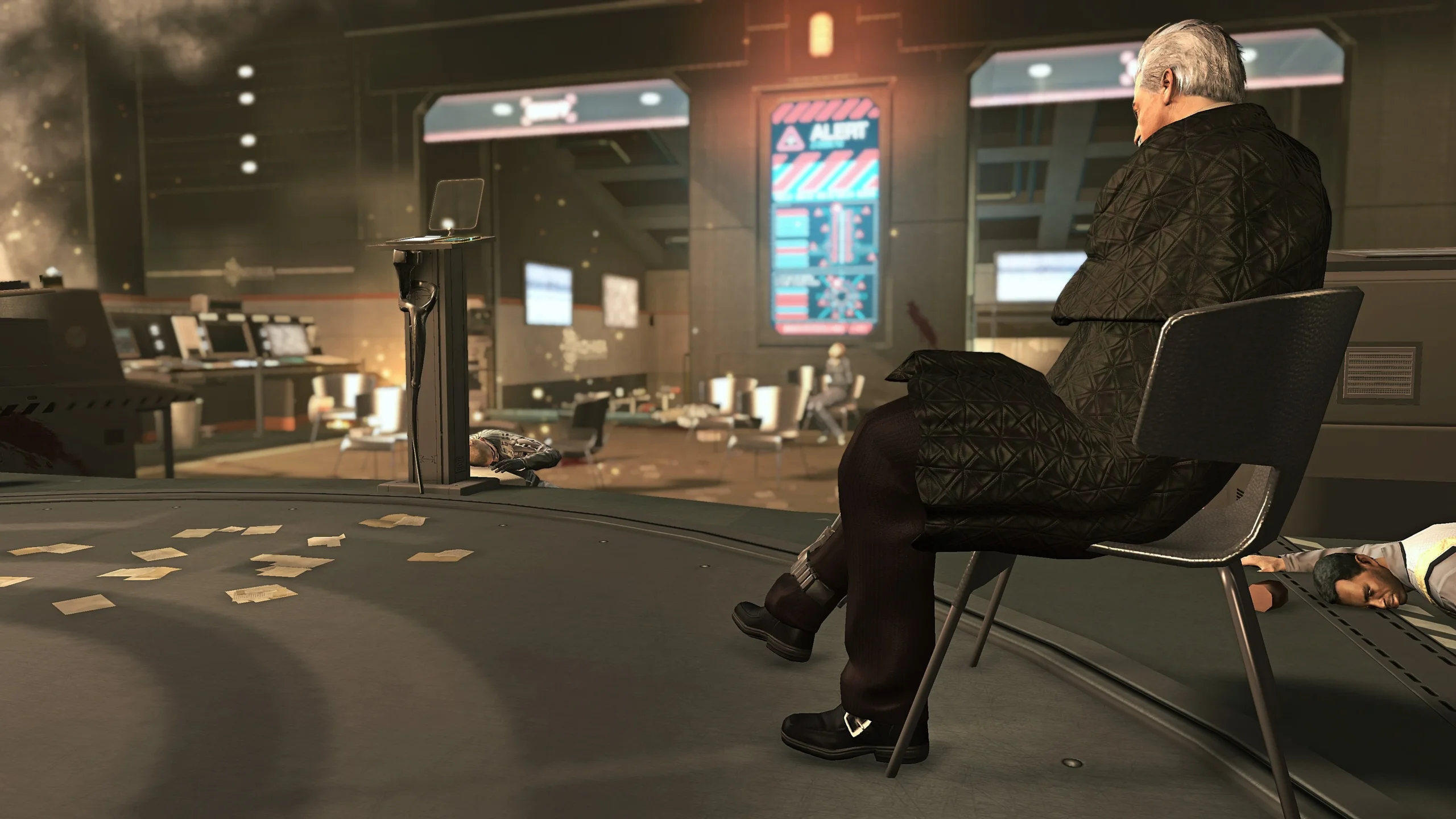
The release of Deus Ex: Human Revolution in 2011 marked a pivotal moment for the venerated Deus Ex franchise, resurrecting it from an eight-year hiatus following a critically divisive sequel. Developed by Eidos-Montréal and published by Square Enix, the prequel not only met but largely exceeded the fervent expectations of a dedicated fanbase, establishing itself as a narrative powerhouse within the action-RPG genre. Its success was not merely in its engaging gameplay, which deftly blended stealth, combat, hacking, and social interaction, but profoundly in its award-winning writing and the compelling philosophical questions it dared to pose about the future of humanity.
The Genesis of a Cyberpunk Revival
The original Deus Ex, launched in 2000 by Ion Storm, is widely considered a landmark title in video game history. Hailed for its innovative immersive sim design, unparalleled player choice, and intricate cyberpunk narrative, it garnered numerous Game of the Year awards and cemented its place as a genre-defining masterpiece. Its blend of conspiracy theories, transhumanism, and moral ambiguity set a high bar for future installments. However, its direct sequel, Deus Ex: Invisible War, released in 2003, failed to capture the same critical or commercial acclaim. Criticized for design compromises, a streamlined experience, and a narrative that many felt lacked the depth of its predecessor, Invisible War effectively put the series "on ice," leaving fans yearning for a worthy successor.
Eight years later, the daunting task of reviving the franchise fell to the newly established Eidos-Montréal studio. Formed in 2007, the studio embarked on Human Revolution with a clear mandate: honor the legacy of the original while forging a new path. Game director Jean-François Dugas openly admitted the immense pressure facing his team, stating that their confidence in the game had to constantly contend with the "pressure to meet die-hard fans’ expectations." This internal struggle for validation against the weight of a beloved legacy underscores the development team’s commitment to delivering a truly authentic Deus Ex experience. The studio understood that merely replicating the past would not suffice; they needed to innovate while retaining the core tenets that made the series unique.
Development and Critical Acclaim
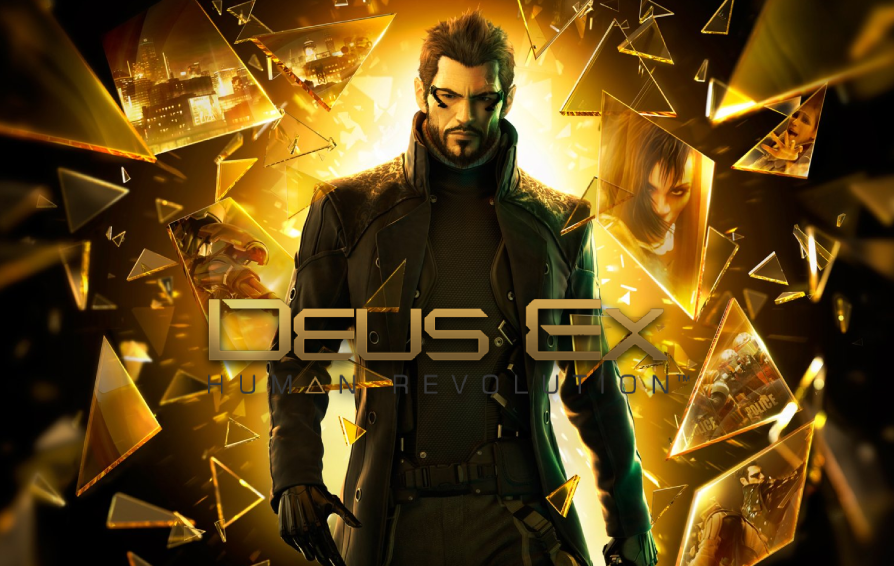
Deus Ex: Human Revolution officially launched in August 2011 across PC, PlayStation 3, and Xbox 360 platforms. The critical reception was overwhelmingly positive, signaling a triumphant return for the series. Review aggregate site Metacritic awarded the PC version a score of 90/100, with console versions close behind at 89/100, reflecting widespread praise for its complex narrative, robust gameplay mechanics, and distinctive art direction. Commercially, the game was a significant success for Square Enix, selling over 2.18 million units worldwide within its first month, far exceeding initial projections. This strong performance demonstrated a clear appetite among players for mature, thought-provoking science fiction in video games.
A particular highlight frequently cited by critics and players alike was the game’s narrative depth. Lead Writer Mary DeMarle and her team were lauded for crafting a story that was both engaging and intellectually stimulating. This acclaim culminated in Deus Ex: Human Revolution receiving the Canadian Videogame Award for Best Writing, a testament to the intricate plotlines, compelling character arcs, and profound thematic exploration embedded within the game. The narrative, a sprawling cyberpunk mystery, effectively served as the backbone for the entire experience, elevating it beyond a mere action title.
The Story: A Web of Conspiracies and Philosophical Dilemmas
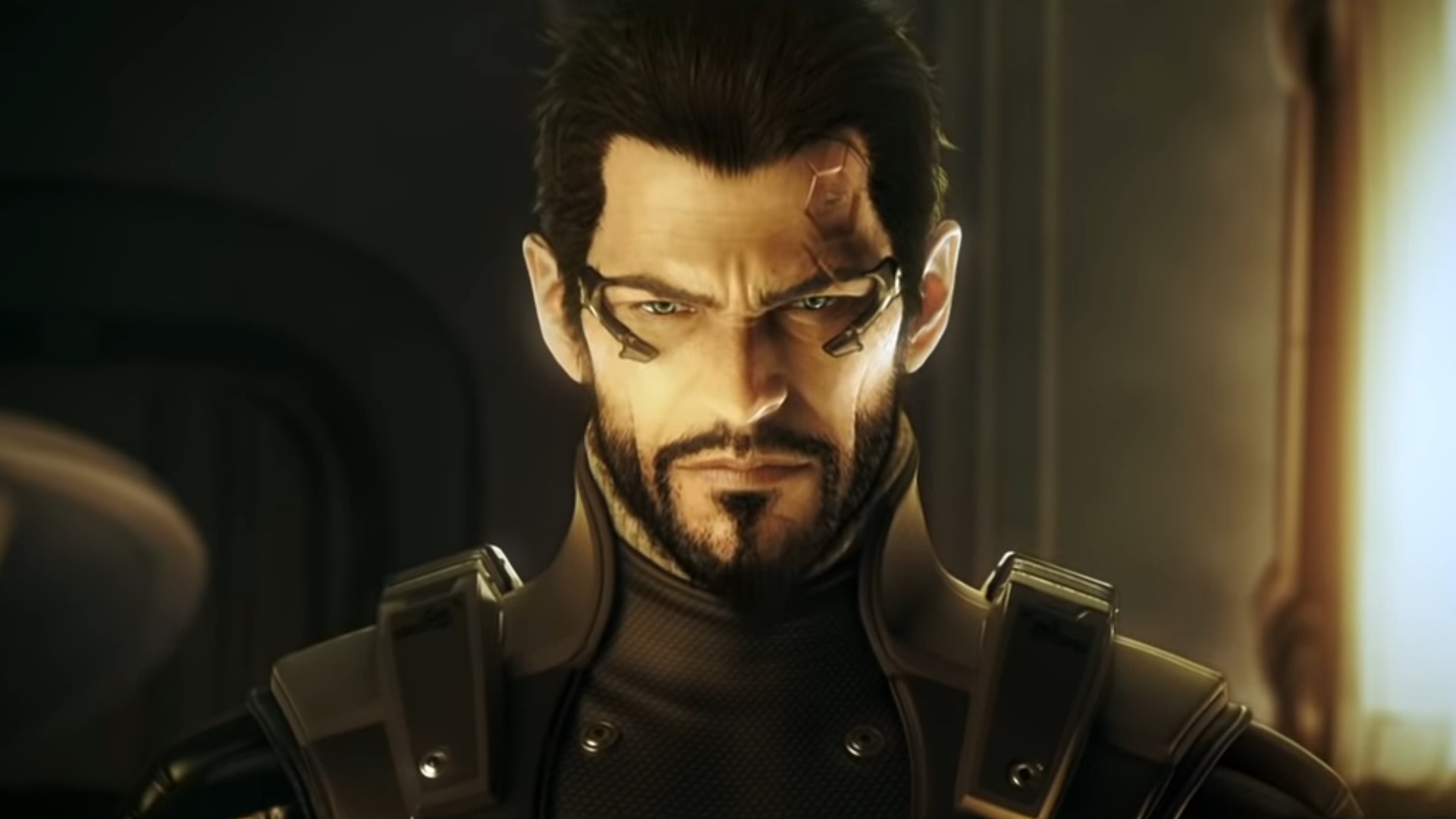
Deus Ex: Human Revolution is set in 2027, a near-future world grappling with the rapid advancements and societal implications of human augmentation. The story centers on Adam Jensen, the stoic head of security for Sarif Industries, a leading corporation in augmentation technology. His life irrevocably changes when a shadowy black-ops team attacks Sarif Industries, leaving him critically wounded and forcing him to undergo extensive cybernetic augmentation to survive. Rebuilt and fundamentally altered, Jensen embarks on a personal quest to investigate the attack, uncover the identities of his assailants, and confront a burgeoning global conspiracy that threatens the very definition of humanity.
What initially presents itself as a straightforward security investigation quickly unravels into a complex web of corporate intrigue, political manipulation, and philosophical debate. The game’s narrative masterfully oscillates between high-octane action sequences and deep, reflective dialogues, allowing players to navigate the world through stealth, combat, hacking, or extensive social maneuvering. This blend of action and role-playing creates an immersive experience where player choices have tangible consequences, shaping Jensen’s journey and the world around him.
At its core, Human Revolution delves into themes that resonate profoundly in the real world: unchecked technological ambition, the erosion of moral responsibility in the pursuit of progress, and the ethical boundaries of human enhancement. The central conflict revolves around the "cost" of technology – not just financial, but existential. Characters within the game passionately argue about freedom, identity, and whether humanity’s relentless march toward technological advancement is worth the potential loss of what it means to be human. These exchanges are not merely plot devices but are integral to the game’s intellectual weight, forcing players to consider their own stance on these complex issues. The game’s distinctive gold-and-black noir aesthetic, combined with a haunting soundtrack by Michael McCann, further enhances this atmosphere of moral ambiguity and technological dystopia.
Voices of the Future: Key Characters and Their Defining Quotes
The narrative of Deus Ex: Human Revolution truly comes alive through the words spoken by its diverse cast of characters. Their dialogues are often laden with philosophical undertones, reflecting the game’s core themes and challenging the player’s perspectives.
Adam Jensen
As the augmented protagonist, Adam Jensen is a man caught between two worlds. Formerly a SWAT specialist, his gruff exterior and sarcastic wit often mask a deep dedication to justice and a quiet struggle with his own transformation. He is pragmatic, resourceful, and rarely wastes words, yet his internal conflict is palpable.
- "I never asked for this." – Jensen’s iconic line, encapsulating his forced augmentation and reluctant journey. It speaks to the loss of bodily autonomy and the involuntary nature of his transformation, making him a poignant symbol of humanity’s precarious relationship with technology.
- "The world isn’t about the choices you make, it’s about the consequences you suffer." – This quote reflects Jensen’s cynical pragmatism and the harsh realities of the cyberpunk world, where good intentions often lead to unforeseen and devastating outcomes.
- "Just because you can, doesn’t mean you should." – A direct challenge to the techno-optimism prevalent in his society, highlighting Jensen’s moral compass and his questioning of unchecked scientific progress.
David Sarif
The ambitious and aggressive CEO of Sarif Industries, David Sarif is a fervent techno-optimist who envisions human augmentation as the next evolutionary leap. However, his ideals are frequently complicated by his corporate ambitions and willingness to push ethical boundaries.
- "Humanity is poised on the brink of a new golden age. We can transcend our limitations." – Sarif’s unwavering belief in the transformative power of augmentation, portraying him as a visionary leader, albeit one with potentially dangerous blind spots.
- "Progress demands sacrifice. Sometimes, that sacrifice is understanding." – This statement reveals the utilitarian aspect of Sarif’s philosophy, where the greater good (as he defines it) may necessitate compromising individual rights or moral clarity.
Hugh Darrow
A pivotal antagonist, Hugh Darrow is the visionary inventor of augmentation technology. He is confident, pragmatic, and subtly furious, speaking with the authority of someone who has already made profound decisions about humanity’s future, often with a deep sense of disillusionment.
- "The human spirit is a flawed instrument. We were always destined to break ourselves." – Darrow’s cynical view of human nature, suggesting that augmentation is not a solution but merely an amplification of inherent flaws.
- "Ignorance is not bliss, Mr. Jensen. It’s a disease, and augmentation is merely a symptom." – A chilling commentary on society’s refusal to confront deeper societal issues, implying that technology is a distraction rather than a cure.
Other Influential Voices
Even supporting characters contribute significantly to the thematic tapestry of the game.
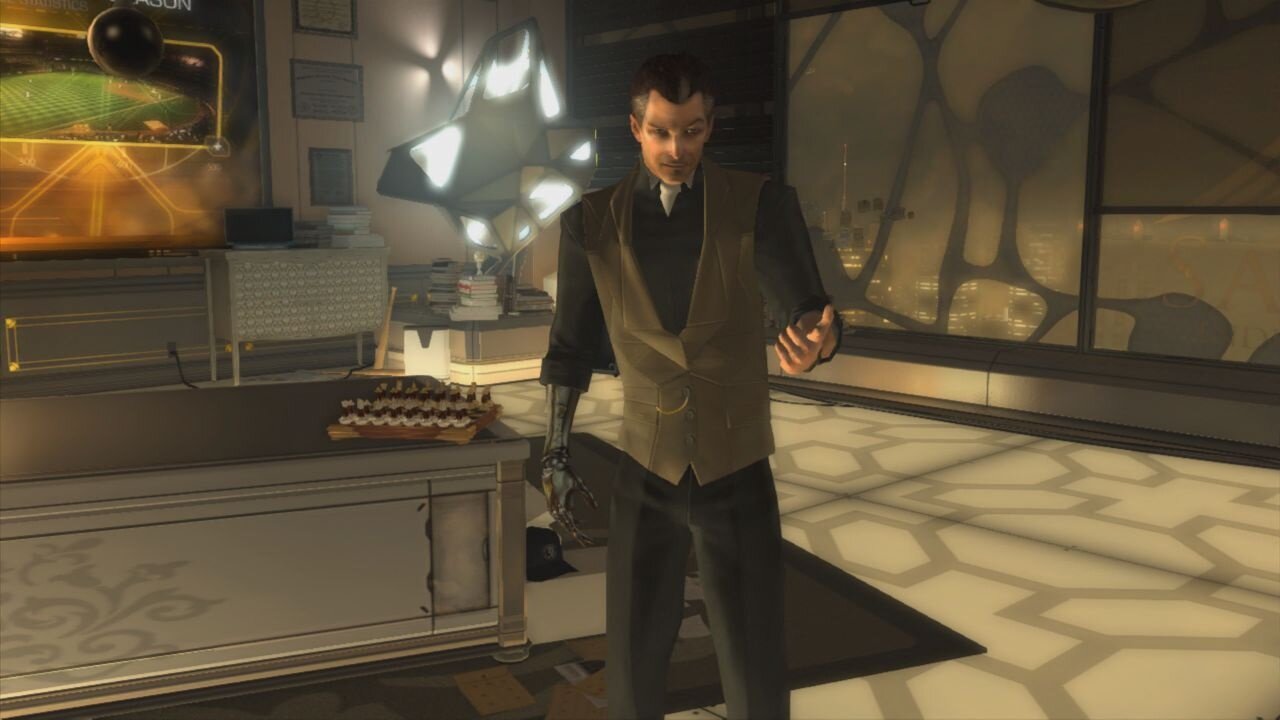
- Eliza Cassan (Media Anchor): "In a world of information, who decides what is true?" – A prescient question regarding media manipulation and the control of narratives, highly relevant in a world saturated with digital information.
- Francis Pritchard (Sarif Industries Hacker): "You’re a walking contradiction, Jensen. A relic of the past, built for the future." – Pritchard’s dry wit often carries profound observations about Jensen’s hybrid nature, encapsulating the central conflict between organic and synthetic.
- Megan Reed (Sarif Industries Scientist): "We’re not just building machines, Adam. We’re building a new form of life." – This highlights the ethical quagmire at the heart of augmentation research, blurring the lines between creation and playing God.
Lighter Moments and Narrative Nuance
While Human Revolution is largely a serious, philosophical narrative, it occasionally sprinkles in lighter moments, often through character interactions or environmental storytelling. These instances provide brief respite from the weighty themes, offering glimpses of humanity amidst the technological dystopia. For example, Pritchard’s sardonic remarks or certain quirky NPC dialogues offer a touch of levity, often serving to further characterize the world and its inhabitants.
- Frank Pritchard: "Don’t break anything, Jensen. My insurance doesn’t cover ‘augmented supersoldier rampages.’" – A humorous, yet character-defining line that contrasts Pritchard’s detached technical expertise with Jensen’s often destructive methods.
Broader Impact and Legacy
Deus Ex: Human Revolution did more than just revive a beloved franchise; it reaffirmed the potential of video games as a medium for complex storytelling and philosophical inquiry. Its success paved the way for a direct sequel, Deus Ex: Mankind Divided (2016), further cementing Eidos-Montréal’s vision for the series. Beyond its own lineage, Human Revolution influenced subsequent titles in the immersive sim genre, demonstrating that narrative depth and player agency could coexist with high production values and engaging action.
The game’s themes of transhumanism, corporate power, identity, and societal division remain incredibly pertinent in contemporary discourse. As real-world advancements in biotechnology and artificial intelligence accelerate, the questions Deus Ex: Human Revolution posed about what it means to be human in an augmented world resonate ever more strongly. Its enduring relevance lies in its refusal to offer easy answers, instead inviting players to grapple with these complex ethical dilemmas, ensuring that its narrative legacy continues to provoke thought and discussion years after its release.
About the Author