The independent game platform itch.io has unveiled a significant suite of feature enhancements designed to improve user experience for players and creators alike. These updates, detailed in a recent changelog, introduce a sophisticated Sale Explorer, a comprehensive overhaul of its bundle hosting system, a modernized game jam theme editor, and an enriched Patreon integration. These developments collectively underscore itch.io’s ongoing commitment to fostering a dynamic and accessible ecosystem for indie game development and discovery.
Navigating the Digital Marketplace: Introducing the Sale Explorer
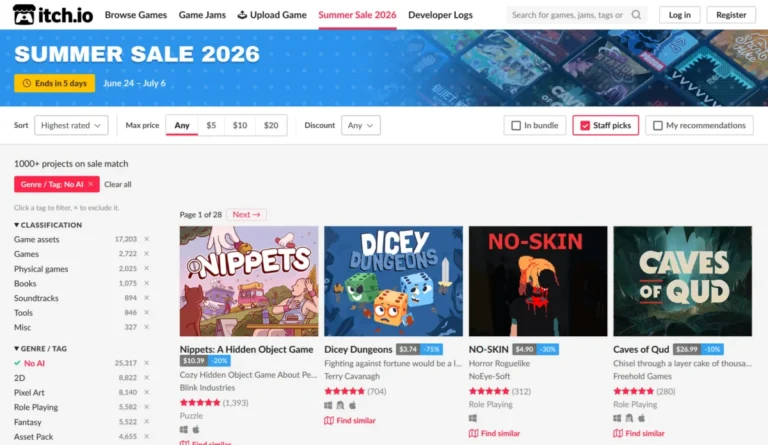
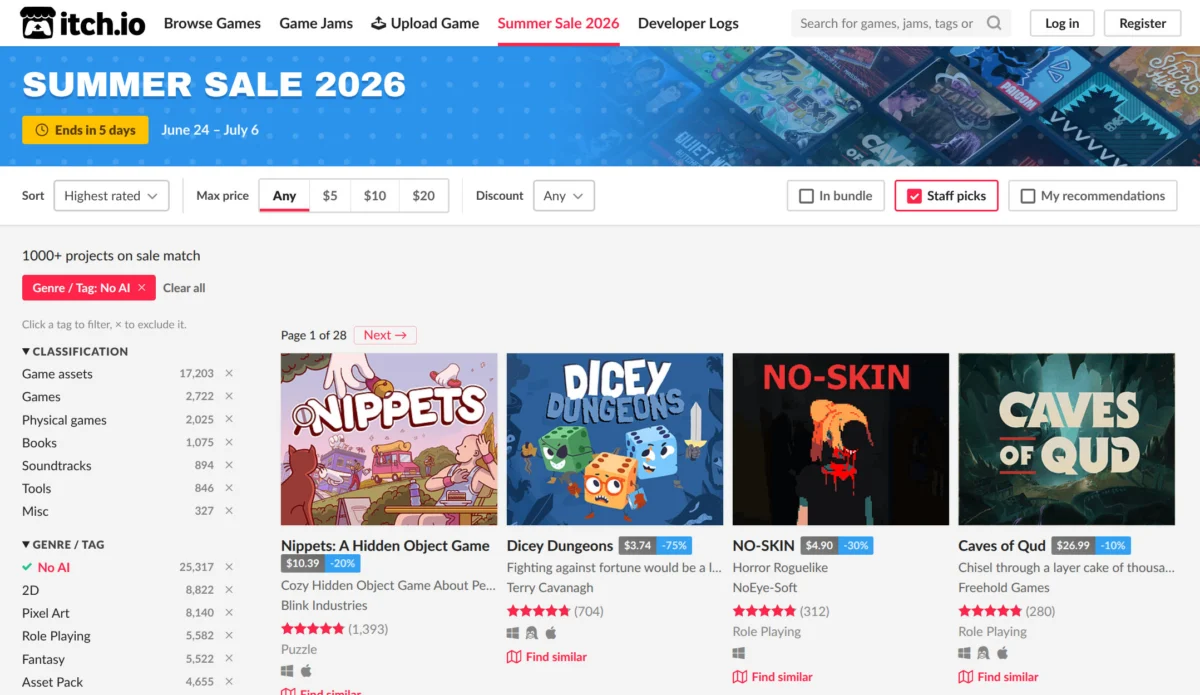
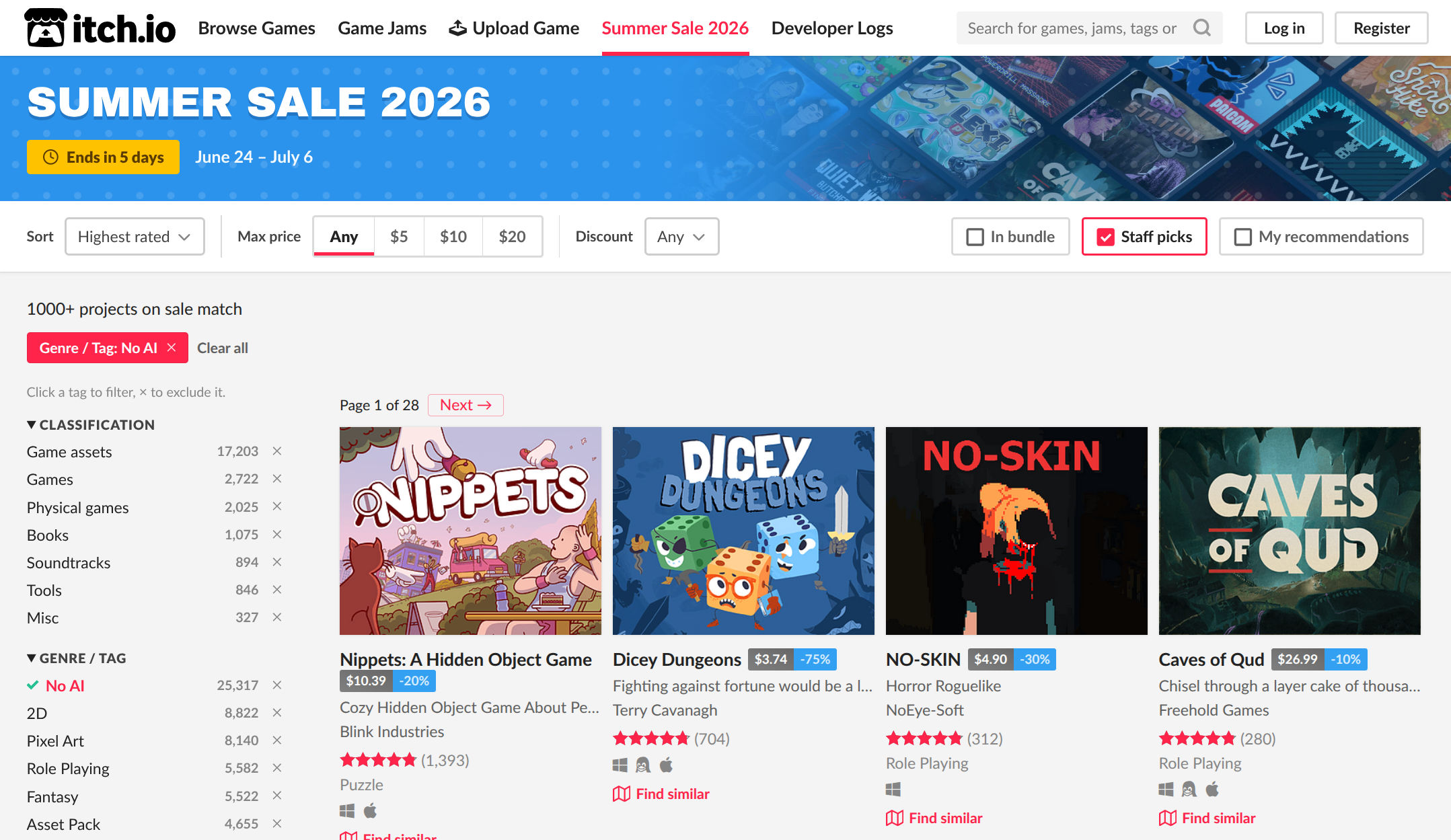
The launch of the Sale Explorer marks a pivotal improvement in how users interact with itch.io’s often-massive sales events. Coinciding with the current Summer Sale, which features over 30,000 discounted projects, this new browsing interface is specifically engineered to address the challenge of discovery within a vast digital catalog. For years, digital storefronts have grappled with the paradox of choice, where an abundance of options can overwhelm users, hindering their ability to find titles that genuinely resonate with their interests. The Sale Explorer directly confronts this by providing robust filtering and exploration tools.
Users can now leverage advanced filters to narrow down selections based on criteria such as genre, price range, platform compatibility (including Windows, Mac, Linux, and Web, with community discussions indicating potential future expansion to Android), and even specific tags. A notable inclusion is the ability to exclude certain genres or tags, a feature frequently requested by the community to personalize their browsing experience and avoid content types they are not interested in, such as "AI-assisted" content. Furthermore, the "find similar" recommendation engine, a core component of the explorer, promises to introduce players to new titles based on their current interests, drawing connections across the platform’s diverse offerings.
This enhancement is particularly significant for itch.io, a platform renowned for its open submission policy and the sheer volume of unique, experimental, and niche titles it hosts. While this openness is a cornerstone of its appeal, it also necessitates powerful discovery mechanisms. The Sale Explorer, initially deployed for site-wide seasonal sales, is slated to bring many of its innovative enhancements to the standard browse pages in the future, promising a more streamlined and intuitive experience across the entire platform. For independent developers, this improved visibility during sales periods could translate into increased sales and broader audience reach, crucial for sustainable creation.
Revolutionizing Collaborative Creation: Bundle Hosting, Revamped
The collaborative bundle system on itch.io has been a cornerstone of its community-driven ethos for over a decade, facilitating countless charity initiatives, community fundraisers, and thematic collections of games. However, as the platform grew and bundles became more ambitious in scale, the existing hosting infrastructure began to show its age, particularly for organizers managing large-scale, multi-developer projects. Recognising these limitations, itch.io has implemented a comprehensive overhaul of its bundle hosting capabilities, delivering a suite of features designed to streamline the entire process.
The previous system, while functional, presented administrative challenges for organizers of bundles involving hundreds or even thousands of contributors. The new revamp addresses these pain points directly. Key improvements include a more intuitive interface for adding and managing projects, significantly enhancing the efficiency of content curation. Organizers now have finer control over participant management, making it easier to invite, track, and communicate with contributing developers.
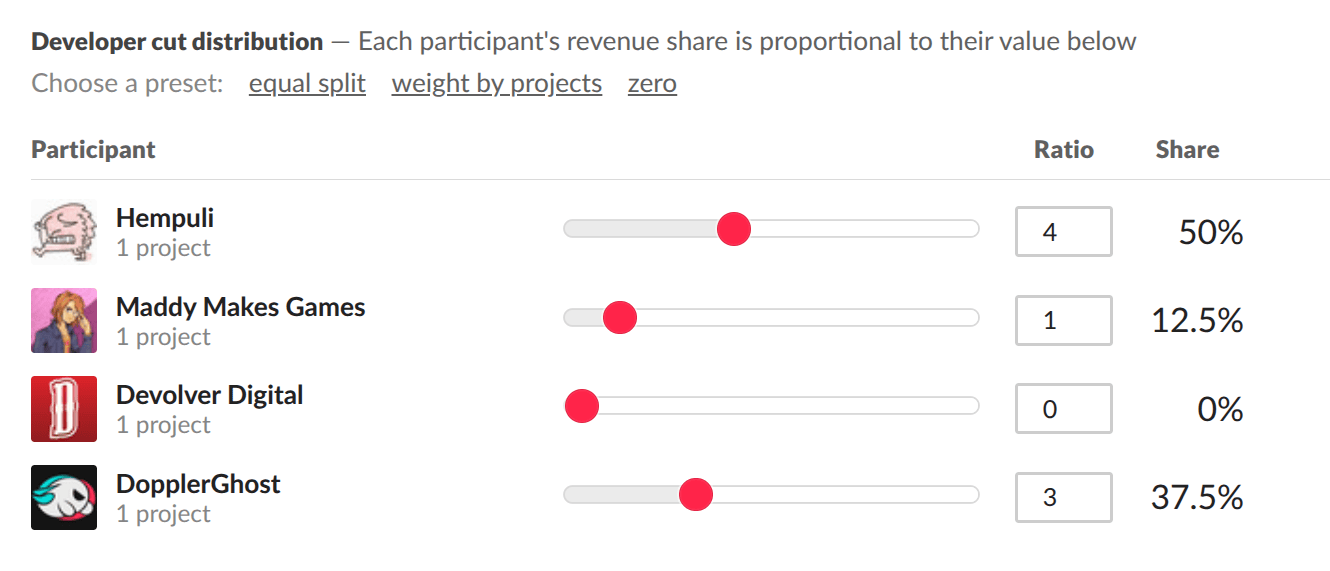
Perhaps one of the most impactful additions is the improved revenue split management. Collaborative bundles often involve complex financial arrangements, especially those where proceeds are distributed among multiple developers or designated for charitable causes. The revamped system simplifies the configuration of these splits, ensuring transparency and accuracy in revenue distribution. This is particularly vital for large-scale charity bundles, such as the historic "Bundle for Racial Justice and Equality" which raised millions for charity and featured thousands of games, demonstrating the immense potential of itch.io’s bundle system when robust tools are in place. The ability to manage these financial flows with greater ease is expected to encourage more ambitious and impactful collaborative projects.
Furthermore, the new system offers enhanced tools for content management within bundles, allowing organizers to better categorize, present, and update the collection. Existing pending bundles can take advantage of these new features by resetting participation, allowing ongoing projects to benefit from the modernised infrastructure. This upgrade not only reduces the administrative burden on organizers but also strengthens itch.io’s position as a preferred platform for community-driven initiatives and developer collaborations, reinforcing its commitment to supporting creators beyond mere storefront functionality.
Empowering Community Events: The Modernized Jam Theme Editor
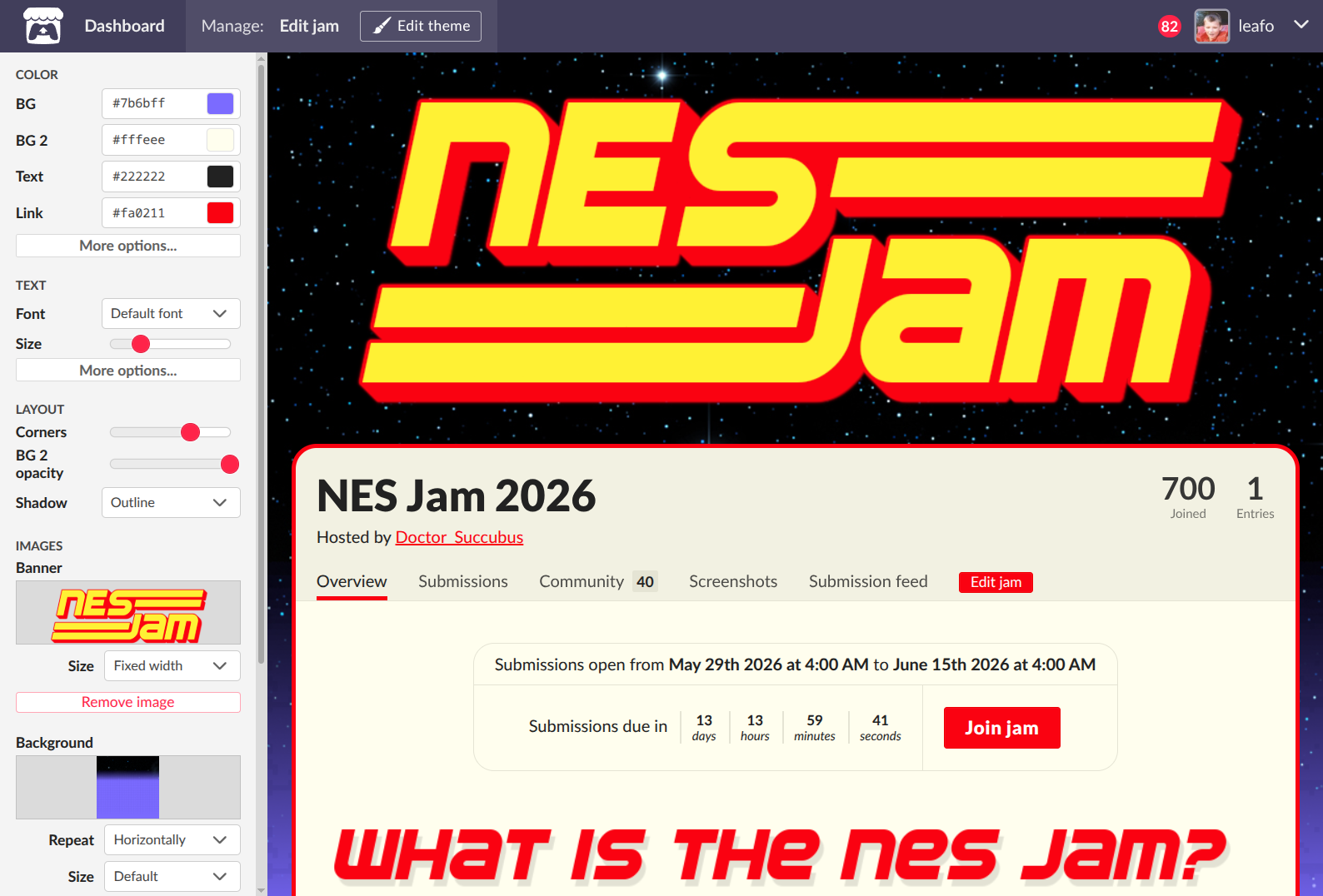
Game jams are a vibrant and integral part of the independent game development culture, serving as incubators for creativity, skill development, and community building. Itch.io has long been a primary hub for hosting these events, offering tools for organizers to manage submissions, judging, and communication. To further empower jam hosts and enhance the visual appeal and functionality of jam pages, itch.io has modernized its jam theme editor.
The revamp involved migrating the editor to the same user interface framework used across other modernized sections of the site. This standardization ensures a more consistent and intuitive experience for hosts already familiar with itch.io’s updated design principles. A critical consideration during this migration was the preservation of existing custom CSS on older jam pages, ensuring that previous efforts in bespoke branding and design were not lost. This demonstrates a thoughtful approach to backward compatibility, a common challenge in platform-wide UI overhauls.
Jam hosts now benefit from a wealth of new customization options. These include expanded control over typography, allowing for greater brand consistency and readability. Layout adjustments provide flexibility in how content, game entries, and event information are presented. The color palette selection has been broadened, enabling hosts to create visually distinct and thematic pages that align with the specific aesthetic of their jam. Furthermore, options for background imagery and header configurations offer significant creative freedom, transforming generic jam pages into unique, immersive event hubs.
For hosts who prefer advanced customization, the announcement post provided comprehensive details about the underlying markup changes. This transparency is crucial for developers and designers who leverage custom CSS to achieve highly specific visual outcomes, ensuring they can adapt their existing styles or create new ones compatible with the updated editor. By providing both user-friendly visual tools and detailed technical documentation, itch.io caters to a wide spectrum of technical proficiencies among its jam hosts, further solidifying its role as a premier platform for fostering indie game development communities and events.
Streamlining Creator Support: Enhanced Patreon Integration
In an era where direct creator support has become a vital component of independent development, the seamless integration of crowdfunding platforms like Patreon is crucial. Itch.io has rebuilt its Patreon integration, migrating to Patreon’s V2 API, to address long-standing issues and provide more robust, flexible options for creators to grant access to their projects based on patron membership. This enhancement is particularly significant for creators relying on subscription models to fund their work.
One of the primary challenges with the previous integration was its reliance on pledge amounts, which often led to inconsistencies when patrons paid in different currencies. This created administrative headaches for creators trying to ensure equitable access across their global patron base. The new system fundamentally resolves this by allowing access to be granted based on membership tiers instead of monetary pledge amounts. This tier-based approach aligns more closely with Patreon’s current model and simplifies entitlement management significantly.
Creators now have three distinct ways to grant access to their projects through Patreon:
- Granting access to specific tiers: This is the most straightforward method, allowing creators to link a particular itch.io project to one or more Patreon tiers.
- Granting access based on a minimum pledge amount (legacy option): While tier-based is now primary, the option to grant access based on a minimum pledge amount has been retained for creators who prefer this model or for legacy configurations.
- Granting access to all patrons: A simple option for creators who wish to provide universal access to a project for all their supporters, regardless of tier or pledge.
The rebuilt system also handles complex scenarios that the old integration could not. This includes improved management of patrons whose membership status changes (e.g., upgrading tiers, cancelling pledges), ensuring that access is granted or revoked appropriately and efficiently. The integration checks membership status at the time of granting access, and once a patron claims access to a project, they retain it indefinitely, providing a clear and reliable system for both creators and patrons. This "claim and keep" model offers peace of mind, ensuring that patrons don’t lose access to content they’ve supported, even if their pledge status changes later.
This enhanced Patreon integration reinforces itch.io’s commitment to empowering creators with effective monetization and community engagement tools. By streamlining the process of distributing content to patrons, it reduces administrative overhead for developers, allowing them to focus more on creation and less on managing entitlements. For patrons, it ensures a more consistent and reliable experience when claiming rewards for their support, fostering greater trust and satisfaction within the creator-patron relationship.
Broader Impact and itch.io’s Strategic Direction
The array of updates detailed in this changelog — from the Sale Explorer to the Patreon integration — paints a clear picture of itch.io’s strategic direction: a continuous, user-centric evolution aimed at solidifying its position as a leading, creator-friendly platform for independent games. These aren’t merely incremental tweaks but foundational improvements that enhance discovery, facilitate collaboration, empower community events, and streamline monetization for its diverse user base.
The development of the Sale Explorer demonstrates an understanding of modern digital storefront challenges and a proactive approach to improving discoverability, which is a perennial concern for both players overwhelmed by choice and developers striving for visibility. By investing in intelligent browsing tools, itch.io is making its vast library more accessible and enjoyable.
The comprehensive revamp of the bundle hosting system is a testament to itch.io’s unique role in fostering charitable and community initiatives. By simplifying the management of complex collaborative projects, the platform is actively encouraging more impactful collective efforts, benefiting both creators and a wide range of social causes. This move also reinforces itch.io’s reputation as a platform where community and collective action thrive.
Similarly, the modernization of the jam theme editor reflects the platform’s dedication to supporting game jams, which are crucial for nurturing new talent and fostering innovation in game development. Providing robust, user-friendly tools for event organizers ensures that itch.io remains a vibrant hub for these essential creative gatherings.
Finally, the enhanced Patreon integration highlights itch.io’s commitment to direct creator support models. In an industry increasingly exploring alternative funding mechanisms, robust and reliable integrations with platforms like Patreon are vital. By addressing previous limitations and offering more flexible solutions, itch.io ensures that creators can effectively leverage their patron communities without undue administrative burden.
These updates, deployed over time and often informed by direct community feedback received through forums and support channels, illustrate itch.io’s agile development philosophy. Unlike larger, more monolithic platforms, itch.io maintains a responsive approach, continually refining its features to meet the evolving needs of the independent game development community. This ongoing commitment to improvement and responsiveness is expected to further cement itch.io’s standing as a vital, creator-first ecosystem in the broader landscape of digital game distribution. The platform continues to differentiate itself by prioritizing community, flexibility, and direct support for independent creators, fostering an environment where innovation and diverse voices can flourish.
About the Author