itch.io, the prominent independent digital storefront for games, tools, and assets, has rolled out a significant suite of platform enhancements designed to improve discoverability, streamline developer workflows, and strengthen community engagement. These updates, detailed in a recent changelog, include the introduction of a new Sale Explorer browsing experience, a comprehensive overhaul of its bundle hosting system, a modernized game jam theme editor, and a rebuilt Patreon integration. Collectively, these features aim to address long-standing user feedback and adapt the platform to the evolving needs of its rapidly growing community of independent creators and players. The updates underscore itch.io’s continued commitment to fostering a creator-centric ecosystem, empowering developers with more robust tools for distribution, collaboration, and monetization.
Background: itch.io’s Niche in the Digital Landscape
Founded in 2013 by Leaf Corcoran, itch.io emerged as a critical alternative to more conventional digital game storefronts. It quickly distinguished itself through its flexible revenue sharing model, which allows creators to set their own percentage, and its open, community-driven approach. Unlike platforms with strict curation, itch.io embraces a vast array of projects, from experimental art games and interactive fiction to commercial indie titles and development tools. This philosophy has cultivated a diverse and vibrant ecosystem, but it also presents unique challenges, particularly around discoverability and platform management as the number of projects and users escalates.
The platform’s growth has been organic yet substantial. It hosts hundreds of thousands of games and projects, providing a crucial launchpad for countless independent developers who might struggle to gain traction on larger, more saturated marketplaces. Its emphasis on direct creator-to-player relationships, robust community forums, and support for game jams has solidified its reputation as a vital hub for indie game culture. However, with scale comes the necessity for continuous infrastructure development. Features that worked well for a smaller community can become bottlenecks as the platform expands, making regular overhauls and new tool introductions essential for maintaining usability and competitiveness. These recent updates directly address several such areas, reflecting an ongoing effort to refine the user experience for both creators and consumers.
The Sale Explorer: Navigating a Digital Bazaar
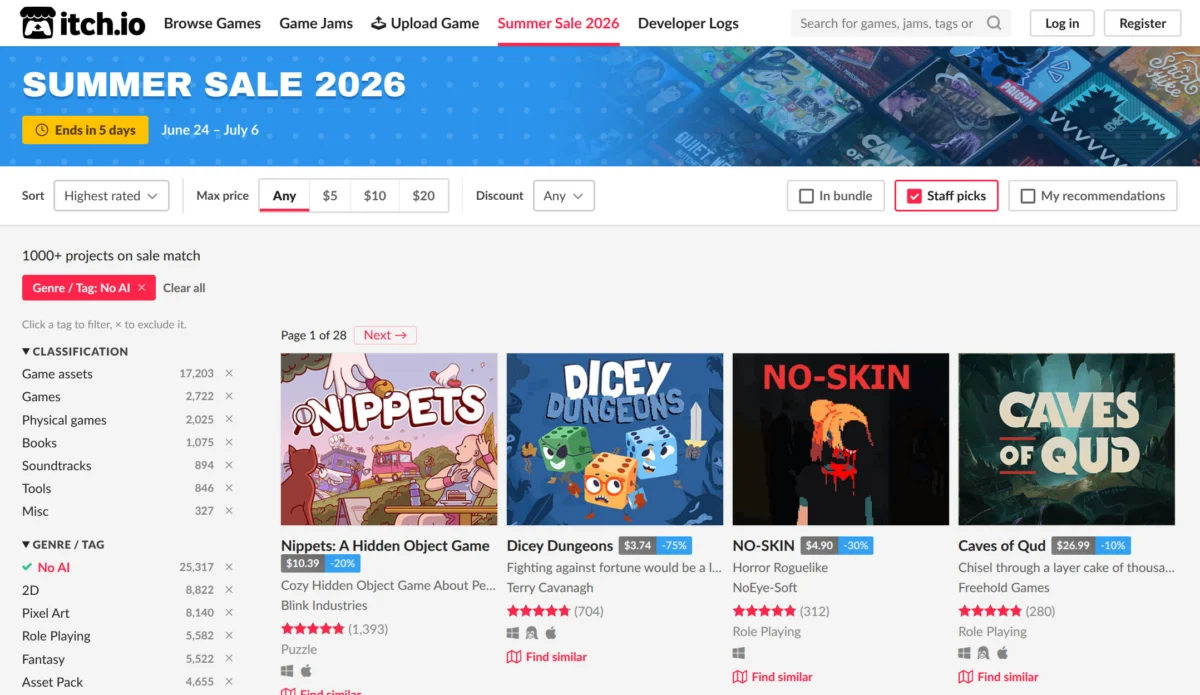
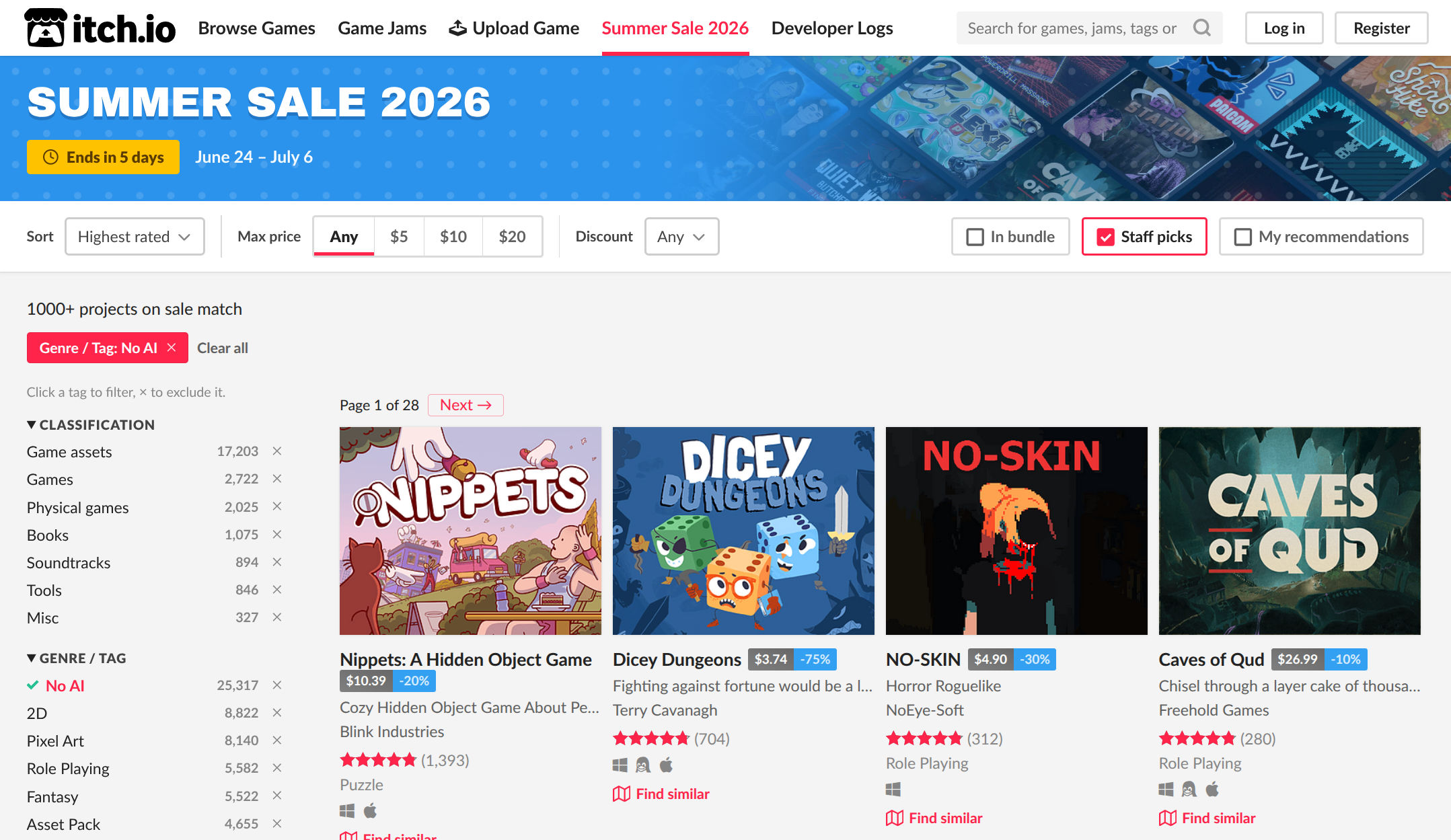
One of the most immediate and impactful new features is the Sale Explorer, a dedicated browsing experience designed to enhance discoverability during large promotional events. This tool made its debut during the ongoing Summer Sale 2026, which features an impressive catalog of over 30,000 discounted projects available through July 6th. The sheer volume of content in such sales often presents a paradox of choice for users, making it difficult to sift through thousands of titles to find specific interests. The previous sales page, while functional, was not optimized for such extensive catalogs.
The Sale Explorer addresses this by providing advanced filtering and sorting capabilities. Users can now apply granular criteria such to narrow down results by genre, platform, price range, developer, and various tags, enabling them to pinpoint games that align with their preferences. This enhancement is particularly beneficial for players seeking niche titles or specific game experiences within a massive collection. For instance, a player looking for a "visual novel" compatible with "Linux" under "$5" can now apply these filters with ease, significantly reducing the time and effort required for discovery.
For independent developers, the Sale Explorer represents a significant boon. Increased discoverability during sales translates directly into higher potential visibility and sales for their discounted projects. In an environment where standing out is a constant challenge, any tool that helps players find specific content is invaluable. The ability to be found through targeted searches, rather than relying solely on broad categories or trending lists, democratizes visibility somewhat. itch.io has indicated that many of the enhancements introduced with the Sale Explorer are slated for integration into its standard browse pages in the future, suggesting a broader strategic vision for improving general content discovery across the platform. This move could fundamentally alter how users interact with the vast library of games on itch.io, shifting towards a more personalized and efficient browsing experience year-round, not just during sales events.
Bundle Hosting Revamp: Empowering Collaborative Initiatives
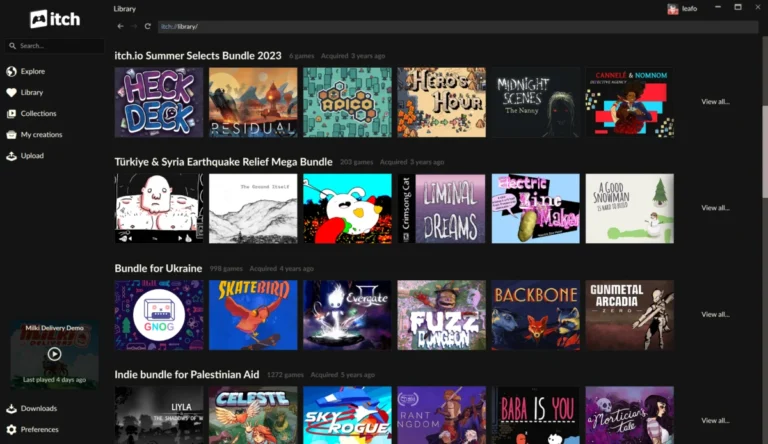
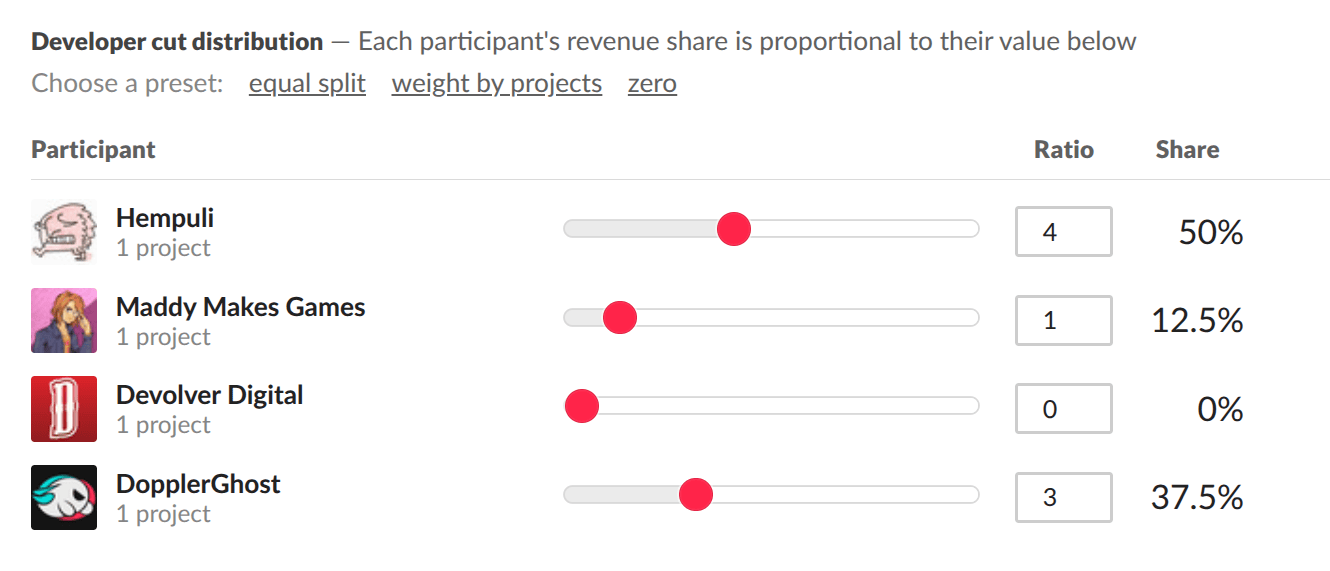
The itch.io platform has become synonymous with impactful collaborative bundles, often raising substantial funds for charity or supporting specific causes. Notable examples include the "Bundle for Racial Justice and Equality" in 2020, which raised over $8 million for various charities with contributions from over 1,700 developers, and the "Bundle for Ukraine" in 2022, which amassed over $6 million with nearly 1,000 developers participating. These events, while incredibly successful, often highlighted the logistical complexities of managing contributions from hundreds or even thousands of creators through a system that had been in place for over a decade.
The latest update delivers a complete overhaul of the bundle hosting system, specifically designed to address these challenges. The previous system, while robust for smaller collaborations, became cumbersome when coordinating a large volume of projects and contributors. The revamp focuses on streamlining the backend management process for bundle organizers. This includes improvements in inviting contributors, tracking their participation status, and managing project submissions. For organizers, this means a significant reduction in administrative overhead, allowing them to focus more on the bundle’s theme, promotion, and overall impact rather than intricate logistical details.
For developers contributing to bundles, the revamped system promises a more intuitive and less friction-filled experience. The process of opting into a bundle, providing necessary project information, and tracking their game’s inclusion is now more transparent. This ease of participation is crucial for encouraging broader developer involvement in future large-scale collaborative efforts. The platform notes that existing pending bundles can take advantage of the new features after resetting participation, ensuring that current initiatives can benefit from the improvements without significant disruption. This modernization of a core platform feature not only facilitates larger and more complex bundles but also reinforces itch.io’s role as a platform capable of mobilizing the indie game community for significant collective action, whether for charity, community building, or thematic collections.
Jam Theme Editor Revamp: Cultivating Creative Environments
Game jams are a cornerstone of the independent game development community, fostering rapid prototyping, creative experimentation, and community building. itch.io has long been a primary host for thousands of game jams, from global events like Ludum Dare to smaller, niche-specific competitions. The quality and customization of a jam’s page can significantly influence its appeal and the experience for participants. Recognizing the need for more modern and flexible customization options, itch.io has modernized its jam theme editor.
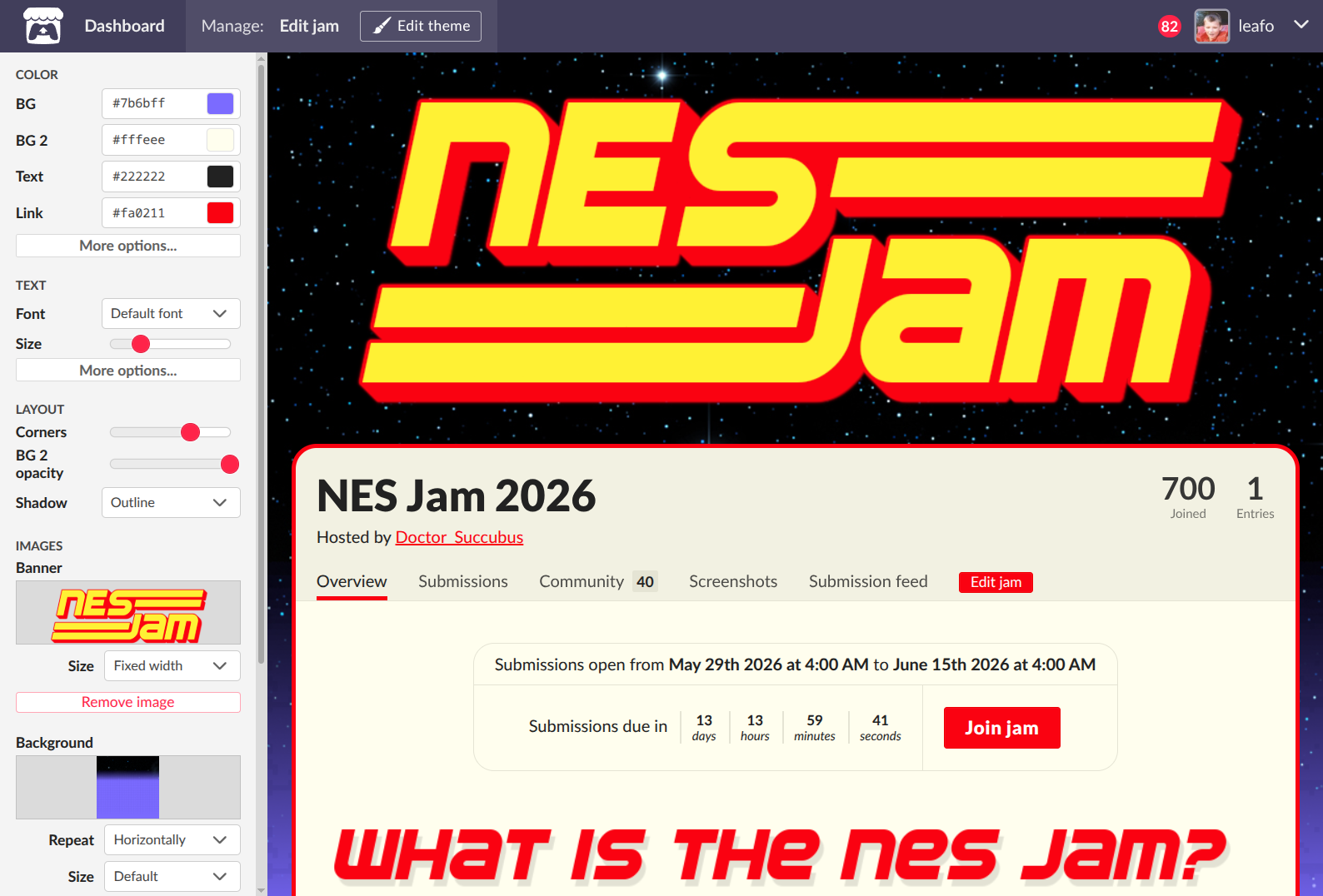
This update migrates the jam theme editor to the same unified theme editor UI utilized elsewhere on the site, ensuring a consistent and intuitive experience for hosts. The previous editor, while functional, likely lagged behind in terms of modern web design capabilities and ease of use. The revamped editor now provides jam hosts with a richer array of customization options, allowing them to better align their jam pages with the event’s theme, branding, or specific aesthetic. This includes more granular control over colors, fonts, layouts, and overall visual presentation.
Crucially, itch.io has taken care to preserve existing custom CSS on jam pages, ensuring that previous efforts by hosts to personalize their events are not undone by the update. This demonstrates a thoughtful approach to platform evolution, balancing new features with backward compatibility. For hosts who prefer to delve deeper into customization, detailed information about markup changes has been provided in the announcement post, empowering them to leverage the new system’s full potential. The enhanced visual flexibility means jam hosts can create more engaging and professional-looking event pages, which can, in turn, attract more participants and cultivate a stronger sense of community and excitement around their jams. This improvement contributes directly to the vibrancy and accessibility of the game jam ecosystem on itch.io, supporting a fundamental aspect of indie game culture.
Enhanced Patreon Integration: Strengthening Creator-Fan Bonds
In the evolving landscape of the creator economy, platforms like Patreon have become indispensable for independent developers seeking sustainable funding models directly from their fan bases. itch.io’s integration with Patreon is therefore a critical feature, and its recent overhaul on Patreon’s V2 API marks a significant step forward in reliability and flexibility. The previous integration, based on an older API, faced persistent challenges, particularly concerning the granting of access to projects based on pledge amounts when patrons paid in different currencies. Such discrepancies could lead to frustrating situations where patrons might not receive their promised rewards due to conversion rate issues.
The rebuilt integration addresses this core problem by allowing creators to grant access based on Patreon’s membership tiers rather than specific pledge amounts. This tier-based approach provides a more robust and predictable mechanism for reward distribution, ensuring that patrons consistently receive the access they are entitled to, irrespective of currency fluctuations or minor pledge variations. This change significantly simplifies the management of patron rewards for creators, eliminating a common pain point and fostering greater trust and satisfaction among their supporters.
Creators now have enhanced control over how access is granted, with three distinct methods available. While the specific methods are not fully detailed in the changelog, this flexibility likely includes options such as granting access to all patrons, specific tiers, or perhaps even specific pledge levels (though the emphasis is on tiers for reliability). The new system is also designed to handle various edge cases that the older integration could not, leading to a more comprehensive and error-resistant solution. For instance, it can better manage situations involving pledge changes, cancellations, or new patrons joining. A key aspect that remains unchanged is that once a patron claims access to a project, they retain it indefinitely, regardless of their ongoing membership status. Membership is checked at the point of grant, ensuring that creators are rewarded for their work while providing patrons with lasting value. This enhanced integration not only solidifies itch.io’s position as a creator-friendly platform but also reflects its understanding of modern monetization strategies, providing developers with more reliable tools to engage and reward their dedicated communities.
Broader Impact and Future Outlook
These comprehensive updates collectively reinforce itch.io’s foundational mission: to be a supportive and empowering platform for independent game developers and players. The Sale Explorer directly tackles the "discoverability crisis" inherent in vast digital libraries, a perennial challenge for indie creators. The bundle hosting revamp streamlines powerful collaborative efforts, many of which have had significant real-world impact. The jam theme editor nurtures the vibrant game jam culture, a crucial incubator for talent and innovation. Finally, the enhanced Patreon integration provides a more stable and flexible monetization pathway, vital for the financial sustainability of independent development.
The iterative development approach, where itch.io deploys features and then seeks feedback through forums like the Developer Updates section, highlights its community-centric philosophy. Comments from the community regarding these updates largely reflect positive sentiment, with developers expressing enthusiasm for the new Patreon features and the Sale Explorer. Some community suggestions, such as the ability to exclude "AI assisted" tags or implement per-project revenue splits, indicate ongoing discussions and potential areas for future development, showcasing the platform’s responsiveness to its users. For instance, the comment about per-project revenue splits received a direct response from itch.io’s founder, Leafo, acknowledging it as a desired future feature, underscoring the platform’s commitment to continuous improvement driven by user needs.
In a competitive digital marketplace, itch.io distinguishes itself by prioritizing creator autonomy and community welfare. By consistently refining its tools and infrastructure, it solidifies its position as a vital, evolving ecosystem that not only hosts games but actively fosters the growth and sustainability of independent game development. These latest changelog updates are not merely incremental improvements; they represent strategic advancements that enhance core functionalities, improve user experience, and ultimately empower a broader range of creative endeavors within the independent game sphere. As the platform continues to grow, such thoughtful and targeted enhancements will be crucial in maintaining its unique appeal and impact.
About the Author