The fundamental nature of artistic creation, often perceived as an inherently social endeavor, is undergoing a profound transformation driven by the evolving architecture of the internet and a burgeoning appreciation for unmediated physical interaction. Historically, the impulse to create has been inextricably linked with the desire to share, to elicit engagement, and to receive validation or constructive feedback from an audience. This reciprocal dynamic, akin to the communicative loop between a speaker and a listener, provides crucial affirmation and insight, whether the feedback is one of resonance or productive challenge. The digital realm initially promised an unprecedented amplification of this social dimension, yet recent decades have seen a significant divergence from this foundational vision, prompting a reevaluation of where genuine artistic connection can thrive.
The Internet’s Promise and Its Unforeseen Centralization
The advent of the internet in the late 20th century, and particularly the Web 2.0 era around the mid-2000s, heralded a new epoch for creators. It offered the tantalizing prospect of global reach, direct audience engagement, and the formation of vibrant online communities free from traditional gatekeepers. For a period, roughly between 2005 and 2012, this promise largely materialized. Digital platforms were designed in a way that facilitated organic discovery and fostered meaningful interactions between creators and their burgeoning fan bases. Independent artists, developers, musicians, and writers could connect with niche audiences worldwide, bypassing established industry channels and cultivating a sense of shared purpose.
A notable example from this period is the launch of the game "100 Rogues" in 2010. Despite lacking a substantial marketing budget and exhibiting the typical imperfections of a debut title—including initial bugs and inconsistent artwork—the game generated significant organic engagement. Players created fan art, uploaded gameplay videos, and independent gaming websites frequently sought interviews with its developer. This level of discoverability and community interaction was not an anomaly but rather a characteristic feature of the internet’s design at that time, where algorithms prioritized a broader distribution of content and fostered a more egalitarian digital ecosystem.
However, the trajectory of the internet has shifted dramatically since this period. Over the past decade, a series of strategic decisions by major technology companies, coupled with a notable lack of regulatory intervention from governments, has led to a highly centralized, or "top-heavy," digital landscape. This transformation has profoundly altered the dynamics of content discovery and audience engagement. Data from various digital analytics firms and industry reports indicate a stark concentration of attention: whereas a decade ago, thousands of creators might have each cultivated modest but loyal followings, the current environment sees a minuscule fraction of creators accumulating the vast majority of engagement. For instance, some analyses suggest that less than 1% of content creators on major platforms capture over 90% of total audience interaction, a trend that continues to intensify annually.
The Algorithmic Imperative and Economic Consolidation
This centralization is largely attributable to the evolution of proprietary algorithms that govern content visibility on dominant platforms. These algorithms, designed primarily to maximize user engagement and, by extension, advertising revenue, often prioritize content from established creators, viral trends, or those optimized for specific algorithmic cues. For emerging artists, this creates an increasingly formidable barrier to entry. The pathway to visibility now often demands significant financial investment in marketing, alongside a radical optimization of content itself not for human connection or artistic merit, but for algorithmic favorability.
This digital consolidation mirrors broader economic trends observed across various industries. The gaming sector, for example, has seen extensive mergers and acquisitions, with a shrinking number of colossal corporations like Activision, Tencent, and Take-Two absorbing numerous independent studios. This corporate conglomeration means fewer creative entities are catering to an ever-larger segment of the global player base. The combined effect of algorithmic gatekeeping and market consolidation raises the bar for independent creators to an almost insurmountable height, making it exceedingly difficult for novel or unconventional works to gain traction without substantial capital and a deep understanding of platform-specific optimization strategies.
The implications extend beyond mere visibility. Critics argue that this algorithmic imperative can inadvertently homogenize creative output, as artists feel compelled to tailor their work to what algorithms reward, potentially stifling experimentation and diverse artistic voices. The focus shifts from authentic expression to strategic content production, where metrics like watch time, click-through rates, and engagement ratios become paramount.
Regulatory Lapses and the Erosion of the Open Web
It is crucial to emphasize that this current state of the internet was not an inevitable outcome. Experts and advocates for an open internet contend that governmental inaction played a significant role in allowing this centralization to occur. A failure to rigorously enforce existing antitrust laws, coupled with a reluctance to introduce new legislation tailored to the digital age, permitted tech giants to consolidate power unchecked. This regulatory vacuum allowed platforms to evolve into dominant gatekeepers, effectively dismantling the vision of an early internet characterized by a diverse "blogosphere," thriving independent communities, functional and unbiased search capabilities, and genuine content discovery.
Many legislative bodies globally are now grappling with the aftermath of this inaction. Discussions around digital antitrust, data privacy (like GDPR), and platform accountability (such as debates surrounding Section 230 in the United States) reflect a growing recognition of the need to rebalance power in the digital sphere. However, the complexity and scale of the problem mean that even if concerted efforts began immediately, rebuilding a more equitable and open internet would be a monumental, multi-year undertaking. The digital infrastructure, user habits, and economic models are deeply entrenched, making any rapid reversal highly improbable.
The Enduring Value of Unmediated Physical Spaces: The Open Mic Analogy
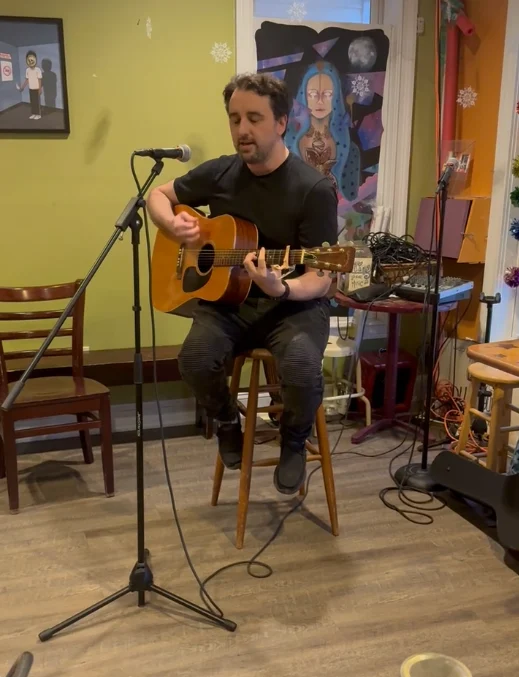
In stark contrast to the algorithmically mediated and commercially driven digital landscape, real-world physical spaces offer a compelling alternative for authentic artistic engagement and community building. These environments, largely immune to corporate interference and algorithmic manipulation, foster a fundamentally different dynamic. The "open mic" serves as a powerful analogy for this unmediated experience.
At an open mic event, the typical hurdles of the online world dissolve. There are no algorithms to satisfy, no million-dollar marketing budgets required, and no corporate conglomerations dictating who gets seen. Instead, every participant is granted an equal opportunity – typically a few minutes – to share their art, be it poetry, music, comedy, or simply a personal reflection. The audience, comprising individuals from diverse backgrounds, ages, and socio-economic statuses, gathers in a spirit of curiosity and mutual respect. The value is placed on shared presence and the act of genuine, direct communication, rather than optimized performance.
These spaces provide an equitable platform where the quality of connection supersedes commercial viability. Performers are not evaluated by viral metrics but by the immediate, human response of those present. This direct feedback loop, whether applause, laughter, or contemplative silence, offers a form of validation that is profoundly different from digital likes or shares. It’s a testament to the power of shared physical space, where individuals engage with each other in a spirit of discovery, free from the biases and pressures inherent in platform-driven content distribution.
While the "IRL" (in real life) art world is not universally utopian, and indeed many of its higher echelons are riddled with their own arbitrary barriers, biases, and commercial pressures, the open mic model highlights a crucial distinction. Its egalitarian nature thrives precisely because it operates outside the conventional profit motives that corrupt other artistic spheres. The absence of significant financial transactions for performers and audiences alike preserves its integrity as a space for pure, unadulterated expression and community.
Bridging the Digital Divide: Towards an "Open Mic" Internet?
Despite the challenges, the internet remains an integral part of modern life. The aspiration, therefore, is not to abandon digital platforms entirely but to advocate for their evolution towards models that emulate the fairness and accessibility of physical gathering spaces. Platforms like Discord, with their relatively flat hierarchies for communication within specific communities, offer glimpses of how digital spaces can foster more equitable engagement, where every participant’s contribution has an equal chance of being seen and responded to.
The ongoing conversation around building a "better internet" involves exploring decentralized technologies, supporting open-source initiatives, and advocating for regulatory frameworks that prioritize user agency and broad discoverability over corporate control and algorithmic manipulation. This includes pushing for greater transparency in algorithmic design, strengthening antitrust measures, and investing in public digital infrastructure that can serve as alternatives to dominant commercial platforms.
Beyond the artistic and communicative implications, the re-emphasis on physical presence carries broader societal significance. In an increasingly polarized and often fragmented world, the act of gathering in shared physical spaces takes on a critical dimension. As societal tensions mount and instances of civil rights infringements become more prevalent, being physically present in one’s community can be a vital act of civic engagement and resistance. These spaces not only facilitate artistic collaboration and inspirational encounters but also serve as crucial grounds for collective action, mobilization, and the fostering of resilience against authoritarian tendencies. The simple act of "being there" transcends individual artistic pursuits, becoming a foundational element of a robust and engaged civil society.
The journey from the internet’s initial promise to its current centralized reality underscores a fundamental tension between technological innovation and humanistic values. While the digital realm offers unparalleled reach, the enduring lessons from unmediated physical interactions suggest that true connection, equitable discovery, and authentic validation may ultimately reside in spaces where algorithms yield to human presence and where shared experience takes precedence over optimized engagement. The challenge for the future lies in cultivating both digital and physical environments that genuinely serve the social impulse inherent in art and community.
About the Author