Ludum Dare, the internationally renowned bi-annual game jam that challenges developers worldwide to create a game from scratch within an intense 48- or 72-hour window, concluded its 56th iteration, Ludum Dare 56, this past weekend, spanning from October 4th to October 7th. This latest event tasked participants with the evocative theme of "Tiny Creatures," a prompt that inspired a remarkably diverse array of innovative and imaginative digital experiences. As the submissions phase drew to a close and the community-driven rating period commenced, the independent game marketplace itch.io, a primary hub for Ludum Dare participants to host and showcase their creations, has unveiled a curated selection of standout titles. These recommendations serve as a testament to the boundless creativity and rapid prototyping prowess demonstrated by the global game development community. While this article highlights a few of itch.io’s top picks, the broader collection of games developed under the "Tiny Creatures" theme remains vast and readily explorable via the dedicated Ludum Dare 56 tag on itch.io.
The Enduring Legacy and Structure of Ludum Dare
Ludum Dare stands as one of the longest-running and most influential game jams in the world, fostering a vibrant ecosystem of independent developers since its inception in 2002. Held twice a year, typically in April and October, the event has become a critical proving ground for aspiring game designers and a crucible for rapid innovation. The core principle revolves around a single, globally announced theme, which is revealed at the start of the jam. Participants then have the option to enter one of two categories: the "Compo" (Composition), which mandates a strict 48-hour solo development period with all assets created during that timeframe, or the "Jam," offering a more lenient 72-hour window and allowing for team collaboration and the use of pre-existing assets (within certain limitations). This dual structure accommodates a wide spectrum of developers, from seasoned professionals to first-time creators, all united by the challenge of turning an abstract theme into a playable game under immense time pressure.
Over its two-decade history, Ludum Dare has witnessed the birth of thousands of unique games, many of which have gone on to inspire full commercial releases or establish new genres. The event not only hones technical and creative skills but also fosters a strong sense of community, with participants actively providing feedback on each other’s games during the post-jam rating period. This collaborative environment is fundamental to the Ludum Dare experience, distinguishing it as more than just a competition but a global learning and sharing platform. The theme "Tiny Creatures" for Ludum Dare 56, announced on October 4th, immediately sparked discussions and creative brainstorming across developer forums, setting the stage for the inventive interpretations now being celebrated.
itch.io’s Integral Role in the Indie Game Landscape
itch.io has cemented its position as a cornerstone of the independent game development scene, particularly as a preferred platform for hosting game jam submissions. Its open, creator-friendly model, which allows developers significant control over their content and pricing, aligns perfectly with the ethos of events like Ludum Dare. The platform’s robust tagging system, community features, and accessibility (many games are playable directly in-browser) make it an ideal digital storefront and archive for the thousands of games produced annually through various jams. For Ludum Dare 56, itch.io became the primary repository for the vast majority of submissions, providing a centralized location for developers to upload their creations and for players to discover and rate them. This symbiotic relationship between Ludum Dare and itch.io underscores the platform’s commitment to supporting grassroots development and democratizing game creation. Industry data indicates that itch.io hosts over half a million games, with a significant portion originating from game jams, demonstrating its critical role in showcasing emerging talent and experimental gameplay.
A Deep Dive into the "Tiny Creatures" Showcase
The "Tiny Creatures" theme for Ludum Dare 56 proved to be incredibly fertile ground, inspiring developers to explore concepts ranging from microscopic ecosystems to fantastical miniature beings. itch.io’s curated list reflects this diversity, highlighting games that excelled in creativity, gameplay mechanics, and thematic interpretation despite the stringent time constraints.
Strategic Adventures and Roguelike Journeys
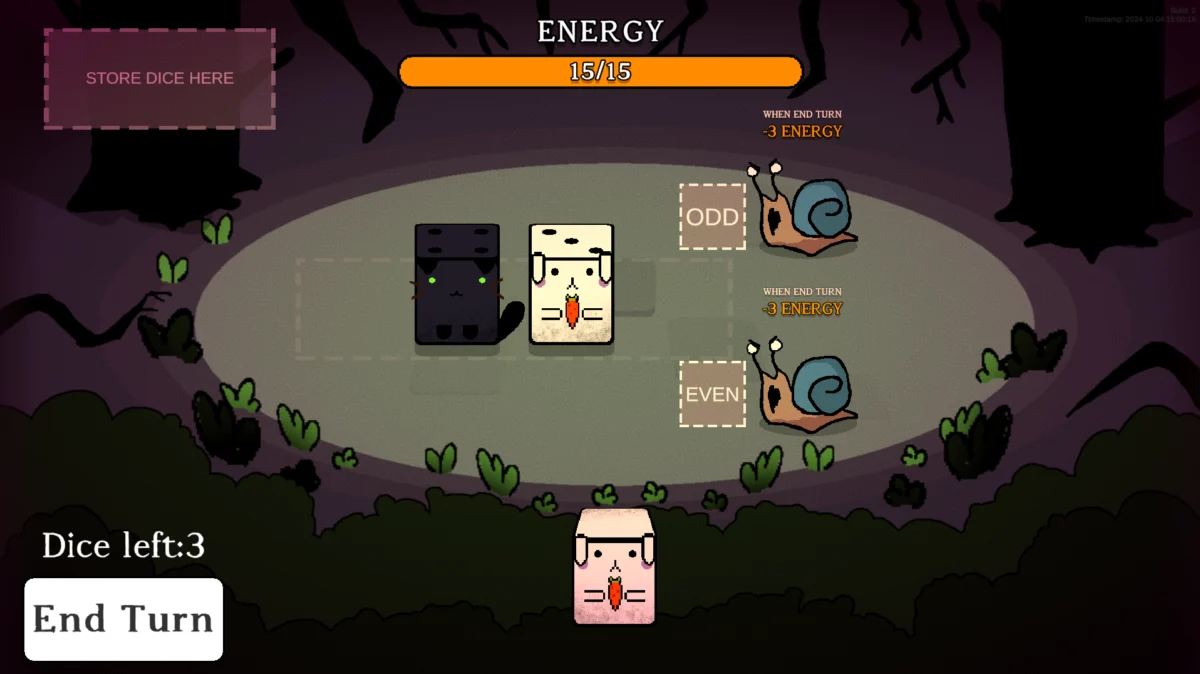
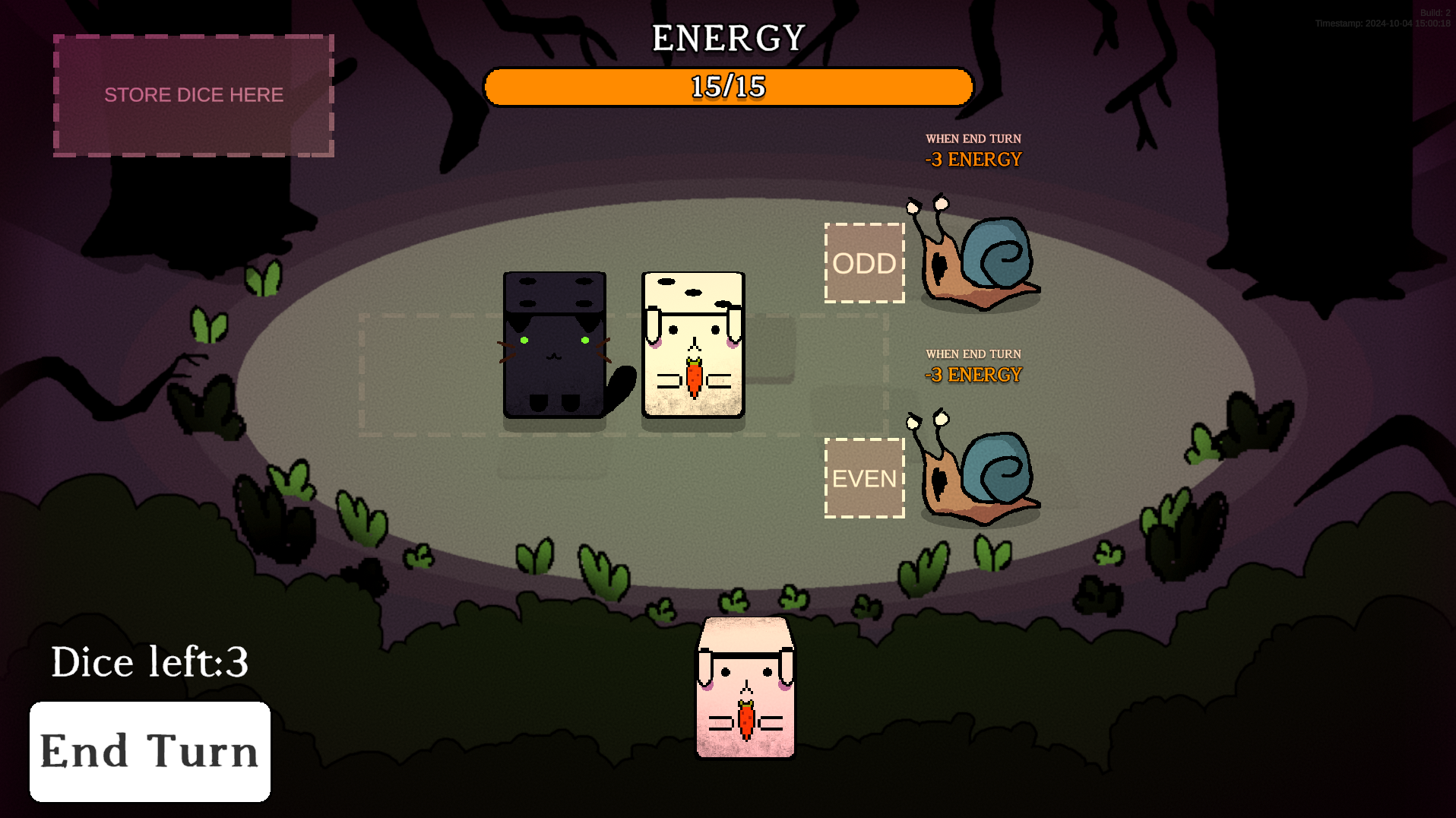
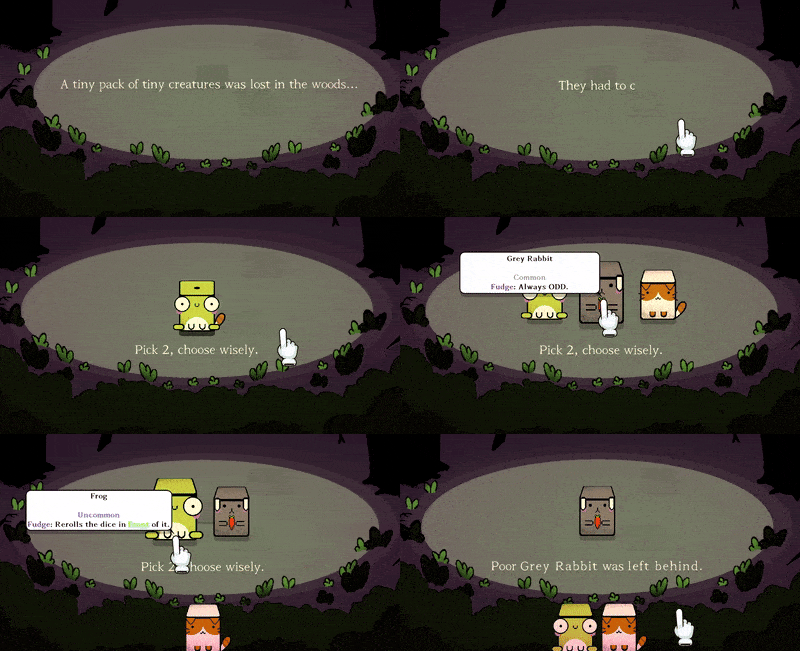
TINY PACK, developed by xk.itch.io, stands out as a compelling example of strategic depth achieved within a short development cycle. This roguelike adventure seamlessly blends elements of dice-rolling, animal companions, and a dense forest setting. Players are tasked with guiding a burgeoning pack of tiny creatures through a procedurally generated woodland, where survival hinges on judicious use of dice-based abilities to overcome environmental obstacles and encounters. The game incorporates sophisticated deck-building mechanics, allowing players to refine their creature pack’s capabilities over time, alongside turn-based strategy combat that demands careful planning. Presented with charming pixel art visuals, TINY PACK offers a surprisingly deep and replayable experience directly in the browser, showcasing how complex systems can be distilled into an engaging format. Its design effectively leverages the "Tiny Creatures" theme by focusing on the collective strength and strategic management of a small, vulnerable group.
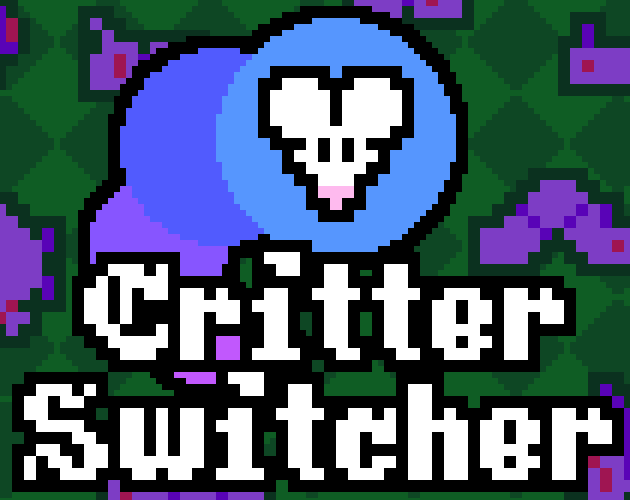
Similarly, Critter Switcher by torcado.itch.io offers another pixel-art roguelike experience, this time casting players as a lone mouse navigating a perilous garden environment. The game’s core loop involves guiding the mouse through intricate levels, with the objective of reuniting with its "posse" – presumably other tiny creatures. The roguelike elements suggest procedural generation, challenging encounters, and perhaps a persistent progression system or unlockable abilities that encourage multiple playthroughs. The pixel art style, a common choice for game jams due to its efficiency and aesthetic appeal, perfectly captures the miniature scale and potential dangers of a garden from a critter’s perspective. The implication is a world where even a seemingly innocuous environment becomes a vast, dangerous labyrinth for its tiny inhabitants.

Engaging Puzzle Experiences
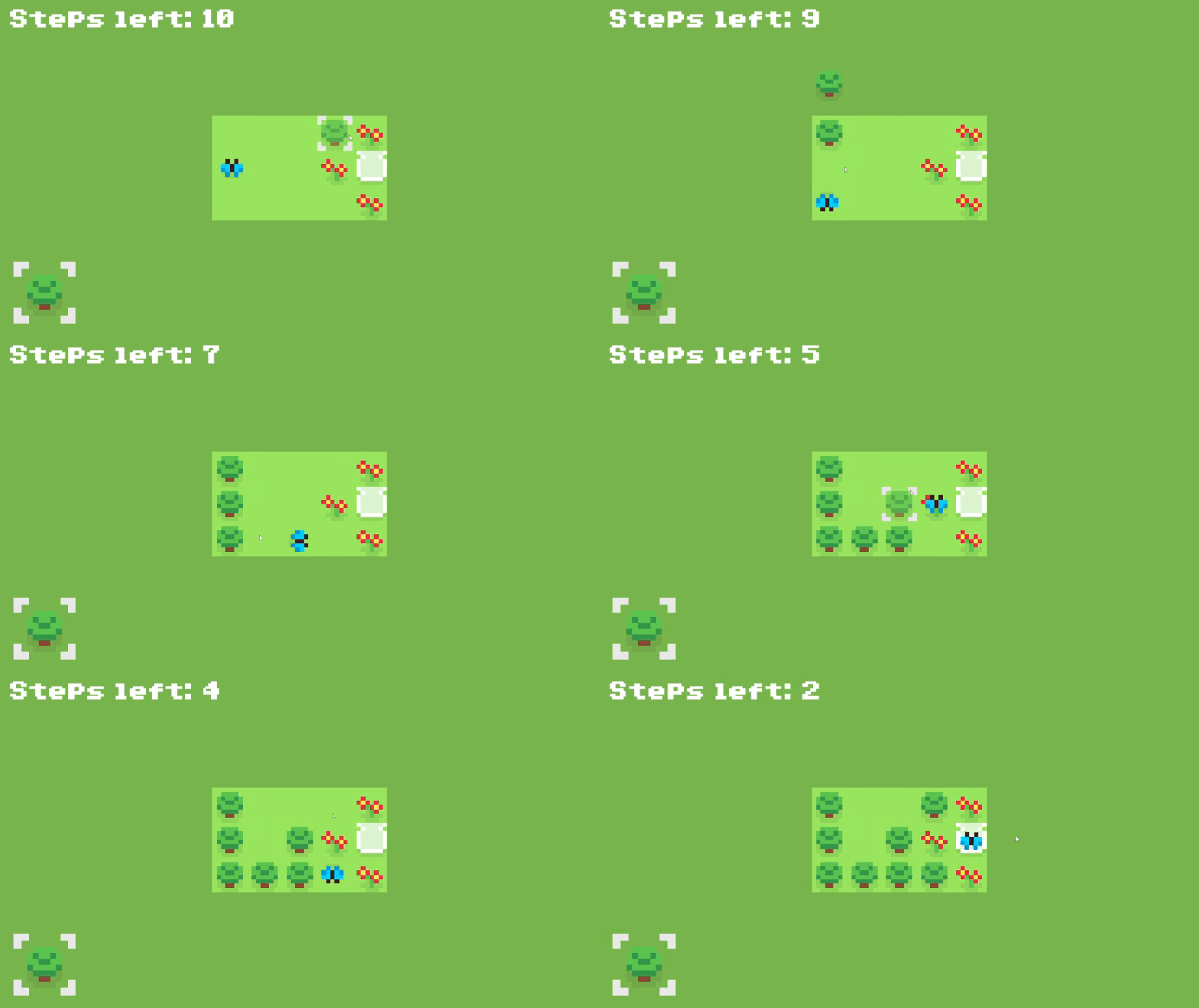
The "Tiny Creatures" theme lent itself beautifully to puzzle game interpretations, where the constraints of scale often create unique challenges. Butterjar by zz1p.itch.io is a prime example, presenting itself as a minimalist yet charming puzzle platformer. The premise is disarmingly simple: guide a butterfly into a jar. This seemingly straightforward goal belies 13 meticulously designed levels that demand precise movement, environmental manipulation, and clever problem-solving. The game’s brevity, completable in approximately 10 minutes, is a hallmark of game jam submissions, offering a concise and satisfying experience. Its browser-based accessibility ensures instant engagement, allowing players to quickly grasp its mechanics and enjoy its elegant design. The butterfly, a quintessential tiny creature, becomes the focal point of a thoughtful and engaging brain-teaser.
GO BLO by kazantsev.itch.io takes a different approach to puzzles, focusing on collective movement and numerical challenges. In this game, players lead a troop of blue, amorphous characters, growing their crowd of followers to solve environmental puzzles. The core mechanic likely involves leveraging the combined mass or numerical strength of the "blo" people to activate switches, move objects, or bridge gaps. The visual style, hinted at by the provided GIF, suggests a playful and perhaps abstract aesthetic. This game cleverly interprets "tiny creatures" not as individual entities but as a collective, where the strength lies in numbers and coordinated effort. The browser-based play ensures broad accessibility, inviting players to experiment with its unique crowd-management mechanics.
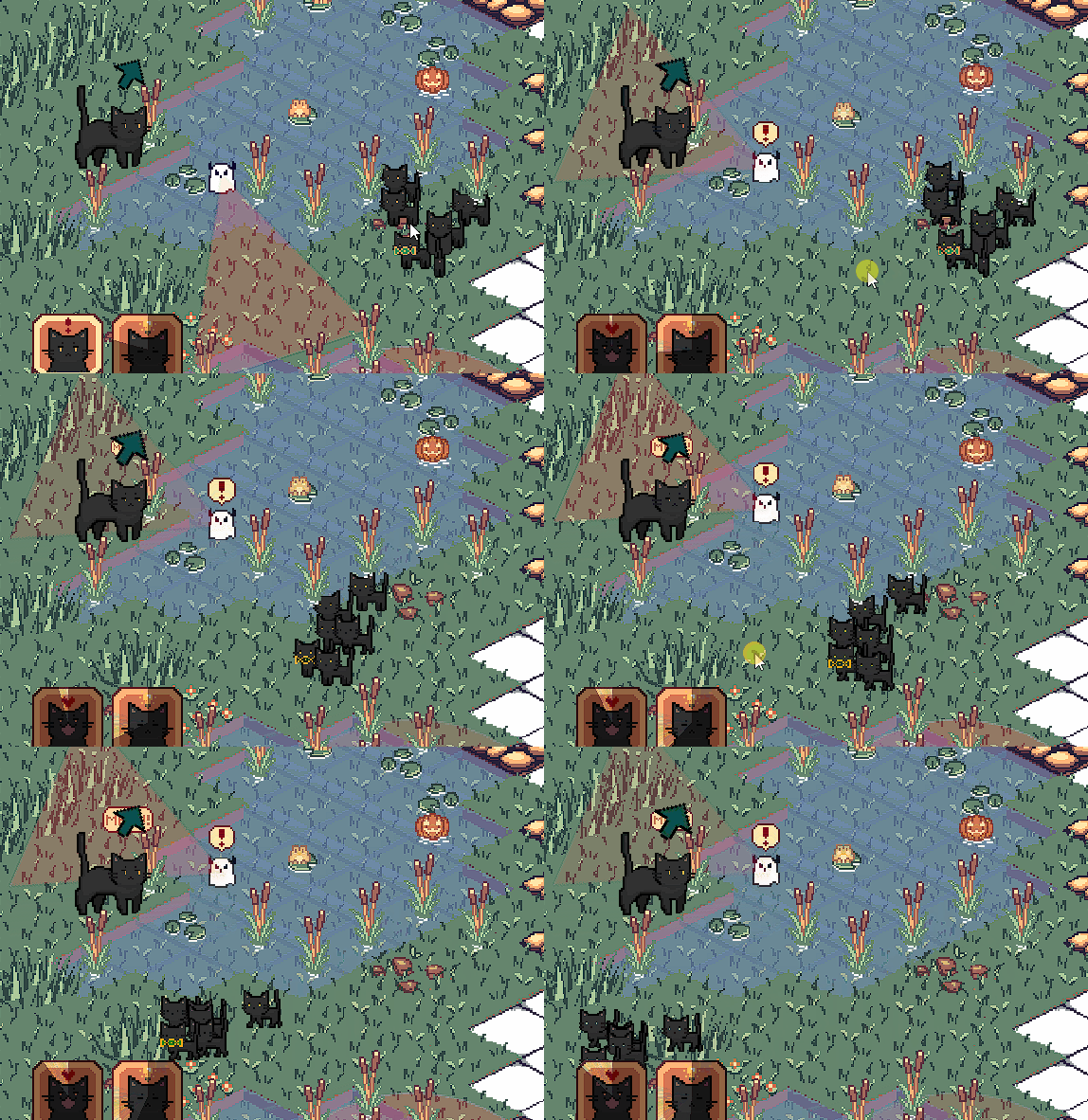
Candyween by megurte.itch.io combines the "Tiny Creatures" theme with a festive Halloween twist, resulting in an isometric pixel-art puzzle platformer. Players control a helpful cat, assisting a witch in her quest to retrieve scattered candies. The game’s isometric perspective adds a layer of spatial reasoning to the puzzles, requiring players to navigate around spooky obstacles like ghosts and dogs. The Halloween setting, with its inherent charm and potential for playful scares, provides a unique backdrop for the feline protagonist, another archetypal "tiny creature" (at least from a human perspective, but often viewed as a miniature adventurer in games). The game’s blend of aesthetic appeal, thematic coherence, and engaging puzzle design makes it a noteworthy entry.
Simulation and Management Titles
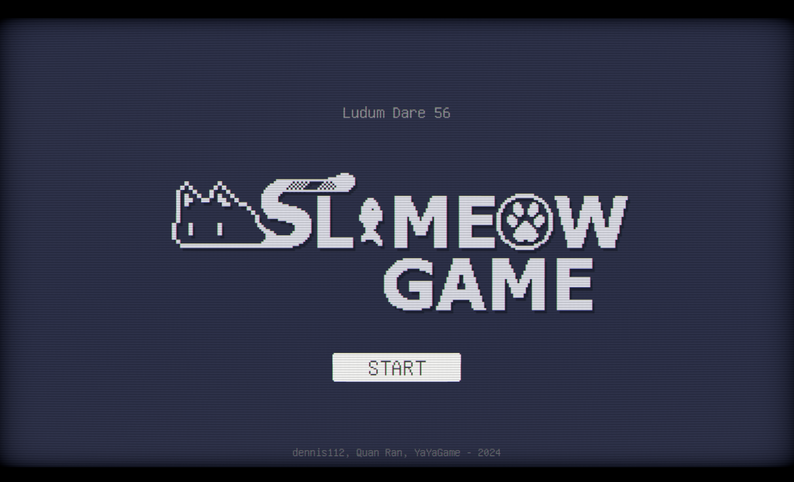
The theme also inspired several simulation and management games, demonstrating how developers can create complex systems even under strict time limits. Slimeow Game by quanran.itch.io is a fascinating hybrid, merging tower defense with incremental gameplay mechanics. Players are tasked with guiding adorable slime creatures to collect fish, which in turn allows them to breed more "slimeows." This expanding population is then crucial for defending their pond from invading bobtails, presumably other tiny, mischievous creatures. The combination of resource management (fish collection), population growth (breeding), and defensive strategy (tower defense) creates a loop that is both engaging and surprisingly deep for a jam game. The incremental aspect suggests a sense of continuous progression, while the tower defense elements add a layer of immediate tactical decision-making. Playable in browser, Slimeow Game offers a charming and addictive take on the "Tiny Creatures" theme.
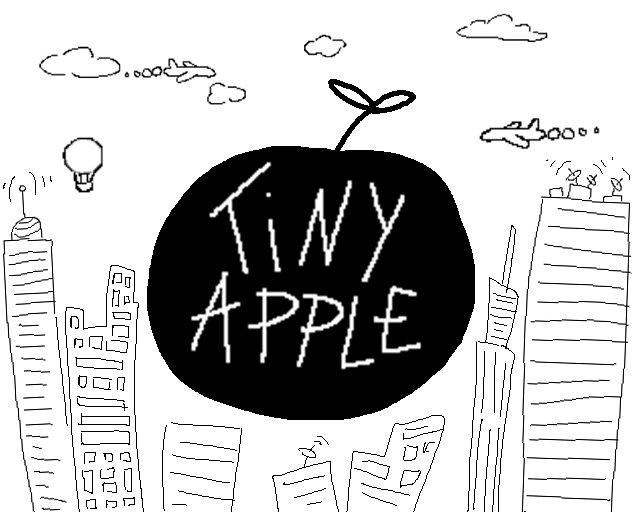
Tiny Apple by docgeraud.itch.io shifts focus to an idle simulation experience, a genre often characterized by passive progression. In this game, players are invited to generate "love" within a city using simple one-button gameplay. While the connection to "Tiny Creatures" might initially seem abstract, the implication could be that the player controls a tiny, perhaps invisible, entity whose actions ripple through the city, fostering positive emotions. Alternatively, the "tiny apple" itself could be a metaphorical tiny creature, a catalyst for growth and affection. Idle games are well-suited for game jams as they can offer a sense of accomplishment without demanding constant, complex input, allowing developers to focus on core systems. Its browser-based nature enhances its pick-up-and-play appeal.
Narrative and Evocative Journeys
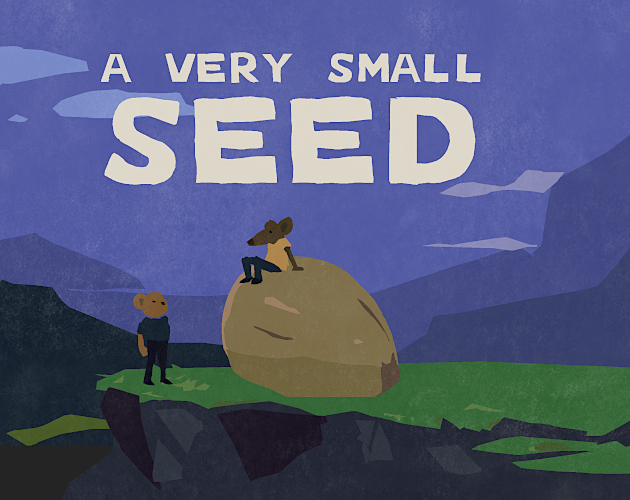
Beyond mechanics and strategy, the "Tiny Creatures" theme also sparked deeply narrative and emotionally resonant experiences. A very small seed by vidarn.itch.io exemplifies this approach, offering a hand-drawn adventure that follows two tiny creatures on a poignant journey to bring a small seed home. This interactive experience likely emphasizes exploration, environmental interaction, and perhaps light puzzle-solving, all framed within a heartfelt narrative. The hand-drawn art style adds a unique, intimate touch, enhancing the emotional connection to the characters and their minuscule quest. The game’s brevity suggests a focused, impactful story designed to evoke wonder and empathy, proving that powerful narratives can emerge even from short development cycles. The journey of the tiny seed and its tiny protectors symbolizes resilience and the profound significance of small acts.
Perhaps the most unique narrative interpretation comes from Would You Still Love Me? by rachelftech.itch.io. This game delves into the intimate and existential question of a relationship’s endurance when one partner undergoes a drastic transformation into a tiny creature. The narrative adventure likely explores themes of unconditional love, acceptance, and the challenges faced when physical forms change but emotional bonds persist. Such a premise offers rich ground for dialogue choices, character interaction, and introspective moments, pushing the boundaries of what a game jam can achieve in terms of emotional depth. Playable in browser, this title invites players to ponder the profound implications of its fantastical scenario, using the "Tiny Creatures" theme as a metaphor for change and unwavering affection.
Unique Gameplay Mechanics
Combo Critters by punkcake.itch.io introduces a strategic card battling game centered around the titular tiny creatures. Players are tasked with assembling teams of critters, each possessing unique abilities, to engage in tactical combat. The core innovation lies in the emphasis on creating powerful "combinations" between different critter abilities, suggesting a deep strategic layer where synergy is key to victory. This game takes the "Tiny Creatures" theme and imbues it with a competitive edge, allowing players to explore the potential of a diverse roster of miniature fighters. The fact that it’s available as a free download for Windows indicates a more robust client-based experience, potentially allowing for richer visuals and more complex systems than browser-based titles. This title demonstrates the versatility of the theme across different genres and platforms.
The Broader Impact of Game Jams on Game Development
The sheer volume and quality of submissions to Ludum Dare 56, as evidenced by itch.io’s recommendations, underscore the profound impact game jams have on the global game development landscape. These events serve as vital incubators for new talent, allowing aspiring developers to gain practical experience, experiment with novel mechanics, and build portfolios. The intense time constraints force participants to prioritize, iterate rapidly, and often devise creative solutions to technical limitations, fostering invaluable problem-solving skills. Furthermore, game jams frequently act as launchpads for commercial success; many beloved indie titles, such as Baba Is You and Superhot, began as game jam prototypes.
The "Tiny Creatures" theme, in particular, encouraged developers to think beyond conventional scales, leading to games that explore themes of vulnerability, perspective, and the hidden wonders of the miniature world. This thematic focus often results in fresh gameplay perspectives that might not emerge from traditional development cycles. The community aspect, with peer feedback and collaborative spirit, further enhances the learning experience, creating a supportive environment for innovation. From a broader industry perspective, game jams like Ludum Dare are crucial for continuously injecting fresh ideas and diverse voices into the mainstream, pushing the boundaries of interactive entertainment. They democratize game creation, making it accessible to anyone with an idea and the drive to execute it, regardless of formal training or resources.
Continuing the Exploration: Beyond the Recommendations
While itch.io’s highlighted games offer a fantastic starting point, they represent only a fraction of the hundreds, if not thousands, of games submitted to Ludum Dare 56. The full breadth of creative interpretations of the "Tiny Creatures" theme is an open invitation for players and fellow developers to explore. The dedicated Ludum Dare 56 tag on itch.io remains the definitive portal for diving deeper into this treasure trove of rapid-fire game development.
The community’s engagement is paramount during the post-jam phase, where players are encouraged to play, rate, and comment on submissions. This feedback is invaluable to developers, providing insights into their game’s strengths and areas for improvement, and often fueling their motivation for future projects. Whether you participated in Ludum Dare 56 as a developer or are simply a curious enthusiast of independent games, the opportunity to discover nascent talent and innovative gameplay experiences is immense. Engage with the community, share your own experiences, and celebrate the incredible creativity sparked by a simple theme and a tight deadline. The journey of these "Tiny Creatures" has just begun, and their potential to grow into something larger is a testament to the power of collective imagination.
About the Author