The latest iteration of the globally renowned game development event, Ludum Dare 56, officially concluded its submission phase on October 7th, 2024, challenging developers worldwide to conceptualize and create innovative games within a stringent 48 or 72-hour timeframe. The designated theme, "Tiny Creatures," inspired a vast array of interpretations, resulting in an impressive influx of over 800 tagged submissions on the independent game platform itch.io within the subsequent two weeks. This article serves as the second comprehensive review from itch.io, presenting an additional curated selection of standout titles that exemplify the ingenuity and diverse approaches taken by participants in response to the theme. Following an initial overview of promising entries, this expanded feature delves deeper into more remarkable projects, underscoring the dynamic creativity inherent in the game jam community.
Understanding Ludum Dare: A Crucible for Game Development
Ludum Dare stands as one of the longest-running and most influential game jams in the world, serving as a biannual event that has profoundly shaped the independent game development landscape since its inception in April 2002. Founded by Geoff F. Gibson, the event’s core mission is to foster creativity, encourage rapid prototyping, and build a vibrant community among aspiring and established game developers. Participants are given a surprise theme and a strict deadline—either 48 hours for the "Compo" category (solo developers, all assets created during the jam) or 72 hours for the "Jam" category (teams allowed, external assets permitted with proper attribution). This intense pressure cooker environment forces developers to focus on core mechanics, innovative ideas, and efficient execution, often leading to surprisingly polished and original concepts. Over the years, Ludum Dare has been instrumental in the discovery of countless indie talents and the birth of game ideas that have later evolved into full commercial releases, such as Goat Simulator (originally Goat Game) and Papers, Please. Its continued success is a testament to the enduring appeal of creative constraints and collaborative spirit within the global game development community.
Ludum Dare 56: A Chronology of Creativity
The Ludum Dare 56 event officially commenced on October 4th, 2024, with the highly anticipated announcement of the "Tiny Creatures" theme. This pivotal moment kicked off a frantic development sprint for thousands of participants across the globe. Developers, ranging from seasoned veterans to first-time jammers, immediately began brainstorming, designing, coding, and creating art assets, all while adhering to the tight time limits. The 48-hour Compo deadline arrived on October 6th, followed by the 72-hour Jam deadline on October 7th. Once the submission window closed, a multi-week judging period began, allowing participants to play and rate each other’s games, providing valuable feedback and fostering community engagement. Itch.io, a prominent platform for indie games, plays a crucial role in this ecosystem, acting as a primary host for Ludum Dare submissions and a central hub for community interaction and discovery. The platform’s commitment to showcasing these creations, as evidenced by these recommendation posts, highlights the enduring impact of such events on game innovation and developer visibility. The sheer volume of over 800 games tagged for Ludum Dare 56 on itch.io alone underscores the immense participation and the creative energy unleashed by the "Tiny Creatures" theme.
Diverse Interpretations of "Tiny Creatures"
The theme "Tiny Creatures" proved to be a fertile ground for imaginative interpretations, moving beyond literal depictions of insects or microscopic life to encompass broader concepts of scale, perspective, and the challenges faced by the diminutive. Developers explored narratives from the viewpoint of a tiny entity navigating a giant world, created systems where small actions had large consequences, or designed games centered around managing populations of minute beings. This thematic flexibility encouraged a wide range of genres, from intricate simulation games and strategic builders to whimsical adventure titles and contemplative puzzle experiences. The selection curated by itch.io reflects this diversity, showcasing how different teams leveraged the core idea to craft unique and engaging gameplay loops within the jam’s strictures. The games presented demonstrate that "tiny" can refer not only to physical size but also to political power, influence, or the initial spark of an idea that grows into something monumental.
Spotlight on Ludum Dare 56 Recommended Games
The following games represent a fraction of the immense creativity displayed during Ludum Dare 56, each offering a distinct take on the "Tiny Creatures" theme and demonstrating impressive technical and design prowess within the jam’s tight constraints.
Creature Packets by Kenforest
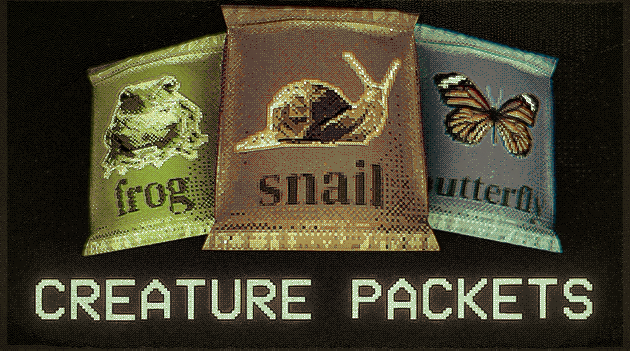
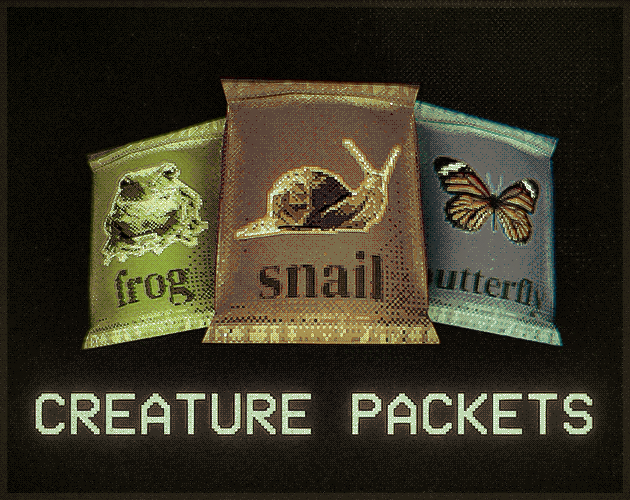
Creature Packets plunges players into a uniquely bizarre PS1-era styled world where culinary arts meet biological experimentation. The game’s premise revolves around the fascinating, albeit unsettling, act of "cooking" tiny creatures. Players utilize a microwave to reanimate dormant creatures contained within specialized packets, bringing them to life with a satisfying ping. The experience then escalates with the introduction of a blender, an instrument of further discovery. By processing these creatures, players can extract and explore new "substance packages," which in turn unlock the ability to cook an even wider variety of unique, miniature beings. This cyclical gameplay loop encourages experimentation and curiosity, blending elements of cooking, crafting, and creature collection. The distinctive low-poly aesthetic, characteristic of early PlayStation titles, adds a layer of nostalgic charm and effectively conveys a sense of eerie, lo-fi wonder. Creature Packets is currently available for Windows, offering a peculiar and memorable adventure for those with an appetite for the unconventional.
Build The Sun by Punkcake
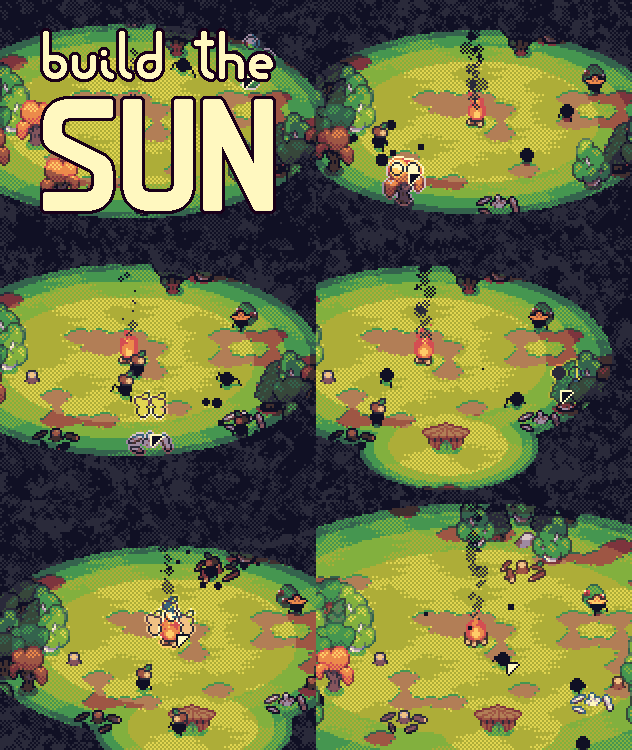
Build The Sun offers a captivating god-game experience, placing players in a role of cosmic stewardship over a fledgling world. Beginning with a humble flame, the game challenges players to nurture a burgeoning civilization and expand their influence across a minimalist, pixel-art landscape. The core gameplay loop involves exploration, establishing settlements, and meticulously gathering resources, all contributing to the gradual enhancement of the central fire. As the fire grows in intensity and power, it metaphorically and literally evolves, ultimately ascending to the status of a celestial body—the Sun. This elegant progression from microcosmic management to macrocosmic creation provides a profound sense of achievement. The pixel-art aesthetic, while simple, is thoughtfully executed, lending a charming and cohesive visual identity to the unfolding world. Build The Sun successfully encapsulates the "Tiny Creatures" theme through its focus on managing a nascent, small-scale world and guiding its inhabitants towards a grand, celestial destiny. It is compatible with Windows, macOS, and Linux, making it accessible to a broad audience.
Maginot by VFQd
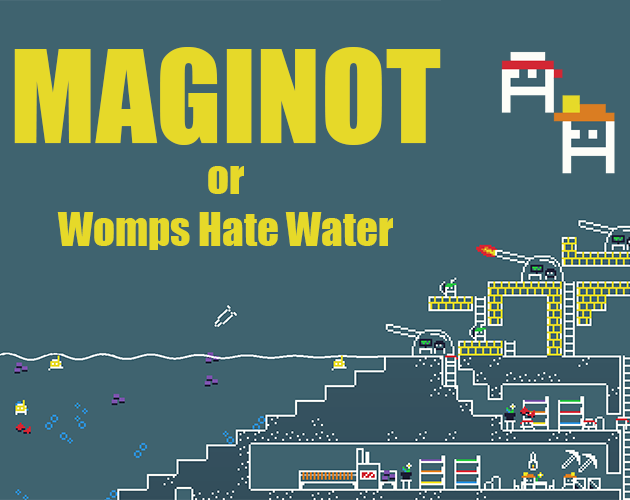
In Maginot, players are tasked with establishing and expanding an incremental colony, focusing on the relentless pursuit of resources while battling the existential threat of the encroaching sea. This colony builder ingeniously combines strategic digging mechanics with idle game progression, creating a compelling loop of expansion and defense. Players must meticulously excavate deep underground to unearth vital minerals, which are then used to construct and upgrade their burgeoning colony. As the settlement grows, it attracts new inhabitants, affectionately known as "Womps," who contribute to the colony’s productivity. The ultimate objective, however, transcends mere survival; players are challenged to develop their colony to a point where they can "obliterate the sea," a grand, ambitious goal that provides a clear and motivating long-term objective. The game’s incremental nature ensures a continuous sense of progress, while the looming environmental threat adds a layer of urgency and strategic depth. Maginot is conveniently playable directly in a web browser, allowing for immediate engagement without the need for downloads.
Headquarters by yogurtthehorse
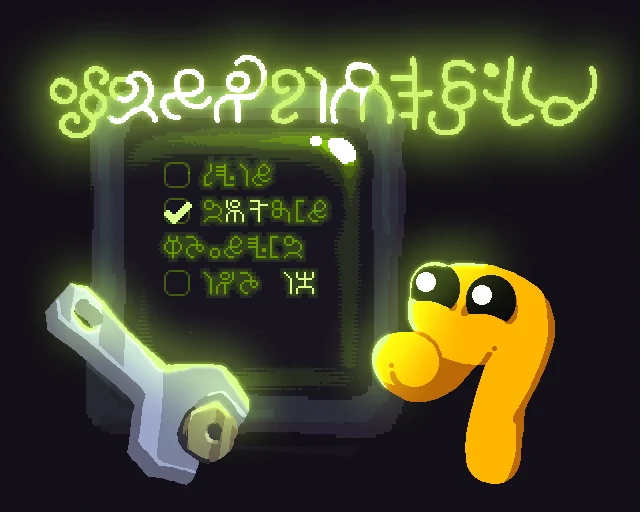
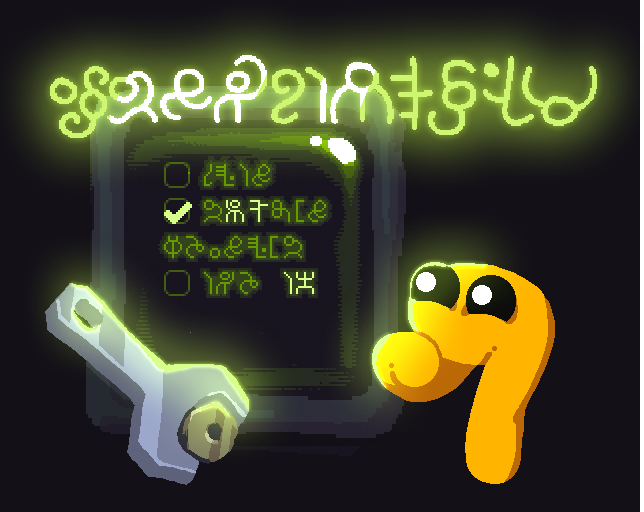
Headquarters presents players with a cryptic and intriguing point-and-click simulation game that delves into the esoteric challenge of deciphering an unknown alphabet. The game eschews conventional narrative hand-holding, instead inviting players to immerse themselves in an environment where observation, pattern recognition, and logical deduction are paramount. The core gameplay revolves around interacting with various elements within a confined space, meticulously analyzing symbols, and slowly piecing together the meaning of an alien linguistic system. The "Tiny Creatures" theme is subtly interpreted here, perhaps referring to the small, intricate pieces of information that must be gathered and understood to unlock the larger mystery. The simulation aspect encourages a methodical approach, rewarding players who carefully consider each interaction. The game’s understated aesthetic and focus on intellectual engagement create a unique and thought-provoking experience, appealing to those who enjoy cerebral puzzles. Headquarters offers broad accessibility, being playable in web browsers and available for Windows, Linux, and macOS.
Tiny Colony by mreliptik
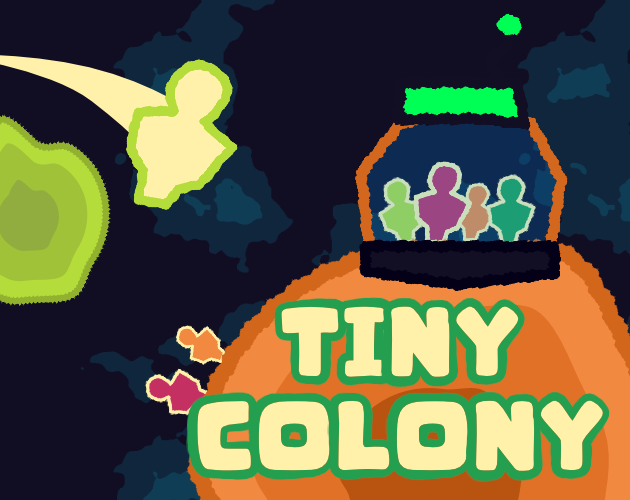
Tiny Colony masterfully integrates the "Tiny Creatures" theme into a dynamic and engaging space colonization simulation, employing an innovative interplanetary slingshot system. Players are tasked with expanding their dominion across the cosmos by launching miniature creatures from one planet to another, aiming for new celestial bodies to colonize. The central mechanic revolves around utilizing planetary gravity to the player’s advantage, carefully calculating trajectories to propel the tiny colonists at optimal speeds. This requires a delicate balance of precision and foresight, as players must not only harness gravitational forces but also navigate around hazardous obstacles and avoid the vast, unforgiving void of space. The game’s physics-based gameplay provides a satisfying challenge, demanding strategic thinking and quick reflexes. The visual presentation is clean and effective, clearly conveying the cosmic scale and the delicate journey of the small creatures. Tiny Colony is accessible through web browsers and also offers standalone versions for Windows, Linux, and Android, broadening its reach to both desktop and mobile players.
FOREST CLEARING by Jefvel
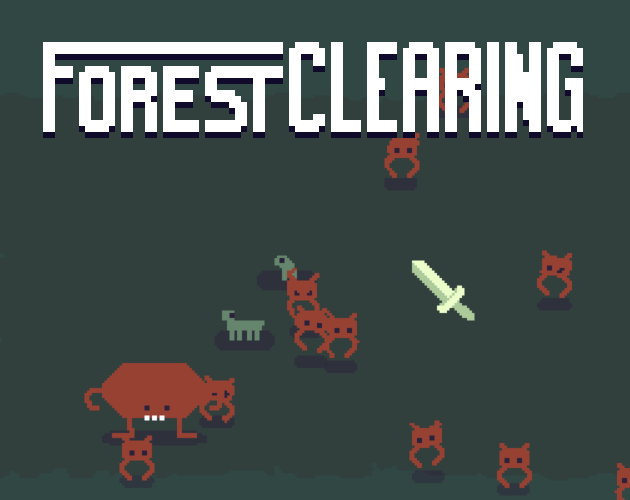
FOREST CLEARING offers a darkly humorous and surprisingly strategic take on the "Tiny Creatures" theme, blending elements of action and resource management within a compact, compelling loop. Players are cast as a guardian wielding a sword, tasked with protecting a community of small, endearing forest friends. However, the game introduces a morally ambiguous twist: these very friends can also be harvested for their "meat" to purchase essential upgrades upon the player’s inevitable demise. This creates a compelling ethical dilemma and a strategic layer, as players must balance protection with exploitation to progress. The combat involves swinging a sword to fend off threats, while the meta-progression system encourages repeated playthroughs, each death contributing to a stronger character for the next attempt. The game’s pixel art style is charming yet effective, making the "tiny creatures" both adorable and expendable in a darkly comedic fashion. FOREST CLEARING is playable in web browsers and also available for Windows, providing a fast-paced and thought-provoking experience.
Please Find Them by Adamlenglen
Please Find Them reimagines the classic hidden object genre with a clever narrative twist that perfectly aligns with the "Tiny Creatures" theme. Players assume the role of an exterminator, but instead of eliminating pests, their mission is to locate small creatures that have mysteriously shrunk within various residential environments. This premise transforms the mundane task of pest control into a whimsical and engaging scavenger hunt. Each scene presents a meticulously detailed domestic setting, teeming with everyday objects, among which the tiny, camouflaged creatures are hidden. The challenge lies in keen observation and systematic searching, rewarding players for their patience and attention to detail. The game’s art style supports its concept, presenting environments that are rich enough to hide objects effectively without being overly cluttered. Please Find Them offers a relaxing yet mentally stimulating experience, inviting players to slow down and meticulously explore. As a browser-based game, it offers immediate accessibility for anyone looking for a charming hidden object adventure.
Fear of the Ungnome by Scottts
Fear of the Ungnome is a captivating first-person exploration and puzzle game that sends players on a quirky quest to locate their Great Aunt’s elusive gnome. The game immediately establishes an atmosphere of playful mystery, combining the familiarity of a domestic setting with the bizarre nature of the search. What sets Fear of the Ungnome apart is its implementation of procedurally generated elements, ensuring that each playthrough offers a fresh layout and new challenges in the quest for the miniature garden inhabitant. This procedural generation enhances replayability and keeps players on their toes, as they can never quite predict the exact configuration of their surroundings or the placement of clues. The first-person perspective deeply immerses players in the environment, making the act of searching and problem-solving more personal. The puzzles are designed to be integrated seamlessly into the exploration, encouraging players to interact with their surroundings in creative ways. Fear of the Ungnome is available in web browsers and for Windows, promising a unique blend of discovery and deduction.
Mini Beasts by Cassowary
Mini Beasts offers a charming and accessible puzzle experience centered around the delightful task of rearranging critters to match their colors. This game is a straightforward yet engaging interpretation of the "Tiny Creatures" theme, focusing on a collection of small, vibrant creatures that must be logically organized. The core gameplay mechanic is simple to grasp: players manipulate the positions of various "mini beasts" on a grid, aiming to group creatures of the same color together. However, as levels progress, the puzzles introduce increasing complexity, requiring players to think several steps ahead and strategically plan their moves. The game’s clean, colorful aesthetic and intuitive interface make it appealing to a wide range of players, from casual puzzle enthusiasts to those seeking a more cerebral challenge. Mini Beasts exemplifies how a simple premise, when well-executed, can create a deeply satisfying and addictive gameplay loop. As a browser-based game, it offers instant fun and serves as an excellent example of a well-crafted, focused game jam entry.
Vox Regis by Sheepolution
Vox Regis stands out as a uniquely ambitious medieval strategy game that directly incorporates voice control into its core mechanics, offering a fresh take on the "Tiny Creatures" theme through socio-political manipulation. Players assume the role of a cunning king, whose primary objective is to maintain power by intentionally creating chaos and preventing any single rebellious group from growing too large. The "tiny creatures" in this context are the factions and individual citizens, whose allegiances and grievances must be carefully managed. The game’s innovative use of voice commands allows the player-king to lay blame on specific factions, spreading rumors and manipulating the populace to sow discord and maintain a delicate balance of power. This mechanic transforms the player’s voice into an instrument of governance and intrigue, making every command feel impactful. The medieval setting provides a rich backdrop for political maneuvering and strategic decision-making. Vox Regis is playable in web browsers and available for Windows, macOS, and Linux, inviting players to experience a truly distinctive strategy game.
The Enduring Impact of Game Jams and Itch.io’s Role
The games emerging from Ludum Dare 56, and indeed all game jams, serve as vital indicators of the ongoing innovation within the independent game development sector. These events are not merely competitions; they are dynamic innovation hubs where developers push creative boundaries, experiment with novel mechanics, and hone their skills under immense pressure. For many, game jams provide an unparalleled opportunity for skill development, forcing participants to rapidly prototype, learn new tools, and manage complex projects within tight deadlines. This intense environment often fosters an incredible sense of community, with developers sharing progress, offering feedback, and celebrating each other’s achievements.
Platforms like itch.io are indispensable in this ecosystem, acting as critical discovery platforms for these nascent creations. By providing a low-barrier-to-entry hosting solution and actively curating content through recommendation posts, itch.io ensures that these inventive projects reach a broader audience, providing crucial visibility for emerging talents. Many jam games, initially created as quick experiments, have gone on to receive significant community acclaim, attract publisher interest, and even evolve into full commercial releases, demonstrating the tangible commercial potential inherent in these rapid development cycles. The accessibility of itch.io, coupled with its robust tagging system, allows enthusiasts to easily explore the vast landscape of Ludum Dare games, including the specific Ludum Dare 56 entries, ensuring that no creative stone is left unturned.
Ludum Dare 56 has once again proven its significance as a catalyst for creativity and a cornerstone of the indie game development community. The "Tiny Creatures" theme generated a wealth of diverse and imaginative titles, each a testament to the passion and talent of independent developers worldwide. As the judging period progresses and more games gain recognition, the broader implications for game design and community engagement continue to expand. The collective output of such events ensures a constant influx of fresh ideas and methodologies into the global game development dialogue.
About the Author