The conclusion of Ludum Dare 56 on October 7, 2023, marked the culmination of a weekend-long global game development challenge that saw hundreds of creators conceptualize, design, and implement interactive experiences under the theme "Tiny Creatures." Following an initial wave of recommendations, itch.io, a prominent open marketplace for independent digital creators, has released a second curated selection, underscoring the remarkable diversity and ingenuity displayed by participants. Over 800 games tagged with Ludum Dare 56 have been uploaded to itch.io in the weeks since the event, solidifying its status as a vital platform for showcasing emerging talent and experimental game design. This continued spotlight from itch.io not only celebrates individual achievements but also highlights the enduring impact of game jams on the independent development ecosystem.
Ludum Dare 56: A Global Showcase of Rapid Prototyping
Ludum Dare, one of the longest-running and most respected game jams globally, convenes developers semi-annually, challenging them to create a game from scratch within a highly constrained timeframe—either 48 hours for the solo "Compo" category or 72 hours for the "Jam" category, which allows teams. Ludum Dare 56, held from October 4th to October 7th, 2023, presented participants with the evocative and versatile theme "Tiny Creatures." This theme spurred a vast array of interpretations, from literal depictions of insects and microscopic organisms to more abstract explorations of scale, perspective, and the intricate lives of small entities in vast worlds. The event’s structured chaos forces developers to prioritize core mechanics, innovate under pressure, and often results in games that are surprisingly polished and conceptually rich despite their rapid gestation.
Historically, Ludum Dare consistently attracts thousands of participants worldwide, with each event typically yielding over 2,000 to 3,000 game submissions across various platforms. Itch.io serves as a primary hub for these submissions, providing developers with an accessible platform to upload, host, and receive feedback on their creations. The sheer volume of games—exceeding 800 on itch.io alone for Ludum Dare 56—testifies to the event’s enduring appeal and its crucial role in fostering a vibrant, creative community. This high participation rate also underscores the democratic nature of game development, where passion and ingenuity can often outweigh large budgets or extensive development cycles.
The Enduring Significance of Game Jams

Game jams like Ludum Dare are more than just competitive events; they are incubators for innovation, skill development, and community building. For aspiring and seasoned developers alike, they offer a unique opportunity to:
- Rapid Prototyping: Quickly test new ideas, mechanics, and technologies without the pressures of a long-term project.
- Skill Enhancement: Sharpen programming, art, sound design, and project management skills under tight deadlines.
- Networking and Collaboration: Connect with other developers, form teams, and experience collaborative creation.
- Portfolio Building: Generate new projects that can be added to a professional portfolio, demonstrating creativity and technical ability.
- Idea Generation: Serve as a springboard for larger, commercial projects, with many successful indie titles originating from game jam concepts.
The "Tiny Creatures" theme of Ludum Dare 56 proved particularly fertile for creative exploration. It allowed for a wide spectrum of genres, from survival and simulation to puzzle and exploration, all unified by the central concept of small-scale life and its challenges. Developers explored themes of vulnerability, resilience, ecological balance, and the hidden complexities of miniature worlds, often using their limited development time to distill these ideas into compelling, concise experiences.
Itch.io’s Curated Selections: A Window into Jam Innovation

Itch.io’s commitment to showcasing game jam creations through curated lists like this second installment of Ludum Dare 56 recommendations is invaluable. It provides visibility for games that might otherwise get lost in the sheer volume of submissions, offering players a guided tour through some of the most innovative and engaging titles. These selections also act as a testament to the platform’s dedication to supporting independent developers and fostering a community-driven approach to game discovery.
Let’s delve deeper into some of the standout titles from itch.io’s latest Ludum Dare 56 recommendations, exploring how each game uniquely interprets the "Tiny Creatures" theme and showcases the creative potential unleashed by the jam’s constraints.
Featured Games: Diverse Interpretations of "Tiny Creatures"
Creature Packets by kenforest
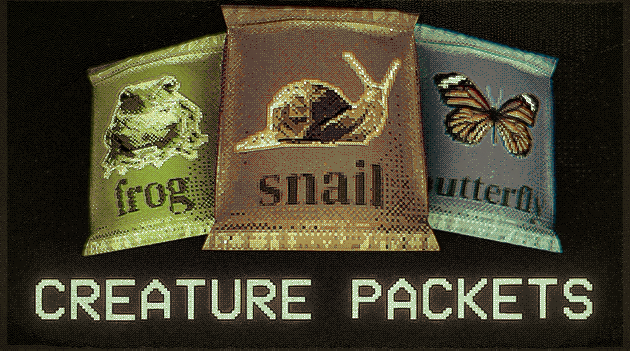
This PS1-styled game immediately grabs attention with its distinct retro aesthetic, evoking a sense of nostalgic charm while tackling a darkly humorous concept. Creature Packets places players in a surreal kitchen environment, where the objective is to "cook" tiny creatures brought to life from packets using a microwave. The gameplay expands into experimental culinary science, allowing players to use a blender to combine substances and discover new creature types, thus furthering the bizarre gastronomic exploration. The game cleverly uses the "Tiny Creatures" theme by presenting these entities as ingredients, subverting traditional notions of nurturing or protecting small life. Its lo-fi visuals and quirky premise create a unique atmosphere, demonstrating how stylistic choices can enhance a game jam entry’s impact and identity. Available on Windows, it provides a self-contained, memorable experience.
Build The Sun by punkcake
Build The Sun offers an ambitious take on the "god game" genre within the tight constraints of a game jam. Players are tasked with nurturing a nascent world, beginning with a humble fire and guiding tiny creatures as they explore, settle, and expand. The core loop involves resource gathering to establish settlements and upgrade the central fire, ultimately aiming to transform it into a celestial body – the Sun. The pixel-art aesthetic, while simple, effectively conveys the scale and progression of this miniature civilization. This game cleverly integrates the "Tiny Creatures" theme by making the player a distant, benevolent (or perhaps indifferent) deity overseeing the growth of small, emergent life. Its systems-driven gameplay, focused on growth and expansion, highlights the potential for complex ideas to be distilled into an accessible format during a jam. It is available on Windows, macOS, and Linux, broadening its accessibility.
Maginot by vfqd
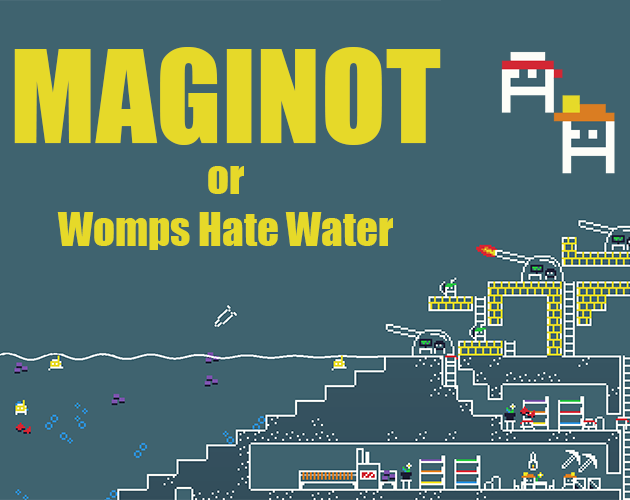
An incremental colony builder, Maginot presents a compelling narrative of survival and expansion against a relentless natural force: the sea. Players must dig deep into the earth to extract minerals, construct and expand their colony, and attract new "Womps" – presumably the tiny creatures central to the game’s population and workforce. The ultimate goal is to "obliterate the sea," a grand and perhaps ironic ambition for a colony of small beings. The incremental nature of the game, combined with resource management and strategic defense, provides a satisfying loop of progression. The theme "Tiny Creatures" is manifested through the Womps, whose collective effort allows for monumental feats, emphasizing the power of small units working in concert. Playable directly in a web browser, Maginot offers immediate engagement.
Headquarters by yogurtthehorse
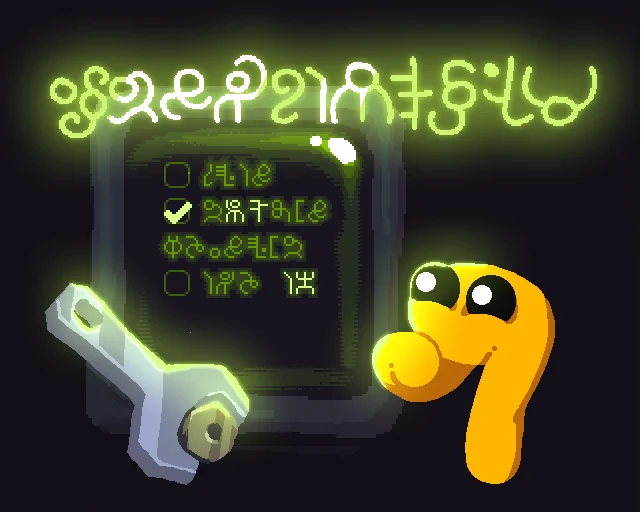
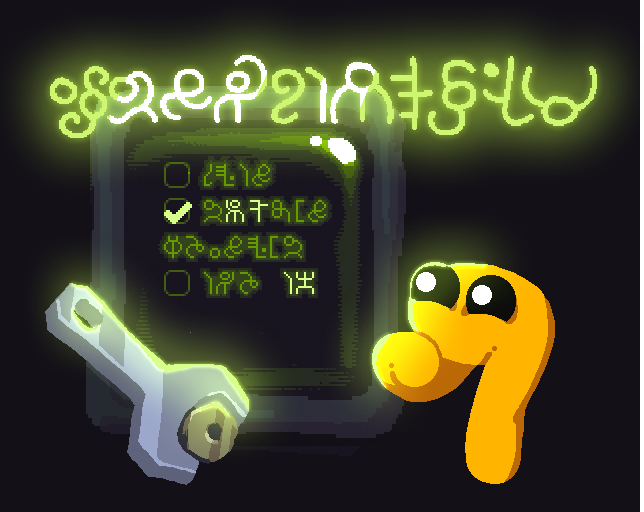
Headquarters distinguishes itself as a mysterious point-and-click simulation game focused on deciphering an unknown alphabet. While seemingly abstract, its connection to "Tiny Creatures" likely lies in the meticulous, almost microscopic attention required to unravel its linguistic puzzles, or perhaps the implication that the "headquarters" itself is a miniature world or a base for tiny entities. The game’s enigmatic premise invites players into a world of discovery, where observation and logical deduction are paramount. The point-and-click interface facilitates intuitive interaction, making the act of deciphering an engaging process. Its availability across web browsers, Windows, Linux, and macOS ensures wide reach for players intrigued by its unique blend of puzzle and simulation.
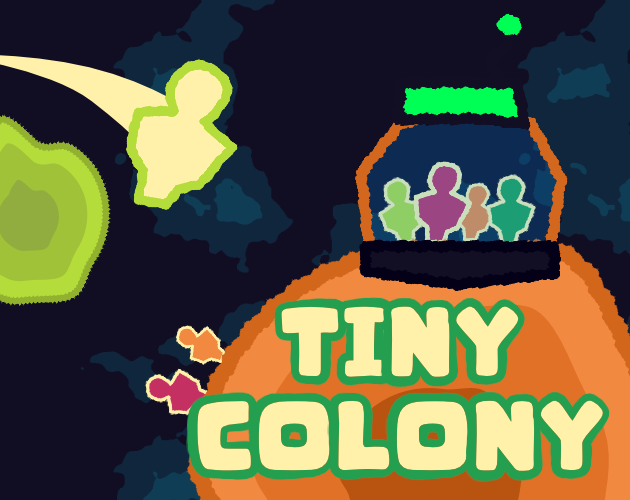
Tiny Colony by mreliptik
This game takes the "Tiny Creatures" theme into the vastness of space, presenting players with the challenge of colonizing planets using an "interplanetary slingshot system." The gameplay revolves around physics-based navigation, where players must strategically utilize planetary gravity to propel their tiny creatures across the void, avoiding obstacles and the perils of deep space. The emphasis on precise timing and trajectory planning adds a layer of skill-based challenge. Here, the "tiny creatures" are the brave, albeit small, pioneers embarking on a cosmic journey, highlighting themes of exploration and survival against overwhelming odds. The blend of arcade-style physics and strategic planning makes Tiny Colony a compelling entry, accessible via web browser, Windows, Linux, and Android.
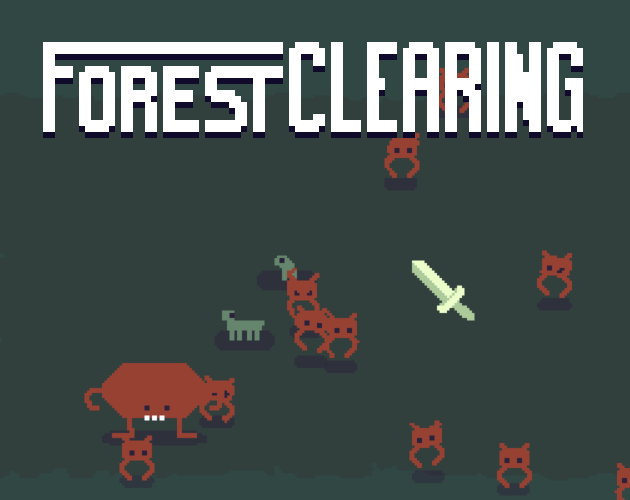
FOREST CLEARING by jefvel
FOREST CLEARING offers a darkly comedic and morally ambiguous twist on the "Tiny Creatures" theme. Players are cast in the role of protector of small forest friends, wielding a sword to defend them. However, the game introduces a macabre mechanic: when players inevitably die, they can harvest their "friends" for meat, which is then used to purchase upgrades. This subversion of typical "protect nature" narratives creates a unique gameplay loop that forces players to confront difficult choices and engage with a system of sacrificial progression. The "tiny creatures" are both assets to be protected and resources to be exploited, adding a layer of thematic complexity. Playable in a web browser and available for Windows, FOREST CLEARING provides a distinct, memorable experience.
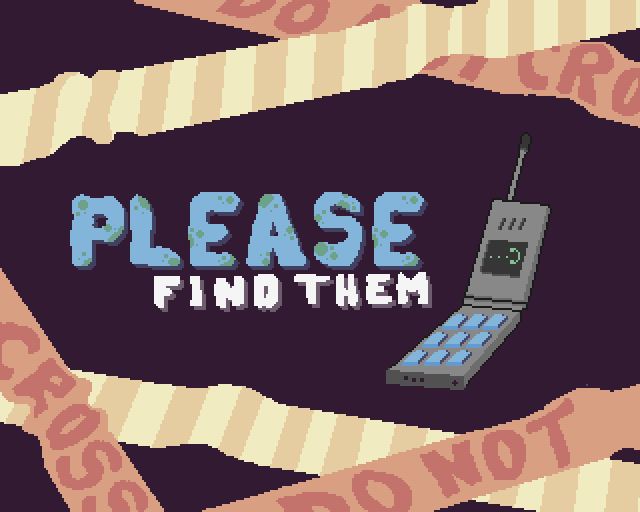
Please Find Them by adamlenglen
Embracing the classic "hidden object" genre, Please Find Them tasks players with becoming an exterminator searching for miniature creatures that have mysteriously shrunk within people’s houses. This premise ingeniously ties into the "Tiny Creatures" theme by altering the player’s perspective, transforming familiar domestic environments into vast, intricate landscapes requiring keen observation. The game challenges players to meticulously scan detailed scenes, identifying cleverly concealed creatures. The satisfaction of discovery, combined with the thematic twist of an exterminator seeking out tiny, almost invisible, life forms, makes for an engaging and accessible puzzle experience. As a browser-based game, it offers instant playability.
Fear of the Ungnome by scottts
Fear of the Ungnome delves into the realm of first-person exploration and puzzle-solving, with a narrative centered on finding a Great Aunt’s elusive gnome. The game incorporates procedurally generated elements, ensuring a fresh experience with each playthrough as players navigate ever-changing environments to uncover clues and solve puzzles. The "Tiny Creatures" theme is subtly integrated through the quest for the gnome—a quintessential small, mythical being—and potentially through the scale of the puzzles or the environments themselves. Procedural generation is a technically ambitious feature for a game jam, highlighting the developer’s skill in creating dynamic content. Available in a web browser and for Windows, it promises a replayable and intriguing mystery.
Mini Beasts by cassowary
Mini Beasts offers a straightforward yet addictive puzzle experience. The objective is simple: rearrange various critters to match their colors, akin to classic match-three or tile-swapping games. The "Tiny Creatures" theme is evident in the charming, colorful design of the "beasts" themselves, which serve as the core puzzle elements. The game’s accessibility and intuitive mechanics make it an immediate pick-up-and-play title, demonstrating that even simple concepts can be engaging when executed with clear design and a pleasant aesthetic. As a browser-based game, Mini Beasts is readily available for anyone seeking a quick, satisfying puzzle fix.
Vox Regis by sheepolution
Perhaps one of the most technically ambitious entries in the collection, Vox Regis is a medieval strategy game that leverages voice control. Players assume the role of a king tasked with maintaining power by preventing rebellious groups from growing too large. The innovative mechanic involves using one’s voice to "lay blame" on different factions, manipulating the populace and creating chaos to keep potential threats "small in size." This direct interaction through voice input adds a unique layer of immersion and challenge, while the "Tiny Creatures" theme is cleverly interpreted as the small, manageable rebellious groups that the player must prevent from escalating. The ambition to implement voice control within a game jam timeframe is noteworthy. Vox Regis is playable in a web browser and available for Windows, macOS, and Linux, showcasing impressive cross-platform development.
The Itch.io Advantage and Broader Implications
Itch.io’s role in the independent game development landscape extends far beyond simply hosting files. Its open nature, developer-friendly revenue sharing model, and robust community features make it an ideal platform for game jams. It provides a democratic space where creators can publish their work without gatekeepers, directly interact with players, and receive feedback that is crucial for growth. The platform’s curation, exemplified by these Ludum Dare highlight posts, amplifies the visibility of high-quality projects, ensuring that innovative ideas and emerging talents receive the recognition they deserve.
The continued success of events like Ludum Dare, coupled with the supportive environment of platforms like itch.io, points to a thriving future for independent game development. These jams act as vital proving grounds, fostering creativity, technical expertise, and a strong sense of community. The "Tiny Creatures" theme of Ludum Dare 56, in particular, proved to be a catalyst for a wide spectrum of imaginative interpretations, demonstrating that even seemingly simple concepts can yield profound and diverse interactive experiences.
As the gaming industry continues to evolve, the collaborative spirit and rapid innovation born from game jams remain a cornerstone of its progress. The games highlighted by itch.io from Ludum Dare 56 serve as compelling examples of how creativity flourishes under constraint, and how a global community of developers can collectively push the boundaries of interactive entertainment, one tiny creature at a time. The full breadth of Ludum Dare 56 submissions, along with past entries, remains available for exploration on itch.io, offering a treasure trove of experimental and inspiring games for players and aspiring developers alike. The conversation around these innovative titles continues, inviting further community engagement and discovery.
About the Author