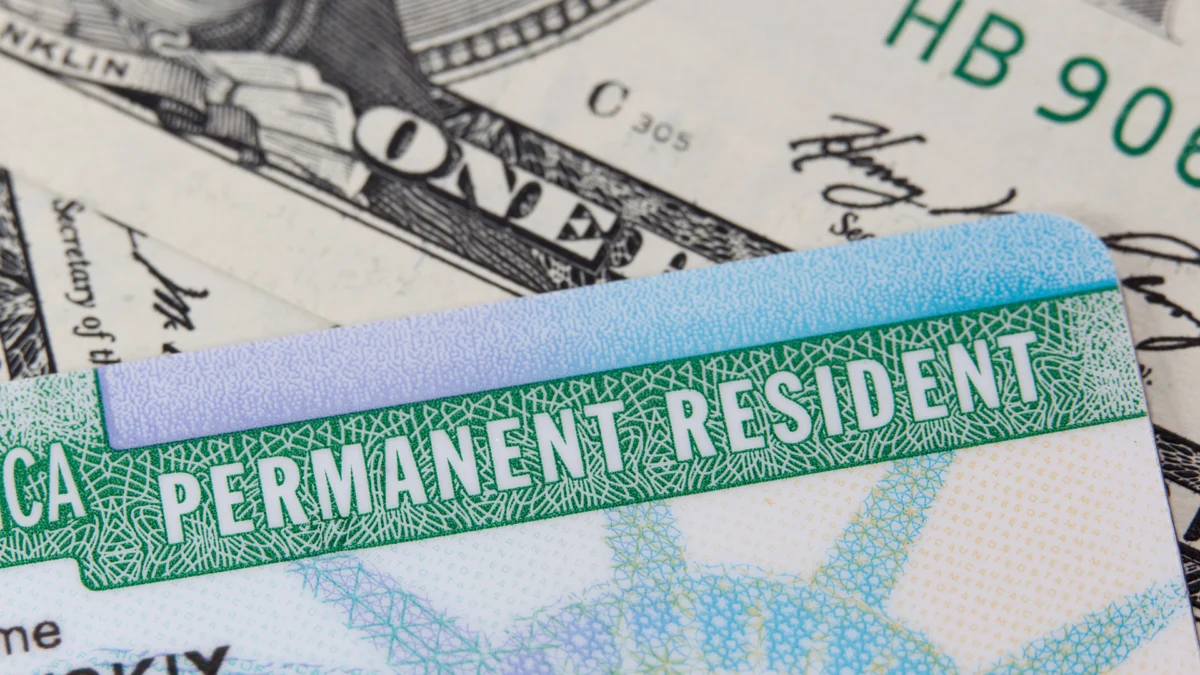
In a significant escalation of the administration’s aggressive immigration policies, United States President Donald Trump today suspended Microsoft’s ability to apply for visas for workers from foreign countries to live and work in the United States. This sweeping directive immediately impacts all divisions of the Redmond-based technology behemoth, including its prominent Xbox video games division, and is expected to severely curtail the company’s capacity to recruit talent from outside the U.S. borders. The move, confirmed by Vice President J.D. Vance, was explicitly framed as a response to alleged fraud within Microsoft’s hiring practices, particularly concerning the H1-B visa program.
The Administration’s Allegations and Policy Rationale
Vice President Vance, speaking on Thursday, publicly confirmed the Trump administration’s decision, asserting that the suspension was prompted by suspicions of systemic fraud. Vance accused Microsoft of systematically laying off American workers while simultaneously replacing them with H1-B visa holders. He specifically cited figures, claiming that Microsoft had laid off approximately 6,000 American employees in recent years, only to then bring in 6,100 H1-B visa workers, whom he controversially labeled "foreign indentured servants." This rhetoric aligns with the administration’s long-standing "America First" agenda, which prioritizes American jobs and seeks to curb what it perceives as abuses of the immigration system by corporations.
The stated objective behind this drastic suspension is to compel Microsoft, and by extension other major U.S. corporations, to prioritize the hiring of American citizens over foreign-born workers. Vance also extended his critique beyond corporate practices, specifically singling out universities for their use of J-1 visas for international students, suggesting a broader review of academic institutions’ reliance on foreign talent. This broader focus underscores the administration’s comprehensive approach to re-evaluating and tightening various non-immigrant visa categories.
Understanding the H1-B Visa Program
The H1-B visa program is a non-immigrant visa that allows U.S. employers to temporarily employ foreign workers in specialty occupations. These occupations generally require a bachelor’s degree or higher in a specific field, encompassing roles in information technology, engineering, medicine, and scientific research. The program is capped annually, typically at 65,000 visas, with an additional 20,000 for those with a U.S. master’s degree or higher. The demand for H1-B visas consistently outstrips supply, often requiring a lottery system to allocate the available visas.
Proponents of the H1-B program argue that it is crucial for U.S. companies, particularly in the tech sector, to access specialized skills and talent not readily available domestically, thereby fostering innovation and maintaining global competitiveness. Critics, however, contend that the program is often misused by companies to replace American workers with cheaper foreign labor, suppressing wages and leading to job displacement. This debate has been a recurring feature of U.S. immigration policy discussions for decades, intensifying under the Trump administration.
According to data compiled by the United States Citizenship and Immigration Services (USCIS), Microsoft stands as the fifth-highest employer of H1-B visa holders in the U.S., a testament to its global operations and reliance on international talent. The company is exceeded only by other tech giants such as Amazon, Apple, and several major IT consulting firms. While specific figures for the Xbox division were not disclosed, it is reasonable to infer that highly specialized roles in game development, software engineering, and artificial intelligence within Xbox would also rely on the H1-B program to some extent, making this suspension a direct concern for the gaming industry as well.
Microsoft’s Rebuttal and the Nuance of Visa Applications
In the immediate aftermath of the announcement, Microsoft swiftly issued an official statement via its corporate blog, vehemently denying the administration’s accusations and arguing that the suspension was "misaimed and based on incorrect information." The company provided critical data to contextualize its H1-B visa applications, aiming to dismantle the fraud narrative presented by Vice President Vance.
Microsoft clarified that "of the approximately 6,000 H-1B visa applications we submitted in the last fiscal year, 80% percent were to extend or change the status of existing Microsoft employees." This crucial detail suggests that the vast majority of their H1-B filings are not for entirely new hires from abroad but rather for retaining their current international workforce, allowing them to continue their contributions to the company’s projects and operations in the U.S. These extensions are vital for ensuring continuity in complex, long-term development cycles, particularly in areas like cloud infrastructure, artificial intelligence research, and advanced software development.
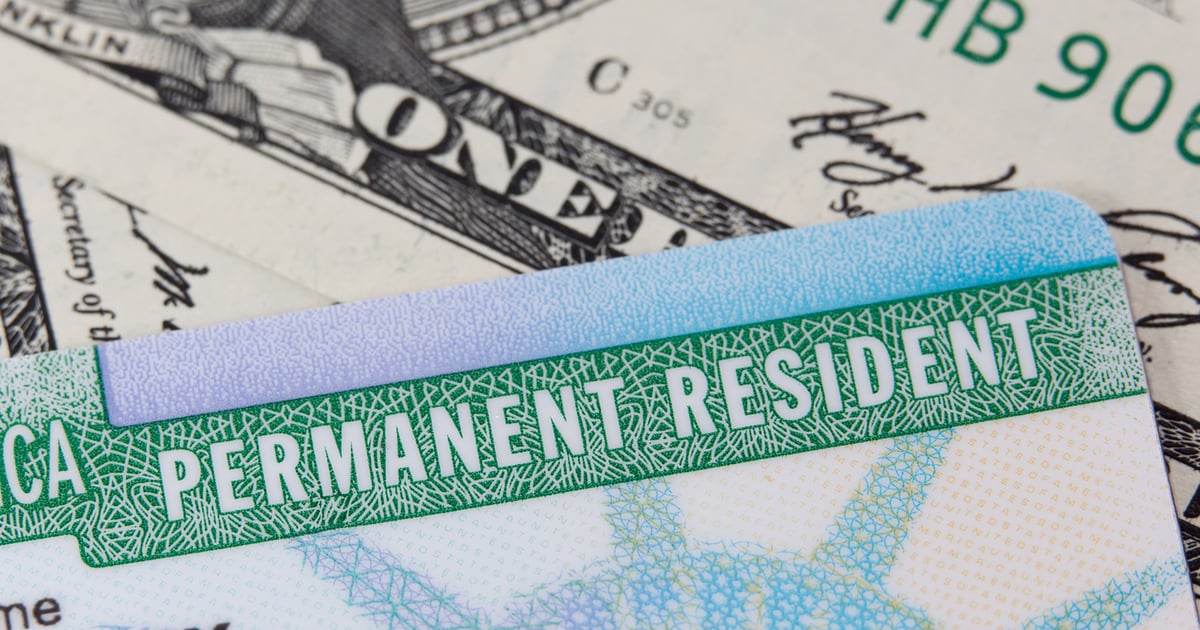
Furthermore, Microsoft stated that "The remaining filings for new employees were for individuals already legally in the United States who decided to come work for us, and they equal only 1% of our U.S. workforce. They are not new arrivals to our country." This indicates that even the relatively small number of new H1-B hires are typically individuals already residing legally in the U.S. – perhaps on other visa types (like F-1 student visas transitioning to H1-B after graduation) or having previously worked for other U.S. companies. This distinction is critical, as it challenges the perception that Microsoft is actively importing large numbers of foreign workers to directly replace American employees. The company’s statement paints a picture of managing an existing, diverse workforce rather than aggressively recruiting from overseas for initial entry into the U.S.
A Confluence of Events: Awards and Accusations
The timing of this dramatic policy shift adds a layer of complexity and perceived irony, as Microsoft CEO Satya Nadella is anticipated to arrive at the White House later today. Nadella is slated to receive a prestigious National Medal of Technology and Innovation from President Trump. This award ceremony is also expected to honor two other prominent figures in the technology and business world: Elon Musk, CEO of Tesla and SpaceX, and Michael Dell, founder and CEO of Dell Technologies. Both Musk and Dell are widely regarded as close political allies of the President, making Nadella’s inclusion in this group, amidst the visa suspension targeting his company, particularly striking.
The juxtaposition of bestowing a high honor upon Microsoft’s leader for technological contributions while simultaneously enacting a policy designed to severely hamper the company’s ability to attract and retain global talent creates a perplexing narrative. It raises questions about the administration’s internal consistency and whether the visa suspension is a targeted action against Microsoft specifically, or a broader policy enforcement that coincidentally impacts a CEO being honored. Industry observers suggest that this dual approach could be a strategic maneuver by the administration – acknowledging American technological prowess on one hand, while simultaneously asserting its power to dictate corporate hiring practices on the other.
Broader Implications for the Tech Sector and U.S. Competitiveness
The Trump administration’s decision to suspend Microsoft’s H1-B visa application privileges sends a chilling message across the entire U.S. technology sector, which heavily relies on international talent to fill highly specialized roles. This move could have far-reaching implications:
- Talent Pipeline Disruption: For companies like Microsoft, which operate on a global scale and innovate in cutting-edge fields such as artificial intelligence, cloud computing, and advanced software development, access to a diverse international talent pool is considered essential. Restricting H1-B visas makes it significantly harder to recruit top researchers, engineers, and developers from around the world, potentially slowing down innovation and product development.
- Impact on Innovation: Many groundbreaking technologies have been developed or significantly advanced by immigrant professionals in the U.S. A sustained restriction on skilled immigration could diminish the country’s competitive edge in key technological areas, potentially driving talent and research to other nations with more welcoming immigration policies.
- Operational Challenges: For Microsoft’s existing projects and future initiatives, particularly in highly specialized divisions like Xbox, which often require niche expertise in areas like graphics engineering, AI for gaming, and complex online infrastructure, the inability to retain or transfer existing H1-B employees could create significant operational hurdles and delays.
- Precedent for Other Tech Giants: While Microsoft is the immediate target, the action sets a powerful precedent. Other tech companies like Amazon, Apple, and Google, which also rank highly in H1-B visa sponsorship, will likely view this as a clear warning. This could lead to a broader chilling effect, forcing companies to reconsider their global hiring strategies and potentially discouraging highly skilled foreign professionals from pursuing opportunities in the U.S.
- Economic Uncertainty: The tech sector is a major driver of economic growth and job creation in the U.S. Policies that impede its ability to innovate and expand could have broader negative economic consequences, impacting investment, export revenues, and ancillary job creation.
- Legal Challenges: It is highly probable that this suspension, if not reversed, will face legal challenges. Tech companies and immigration advocacy groups have historically pushed back against restrictive visa policies, arguing they are detrimental to economic growth and fair labor practices. Microsoft, with its substantial legal resources, may consider avenues to challenge the administration’s decision.
Reactions from Industry and Advocacy Groups (Anticipated)
While Microsoft has issued its official statement, the broader tech industry and various advocacy groups are expected to voice strong concerns.
- Tech Industry Associations, such as the Chamber of Commerce or TechNet, will likely emphasize the importance of skilled immigration for U.S. economic competitiveness and innovation. They may argue that policies that restrict access to global talent will ultimately harm American businesses and jobs.
- Immigration Advocacy Groups are anticipated to condemn the move, highlighting the contributions of immigrant workers to the U.S. economy and society, and challenging the narrative of fraud as a pretext for xenophobic policies. They may also point to the humanitarian implications for individuals and families affected by visa restrictions.
- Academic Institutions, particularly those with strong research programs that attract international students, will likely express apprehension regarding the administration’s comments on J-1 visas. They may argue that international students contribute significantly to research, diversity, and the U.S. higher education system.
- Conversely, labor unions or groups advocating for stricter immigration controls may laud the administration’s decision, seeing it as a necessary step to protect American jobs and ensure fair wages.
A Future of Uncertainty
The immediate suspension of Microsoft’s H1-B visa applications marks a significant moment in the ongoing debate over immigration and its intersection with the U.S. economy and technological leadership. It signals a hardening stance from the Trump administration, prioritizing a specific interpretation of "American jobs" over the tech industry’s stated need for global talent.
As Microsoft prepares to navigate these new restrictions and potentially challenge them, the wider tech community will be watching closely. The outcome of this particular conflict could set a precedent for future immigration policies and ultimately influence the trajectory of U.S. innovation and its standing as a global leader in technology. The question remains whether the U.S. can maintain its technological edge while simultaneously tightening the flow of the very talent that has historically fueled much of its success.
About the Author