Ten years ago, on January 18, 2011, the critically acclaimed video game LittleBigPlanet 2 was released, marking a significant milestone in the evolution of interactive entertainment and user-generated content. The game, developed by Media Molecule and published by Sony Computer Entertainment, not only built upon the foundational principles of its predecessor but also expanded the creative potential for players and developers alike, particularly in its celebrated licensed soundtrack. This anniversary offers a valuable opportunity to revisit the intricate process behind curating the game’s diverse audio landscape, exploring the creative decisions, challenges, and ultimately, the lasting impact of its musical identity.
The Sonic Tapestry of LittleBigPlanet 2: A Curated Journey
The licensed soundtrack of LittleBigPlanet 2 was a meticulously crafted entity, designed to complement the game’s ambitious themes of science, invention, and imagination. Unlike the original LittleBigPlanet, which drew inspiration from a global journey, LittleBigPlanet 2‘s narrative thrust was centered on a "science through the ages" or "science fiction through the ages" concept. This abstract yet rich thematic foundation presented a unique challenge and opportunity for the audio team, requiring them to translate complex conceptual ideas into tangible sonic experiences.
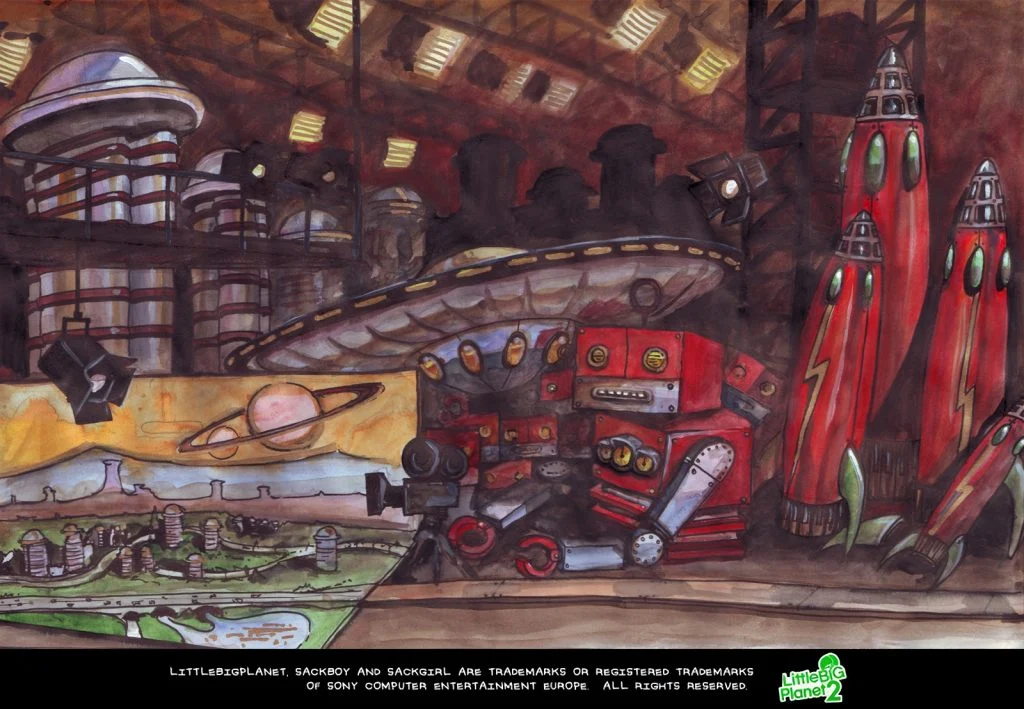
The selection process was not merely about finding catchy tunes; it was a deep dive into the art direction, the emotional resonance of the game’s environments, and the overarching narrative of Sackboy’s adventures. The aim was to find musical analogies that amplified the visual and thematic elements, creating a cohesive and immersive experience for players. This approach allowed the licensed soundtrack to serve as a distinct, yet complementary, layer to the game’s original score, which focused more on characterization, drama, and narrative exposition.
Playlists: A Glimpse into the Creative Process
To commemorate the game’s tenth anniversary, a retrospective examination of the licensed soundtrack has been undertaken, revealing not only the music that made the final cut but also a treasure trove of tracks that were considered and ultimately set aside. These explorations offer invaluable insights into the iterative nature of game development and the nuanced decision-making involved in shaping a game’s sonic identity.

1. The LittleBigPlanet 2 Licensed Soundtrack: This playlist comprises the licensed tracks that players directly experienced within the game. It’s important to note that, for technical reasons related to backward compatibility with LittleBigPlanet 1 player-created levels, the game’s licensed soundtrack technically encompassed all the music from the first title. However, for clarity and focus, these have been excluded from this retrospective playlist. A significant number of instrumental versions, remixes, and edits, often found only through unofficial channels, were also licensed but are not represented on all streaming platforms due to availability.
2. The LittleBigPlanet 2 Alternate Universe Soundtrack: This compilation features music that was seriously considered for inclusion in LittleBigPlanet 2 but ultimately did not make the final cut. The majority of these omissions stemmed from creative choices made during development, rather than issues with licensing availability, though at least one instance involved a beloved track that proved impossible to secure. This playlist provides a fascinating glimpse into the roads not taken, offering a sonic counterpoint to the finalized game.
3. The LittleBigPlanet 2 ‘Brief Says No’ Soundtrack: This collection highlights tracks that, while possessing merit and suitability on certain levels, did not align perfectly with the evolving creative brief and overall direction of the game. Many of these selections originated from the early stages of music discovery, where they may have functioned well in linear mock-ups but lacked the necessary energy or thematic resonance as the project’s vision solidified. Despite not making it into the game, these tracks represent a valuable archive of the extensive exploration undertaken by the audio team.
These curated playlists serve not only as a celebration of LittleBigPlanet 2‘s music but also as a testament to the power of music to evoke emotion and memory. The enduring ability of these tracks to stir the same feelings experienced during the game’s development underscores the profound connection between music and experience, a connection that transcends the confines of the game itself.
Genesis of a Sonic Vision: From Concept to Code
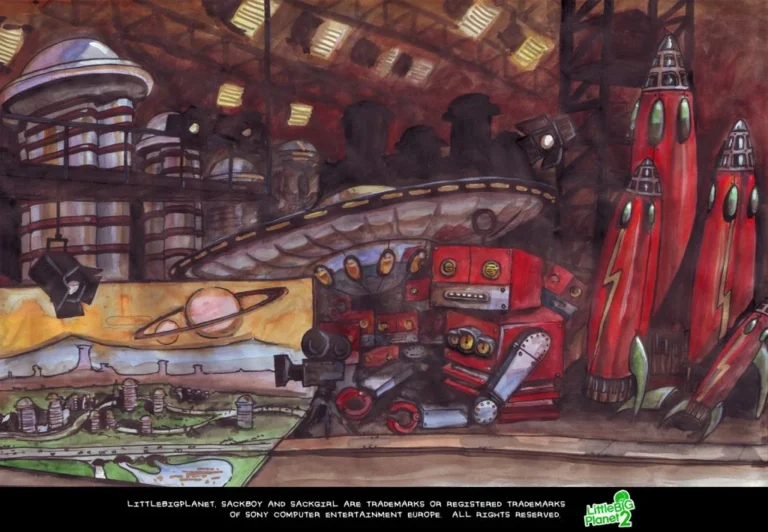
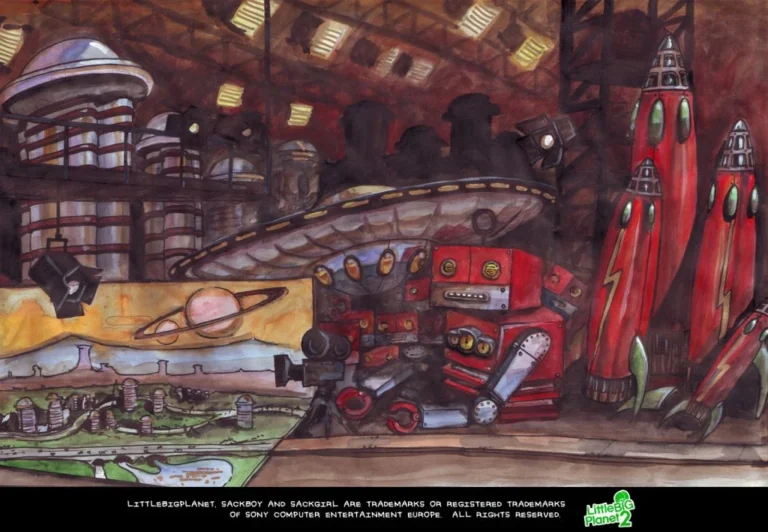
The development of LittleBigPlanet 2‘s soundtrack was a dynamic process, commencing long before the game’s official announcement. In May 2009, during a pre-production phase, a crucial music montage video was assembled. This early-stage project aimed to synchronize concept art for each game area with work-in-progress licensed music ideas. While rudimentary, this video served as a vital tool for kickstarting the creative process, offering a tangible representation of the game’s burgeoning aesthetic and sonic identity.

The initial high-level direction for each area, heavily influenced by the art direction, laid the groundwork for subsequent musical selections. For instance, early considerations for specific zones included genres and moods that would later be refined. Tracks by artists like Ladytron, Squarepusher, and Röyksopp were in contention during this formative period, showcasing the diverse sonic palette being explored. Although only Ladytron’s "Ghosts" ultimately made it into the final game from this initial selection, the inclusion of artists like Squarepusher and Röyksopp signaled a commitment to a broad and experimental approach.
The challenge of translating linear music concepts into an interactive game environment was a recurring theme. A music concept video, while effective for conveying mood and inspiration, differs significantly from the dynamic pacing and player agency inherent in gameplay. However, the value of such early conceptualization lies in its ability to establish a foundational mood board, fostering discussion and providing a shared reference point for the development team. This collaborative aspect was paramount, allowing for the early alignment of visual and aural ideas, marking a significant milestone in the project’s journey.
By December 2009, approximately a year before the game’s release, these initial concepts had evolved into a more refined vision, reflecting a clearer picture of the finished game. This refinement process involved a reduction in the number of distinct themes, merging overlapping ideas and adapting to the realities of full production. The music direction similarly adapted, with an increased focus on identifying music that not only suited the game’s aesthetic but also effectively supported gameplay mechanics.
Areas such as Clive’s Factory, with its intended Soviet/Hollywood mashup, Eve’s Asylum, and the intricate sound design for the music sequencer gadget in The Cosmos, presented unique challenges that required continued exploration and refinement. At this stage, approximately ten of the twenty-one licensed tracks that would eventually be included in the game were in consideration, though their final inclusion was not yet guaranteed. The licensing process itself, which involves securing permission from rights holders, was yet to commence, necessitating an "overprovision" of suitable music to ensure a robust "Plan B" portfolio.
Collaboration and Licensing: Building the Sonic Foundation
The process of sourcing and licensing music for LittleBigPlanet 2 was a collaborative effort involving internal team members and external partners. Initially, music suggestions primarily came from within the Media Molecule team, a trend that was more pronounced than in the development of the first game. This heightened involvement can be attributed to the success of the original LittleBigPlanet and its significant contribution to the project’s identity, inspiring team members to actively participate in shaping the audio experience.

As development progressed, a more formal collaboration with Sony Music Licensing began, significantly broadening the scope of music review and consideration. This partnership proved timely, as the game’s musical direction had matured to a point where Sony’s expertise and resources could be effectively channeled. This phase saw a wealth of suggestions and discoveries, with tracks and artists being identified by a diverse group, including key members of the Media Molecule team such as Dan, John, and Rex, as well as Martin Hewett from Sony.
Beyond these core contributors, numerous other individuals provided valuable input. Suggestions from team members like Alex, Costa, Jim, Jonatan, Mark, Martin, and Tom, alongside external contributions from Sony associates like Jo, highlight the extensive collaborative spirit that underpinned the soundtrack’s creation. This inclusive approach ensured a wide range of musical perspectives were considered, ultimately enriching the final selection. The sheer volume of contributions underscores that the soundtrack was not the product of a single vision but a testament to a collective endeavor, a true team effort that aimed to imbue LittleBigPlanet 2 with its unique sonic character.
The Announcement Trailer’s Sonic Signature
A particularly noteworthy instance of collaborative success involved the selection of Passion Pit’s "Sleepyhead" for the announcement trailer. This track, championed by Rex, was instrumental in capturing the trailer’s intended tone, which aimed to convey a sense of community, achievement, and forward momentum for the new project, while also acknowledging the game’s evolving digital aesthetic. The track’s dynamic ebb and flow, its ability to build and recede, perfectly matched the trailer’s pacing, allowing for shifts in messaging and sustained audience engagement. The distinctive pitched-up vocals, particularly the Irish Gaelic snippets, also contributed to the trailer’s whimsical charm and its successful synergy with the Sackfolk characters.
While "Sleepyhead" proved an inspired choice for marketing, its direct applicability to LittleBigPlanet 2‘s core gameplay presented a challenge. This led to initial attempts to license an alternative track that might better align with the gameplay’s energy. However, the strategic importance of securing a strong announcement trailer meant that "Sleepyhead" was prioritized. Ultimately, its unique sonic qualities found a fitting place within the game’s end credits, ensuring its memorable association with the project.
Navigating the Licensing Labyrinth
The licensing process itself was not without its complexities and temporal challenges. Towards the end of development, a strategic decision was made to delay the game’s release from the crucial Christmas 2010 market to January 2011. This schedule adjustment, driven by the need for further polish, proved beneficial for the soundtrack. It allowed critical licensing clearances, some of which took an astonishing six months to secure, to be finalized as late as October 2010. This extended timeline, while tight, provided the necessary breathing room to ensure all chosen tracks could be legally integrated into the final product. The protracted nature of some clearances, often attributed to bureaucratic processes rather than artistic objections, highlights the often-unseen hurdles in bringing a comprehensive licensed soundtrack to fruition.

The Enduring Legacy of LittleBigPlanet 2’s Sonic Identity
The decade that has passed since the release of LittleBigPlanet 2 has only amplified the significance of its carefully curated licensed soundtrack. Player feedback consistently highlights the game’s music as a cherished element of their childhood experiences, with many individuals continuing to actively listen to its diverse collection of tracks. This enduring appeal speaks to the power of music to transcend its original context, offering a potent means of evoking memories and preserving the emotional resonance of formative gaming experiences.
As gaming platforms age and become increasingly inaccessible, the ability of music to serve as a gateway to past experiences becomes even more critical. The soundtrack of LittleBigPlanet 2 has thus evolved into a powerful vehicle for invoking memories of the game and its vibrant community. The contribution of the featured artists has been instrumental in shaping the game’s distinct identity, ensuring that its legacy continues to resonate through the shared enjoyment of its remarkable sonic landscape. The tenth anniversary of LittleBigPlanet 2 is not merely a reflection on a game’s release date, but a celebration of the lasting impact of its creative vision, a vision that continues to inspire and delight players a decade later.
About the Author