The beloved PlayStation title, LittleBigPlanet 2, recently marked its tenth anniversary, a milestone that invites a comprehensive retrospective of its development, particularly focusing on its intricate and influential licensed soundtrack. This exploration delves into the creative process, the challenges faced, and the lasting impact of the music that defined Sackboy’s second major adventure. While the original score played a crucial role, this examination focuses exclusively on the curated selection of licensed tracks that imbued the game with its distinctive character and charm.
The Genesis of a Sonic Tapestry: From Concept to Completion
The journey to LittleBigPlanet 2‘s soundtrack began with a conceptual shift from its predecessor. Where LittleBigPlanet 1 was guided by the broad theme of "a journey around the world," LittleBigPlanet 2 embraced a more abstract and ambitious vision: "science through the ages" or "science fiction through the ages." This thematic evolution, while artistically rich for visual design, presented a unique challenge for the music department. The goal was not merely to provide background audio, but to translate the game’s evolving narrative and aesthetic into a cohesive auditory experience.
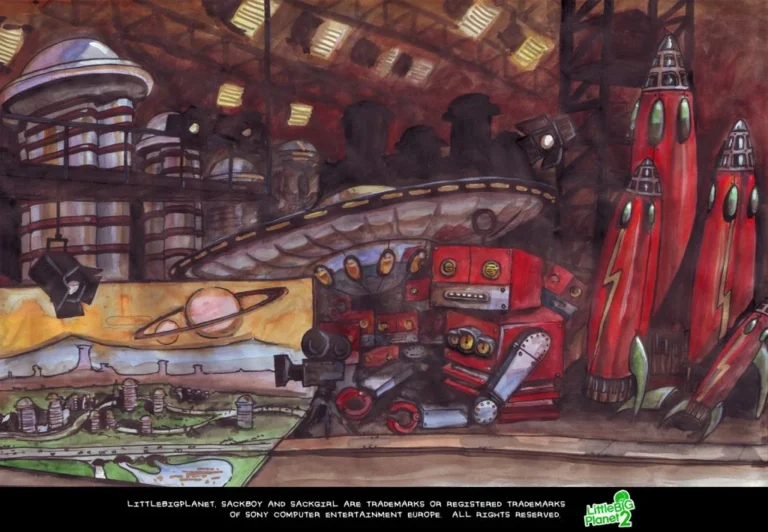
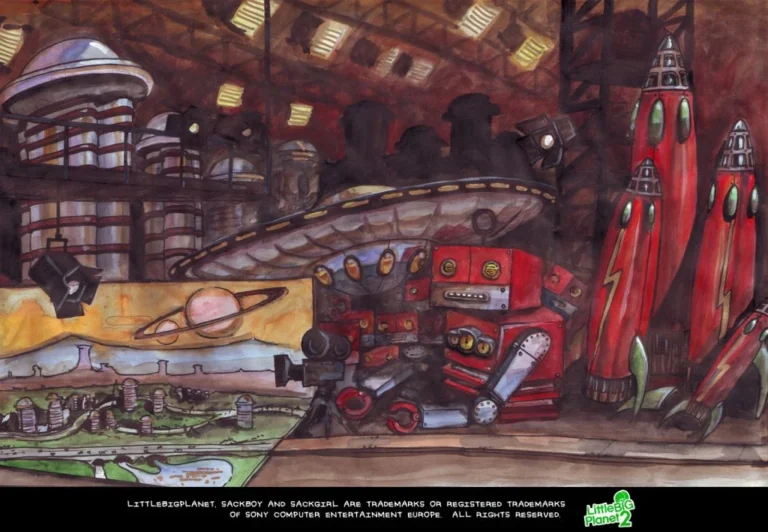
Early in the development cycle, around May 2009, a critical pre-production phase was underway. Even before the full development team was assembled, a music montage video was created. This innovative tool paired concept art for each in-game area with work-in-progress selections of licensed music. This "quick and dirty" method proved instrumental in kickstarting the creative process, serving as an early mood board and a catalyst for discussion. The initial direction for each area was heavily influenced by the high-level art direction, aiming to capture specific moods and evoke particular feelings through music.

This early experimentation highlighted the core challenge: balancing the thematic elements of science and science fiction with the need for a diverse musical palette. The development team aimed for a deliberate balance, setting a target of "no more than 50% of the soundtrack being electronic in nature." This decision was driven by the understanding that player-created levels would not be bound by the same aesthetic restrictions, necessitating a broader range of musical styles to accommodate the boundless creativity of the community. The overarching objective was to retain the "unexpected" edge that characterized the first game’s soundtrack while forging a new, distinct identity for LittleBigPlanet 2.
Navigating the Creative Currents: Playlists and Unforeseen Paths
To commemorate the game’s anniversary, an in-depth look at the licensed soundtrack has been curated, offering insights into the selection process and presenting playlists that showcase both the final choices and the music that narrowly missed the cut. This approach provides a unique window into the iterative nature of game audio development.
1. The Official LittleBigPlanet 2 Licensed Soundtrack: This playlist features the licensed tracks that players ultimately experienced within the game. It’s important to note that, due to the technical requirement for backwards compatibility with LittleBigPlanet 1 levels, the game’s licensed soundtrack technically encompassed all licensed music from the first installment. However, for clarity and focus, these tracks have been omitted from this specific retrospective playlist. A notable point of interest is the absence of eight tracks on the Spotify playlist. This discrepancy arises from the licensing of specific instrumental, remix, and edited versions of songs that were integral to the game’s experience but were not readily available on mainstream music platforms, often existing only on unofficial channels. This highlights the complexities of music licensing in game development, where bespoke versions are frequently required.
2. The LittleBigPlanet 2 Alternate Universe Soundtrack: This collection represents music that was considered for inclusion but ultimately did not make the final cut. The vast majority of these tracks were excluded due to creative decisions made during development. While the author recalls only one instance where a desired track could not be obtained due to licensing issues, the primary reason for exclusion was a misalignment with the game’s evolving creative direction. Both the YouTube and Spotify versions of this playlist may contain tracks not found on either service, underscoring the proprietary nature of some development assets.

3. The LittleBigPlanet 2 ‘Brief Says No’ Soundtrack: This playlist comprises tracks that, while possessing merit and potential relevance, did not ultimately align with the project’s specific brief or evolving direction. Many of these selections emerged from the early stages of music discovery, where tracks were evaluated for their suitability in linear video mock-ups. As the game’s creative vision became more refined, these pieces were either set aside or deemed to lack the necessary energy to support gameplay. Despite their exclusion from the final game, these tracks are acknowledged as valuable contributions that are well worth exploring.
A Chronology of Sonic Evolution
The development of LittleBigPlanet 2‘s soundtrack was a dynamic process, marked by distinct phases of ideation and refinement.
-
May 2009 (Pre-Production): The initial music montage video was created, pairing concept art with early musical ideas. This phase established a foundational understanding of the game’s auditory direction, with tracks from artists like Ladytron, Squarepusher, and Röyksopp being considered. Only Ladytron’s "Ghosts" would ultimately feature in the final game from this initial selection. This period underscored the importance of music concept videos as a tool for communicating a cohesive experience and fostering collective understanding among the development team.
-
December 2009 (Full Production Approach): As the game neared full production, the initial concepts were refined. The number of distinct thematic areas decreased from eight to six, a process of merging overlapping ideas rather than outright cancellation, driven by evolving content requirements and the full team’s engagement. The music direction also adapted, with a focus on identifying even more suitable tracks and ensuring better support for gameplay as it began to manifest. At this stage, approximately 10 out of the 21 licensed tracks that would eventually be included were under consideration, though not yet definitively secured. The licensing process itself had not yet begun, emphasizing the need for an "overprovision" of suitable music to serve as backups.

-
Throughout Development (Challenges and Adaptations): Key creative challenges emerged during this period. The "Soviet/Hollywood mashup" component of "Clive’s Factory" required further definition. The meaning of "organic" in the context of "Eve’s Asylum," particularly its high-intensity gameplay, presented a juxtaposition that needed musical interpretation. Furthermore, progress on the music sequencer gadget, intended to address the 8-bit aesthetic for "The Cosmos," was still in its nascent stages.
-
Lead-up to Announcement (Sony Music Licensing Engagement): Increased collaboration with Sony Music Licensing proved pivotal. This partnership expanded the scope of material being reviewed and facilitated more focused and productive searches, aligning with the now well-honed creative direction.
-
The Announcement Trailer Moment: A significant early win was the selection of Passion Pit’s "Sleepyhead" for the announcement trailer, a suggestion by Rex. The track’s ebb and flow, its ability to build and recede, made it ideal for conveying a sense of community, future progress, and the game’s digital aesthetic. While "Sleepyhead" was not a perfect fit for core gameplay due to its structure, its strong association with the project’s marketing led to its eventual placement in the game’s end credits, demonstrating a commitment to integrating marketing music into the final experience where feasible.
-
October 2010 (Final Licensing Approvals): The decision to delay the game’s release to January 2011, from its original Christmas 2010 target, proved beneficial. This schedule slip allowed for the clearance of several crucial tracks, with some taking as long as six months to secure. This final stretch highlighted the often unpredictable and lengthy nature of music licensing negotiations.

The Multifaceted Contributors to LittleBigPlanet 2‘s Sound
The selection of licensed music for LittleBigPlanet 2 was a collaborative endeavor, reflecting the collective passion and creative input of the development team and its partners. While the author played a central role in evaluating and curating the soundtrack, a significant number of individuals contributed to its richness.
Key internal contributors from Media Molecule (Mm) included Dan, John, and Rex, alongside Martin Hewett from the Sony side of the project. Beyond these core individuals, a broad spectrum of team members offered valuable suggestions. These included Alex, Costa, Jim, Jonatan, Mark, Martin, and Tom. Furthermore, external collaborators, such as Jo from Sony, also provided notable input. This widespread participation underscores the project’s status as a true team effort, with each suggestion contributing to the refinement of the overall musical brief. The author’s personal reflection emphasizes that "every track I evaluated helped improve the brief – testing or reaffirming is just as useful as refining or nailing it."
Broader Implications and Lasting Resonance
The impact of LittleBigPlanet 2‘s soundtrack extends beyond its immediate function within the game. The author’s observation that the same music that inspired the game’s creation continues to evoke strong emotional responses years later speaks to the power of carefully selected audio. This enduring connection is particularly relevant as gaming platforms age, making access to older titles increasingly challenging. The ability for music to transcend its original context and serve as a gateway to cherished memories of the game and its community is a testament to its profound and lasting influence.
The anniversary of LittleBigPlanet 2 serves as a poignant reminder of the intricate interplay between visual design, gameplay mechanics, and auditory experience. The curated licensed soundtrack, a result of meticulous selection, collaborative spirit, and a deep understanding of the game’s thematic aspirations, played an indispensable role in defining the unique identity of this beloved title. The music not only enhanced the player’s journey through Sackboy’s world but also created an enduring legacy that continues to resonate with fans a decade later. The author’s concluding sentiment, "Happy birthday, LBP 2! <3," encapsulates the affection and appreciation for a game that, through its innovative design and carefully crafted soundscape, became much more than the sum of its parts.
About the Author