Ten years ago, on January 18, 2011, Sony Computer Entertainment released LittleBigPlanet 2 for the PlayStation 3, a title that not only expanded upon the groundbreaking user-generated content of its predecessor but also showcased a meticulously curated licensed soundtrack that significantly contributed to its unique atmosphere and gameplay experience. This anniversary milestone offers a valuable opportunity to delve into the sonic landscape of the game, examining the strategic selection of licensed music and its profound impact on the player experience.
The Sonic Blueprint: Crafting the LittleBigPlanet 2 Soundscape
The development of LittleBigPlanet 2‘s licensed soundtrack was a complex undertaking, driven by a distinct creative vision that aimed to evoke themes of "science through the ages" or "science fiction through the ages." This thematic shift from the first game’s "journey around the world" presented both challenges and opportunities for the audio team. While the art department found rich inspiration, the music selection required a more abstract and nuanced approach.
The process began with an extensive evaluation of potential tracks, leading to the creation of several curated playlists. These playlists, categorized as "The LittleBigPlanet 2 Licensed Soundtrack," "The LittleBigPlanet 2 Alternate Universe Soundtrack," and "The LittleBigPlanet 2 ‘Brief Says No’ Soundtrack," offer a fascinating glimpse into the sonic journey of the game’s development.
The primary licensed soundtrack comprised familiar tracks that were integral to the game’s final presentation. It’s important to note that for backward compatibility with LittleBigPlanet 1 player-created levels, the licensed soundtrack technically included all licensed music from the first game. However, for clarity and focus on LittleBigPlanet 2‘s specific contributions, these were excluded from the anniversary playlists. The author of the original piece highlights that some tracks available on streaming platforms like Spotify might be missing due to variations in licensing, with the game often utilizing instrumental, remix, or edited versions not readily available through official channels.

The Alternate Universe: Unheard Melodies of LittleBigPlanet 2
Beyond the tracks that made the final cut, a significant portion of the creative process involved exploring music that, while considered, ultimately did not feature in the released game. The "Alternate Universe Soundtrack" represents these curated selections. The author notes that the majority of these tracks were omitted due to creative decisions rather than licensing hurdles, with only a single instance of a desired track being unobtainable due to licensing complexities, a decision that evidently caused disappointment during development. The availability of these tracks across platforms like YouTube and Spotify also varies, with some remaining exclusive to the archival nature of the original discussion.
The "Brief Says No" soundtrack serves as a repository for tracks that, despite their individual merit and thematic relevance, did not align with the evolving creative brief for LittleBigPlanet 2. These often emerged from early brainstorming sessions and proved effective in linear video mock-ups but lacked the necessary energy or thematic cohesion for the interactive gameplay. Nonetheless, these tracks are presented as valuable explorations of the game’s sonic potential, offering a rich listening experience in their own right.
A Decade of Influence: The Lasting Resonance of LittleBigPlanet 2’s Soundtrack
The impact of music on a game’s identity and player memory is undeniable. The author reflects on how, even over a decade later, certain tracks from the LittleBigPlanet 2 selection continue to evoke strong emotional responses, reminiscent of the intended player experience. This enduring connection underscores the power of music to transcend its original context and become a lasting part of a player’s personal history with a game.
Chronological Development: From Concept to Release
The genesis of LittleBigPlanet 2‘s sonic direction can be traced back to the game’s conceptualization. While LittleBigPlanet 1 was characterized by a global journey, LittleBigPlanet 2 embraced a more abstract and ambitious theme: "science through the ages" or "science fiction through the ages." This thematic pivot necessitated a departure from the straightforward, globally-inspired musical cues of the first game, demanding a more sophisticated approach to licensed music selection.
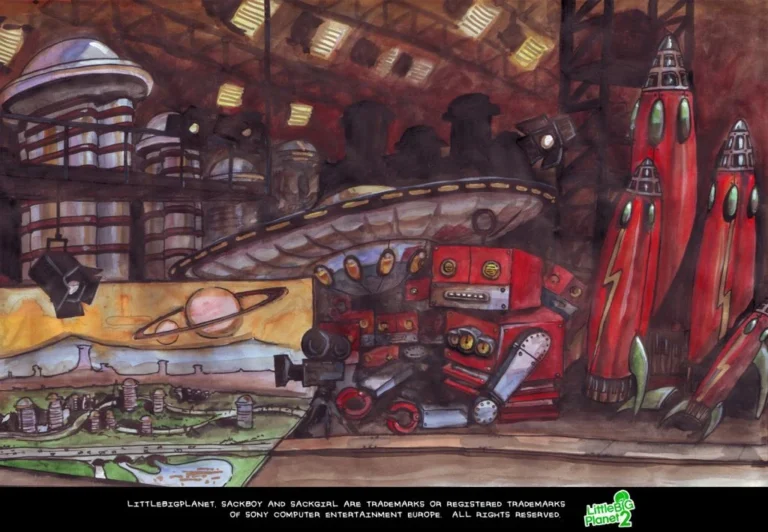
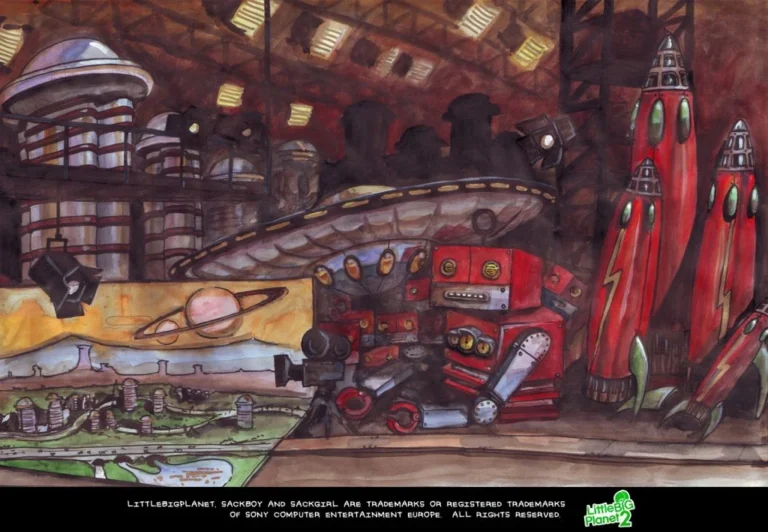
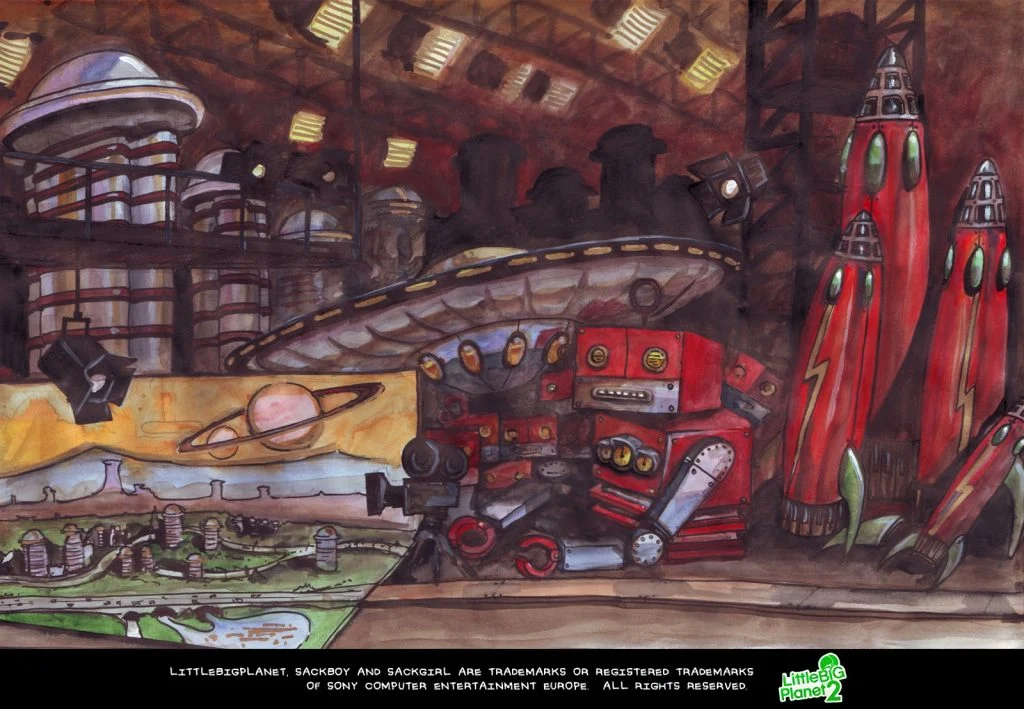
Early in the development cycle, around May 2009, a music montage video was created. This early production tool combined concept art for various in-game areas with work-in-progress licensed music selections. This "quick and dirty" method proved invaluable for initiating discussions and establishing a cohesive vision for the project. The initial high-level direction for each area, heavily influenced by the art direction, was as follows:

- Introduction: (Specific track not detailed in source)
- Eve’s Asylum: (Specific track not detailed in source)
- Victoria’s Laboratory: (Specific track not detailed in source)
- Clive’s Toy Factory: (Specific track not detailed in source)
- The Cosmos: (Specific track not detailed in source)
- The Factory of a Better Tomorrow: (Specific track not detailed in source)
- Manglewood: (Specific track not detailed in source)
- The Negativitron: (Specific track not detailed in source)
From this initial pool of ideas, only Ladytron’s "Ghosts" made it into the final game. However, artists like Squarepusher and Röyksopp were considered early on, albeit with different tracks than those eventually chosen.
The challenge of translating music intended for linear video to the interactive environment of a game was a recurring theme. Music that functions effectively in a cutscene or video may not possess the dynamic qualities required to support engaging gameplay. This distinction was a crucial consideration as the project progressed. The music concept video served as a vital milestone, bringing together visual and aural elements to create a tangible early experience for the development team.
By December 2009, approximately a year before the game’s release, these initial concepts had evolved, reflecting a more refined understanding of the game’s aesthetic. The number of distinct themes was reduced from eight to six, a process that involved merging overlapping ideas and adapting to the full team’s integration into full production. The music direction also underwent refinement, with a focus on identifying even more suitable tracks and ensuring better gameplay support as the interactive elements began to solidify.
Certain thematic elements remained in flux, including the specific blend of Soviet and Hollywood influences for Clive’s Factory, the precise definition of "organic" for Eve’s Asylum amidst high-intensity gameplay, and the development of the 8-bit music sequencer gadget for The Cosmos.
At this stage, ten of the twenty-one licensed tracks that would ultimately be included in the game were under consideration. The licensing process itself had not yet begun, meaning that securing the rights to use any of the music was far from guaranteed. This necessitated an "overprovision" of suitable music, creating a robust selection of "Plan B" options.

Collaborative Creation: A Multifaceted Approach to Music Selection
The initial music suggestions for LittleBigPlanet 2 primarily originated from within the development team. This collaborative spirit was more pronounced than in the development of the first game, a testament to the significant impact the original soundtrack had on LittleBigPlanet 1‘s identity and reception. Team members were reportedly more enthusiastic about contributing, less deterred by the perceived constraints of the audio selection process, and willing to invest the considerable effort required to meet the creative demands.
Every track evaluated, regardless of its ultimate inclusion, contributed to refining the overall brief. This iterative process of testing and reaffirming ideas proved as valuable as solidifying specific choices. The final soundtrack featured contributions from various team members at Media Molecule (Mm), including Dan, John, and Rex, as well as Martin Hewett from Sony’s side. Numerous other individuals, both within and outside the immediate development team, provided valuable suggestions that enriched the playlists, including Alex, Costa, Jim, Jonatan, Mark, Martin, Tom, and Jo from Sony. This widespread involvement highlights the project’s nature as a genuine team effort.
The Announcement and Licensing Journey
The collaboration with Sony Music Licensing intensified as the game’s announcement approached, significantly broadening the scope of music review and consideration. This timing proved opportune, as the creative direction had sufficiently coalesced to enable focused and productive searches and suggestions from Sony’s licensing department.
A standout suggestion, credited to Rex, was Passion Pit’s "Sleepyhead" for the announcement trailer. The selection process for this track was particularly challenging, requiring music that conveyed a sense of community, achievement, and forward momentum, while also acknowledging the sequel’s more digital aesthetic. Despite exploring other options and even attempting to license a different track as a primary choice, "Sleepyhead" ultimately proved to be the ideal fit for the trailer. Its dynamic ebb and flow perfectly complemented the trailer’s narrative, allowing for shifts in messaging and maintaining viewer engagement. The pitched-up vocals, particularly the Irish Gaelic ones, also resonated with the game’s distinctive Sackfolk characters.
While "Sleepyhead" was a perfect fit for the trailer, its suitability for core gameplay was less certain. This led to the initial pursuit of a more gameplay-aligned track. The desire to feature marketing music within the game itself is a common industry practice. Although this was recognized as unlikely for "Sleepyhead," the importance of a strong announcement trailer took precedence. Ultimately, the track found a meaningful placement in the game’s end credits.

Navigating Development Challenges and Release
Towards the latter stages of development, a significant decision was made to postpone the game’s release from the crucial Christmas market to January 2011. This delay was attributed to the game not being fully "baked," a decision made in the best interest of quality. This schedule adjustment provided a critical buffer for the soundtrack, as some track clearances were not finalized until as late as October 2010, a tight timeframe even with the extended schedule. One particular track required six months for clearance, a process that, while protracted, is not uncommon in music licensing negotiations.
The author reflects on the touching sentiments expressed by players celebrating the game’s tenth anniversary, many of whom recall LittleBigPlanet 2 as a significant part of their childhoods and continue to listen to its soundtrack. Music’s ability to evoke memories and emotions, especially as gaming platforms age and become less accessible, remains a powerful force. The enduring legacy of LittleBigPlanet 2, its community, and its unique identity are inextricably linked to the contribution of its carefully selected artists and their music. The anniversary serves as a reminder of the profound impact that a well-crafted soundtrack can have on a game’s enduring appeal.
About the Author