Ten years ago, on January 18, 2011, LittleBigPlanet 2 launched, marking a significant milestone not only for the beloved PlayStation franchise but also for the intricate world of video game audio design. The game, a successor to the groundbreaking LittleBigPlanet, expanded upon its predecessor’s creative potential, offering players an even more robust toolkit for building and sharing their own worlds and games. This anniversary prompts a deeper examination of the game’s celebrated licensed soundtrack and the meticulous, often challenging, process behind its curation.
The Sonic Tapestry of LittleBigPlanet 2: A Decade of Reflection
The tenth anniversary of LittleBigPlanet 2 has sparked a retrospective look at the game’s audio landscape, particularly its licensed music. This journey into the game’s sonic identity reveals a carefully crafted selection of tracks that aimed to complement its ambitious themes of science, invention, and imaginative exploration. The process, as detailed by those involved, was a testament to creative vision, technical hurdles, and the collaborative spirit that defines game development.
From "Around the World" to "Science Through the Ages": Evolving Thematic Directions
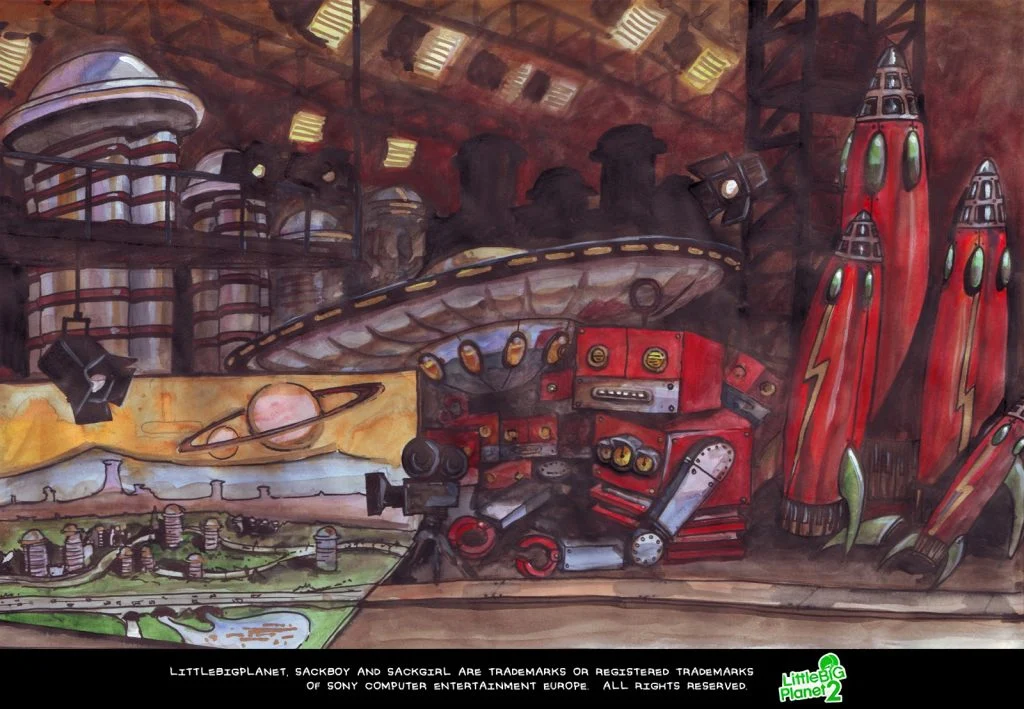
While the original LittleBigPlanet was guided by the high-level concept of "a journey around the world," LittleBigPlanet 2 embraced a more abstract and expansive theme: "science through the ages," or perhaps more accurately, "science fiction through the ages." This thematic shift presented a unique challenge and opportunity for the music department. The art direction for LittleBigPlanet 2 delved into a rich visual tapestry of scientific concepts, historical periods, and futuristic imaginings. This provided fertile ground for sonic exploration, requiring a musical approach that could translate these broad concepts into tangible auditory experiences.

The game’s art direction played a pivotal role in shaping the music selection. The goal was to find musical analogies that resonated with the feelings and ideas evoked by the visual designs. Unlike the original score, which focused on characterization, drama, and exposition, the licensed soundtrack for LittleBigPlanet 2 was tasked with complementing the game’s core mechanics and thematic elements without duplicating the original score’s narrative functions. This allowed for a more focused approach to the licensed music, simplifying the decision-making process.
Navigating the Sci-Fi Soundscape: Balancing Tropes and Originality
A key concern during the early stages of development was to acknowledge the established musical tropes of the science fiction genre without succumbing to pastiche. A strategic decision was made to ensure that no more than 50% of the soundtrack would be electronic in nature. This was a conscious effort to provide a diverse musical palette, recognizing that player-created levels would not be bound by the game’s overarching aesthetic restrictions. The aim was to retain the successful elements of the first game’s soundtrack while infusing it with a fresh flavor and a distinct identity. Subverting or playing against genre conventions was also a deliberate strategy to preserve the element of surprise that characterized the first game’s audio experience.
The Genesis of a Soundtrack: Early Concepts and Music Montages
As early as May 2009, during the game’s pre-production phase, a crucial step was taken to visualize the soundtrack’s direction. A music montage video was created, pairing concept art for each game area with works-in-progress for the licensed music. This "quick and dirty" approach proved highly effective in initiating the creative process. The initial high-level direction for each area, heavily influenced by the art direction, laid the groundwork for subsequent musical selections.
From this initial selection, only Ladytron’s "Ghosts" ultimately made it into the final game. However, artists like Squarepusher and Röyksopp were considered at this stage, albeit with different tracks than those eventually chosen. This early visualization exercise was instrumental in establishing a cohesive experience that integrated visual and aural ideas, marking a significant milestone for the project.

The Evolution of Game Worlds and Musical Themes: From Eight to Six
By December 2009, approximately a year before the game’s release, the concepts had evolved considerably, mirroring the visual development of the game. The initial eight distinct themes had been refined and consolidated into six. This streamlining was a result of merging overlapping ideas rather than simply cutting content, though reduced content requirements also played a role as the full development team became involved and the project entered its production phase.
The musical direction also adapted, with refinements identifying even more suitable music and better supporting gameplay as it began to manifest. Certain areas, like Clive’s Factory with its Soviet/Hollywood mashup, Eve’s Asylum with its "organic" theme clashing with high-intensity gameplay, and The Cosmos’s planned 8-bit music sequencer gadget, still presented challenges.
At this point, 10 out of the 21 licensed tracks destined for the final game were under consideration, though not yet definitively chosen. This early stage was crucial for establishing direction and identifying potential candidates. The licensing process itself had not yet begun, meaning there were no guarantees that any of the selected music would be usable. This necessitated an "overprovision" of suitable music to ensure backup options, a standard practice in licensed soundtracks.
A Collaborative Sound: The Power of Team Input
Up until this point, music suggestions largely originated from within the development team. Compared to the first game, there was a notable increase in team members contributing ideas. This increased engagement was likely fueled by the success of the original LittleBigPlanet’s soundtrack, which had significantly contributed to the project’s identity and reception. Team members were more willing to engage with the process and the perceived restrictions of the curated approach.

Every track evaluated served to refine the overall brief, whether by confirming suitability or highlighting areas for improvement. The final soundtrack featured contributions from various team members, including Dan, John, and Rex from Media Molecule, and Martin Hewett from Sony. Numerous other individuals, both within and outside the development team, provided valuable suggestions that found their way into the game’s playlists. This collaborative effort underscores the sense of shared ownership and creative investment in the project.
Sony Music Licensing’s Crucial Role and the "Sleepyhead" Moment
The collaboration with Sony Music Licensing intensified as the game’s announcement approached, significantly broadening the scope of music being reviewed. This timely involvement proved highly productive, as the game’s direction was sufficiently refined for Sony’s expertise to be effectively applied.
A standout moment during this period was Rex’s suggestion of Passion Pit’s "Sleepyhead" for the announcement trailer. The challenge was to find a track that conveyed a sense of community, achievement, and forward momentum, while also acknowledging the sequel’s more digital aesthetic. After exploring several options, including an initial plan A to license a different track, "Sleepyhead" emerged as the perfect fit for the trailer. Its dynamic ebb and flow, its ability to build and recede, and its unique pitched-up vocals harmonized brilliantly with the game’s visual style.
While "Sleepyhead" ultimately proved to be a difficult fit for the game’s core gameplay, its strong association with the project through marketing made its inclusion desirable. It was eventually placed in the game’s end credits, providing a meaningful conclusion that honored its role in the announcement.

Navigating Development Delays and Licensing Hurdles
Towards the latter stages of development, a difficult decision was made to delay the game’s release from its original Christmas 2010 target to January 2011. This was a strategic move to ensure the game was fully realized and polished. The schedule slip proved beneficial for the soundtrack, as several tracks were not cleared until as late as October 2010, cutting it very fine even with the extended timeframe. One particular track took six months to clear, highlighting the often lengthy and unpredictable nature of music licensing.
The impact of such delays can be significant. Music licensing often involves complex negotiations with multiple rights holders, including publishers, record labels, and sometimes even individual artists. The clearance process can be subject to the availability and responsiveness of these parties, as well as legal reviews and contractual agreements. In the fast-paced world of game development, such extended clearance periods can create significant pressure on the audio team and the overall production schedule.
The Enduring Legacy of LittleBigPlanet 2’s Soundtrack
The enduring appeal of LittleBigPlanet 2‘s soundtrack is evident in the heartfelt comments from players who recall the game as a significant part of their childhoods. Many continue to listen to the soundtrack regularly, demonstrating music’s powerful ability to transcend its original context and evoke lasting memories. As gaming platforms age and become less accessible, the ability of music to preserve the essence of a game and its community becomes increasingly relevant.
The contribution of the licensed artists was instrumental in shaping LittleBigPlanet 2‘s unique identity. Their music not only enhanced the gameplay experience but also contributed to the game’s lasting impact, allowing players to connect with its vibrant community and imaginative worlds long after they’ve put down the controller. The anniversary serves as a reminder of the profound influence that carefully curated audio can have on a game’s success and its place in popular culture.
About the Author