Last week marked the tenth anniversary of the critically acclaimed video game LittleBigPlanet 2. This milestone offers a unique opportunity to delve into the intricate process of curating the game’s distinctive licensed soundtrack, a crucial element that contributed significantly to its immersive and creative identity. Beyond the familiar melodies that accompanied players on their Sackboy adventures, the development journey involved a deep exploration of countless musical possibilities, with many tracks considered but ultimately not making the final cut. This retrospective examines the multifaceted approach to the game’s sonic landscape, highlighting the strategic decisions, creative challenges, and collaborative efforts that shaped its audio identity, while focusing exclusively on the licensed music and its selection process.
The Genesis of a Sonic Vision: From "Journey Around the World" to "Science Through the Ages"
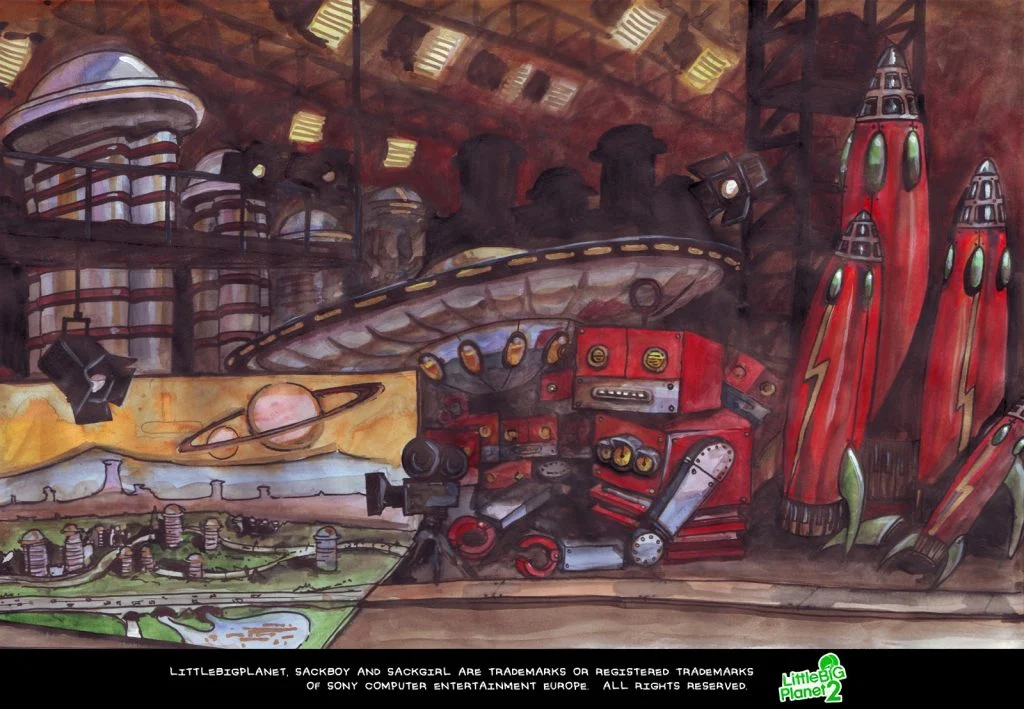
The audio direction for LittleBigPlanet 2 was fundamentally shaped by its overarching thematic premise. While the original LittleBigPlanet was conceptualized as "a journey around the world," its sequel embraced a more abstract and ambitious theme: "science through the ages" or, more specifically, "science fiction through the ages." This conceptual shift presented both exciting opportunities and significant challenges for the music department. The art department found fertile ground in these themes, translating them into visually rich environments. However, for the music selection, it required a more nuanced approach to capture the essence of scientific advancement, futuristic visions, and temporal exploration without succumbing to generic or overly literal interpretations.
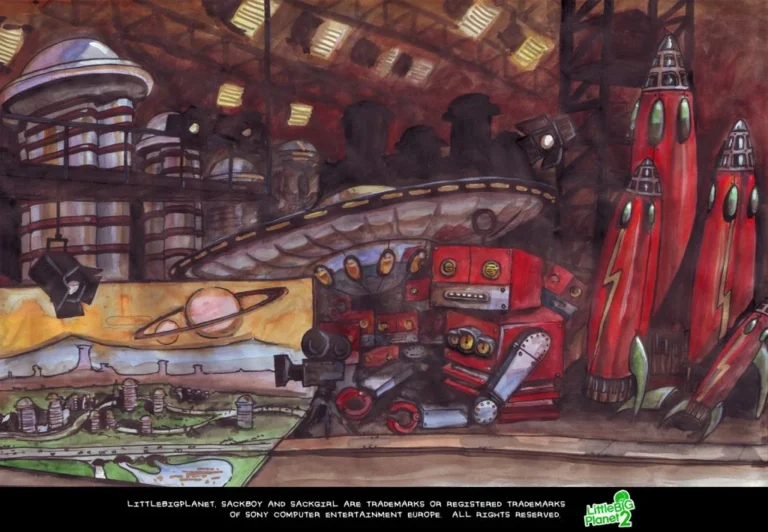
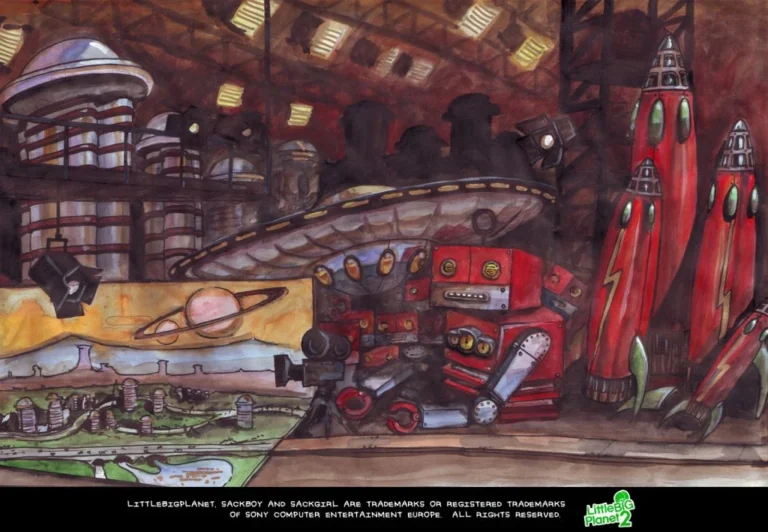
The initial phase of development, particularly the pre-production period around May 2009, was marked by the creation of music montage videos. These early compilations served as a crucial tool for visualizing the game’s potential sonic identity. Concept art for each game area was paired with work-in-progress licensed music ideas. This "quick and dirty" but highly effective method allowed the team to rapidly iterate on concepts, test musical analogies against visual designs, and establish a foundational mood board. The objective was to create a tangible and inspiring starting point, fostering collective understanding and alignment among the development team. This process was instrumental in communicating the evolving vision of the game, bridging the gap between abstract ideas and concrete sonic expressions.

Navigating the Sci-Fi Soundscape: Balancing Tropes and Innovation
A key concern during the early stages of development was to acknowledge and incorporate the established musical tropes of the science fiction genre without allowing the entire soundtrack to devolve into pastiche. To achieve this balance, a strategic target was set: "no more than 50% of the soundtrack being electronic in nature." This decision was driven by the understanding that player-created levels, a core component of the LittleBigPlanet experience, would have no such aesthetic restrictions. Therefore, the official soundtrack needed to offer a more diverse palette of music to inspire and accommodate a wider range of user-generated content. The overarching goal was to retain the successful elements of the first game’s soundtrack while forging a new, distinct flavor and identity for LittleBigPlanet 2. Subverting or playing against genre conventions was also a deliberate strategy, aimed at preserving the element of surprise and unexpectedness that had characterized the original game’s audio experience.
The Three Pillars of the LittleBigPlanet 2 Soundtrack
The curated music for LittleBigPlanet 2 can be broadly categorized into three distinct playlists, each representing a different stage or criterion in the selection process:
1. The LittleBigPlanet 2 Licensed Soundtrack: The Familiar Echoes
This playlist comprises the licensed tracks that players directly experienced within the final game. It’s important to note that, due to the requirement for backward compatibility with LittleBigPlanet 1 player-created levels, the licensed soundtrack technically encompassed all the music from the first game. However, for clarity and focus in this retrospective, those tracks have been excluded from this specific playlist. A significant challenge in compiling these playlists, particularly for platforms like Spotify, was the availability of specific versions of tracks. The development team often licensed instrumental versions, remixes, or edits that were not readily available through official music distribution channels. These unique arrangements, often sourced from unofficial platforms, were crucial for perfectly aligning with the game’s specific moments and moods, though their unofficial nature sometimes led to their omission from mainstream streaming services.
2. The LittleBigPlanet 2 Alternate Universe Soundtrack: The Road Not Taken
This collection represents a fascinating glimpse into the music that was considered for LittleBigPlanet 2 but ultimately did not make the final cut. The vast majority of these tracks were omitted due to creative decisions made during development. While only one track, by the author’s recollection, was attempted but could not be licensed, the primary reason for exclusion was a misalignment with the game’s evolving creative direction. These tracks, while strong in their own right, may have been too similar to existing music, too divergent from the established aesthetic, or simply superseded by better fits as the game’s identity solidified. Both YouTube and Spotify playlists for this category may include tracks unavailable on either service, underscoring the unique and often proprietary nature of music licensing in game development.

3. The LittleBigPlanet 2 "Brief Says No" Soundtrack: The Creative Departures
This playlist features tracks that, while possessing merit and potentially fitting certain criteria, ultimately did not align closely enough with the project’s evolving "brief" or creative direction. Many of these suggestions emerged early in the music search process. They might have worked effectively in linear video mock-ups, demonstrating potential for specific moods or moments. However, as the project’s brief became more refined and its aesthetic solidified, these tracks were either set aside or deemed to lack the necessary energy or thematic resonance to support gameplay. Despite their exclusion from the final game, these songs represent valuable explorations and are well worth listening to for their inherent quality and insight into the iterative nature of game audio development.
Evolution of Themes and Sonic Palettes: A Chronological Perspective
The development timeline for LittleBigPlanet 2‘s soundtrack was a dynamic process, marked by iterative refinement and adaptation. By December 2009, approximately one year before the game’s release, the musical ideas had evolved significantly, beginning to resemble the sonic identity of the finished product. Initially, the project had identified eight distinct thematic areas, which were later streamlined to six. This reduction was not merely an act of cutting content but a process of merging overlapping concepts and focusing the creative vision as the full development team engaged with the project.
The music direction also underwent parallel adjustments. This involved both refining existing ideas to find even more suitable music and adapting the sonic approach to better support the emerging gameplay mechanics. Specific areas presented unique challenges. For instance, the "Clive’s Factory" level aimed for a Soviet/Hollywood mashup, requiring careful musical interpretation. "Eve’s Asylum" explored the juxtaposition of "organic" themes with high-intensity gameplay, demanding a delicate balance. Additionally, the "Cosmos" theme, intended to incorporate an 8-bit aesthetic via a music sequencer gadget, saw zero progress at this stage, highlighting the unpredictable nature of development.
At this juncture, approximately 10 out of the 21 tracks eventually licensed for the game were under consideration. However, their status as definitive selections remained uncertain, reflecting the early stage of the project. This period also coincided with the initial stages of music licensing. The team understood that securing the rights to use any particular track was not guaranteed, necessitating an "overprovision" of suitable music to ensure adequate "Plan B" options. This proactive approach to music sourcing was critical for mitigating potential roadblocks in the licensing process.

Collaborative Synergy: A Chorus of Contributors
The selection of music for LittleBigPlanet 2 was a testament to a deeply collaborative effort. Initially, music suggestions were primarily generated from within the development team at Media Molecule (Mm). Compared to the first game, a significantly larger number of individuals contributed ideas, a trend attributed to the success of LittleBigPlanet 1‘s soundtrack in defining the project’s identity and reception. This shared enthusiasm fostered a willingness to engage with the rigorous selection process and the creative constraints involved.
Every track evaluated played a role in refining the overall music brief, whether by testing initial assumptions, reaffirming existing ideas, or leading to new discoveries. The final licensed soundtrack featured contributions from key members of the Mm team, including Dan, John, and Rex, as well as Martin Hewett from the Sony side of the project. Beyond these core contributors, a broad spectrum of individuals offered valuable suggestions. These included Alex, Costa, Jim, Jonatan, Mark, Martin, and Tom from within Mm, and even external contacts such as Jo from Sony. This extensive network of input underscored the project’s commitment to a holistic and inclusive approach to music curation. The collective effort ensured a rich and diverse sonic tapestry, contributing immeasurably to the game’s unique character.
The Announcement Trailer’s Sonic Signature: "Sleepyhead"
The collaboration with Sony Music Licensing intensified in the lead-up to the game’s announcement, significantly broadening the scope of music under review. This timing proved opportune, as the game’s sonic direction had matured enough for Sony’s searches and suggestions to become highly focused and productive. A standout suggestion, originating from Rex, was Passion Pit’s "Sleepyhead" for the announcement trailer. The selection process for this track was particularly challenging, aiming to capture the right emotional tone that would convey a sense of community, future progression, and the sequel’s more digital aesthetic.
While the team explored other options and even had a "Plan A" track in mind, "Sleepyhead" ultimately proved to be the perfect fit for the trailer. Its dynamic ebb and flow, with smooth build-ups and sharp returns, allowed the trailer to effectively shift gears, expand its message, and maintain viewer engagement. The distinctive pitched-up vocals, notably Irish Gaelic ones, harmonized brilliantly with the game’s Sackfolk characters. Although "Sleepyhead" was not an ideal fit for direct gameplay integration due to its unique energy, its powerful association with the project’s marketing made its inclusion desirable. The team recognized this potential disconnect early on but prioritized the impact of the announcement trailer. Ultimately, "Sleepyhead" found a meaningful place within the game’s end credits, serving as a resonant echo of the game’s public unveiling.

Navigating the Final Stretch: Licensing Hurdles and Release Shifts
As LittleBigPlanet 2 approached its release, the development schedule underwent a significant adjustment. The decision was made to delay the game’s launch from the crucial Christmas market to January 2011, as the game required further refinement. This schedule slip, while a difficult choice, proved beneficial for the soundtrack’s completion. Several tracks did not clear licensing until as late as October 2010, a timeframe that was still tight even with the extended development period. One particular track, for instance, took a protracted six months to clear, a delay attributed to the often lengthy and unpredictable nature of music licensing negotiations. The phrase "sometimes, that’s just how long it can take for someone to say ‘Oh, go on then’" aptly captures the often bureaucratic and patient process involved.
The game’s departure from its original office on Mary Road in May 2010, shortly after the announcement of LittleBigPlanet 2, marked the end of an era. This location, where the first LittleBigPlanet had been brought to life, held a special significance. Its subsequent demolition and replacement with modern office complexes underscore the transient nature of physical spaces in creative endeavors, yet the memories and impact of the work produced there remain indelible.
A Lasting Legacy: Music’s Enduring Connection to Gaming Memories
The tenth anniversary of LittleBigPlanet 2 has been met with touching reflections from players who recall the game as a significant part of their childhoods. Many continue to listen to its soundtrack regularly, highlighting the enduring power of music to transcend the gaming experience. As gaming platforms age and become more challenging to access, the ability of music to evoke memories and emotions associated with a game becomes increasingly valuable. The soundtrack of LittleBigPlanet 2, through the contributions of its diverse artists, continues to serve as a powerful conduit for invoking memories of the game and its vibrant community. This enduring connection is a testament to the profound impact that carefully curated music can have on a game’s identity and its lasting resonance with players worldwide. The music, in essence, helped to make LittleBigPlanet 2 truly "itself," leaving an indelible mark on the landscape of interactive entertainment.
About the Author