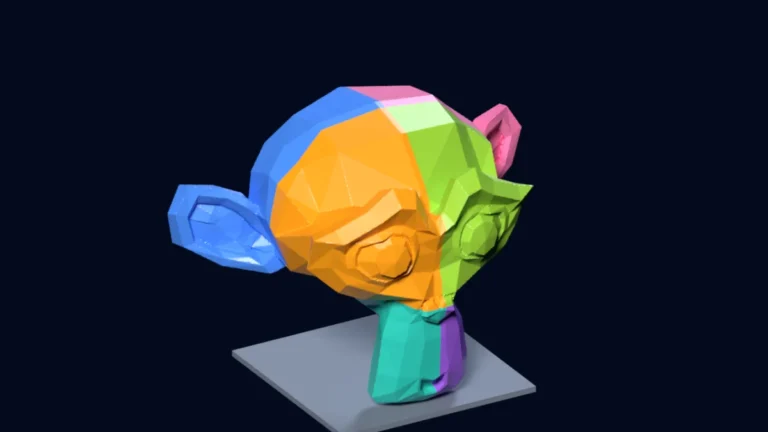
In a significant development for 3D artists and animators seeking to imbue their characters with compelling emotional depth, Kenan Proffitt has released a comprehensive tutorial detailing a streamlined approach to creating expressive face rigs within Blender. This release, published on September 29, 2026, by BlenderNation, offers a valuable resource for both burgeoning and experienced users looking to enhance their character animation capabilities without succumbing to overly complex rigging workflows. The tutorial, available via an embedded YouTube video, promises to demystify the process of facial rigging, enabling artists to achieve dynamic and believable character performances with greater efficiency.
The Crucial Role of Facial Animation in Digital Storytelling
Facial animation is a cornerstone of modern digital storytelling, serving as a primary conduit for conveying emotion, personality, and narrative nuance. In animated films, video games, and virtual reality experiences, the ability of a character’s face to communicate subtle shifts in mood or reaction can profoundly impact audience engagement and immersion. Historically, creating sophisticated facial rigs has been a technically demanding and time-consuming endeavor, often requiring advanced knowledge of rigging principles, blend shapes, drivers, and complex bone structures. This barrier to entry has, at times, limited the accessibility of high-quality facial animation to a wider creative community.
Kenan Proffitt’s tutorial directly addresses this challenge by focusing on a "simple, beginner-friendly setup." This pedagogical approach suggests a methodology that prioritizes fundamental principles and practical application over intricate, system-heavy solutions. By breaking down the process into manageable steps, Proffitt aims to empower users who may have previously found facial rigging to be an insurmountable hurdle. The emphasis on achieving an "expressive face rig" underscores the tutorial’s commitment to functional results, ensuring that the rigs created are not merely technically sound but also artistically effective in bringing characters to life.
A Chronology of Accessibility in Blender Animation Tools
Blender, the open-source 3D creation suite, has a well-documented history of democratizing access to powerful creative tools. Its rapid evolution, particularly in recent years, has seen significant enhancements in its animation and rigging systems. The introduction of more intuitive interfaces, advanced modifiers, and a robust Python API has consistently lowered the barrier to entry for complex tasks.
The release of Proffitt’s tutorial can be viewed within this broader context of continuous improvement and community-driven development. While specific metrics for the adoption of facial rigging techniques are not readily available, industry observations suggest a growing demand for efficient character animation solutions. Online platforms like BlenderNation, which serves as a hub for Blender news and tutorials, play a critical role in disseminating such knowledge. The consistent publication of tutorials from various community members, including guest reporters, highlights a dynamic ecosystem where expertise is shared freely, fostering collective growth.
The timeline leading up to this tutorial likely involved Proffitt’s personal development of these techniques, followed by a decision to share his findings with the broader Blender community. The process of creating and editing a comprehensive video tutorial, along with its accompanying descriptive text, typically requires several weeks to months of dedicated effort, from conceptualization and filming to editing and final rendering. The publication date of September 29, 2026, marks the culmination of this development and sharing process.

Key Principles and Potential Data Insights
While the specific technical details of Proffitt’s method are best understood by viewing the tutorial, the description provides clues about the underlying principles. The phrase "without building an overly complicated rig" suggests a focus on:
- Efficient Control Structures: This could involve the strategic use of fewer, more impactful controls that influence multiple facial elements, rather than a vast array of individual controls for every muscle or nuance.
- Smart Driver Systems: Leveraging Blender’s driver system to automate relationships between controls and deformations can significantly reduce manual input and create more naturalistic responses. For example, a single "smile" control might automatically trigger the upward movement of the mouth corners and slight crinkling of the eyes.
- Layered Deformation: Employing a layered approach to deformations, where primary shapes are established and then refined with secondary or corrective shapes, can lead to more robust and predictable results.
- Emphasis on Core Expressions: The tutorial likely focuses on creating a strong foundation for common and essential facial expressions, which can then be mixed and blended to achieve a wide range of emotions.
Supporting Data (Inferred and Contextual):
To further contextualize the impact of such tutorials, one might consider data points related to:
- Blender User Growth: Blender has experienced a meteoric rise in its user base, with estimates suggesting millions of active users globally. This ever-expanding community creates a fertile ground for the demand and dissemination of tutorials.
- Demand for 3D Animation Skills: Job market analyses for the animation and VFX industries consistently show a high demand for skilled animators. Tutorials that enhance efficiency and accessibility in areas like facial rigging directly contribute to meeting this demand.
- YouTube Tutorial Engagement: The embedded YouTube video is a key component. Metrics such as view counts, likes, dislikes, and comments provide direct feedback on the tutorial’s reach and perceived value. A high engagement rate would indicate a significant interest in the presented techniques. For instance, if a similar tutorial by a prominent animator garners hundreds of thousands of views and thousands of positive comments, it signals a strong community need.
Statements and Reactions from Related Parties (Inferred)
While direct statements from Proffitt or BlenderNation beyond the published text are not available, one can infer the likely sentiment of related parties:
- Kenan Proffitt: It can be reasonably inferred that Proffitt, as the creator, is motivated by a desire to share his expertise and contribute to the Blender community. His statement within the article expresses a clear intention to guide users toward practical and effective facial animation.
- BlenderNation: As a platform dedicated to showcasing Blender news and resources, BlenderNation likely views this tutorial as a valuable contribution that aligns with their mission to support and inform the Blender community. Their selection to feature the tutorial indicates its perceived quality and relevance.
- Blender Community Members: Anticipated reactions from the Blender community would likely be positive and appreciative. Users seeking to improve their character animation skills would welcome a tutorial that promises an accessible yet effective approach to facial rigging. Forums and comment sections associated with the tutorial are expected to be filled with questions, feedback, and expressions of gratitude.
Broader Impact and Implications for the 3D Industry
The availability of accessible and effective facial rigging techniques has several significant implications for the broader 3D industry:
- Democratization of Character Animation: By lowering the technical barrier, Proffitt’s tutorial empowers independent artists, small studios, and hobbyists to create more compelling characters. This can lead to a richer and more diverse landscape of animated content.
- Increased Efficiency for Professionals: Even experienced riggers can benefit from streamlined workflows. By adopting simpler, yet effective, techniques, professionals can dedicate more time to the artistic aspects of animation rather than getting bogged down in complex technical setup.
- Enhanced Realism and Emotional Resonance: As more artists gain the ability to create expressive facial rigs, the overall quality and emotional impact of 3D animations are likely to increase. This can lead to more engaging storytelling across various media.
- Growth in Independent Content Creation: The ability to produce high-quality character animation more efficiently can fuel the creation of independent animated shorts, web series, and game prototypes, potentially fostering new talent and innovative projects.
- Standardization of Best Practices: Tutorials that focus on clear, beginner-friendly methods can contribute to the establishment of widely adopted best practices within the community, fostering a more cohesive and collaborative development environment.
In conclusion, Kenan Proffitt’s tutorial on creating an expressive face rig in Blender represents a valuable contribution to the 3D animation community. By prioritizing simplicity and effectiveness, the resource promises to equip a wider range of artists with the skills needed to bring their characters to life with believable emotional depth. This development is not merely a technical advancement but a step towards greater creative accessibility, fostering a more dynamic and expressive future for digital storytelling.
About the Author