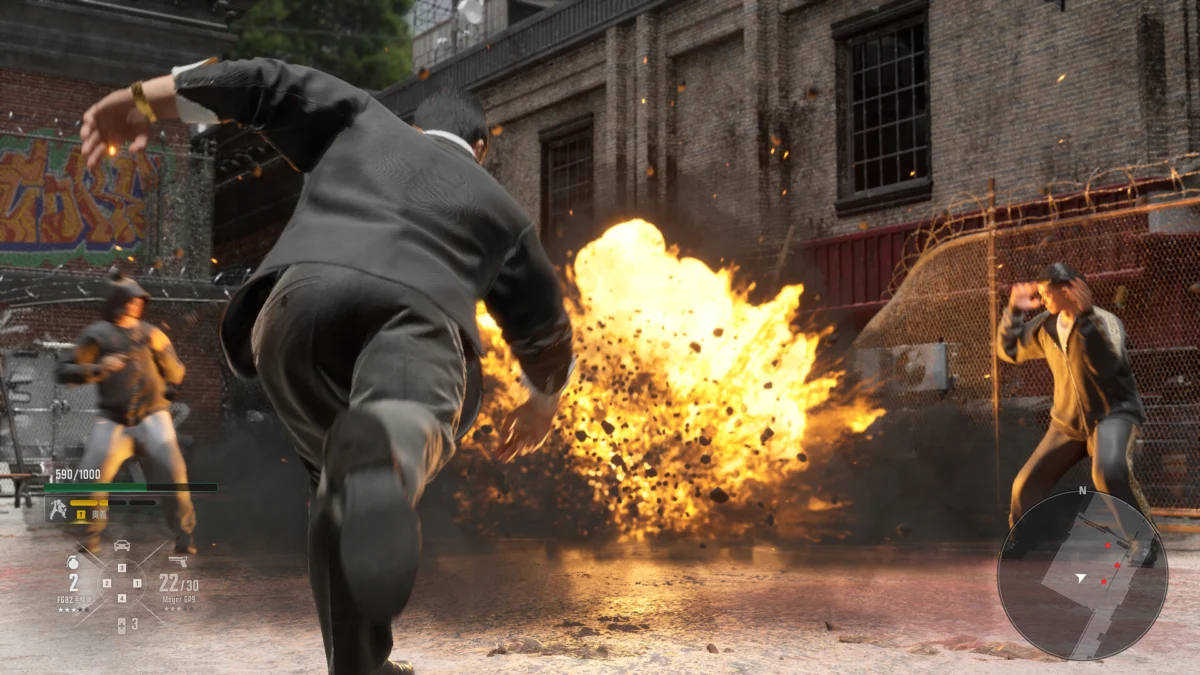
Nagoshi Studio, the Japanese development house founded by legendary game creator Toshihiro Nagoshi under the auspices of Chinese tech giant NetEase, has reportedly been dissolved, casting a dark cloud over the recently announced title, Gang of Dragon. This development follows earlier reports of NetEase withdrawing funding for the ambitious project, a spiritual successor to Nagoshi’s acclaimed Like a Dragon/Yakuza series. The news, first indicated by an official report of company dissolutions published by Kanpo, the official government gazette of Japan, signifies a significant setback for both Nagoshi’s post-Sega career and NetEase’s broader strategy of international game development.
The Unraveling of a Promising Venture
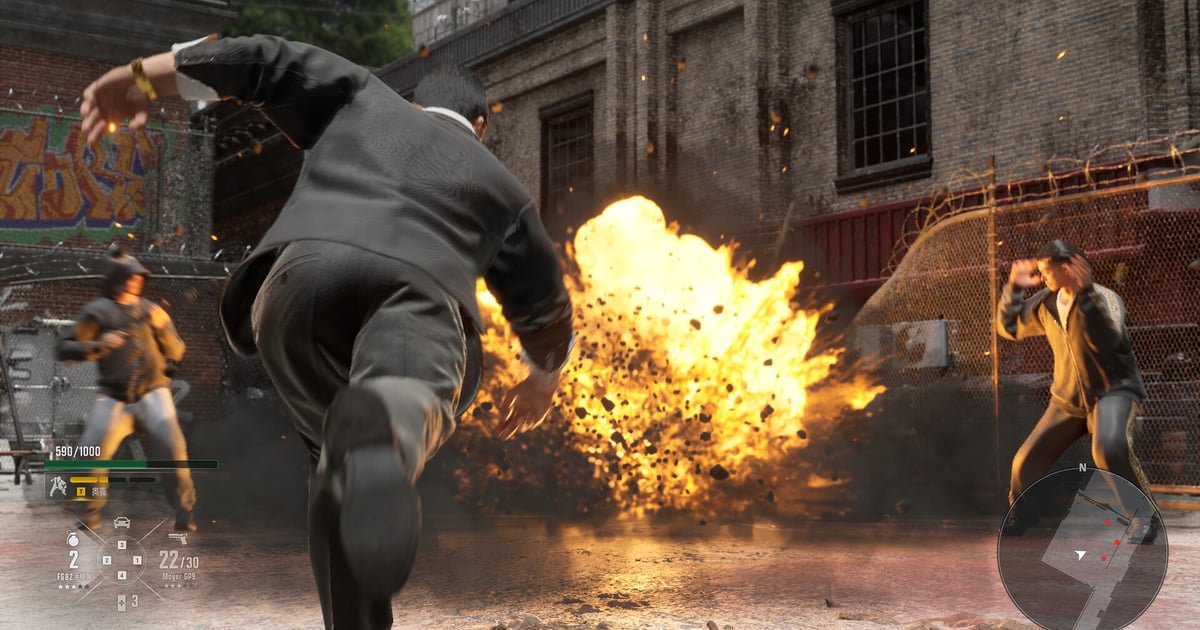
The official dissolution of Nagoshi Studio marks a swift and unexpected end for a venture that began with considerable fanfare. Just last December (December 2024), Toshihiro Nagoshi himself took to the stage at The Game Awards in Los Angeles to unveil Gang of Dragon, a title immediately recognized for its thematic and stylistic echoes of the beloved Yakuza franchise he spearheaded for decades at Sega. The reveal trailer, showcasing a gritty, character-driven action game, ignited excitement among fans eager to see Nagoshi’s creative vision unfettered by his previous corporate constraints.
However, behind the scenes, the studio’s financial footing was reportedly faltering. In March of this year (March 2025), Bloomberg reported a critical turning point: NetEase had significantly curtailed, if not entirely ceased, funding for Gang of Dragon. The report cited that Nagoshi Studio had requested an additional ¥7 billion (approximately $44.5 million USD) to complete the game’s development, a substantial sum that NetEase was seemingly unwilling to provide. This decision aligned with a broader, strategic re-evaluation by NetEase regarding its investments in the global gaming market, particularly its external studio partnerships and high-budget projects. The subsequent report from Kanpo in November 2025, detailing company dissolutions, appears to confirm the ultimate fate of Nagoshi Studio, leaving the future of Gang of Dragon in serious doubt.
Toshihiro Nagoshi’s Departure and New Beginning
To fully appreciate the significance of Nagoshi Studio’s dissolution, one must understand the esteemed career of its founder, Toshihiro Nagoshi. For over three decades, Nagoshi was a pivotal figure at Sega, rising through the ranks to become its chief creative officer and the head of Ryu Ga Gotoku Studio (RGG Studio), the internal team responsible for the Like a Dragon/Yakuza series. His tenure saw the creation of iconic franchises beyond Yakuza, including Super Monkey Ball and F-Zero GX, establishing him as a creative force with a distinct vision for engaging, often idiosyncratic, gaming experiences.
His departure from Sega in October 2021 was a monumental event in the Japanese gaming industry. Nagoshi, along with several key members of RGG Studio, including Daisuke Sato, left to pursue new opportunities. This move was widely interpreted as a desire for greater creative freedom and the chance to build something entirely new outside the established structures of Sega. Shortly after, it was announced that Nagoshi had founded Nagoshi Studio, backed by NetEase, one of China’s largest technology and gaming companies. This partnership was heralded as a major coup for NetEase, signaling its ambition to attract top-tier Japanese talent and expand its global game development footprint, leveraging Nagoshi’s renowned creative prowess and track record of success.
The establishment of Nagoshi Studio under NetEase was not merely a financial arrangement; it represented a strategic alignment. NetEase sought to diversify its portfolio, gain a stronger foothold in the console market, and tap into the Japanese creative sensibility. For Nagoshi, NetEase offered the resources and independence that might have been increasingly difficult to find within a more established publisher like Sega. The unveiling of Gang of Dragon nearly three years after the studio’s founding was the culmination of this new chapter, promising a fresh take on the crime-drama genre he had mastered.
NetEase’s Shifting Strategic Landscape
The reported withdrawal of funding for Gang of Dragon and the subsequent dissolution of Nagoshi Studio are not isolated incidents but rather symptomatic of a broader strategic realignment within NetEase. Over the past year, the Chinese tech giant has visibly scaled back its international gaming investments and operations. This shift comes amidst a challenging global economic climate, increased scrutiny from regulatory bodies, and a general cooling in the exuberance that characterized the gaming industry’s growth during the pandemic years.
NetEase had previously embarked on an aggressive expansion strategy, establishing or acquiring numerous studios across the globe, including in Japan, North America, and Europe. This period saw the company recruit high-profile talent and invest heavily in new IPs. However, recent trends indicate a pivot towards consolidation and a more cautious approach to large-scale, externally developed projects.
Several other studios have experienced similar fates or undergone significant changes in their relationship with NetEase. Goichi Suda’s Grasshopper Manufacture, known for titles like No More Heroes, recently announced its split from NetEase, regaining its independence. Similarly, Anchor Point Studios, another NetEase-backed developer, has also moved towards independence. Beyond these separations, a larger number of NetEase-affiliated studios have faced severe operational cutbacks, including significant layoffs or outright closures. Examples include reports of job cuts at NetEase Games in Montreal and the shutdown of Bad Brain Game Studios, another subsidiary. This pattern suggests a deliberate, company-wide effort to streamline operations, reduce overheads, and potentially re-focus resources on core internal projects or more immediate revenue-generating ventures. The end of the long-standing publishing agreement between NetEase and Blizzard Entertainment in China also highlighted the company’s evolving business priorities and willingness to disengage from previously significant partnerships.
The ¥7 billion funding request for Gang of Dragon, while substantial, is not unprecedented for a modern AAA-caliber title, especially one aiming for the production values associated with a spiritual successor to a major franchise. However, NetEase’s reported decision to decline this additional investment underscores a revised internal calculus concerning return on investment and risk tolerance, particularly for new, unproven intellectual properties in a competitive market.
The Broader Industry Context and Implications
The unfortunate fate of Nagoshi Studio and Gang of Dragon reflects a volatile period in the global video game industry. While investment soared during the pandemic, the post-pandemic landscape has seen a significant contraction. High-profile layoffs, studio closures, and project cancellations have become increasingly common across the industry, affecting developers of all sizes and publishers from independent outfits to multinational conglomerates. Factors contributing to this instability include rising development costs, increased competition, market saturation, and evolving consumer preferences.
For externally funded studios, particularly those tasked with creating new IPs, the pressure to demonstrate progress and secure continued investment is immense. The initial excitement surrounding a creative vision, even from a legendary figure like Nagoshi, must eventually translate into tangible, commercially viable results. When a project reaches a critical juncture requiring substantial additional capital, the financial backer’s strategic priorities become paramount.
The practical implications for Gang of Dragon are dire. While NetEase has not issued an official statement explicitly canceling the game, the dissolution of the development studio effectively halts its production. Without a dedicated team and continued funding, the project cannot progress. It is exceedingly rare for a major publisher to take over a dormant, externally developed project mid-stream, especially one that has already been deemed too costly to complete by its original backer. The likelihood of NetEase finding another internal team willing or able to shepherd Gang of Dragon to completion, or securing a new external partner for the project, appears slim. The significant investment already made, coupled with the projected additional costs, makes it a commercially risky proposition for any potential suitor.
Nagoshi’s Silence and the Echoes of an Unfinished Symphony
Since the reveal of Gang of Dragon last December, Toshihiro Nagoshi has maintained a notable public silence regarding the game’s development or the studio’s status. This reticence, while understandable given the sensitive nature of the situation, has fueled speculation and concern among fans. Further compounding these anxieties, the official Nagoshi Studio YouTube channel, which hosted the Gang of Dragon reveal trailer, underwent peculiar activity this past summer (Summer 2025). Initially, the channel was deleted entirely, then later restored, but with all its content, including the anticipated reveal trailer, set to private. This digital erasure serves as a poignant, albeit unofficial, confirmation of the project’s troubled state and the studio’s precarious position long before the Kanpo report.
For fans of Nagoshi’s distinctive style, the news is particularly disheartening. Gang of Dragon represented not just another game, but a continuation of a creative legacy, a spiritual successor to a series that has garnered a fervent global following for its unique blend of gritty storytelling, over-the-top action, and quirky humor. The prospect of a new Nagoshi-helmed IP, unconstrained by previous ties, was a beacon of hope for many. Its potential demise leaves a void and raises questions about the future creative endeavors of Toshihiro Nagoshi himself.
Looking Ahead: Lessons from a Short-Lived Dream
The dissolution of Nagoshi Studio and the probable cancellation of Gang of Dragon serve as a stark reminder of the inherent risks in game development, especially when high-profile talent is paired with ambitious new IPs and external funding. It underscores the challenges faced by even seasoned creators when navigating the complex financial and strategic landscapes of large multinational publishers.
For NetEase, this marks a clear inflection point in its international expansion strategy, signaling a more conservative and inwardly focused approach. For the wider gaming industry, it highlights the ongoing volatility and the need for careful consideration of project scope, funding requirements, and market realities. While the dream of Gang of Dragon may fade, the story of Nagoshi Studio’s brief existence offers valuable lessons about ambition, investment, and the unpredictable currents of the digital entertainment world. The gaming community will undoubtedly watch closely to see what path Toshihiro Nagoshi, a creator known for his resilience and distinctive vision, will choose to take next.
About the Author