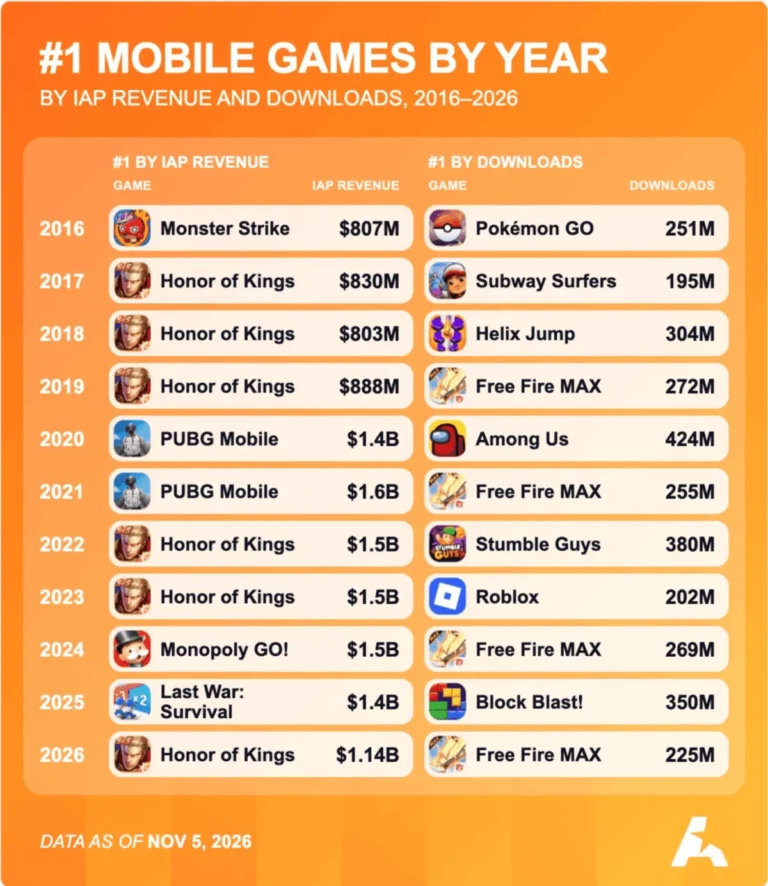
Apple Inc. has reported its financial results for the fourth fiscal quarter ending September 2026, revealing a complex landscape for its Services division. While the company achieved record-breaking overall revenue, executives highlighted significant "headwinds in mobile gaming" that have dampened the growth trajectory of the App Store. During the quarterly earnings call, Apple Chief Financial Officer Kevan Parekh informed investors that the App Store’s performance remained largely stagnant compared to the previous year, signaling a departure from the double-digit growth historically associated with the platform’s digital marketplace.
The slowdown in gaming revenue, which represents the largest single category of consumer spending on the App Store, is expected to persist through the upcoming holiday quarter. This cooling of the mobile gaming market, combined with intensifying regulatory scrutiny and court-mandated changes to Apple’s business model, suggests a period of transition for the tech giant’s most lucrative software ecosystem. Despite these challenges, Apple’s broader Services segment reached a record $31.6 billion in revenue for the quarter, though the growth rate has slowed to 10%, down from 15% in the same period last year.
The Mobile Gaming Slowdown and Market Normalization
The "headwinds" cited by Parekh are reflective of a broader cooling in the global mobile gaming sector. Following a period of unprecedented growth during the 2020-2022 era, the industry has struggled to maintain its momentum. Several factors contribute to this deceleration, including market saturation in developed regions, increased competition for user attention from short-form video platforms, and a shift in consumer spending habits amid global inflationary pressures.
Mobile gaming has traditionally been the primary engine for App Store monetization, driven largely by in-app purchases (IAPs) in "free-to-play" titles. However, third-party data confirms the trend Apple executives highlighted. According to figures from Sensor Tower, US App Store spending experienced a 6% year-on-year decline in the second quarter of 2026, marking the first such contraction in over a decade. This downturn is particularly significant given that the US remains one of Apple’s highest-ARPU (average revenue per user) markets.
Industry analysts suggest that the cost of user acquisition has also risen sharply. Changes to privacy policies, such as Apple’s own App Tracking Transparency (ATT) framework introduced in previous years, have made it more difficult for game developers to target "whales"—high-spending players who provide the bulk of gaming revenue. This has led to a leaner pipeline of new blockbuster titles and a reliance on aging franchises that are seeing natural declines in engagement.
Regulatory Shocks and Business Model Adjustments
Beyond market trends, Apple is navigating a minefield of legal and regulatory challenges that are fundamentally altering how the App Store generates revenue. Parekh specifically referenced "changes to the App Store business model in certain countries" as a factor in the current performance metrics.
In the United States, Apple is currently operating under the shadow of a significant court ruling stemming from its long-standing legal battle with Epic Games. The ruling necessitates that Apple allow developers to include "link-outs" within their apps. These links direct users to external websites where they can complete transactions for digital goods and services, effectively bypassing Apple’s proprietary in-app purchase system. While Apple still attempts to collect a commission on these external sales, the process is more fragmented and less seamless than the integrated "one-tap" Apple Pay experience, leading to potential revenue leakage.
The regulatory environment is even more stringent in the European Union. Under the Digital Markets Act (DMA), Apple has been forced to allow alternative app stores and third-party payment processors on the iOS platform. These structural changes have introduced competition into an ecosystem that Apple has controlled exclusively since its inception in 2008. While the immediate financial impact of the DMA was initially debated, the Q4 2026 results suggest that the cumulative effect of these global regulatory shifts is beginning to weigh on the company’s bottom line.
Financial Performance and the Services Pivot
Apple’s Services division remains a powerhouse, but its growth profile is evolving. The $31.6 billion reported for the September quarter represents a 10% increase from the $28.75 billion recorded a year earlier. While 10% growth would be celebrated by most Fortune 500 companies, it represents a notable deceleration for Apple.
Looking ahead to the December quarter—traditionally Apple’s strongest due to holiday gift-giving and new device activations—the company has issued a cautious forecast. Services growth is expected to slow further to between 8% and 9%. Management attributed this projected slowdown primarily to two factors:
- Third-Party Licensing: Apple receives significant payments from partners like Google to be the default search engine on Safari. Fluctuations in these licensing agreements or regulatory challenges to such deals can create volatility in Services revenue.
- Foreign Exchange: A strong US dollar continues to act as a headwind for international sales, as digital goods become more expensive for consumers in Europe, Asia, and emerging markets.
To offset the stagnation in gaming, Apple is leaning heavily into its subscription economy. The company reported that paid subscriptions to third-party apps grew by double digits, reaching a new all-time high. Furthermore, the App Store continues to draw massive traffic, with an average of nearly one billion weekly visitors.
Chronology of App Store Evolution and Legal Disputes
The current state of the App Store is the result of a multi-year timeline of events that have shifted the power dynamic between Apple, developers, and regulators:
- August 2020: Epic Games introduces a direct payment system in Fortnite, violating App Store policies. Apple removes Fortnite, sparking a global legal battle.
- September 2021: A US judge rules that Apple can no longer prohibit developers from directing users to payment options outside the App Store, though the court stops short of calling Apple a monopolist.
- 2022-2023: Regulatory bodies in Japan, South Korea, and the Netherlands mandate changes to payment systems for specific app categories (e.g., dating apps and reader apps).
- March 2024: The European Union’s Digital Markets Act (DMA) goes into full effect, forcing Apple to allow "sideloading" and third-party app marketplaces in the EU.
- July 2026: Apple confirms that US developers are increasingly utilizing link-out transactions, coinciding with the first reported decline in US App Store spending in a decade.
- November 2026: Apple officially cites "gaming headwinds" as a primary factor for decelerating Services growth in its Q4 earnings call.
The Role of Apple Arcade and Ecosystem Bundling
In response to the volatility of the "freemium" gaming market, Apple has doubled down on its subscription service, Apple Arcade. By removing ads and in-app purchases, Apple Arcade offers a more predictable revenue stream compared to the hit-driven nature of the standard App Store gaming charts.
In the latest quarter, Apple expanded the reach of Apple Arcade by further integrating it into iCloud+ plans across more than 100 countries and regions. This bundling strategy is designed to increase "stickiness" within the Apple ecosystem. By tying gaming, cloud storage, and security features together, Apple aims to reduce churn and ensure a steady flow of Services revenue even if individual game spending fluctuates.
However, Apple Arcade primarily serves a casual gaming demographic. It does not yet capture the high-velocity spending seen in competitive "gacha" games or massive multiplayer online titles, which remain the primary source of the "headwinds" mentioned by Parekh.
Analyst and Industry Reactions
The reaction from the broader tech community has been one of cautious observation. Tim Sweeney, CEO of Epic Games and a frequent critic of Apple’s "walled garden," has pointed to the recent spending declines as evidence that the mobile market is stifled by Apple’s fees. Developers across the industry have expressed a desire for more transparent pricing and lower commission rates to offset the rising costs of game production.
Market analysts at firms such as Goldman Sachs and Morgan Stanley have noted that while the App Store is facing pressure, Apple’s total revenue of $114.5 billion—a record for the September quarter—demonstrates the company’s overall resilience. The 12% increase in total revenue was driven largely by strong hardware sales, suggesting that while the software services are maturing, the hardware "install base" continues to grow, providing a larger foundation for future service monetization.
Future Implications: A New Era for the App Store
The admission of persistent gaming headwinds suggests that the "gold rush" era of mobile gaming growth may be reaching a plateau. For Apple, the challenge moving forward will be to find new avenues for growth within the Services sector to compensate for the maturing gaming market.
Possible areas for expansion include:
- Advertising: Apple has been steadily growing its own ad network within the App Store, allowing developers to pay for prominent placement.
- Fintech: Expanding Apple Pay and Apple Card services into new territories.
- Spatial Computing: As the Vision Pro ecosystem matures, Apple expects a new category of "spatial games" and apps to provide a fresh revenue stream, though this remains in its early stages.
As Apple enters the 2027 fiscal year, the company’s ability to navigate the December quarter’s projected 8-9% growth will be a key indicator of whether the App Store can reinvent itself in a post-regulation world. For now, the "headwinds" in gaming serve as a reminder that even the world’s most successful digital marketplace is not immune to the shifting tides of consumer behavior and global legal standards.
About the Author