
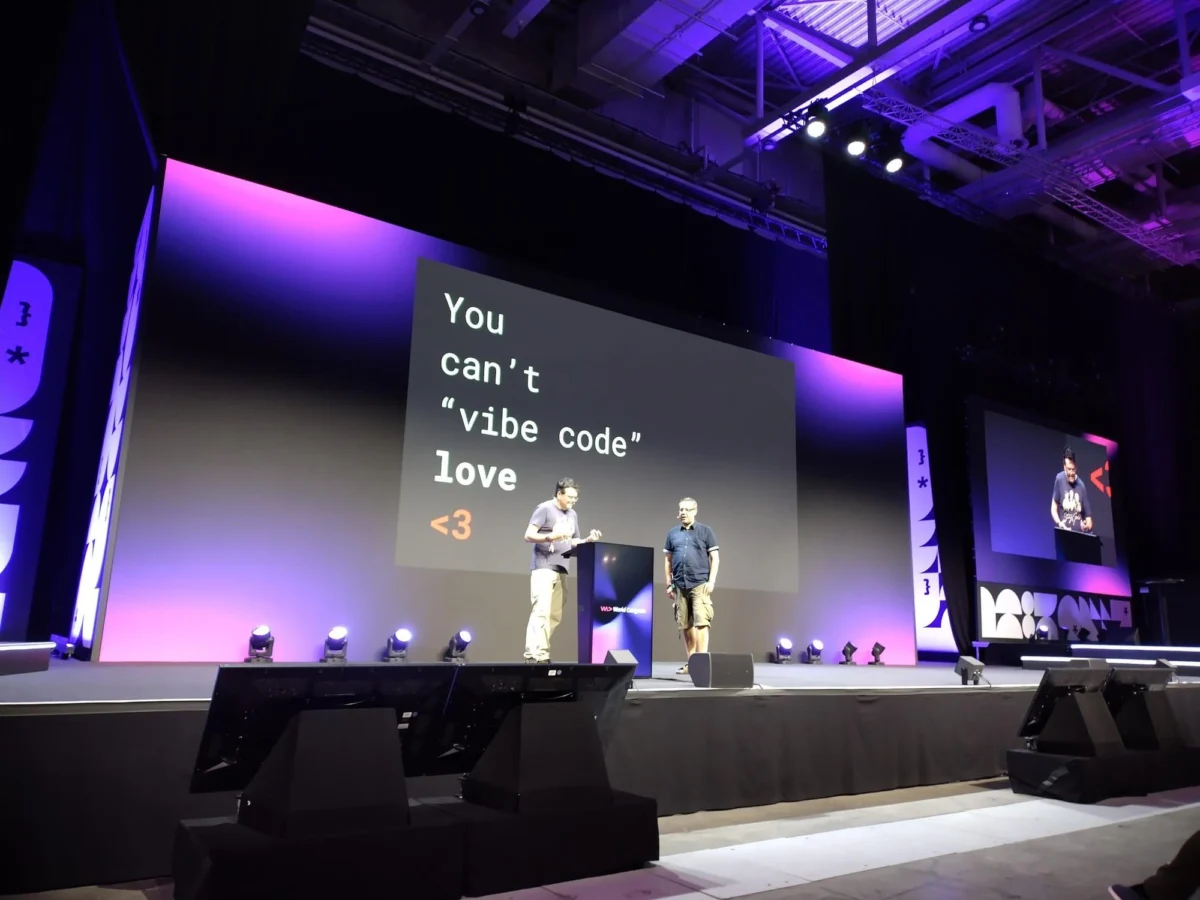
BERLIN – A pivotal discussion on the evolving landscape of collaborative knowledge and the profound impact of artificial intelligence on developer communities took center stage at the WeAreDevelopers World Congress in Berlin on Friday, July 10th, 2024. Jeff Atwood, co-founder of Stack Overflow and author of the influential Coding Horror blog, delivered a compelling presentation alongside Ben Dumke-von der Ehe, an early and celebrated community hire at Stack Overflow, titled "None of Us Is As Dumb As All of Us: Community And Knowledge Go Hand In Hand." The presentation, captured in a widely circulated video, explored the symbiotic relationship between human interaction, shared knowledge, and the digital commons, while grappling with the transformative, yet potentially disruptive, rise of Large Language Models (LLMs).
The Genesis of a Collaborative Vision
The journey to this joint presentation began approximately a year prior when Atwood received an invitation to speak at the prestigious WeAreDevelopers World Congress. Known for his selective approach to speaking engagements, particularly international ones, Atwood accepted under a crucial condition: that Ben Dumke-von der Ehe, a Berlin-based figure and one of Stack Overflow’s earliest community associates, would join him on stage. This condition underscored the deeply personal and collaborative nature of the insights they aimed to share. As Atwood explained, both speakers harbored significant perspectives on community and knowledge sharing, albeit with "slightly different opinions, different perspectives," promising a rich and nuanced dialogue.
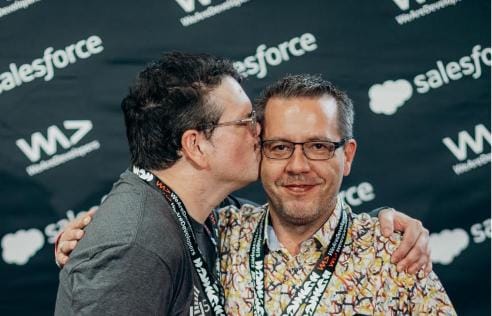
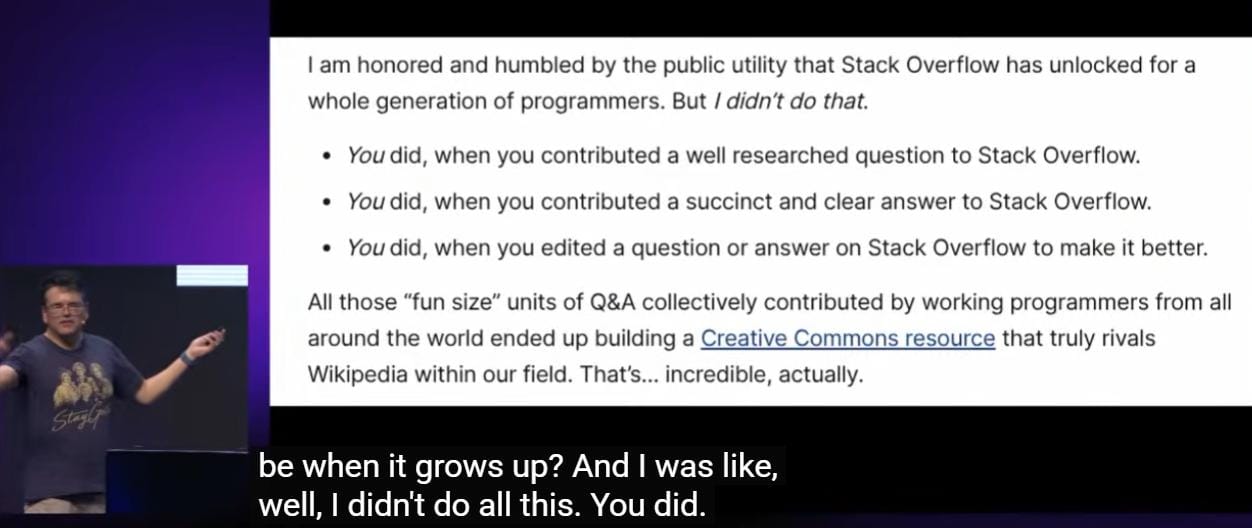
Dumke-von der Ehe’s story is intricately woven into the fabric of Stack Overflow’s early success. Hired as "Valued Associate #00006," he embodied the spirit of a community member transitioning into a professional role, a testament to the platform’s power in nurturing talent and passion. His unique trajectory, which included leaving Stack Overflow, returning, and then departing again, highlighted the complex relationship individuals can have with the platforms they help build. Atwood openly acknowledged his immense gratitude, stating on stage, "I’m mostly doing this presentation because I owe you so much," a sentiment extending not just to Ben but to every contributor who shaped Stack Overflow. This mutual respect and shared history formed the emotional bedrock of their presentation, encapsulating the idea that the platform’s success was a collective endeavor.
Celebrating the Collective Effort: Stack Overflow’s Enduring Legacy
At the heart of Atwood and Dumke-von der Ehe’s message was a profound appreciation for the collective intelligence that built Stack Overflow. They emphasized that the platform’s vast repository of programming knowledge was "done together, under a bedrock Creative Commons license." This licensing model was crucial, as it respected and protected the intellectual effort contributed by millions of developers worldwide, ensuring that their work formed a shared "commons"—a publicly accessible and reusable dataset that became an indispensable resource for the global tech community. Stack Overflow, launched in 2008, quickly grew into one of the internet’s most visited sites, boasting over 100 million unique visitors monthly and hosting millions of questions and answers. Its success demonstrated the immense power of crowdsourcing expert knowledge.
Atwood reiterated Stack Overflow’s foundational philosophy, articulated years ago: to efficiently provide answers to programming questions. The platform’s "higher level goals," as he described them, aimed for a scenario where "98% of programmers should get all the answers they need from reading search result pages and wouldn’t need to ask or answer a single question in their entire careers." This vision sought to optimize knowledge dissemination, making it a "good thing! Great, even!" for developers to find solutions quickly without needing to engage in the Q&A process directly. The platform’s design, which heavily favored canonical answers and discouraged duplicate questions, was geared towards building this highly efficient, searchable knowledge base.
The AI Revolution: Efficiency Versus Engagement
The presentation then pivoted to the contemporary challenge and opportunity presented by Large Language Models. Atwood acknowledged that LLMs are remarkably adept at intercepting and answering "most (if not all) of the common programming questions," a development that, in many ways, aligns with Stack Overflow’s original aim of rapid knowledge retrieval. He highlighted how LLMs offer a revolutionary solution to what he termed the "Gordian knot of constant duplicate questions," a problem he once considered "basically impossible" for human-moderated systems to fully resolve.

The sheer volume of questions on Stack Overflow—millions strong—made asking a truly unique question increasingly difficult over time. As Atwood elaborated, "Asking a single unique question goes from mildly difficult to mission almost impossible, because your question needs to thread a narrow path through this vast, enormous field of prior art questions without stepping on any of the vaguely similar looking landmines in the process." LLMs, with their advanced natural language processing capabilities, can effectively "map a duplicate question using entirely different words to an existing answer," thus significantly reducing redundancy. This capacity for intelligent de-duplication and instant answer generation represents a "hugely transformative" and "huge net positive" for developers seeking immediate solutions. The promise is clear: "Less duplication. More answers, faster. That’s the point."
The Unseen Cost: Erosion of the Commons
Despite the undeniable efficiencies brought by AI, Atwood and Dumke-von der Ehe raised a critical, existential question that resonated deeply with the audience: "But what happens to the commons when everyone is privately whispering to LLMs?" This query cut to the core of the presentation’s concern about the long-term health of collaborative communities. While LLMs excel at providing quick, aggregated answers, they fundamentally alter the dynamics of human interaction and learning.
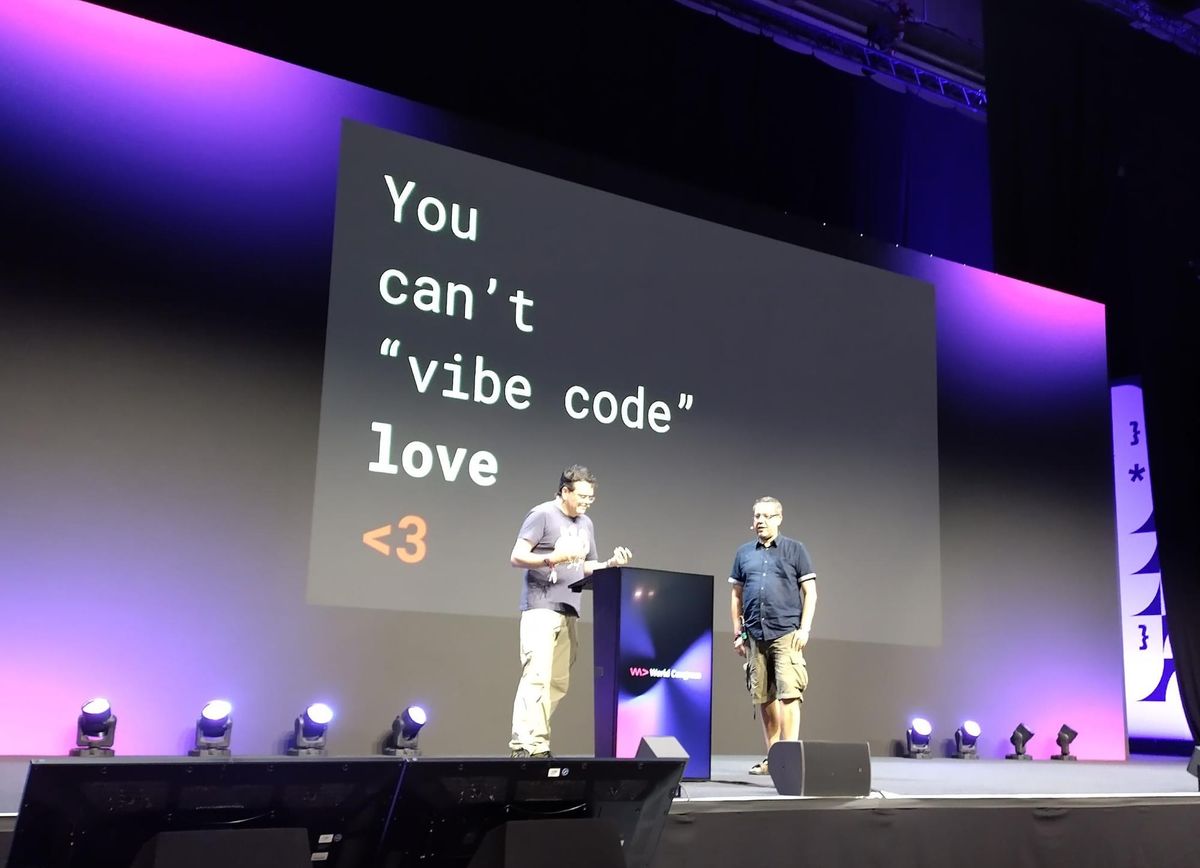
The speakers voiced apprehension about the future of the "communities where programmers learn from each other," the very environments like Stack Overflow where individuals like Ben Dumke-von der Ehe not only honed their skills but also "had so much fun becoming a programmer, and got hired for doing things he loved." The shift towards individual, private interactions with AI tools risks diminishing the vibrant, reciprocal exchanges that foster deep understanding, mentorship, and a sense of belonging. The joy of helping others, the challenge of formulating a clear question, and the collaborative process of refining an answer are all integral to the human experience of learning and contributing. As Atwood starkly put it, reflecting on the intangible value of human connection in this process: "You can’t ‘vibe code’ love." This evocative phrase underscored the irreplaceable human element—the passion, empathy, and collective spirit—that fuels community building, something AI, despite its intelligence, cannot replicate.
The Future of Knowledge Creation and AI Training
The discussion extended beyond immediate community impacts to the broader implications for the future of knowledge itself. If the trend of private LLM consultations continues to reduce public engagement and contribution to open platforms, a fundamental question emerges: "Where exactly will the LLMs get their next set of training data from, if we don’t build for and protect the commons together?" This highlights a critical feedback loop: current LLMs are largely trained on vast datasets derived from human-generated content, much of it from publicly accessible platforms like Stack Overflow. If these platforms decline due to reduced human contribution, the wellspring of future training data could dry up or become stagnant.
The long-term health of AI innovation itself is thus inextricably linked to the vitality of human-driven knowledge creation. The potential for a "knowledge desert" looms, where new, complex, and cutting-edge problems lack human-generated solutions to feed future AI models. The speakers implicitly called for a re-evaluation of how we balance the convenience of AI with the imperative to sustain and enrich the digital commons. They urged the tech community to consider "How will we continue to share knowledge—and love—with each other?" emphasizing that the act of sharing is not just about information transfer but also about fostering human connection and intellectual growth.
Context and Broader Industry Reactions
The concerns raised by Atwood and Dumke-von der Ehe are not isolated; they echo a growing debate within the technology sector regarding AI’s impact on online communities and the sustainability of user-generated content platforms. Stack Overflow itself has navigated complex challenges related to AI, from an initial, temporary ban on AI-generated answers due to quality concerns, to later exploring partnerships and integrating AI tools into its own offerings. The company has acknowledged the shift in user behavior, with some reports indicating a decline in direct traffic as developers increasingly turn to LLMs for immediate answers.
Many platforms built on user contributions, from Reddit to Wikipedia, are grappling with how to monetize their data while protecting their communities. The debate often centers on fair compensation for content creators and the ethical use of publicly available data for commercial AI training. The WeAreDevelopers Congress, a major annual gathering that draws tens of thousands of developers and tech leaders, provided an ideal forum for this discussion, reflecting the industry’s collective introspection about its future. The presentation served as a potent reminder that while technology can enhance efficiency, the preservation of human-centric collaboration remains paramount for true innovation and sustainable knowledge growth.
Conclusion: A Call to Nurture the Digital Commons
The joint presentation by Jeff Atwood and Ben Dumke-von der Ehe in Berlin transcended a mere technical discussion; it was a heartfelt plea for the conscious stewardship of the digital commons. While embracing the transformative power of LLMs for efficiency and problem-solving, they underscored the irreplaceable value of human communities in generating, refining, and sharing knowledge. The challenge lies in finding a harmonious balance where AI serves to amplify human intelligence and connection, rather than diminish it. The message was clear: to ensure the continued evolution of knowledge and foster a vibrant ecosystem of learning, the tech community must actively "build for and protect the commons together," ensuring that the wellspring of human creativity and collaboration continues to flow, providing both data for machines and "love" for fellow humans.
About the Author







