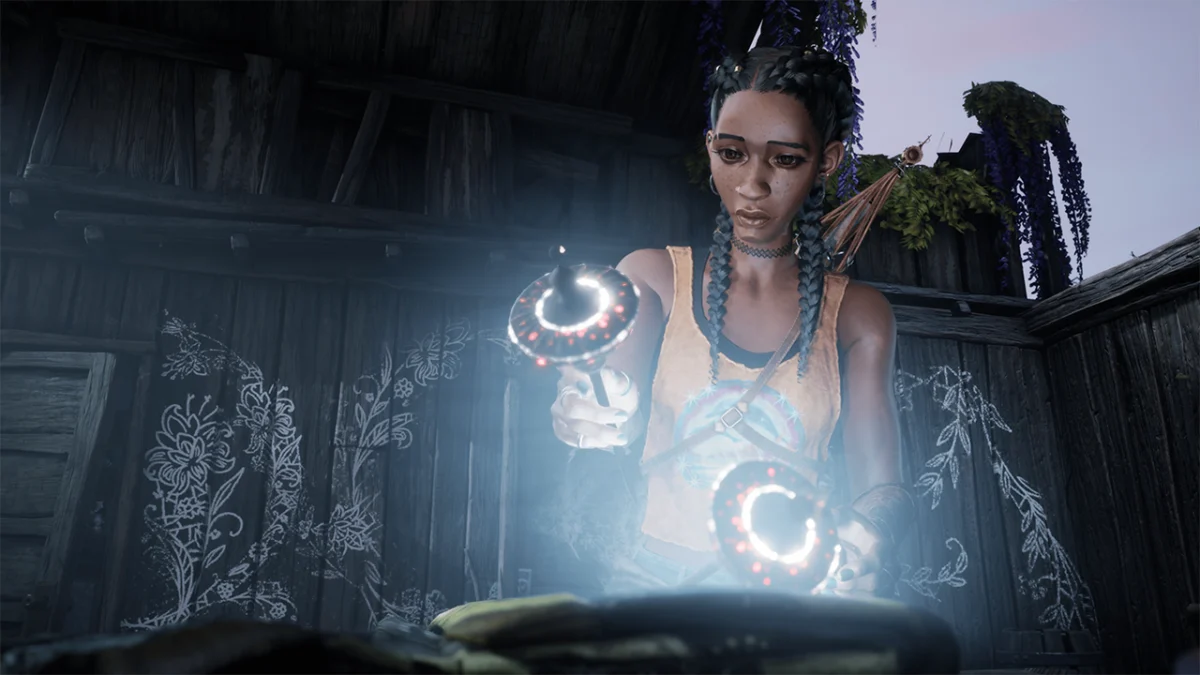
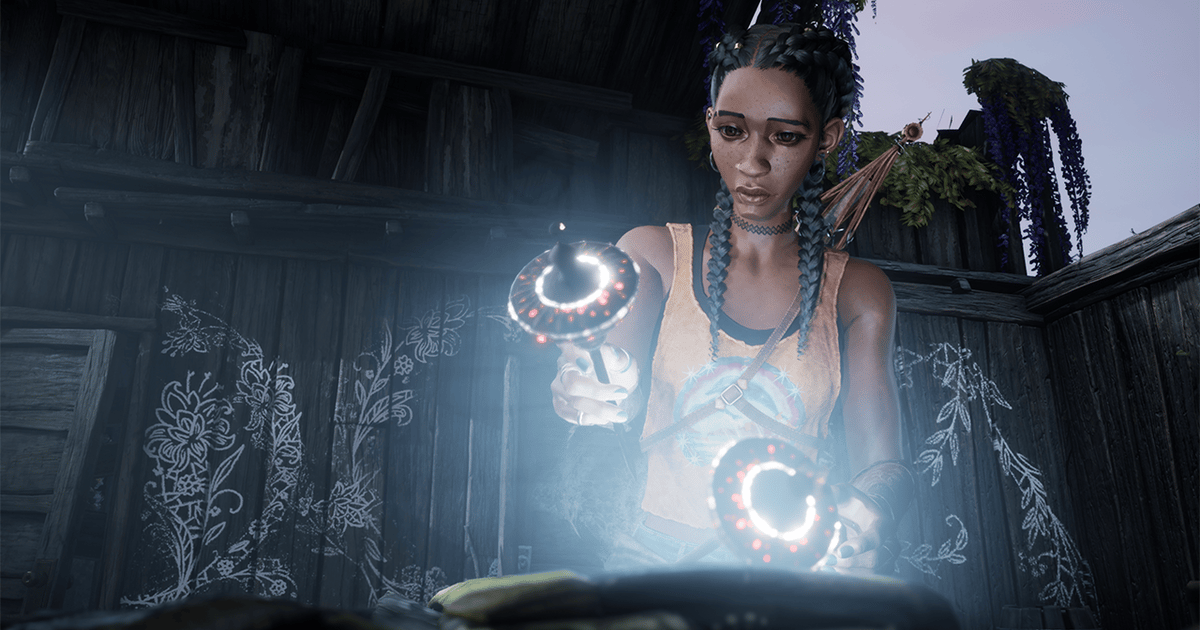
The director of the upcoming title South of Midnight, David Sears, has offered a strikingly candid assessment of Xbox’s past funding practices, stating that if he were in a leadership position at Microsoft, he would not have greenlit his own game. This revelation, made during an interview with MinnMax, underscores a growing tension between expansive corporate investment strategies and the economic realities faced by game development studios. Sears, while expressing gratitude for the opportunity provided to Compulsion Games, the studio behind South of Midnight, harbored persistent concerns that the financial tap from Microsoft could be turned off at any moment, a fear that has since been partially realized with recent shifts in Xbox’s business model.
Sears articulated his apprehension with a potent metaphor, telling MinnMax host Ben Hanson, "There’s always a night when Rome burns, and I didn’t know exactly when it would be, but I was always worried about it." This sentiment reflects a deep-seated anxiety common among developers operating under the aegis of large publishers, particularly during periods of aggressive acquisition and expansion. His comments arrive at a critical juncture for the gaming industry, marked by significant layoffs, studio closures, and a reevaluation of investment strategies across major platforms.
The Era of Portfolio Diversification and Game Pass Expansion
Sears’ concerns are rooted in a specific strategic directive from Xbox leadership during South of Midnight‘s development. He recalls being informed that the primary objective for studios like Compulsion was to cultivate a diverse portfolio of non-mainstream titles, thereby enriching Xbox’s library. While Sears did not explicitly link this initiative to Game Pass, the timing of this directive aligns perfectly with Xbox’s aggressive push to build a comprehensive catalog for its subscription service.
The launch of Game Pass in 2017 fundamentally altered Xbox’s approach to content acquisition and studio management. Phil Spencer, Head of Xbox, envisioned Game Pass as a "Netflix for games," requiring a constant influx of diverse, high-quality titles to attract and retain subscribers. This vision necessitated a substantial investment in first-party content, leading to a spree of studio acquisitions and the funding of numerous new projects. Microsoft’s acquisition of ZeniMax Media (Bethesda) for $7.5 billion in 2021 and Activision Blizzard for nearly $69 billion in 2023 were the most prominent examples, but smaller, critically acclaimed independent studios like Compulsion Games, Obsidian Entertainment, Double Fine Productions, and Ninja Theory were also brought into the Xbox Game Studios fold. The strategic rationale was clear: offer a breadth of experiences that would appeal to various player demographics, from blockbuster AAA titles to innovative, niche-defining projects.
Compulsion Games, known for its distinctive and stylistically unique titles like We Happy Few, represented precisely the kind of studio Xbox sought to integrate into its diversified portfolio. Their games often prioritize narrative and atmosphere over conventional mainstream appeal, fitting the brief for non-mainstream content perfectly. The funding for South of Midnight under this umbrella was, therefore, a logical extension of Xbox’s stated strategy at the time.
Underlying Fragility: The "Unsustainable" Model
Sears’ candid remarks expose what many in the industry have quietly observed: that the rapid expansion and funding of a vast, diverse portfolio, while strategically sound on paper, carried inherent risks of unsustainability. His comment is a rare public acknowledgment from a developer that the portfolio diversification initiative, particularly its execution, might have lacked a robust long-term financial view from the outset.
This perspective echoes, in a more direct manner, sentiments previously expressed by other industry figures. Tim Schafer, head of Double Fine Productions (another studio acquired by Xbox), alluded to similar concerns in an interview with Bloomberg. While Schafer "danced around" a direct critique of funding sustainability, he conveyed a belief that the games his studio was making would find an audience, implying that profitability wasn’t always the primary metric for their existence within the Xbox ecosystem, and perhaps, that even profitable games might not be immune to larger strategic shifts. This highlights a critical tension: creative freedom and diversification versus the ultimate corporate imperative of return on investment.
Sears further elaborated on the perceived largesse of Xbox’s funding during that period: "They were funding a lot of games. They were also funding a lot of studios that I was like ‘Well. Okay. Great, I guess you have infinite money, you do you.’" This observation points to a broader industry perception that Microsoft, with its vast financial resources, could afford to experiment and support a wide array of projects without immediate pressure for blockbuster commercial success from every single title. However, Sears consciously sought to operate differently: "I want less. I don’t want to feel the weight of the obligation of a giant budget, or an army of six hundred to be responsible for. I want to make something that isn’t going to bankrupt Microsoft or the games division." This philosophy of prudent resource management contrasts sharply with the "infinite money" perception and foreshadows the eventual reevaluation of Xbox’s investment strategies.
A Chronology of Expansion, Contraction, and Reassessment
To understand the context of Sears’ remarks, it’s crucial to trace the trajectory of Xbox’s strategy:
- 2017: Game Pass launches, signaling a shift towards a subscription-based model and a need for consistent content.
- 2018: Microsoft acquires several studios, including Compulsion Games, Obsidian Entertainment, Ninja Theory, and Undead Labs, initiating the major diversification push. This period is characterized by a strong emphasis on empowering studios to create unique experiences for Game Pass.
- 2021: Acquisition of ZeniMax Media is completed, significantly expanding Xbox’s first-party content.
- 2022-2023: Microsoft navigates regulatory hurdles for the Activision Blizzard acquisition, which eventually closes in late 2023. This period sees continued investment but also growing economic headwinds globally.
- Late 2023 – Early 2024: Industry-wide layoffs begin to accelerate, affecting numerous gaming companies. Xbox, despite its recent acquisitions, is not immune.
- Early 2024: Microsoft announces significant layoffs impacting 1,900 employees across Xbox, Activision Blizzard, and ZeniMax. Concurrently, reports emerge of studios being divested or shuttered. Compulsion Games is among those affected, being spun off to operate independently.
- Future (as per original article): David Sears reportedly left Compulsion in 2025. The original article also mentions South of Midnight winning multiple awards in 2025 (Game Award for Games for Impact, Change Award, D.I.C.E. award, BAFTA, and a Peabody Award), and Xbox CEO Asha Sharma boasting about them before announcing a "reset." These future-dated events suggest either a predictive narrative in the original source or are indicative of a timeline where the game is released and critically acclaimed before a major strategic shift culminates in the studio’s independence. This juxtaposition highlights the perceived value of the game even as its original funding model was deemed unsustainable.
The "More Humane" Microsoft and the "Reset" Initiative
Despite the turbulent shifts, Sears applauds Microsoft for its handling of Compulsion Games’ transition to independence, characterizing the modern Microsoft as "more humane" than its predecessors. He noted, "It’s remarkable and commendable, and the fact they didn’t do what their predecessors might have done," referring to the option of outright shutting down the studio, a fate many others have met in the industry. This approach, allowing a talented team to continue its work rather than dissolving it, represents a nuanced evolution in how large corporations manage their assets during periods of restructuring. It suggests a recognition of the value of creative talent beyond immediate financial returns.
However, this "humane" divestiture occurs in the shadow of a larger "business reset" initiative at Xbox, reportedly spearheaded by then-incoming CEO Asha Sharma. This reset, which included significant job cuts and strategic realignments, directly led to Compulsion being cut loose. The irony is stark: a game lauded for its impact and artistic merit (as implied by the awards) was developed under a funding model that its own director deemed unsustainable, eventually leading to its studio’s separation from the very corporate entity that celebrated its success.
Broader Implications for the Gaming Industry and Developers
Sears’ reflections provide a critical lens through which to view the broader challenges facing the video game industry. His concerns about the "unsustainable" nature of expansive funding foreshadowed the current economic climate, where even industry giants are re-evaluating their commitments.
- The Fragility of Diversification: While a diverse portfolio remains a powerful asset, the economic pressures of high development costs, intense competition, and fluctuating market conditions can quickly expose the vulnerabilities of an overly ambitious expansion strategy. The push for unique, non-mainstream titles, while creatively vital, often comes with higher financial risk and less predictable returns compared to established franchises.
- The Role of Game Pass: The imperative to feed the Game Pass beast undoubtedly drove much of Xbox’s acquisition and funding strategy. However, the long-term financial viability of such a model, particularly regarding the cost of content acquisition versus subscriber revenue, remains a subject of intense debate. The "reset" suggests a recalibration of this strategy, potentially prioritizing more direct returns or a narrower focus on fewer, larger titles.
- Developer Morale and Stability: The constant churn of studio acquisitions, funding adjustments, layoffs, and divestitures creates an environment of uncertainty for developers. While initial acquisitions often promise stability and creative freedom, the eventual "turning off the tap" can be demoralizing, impacting long-term career planning and creative ambition within larger corporate structures.
- The Future of Mid-Tier and Independent Studios: Compulsion Games’ journey back to independence highlights the precarious position of mid-sized studios. While some thrive within large publishers, others may find more sustainable creative and financial models operating independently, even if it means navigating the challenges of funding and publishing on their own. The "humane" divestiture by Microsoft, while positive, underscores that even successful, award-winning projects can fall victim to larger corporate strategic shifts.
- The Cost of Ambition: The gaming industry continues to grapple with the escalating costs of game development. Titles like South of Midnight, while not "bankrupting Microsoft," still represent significant investments. The industry’s capacity to sustain a wide array of experimental, non-mainstream titles ultimately depends on publishers’ willingness to accept diverse risk profiles and their ability to find sustainable business models beyond initial subscription boosts.
Conclusion: A Shocking Outcome, In Hindsight
When reflecting on the inevitability of the funding tap being turned off, Sears succinctly concluded, "It just seems like in hindsight at least, it was unsustainable—so of course, it was going to have a shocking outcome." This statement serves as a powerful summary of a complex situation. It encapsulates the tension between artistic vision and corporate finance, the ambitious growth of a platform service, and the eventual reckoning with economic realities.
The journey of South of Midnight and Compulsion Games under Xbox’s wing, from strategic acquisition to independent spin-off, offers a potent case study in the dynamic, often unpredictable, landscape of the modern video game industry. It underscores the continuous need for developers and publishers alike to navigate creative aspirations with prudent financial stewardship, ensuring that the "night when Rome burns" remains a metaphor, rather than a recurring reality.
About the Author