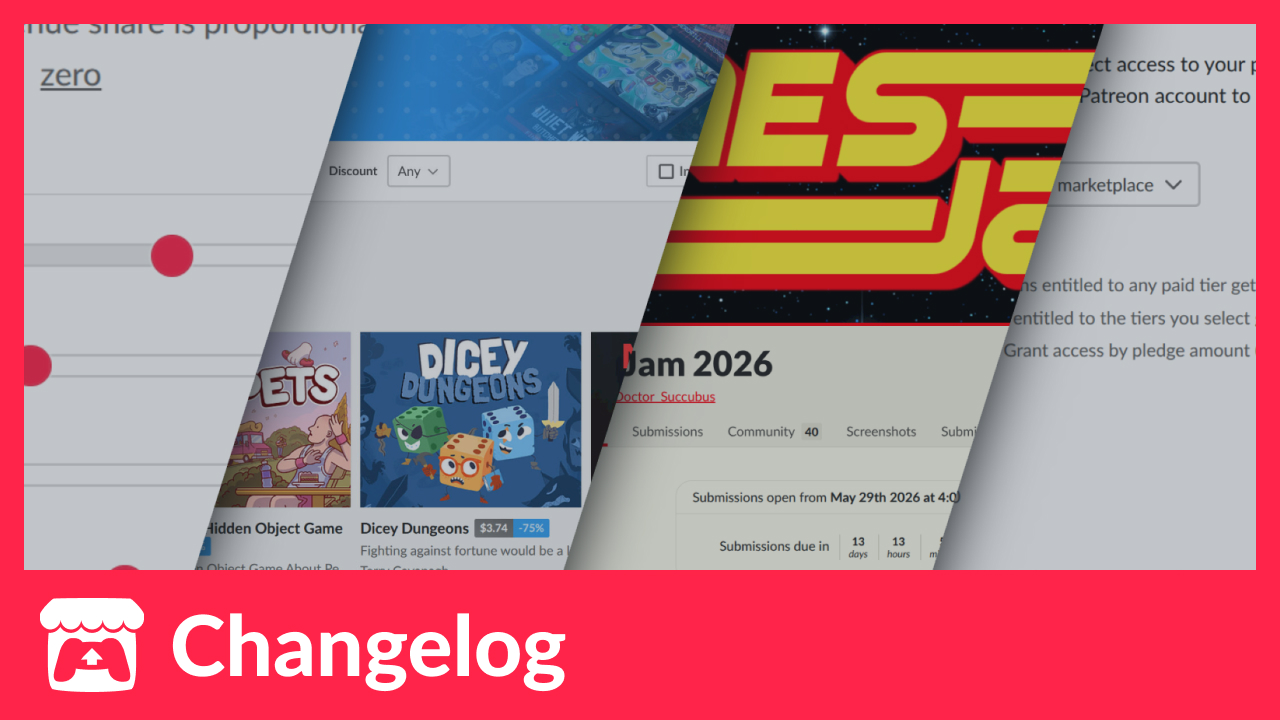
The independent gaming platform itch.io has unveiled a series of significant updates designed to enhance user experience, streamline developer workflows, and bolster creator monetization. These comprehensive improvements, detailed in a recent changelog, introduce a sophisticated Sale Explorer, a completely overhauled bundle hosting system, a modernized jam theme editor, and a rebuilt Patreon integration. These features underscore itch.io’s ongoing commitment to fostering a vibrant and accessible ecosystem for indie game developers and players alike, addressing long-standing community requests and adapting to the evolving landscape of digital distribution and creator support.
The Drive for Enhanced Discovery: Introducing the Sale Explorer
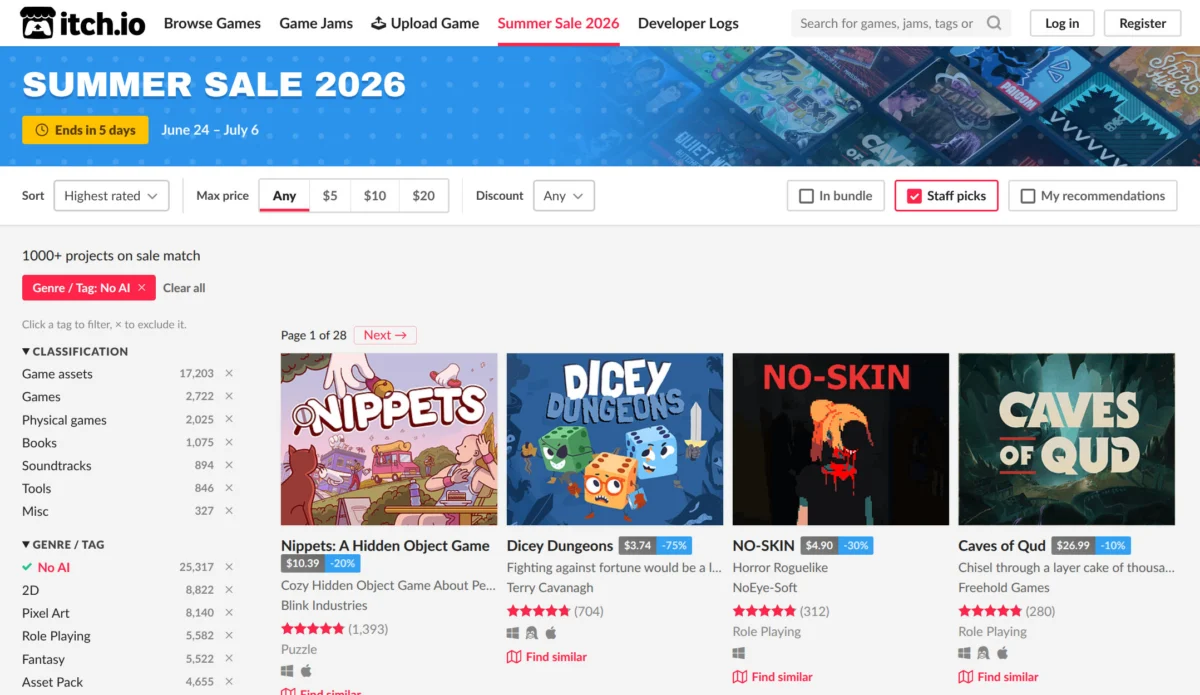
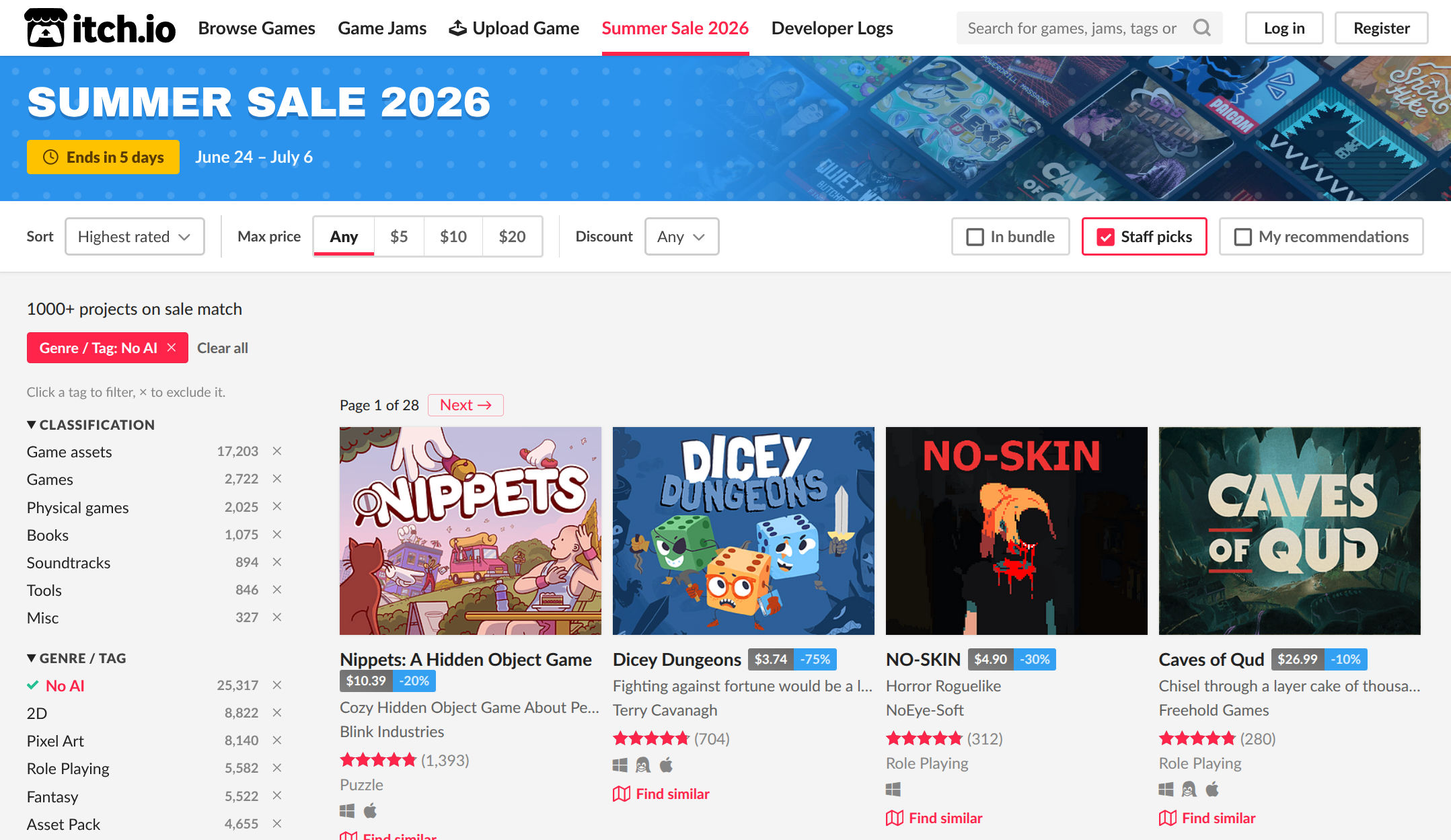
One of the most immediate and impactful additions is the Sale Explorer, a new browsing interface specifically engineered to navigate the often overwhelming scale of large digital sales. Debuting during the platform’s active Summer Sale 2026, which currently boasts over 30,000 discounted projects and runs until July 6th, the Sale Explorer fundamentally redefines how users discover content during promotional periods. Previously, browsing extensive sales on platforms like itch.io could be a daunting task, with thousands of titles making it difficult for users to pinpoint games aligning with their specific interests. The Sale Explorer directly addresses this challenge by providing robust filtering and sorting capabilities.
Users can now meticulously refine their search parameters, applying filters based on genres (e.g., RPG, platformer, visual novel), tags (e.g., pixel art, horror, roguelike), platforms (Windows, macOS, Linux, web, and potentially Android, as per community discussions), and even price ranges. Beyond basic filtering, the system incorporates advanced features such as the ability to exclude certain categories or tags—a particularly valuable addition for users looking to avoid specific content types, like the "AI-assisted" tag mentioned by community members. Furthermore, the explorer integrates "find similar" recommendations, leveraging algorithms to suggest titles based on a user’s browsing history and preferences, thereby making discovery more intuitive and personalized. This intelligent browsing experience aims to minimize decision fatigue and maximize the chances of users finding hidden gems amidst a sea of options. The positive reception of these features, particularly the ability to manage thousands of games effectively, signals a successful stride towards improved content discoverability, with plans to integrate these enhancements into standard browse pages in the future, extending their benefits beyond seasonal sales.
Revolutionizing Collaboration: The Overhauled Bundle Hosting System
For over a decade, itch.io’s bundle system has served as a cornerstone for collaborative projects and charitable initiatives within the indie game community. However, its longevity also meant that its underlying architecture presented certain limitations, particularly for organizers managing large-scale, multi-developer bundles. Recognizing this, itch.io has deployed a complete overhaul of its bundle hosting system, a move long-awaited by developers involved in such collaborations. This revamp is not merely cosmetic; it introduces a suite of new functionalities designed to significantly simplify the complexities of organizing and managing collective game packages.
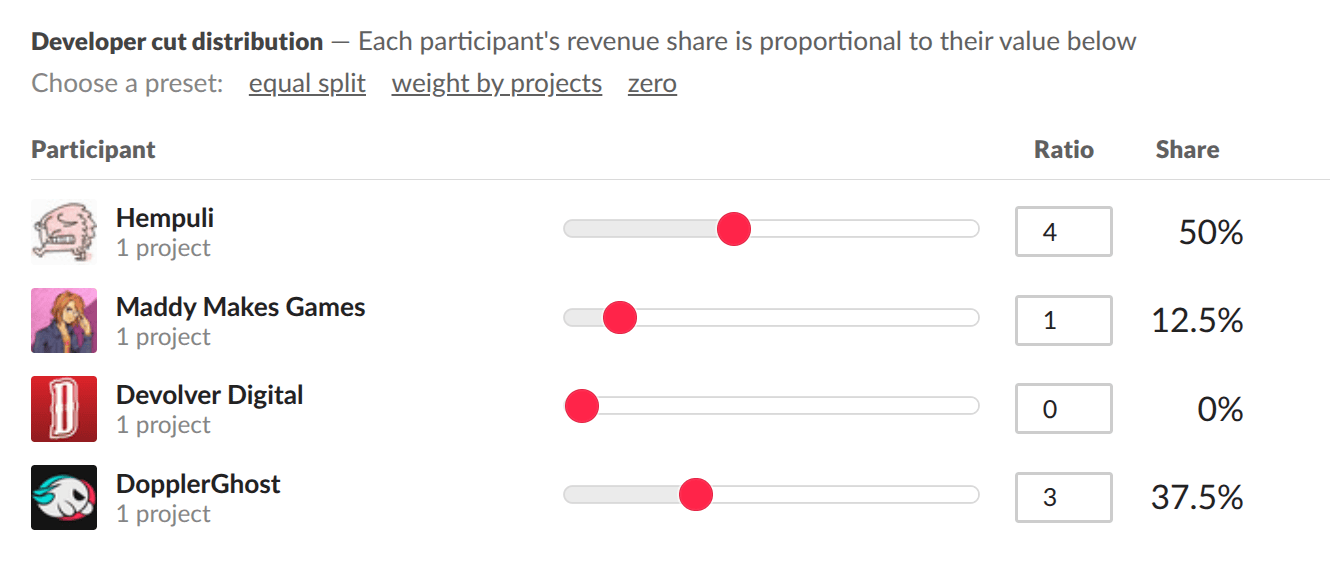
A core improvement lies in the enhanced tools for inviting participants. Organizers can now easily add projects from multiple creators, streamlining the onboarding process for large bundles that might involve dozens or even hundreds of developers. Crucially, the system now supports advanced revenue splitting configurations, allowing organizers to define precise percentages for how proceeds are distributed among participating developers, charities, or other beneficiaries. This level of granular control is vital for transparency and fairness in collaborative efforts. Furthermore, the updated interface provides clearer oversight of project submissions and participant statuses, enabling organizers to track contributions more effectively and ensure all necessary assets and information are in place. Existing pending bundles can readily adopt these new features by resetting their participation, ensuring that ongoing projects can immediately benefit from the modernized system. This strategic upgrade positions itch.io as an even more robust platform for communal endeavors, from massive charity bundles supporting global causes to smaller, curated collections showcasing niche indie talent, reducing administrative burdens and fostering greater collaboration.
Empowering Community Events: The Modernized Jam Theme Editor
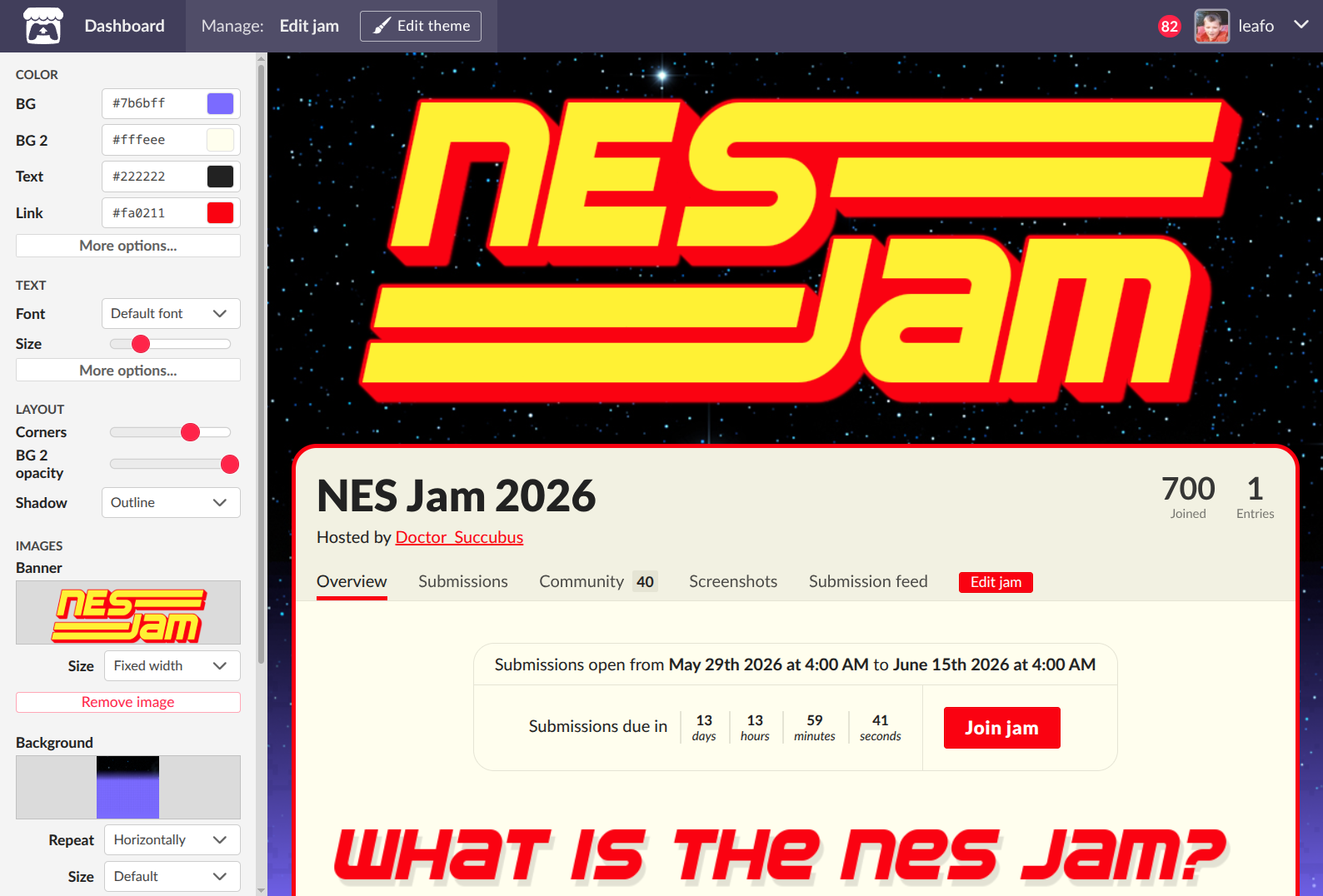
Game jams are a fundamental aspect of the itch.io community, serving as creative incubators where developers, from seasoned professionals to aspiring enthusiasts, gather to create games under specific constraints and within tight deadlines. These events foster innovation, skill development, and community building. To support the hosts of these popular events, itch.io has significantly modernized its jam theme editor, migrating it to the same intuitive UI framework used for other theme customization options across the site. This standardization ensures a consistent and user-friendly experience for jam organizers while introducing a wealth of new customization possibilities.
The revamp carefully preserves existing custom CSS on jam pages, ensuring a smooth transition for hosts who have already invested time in bespoke designs. However, the new editor provides a more accessible and powerful suite of visual tools. Jam hosts can now exert finer control over various aesthetic elements, including typography, color schemes, background images, and layout structures. This allows for more cohesive branding and a stronger thematic presence for each jam, enhancing the overall participant experience. For instance, a horror-themed jam can now easily adopt a dark, atmospheric design, while a whimsical jam can choose vibrant, playful aesthetics, all without requiring extensive coding knowledge. For those who prefer to delve into custom CSS, the announcement post provides comprehensive details regarding the underlying markup changes, ensuring that advanced users can continue to craft highly personalized pages. This upgrade reflects itch.io’s dedication to supporting its community-driven initiatives, making it easier for hosts to create engaging and visually distinct environments for their creative challenges, thereby enriching the vibrant culture of game development on the platform.
Strengthening Creator Support: Enhanced Patreon Integration
In an era where direct creator support models have become increasingly vital for independent artists and developers, itch.io’s enhanced Patreon integration represents a critical advancement. Recognizing the evolving needs of creators leveraging platforms like Patreon to fund their work, itch.io has rebuilt its integration from the ground up, utilizing Patreon’s more robust V2 API. This fundamental rewrite addresses long-standing issues and introduces significant new capabilities, primarily centered around a more flexible and reliable system for granting access to projects based on membership tiers.
The previous integration often struggled with accurately granting access to patrons who paid in different currencies, creating inconsistencies and administrative headaches for creators. The new system remedies this by shifting to tier-based access, allowing creators to define which Patreon tiers correspond to specific itch.io projects. This ensures that regardless of the currency or pledge amount, as long as a patron is in the designated tier, they receive appropriate access. Creators now have three distinct methods to grant access: through a dedicated project page, via a direct download key, or by simply linking their itch.io account to their Patreon. This flexibility caters to various creator workflows and patron preferences.
Furthermore, the rebuilt integration handles complex scenarios that the older system could not, such as correctly managing access for patrons who change tiers, pause their pledges, or renew after a hiatus. The system is designed to be more resilient and accurate in synchronizing patron statuses with project access. It’s important to note that once a patron claims access to a project through their Patreon membership, they retain that access indefinitely, with membership status being checked at the initial grant time. This policy provides security for patrons and reduces ongoing management for creators. This enhanced integration significantly streamlines the process of rewarding and managing patron-backed projects, solidifying itch.io’s position as a creator-centric platform that actively supports sustainable independent development.
Broader Implications for the Indie Ecosystem
These latest updates from itch.io collectively represent a strategic evolution of the platform, reinforcing its unique position within the digital distribution landscape for independent games. The Sale Explorer, for instance, is not just a feature; it’s a statement about the platform’s commitment to solving the pervasive problem of discoverability in a marketplace flooded with content. By empowering users with sophisticated filtering and recommendation tools, itch.io not only improves the player experience but also increases the visibility of countless indie projects that might otherwise get lost. This directly benefits developers, particularly those with smaller marketing budgets, by providing a more level playing field for their games to be found.
The revamped bundle hosting system carries significant implications for community and collaborative economics. Charity bundles, a hallmark of the indie scene, will become easier to organize and manage, potentially leading to larger and more impactful fundraising efforts. For developers, the improved revenue splitting and collaboration tools mean that multi-person projects or monthly publication models, as noted in community feedback, could be streamlined, allowing for more complex and financially transparent partnerships. The desire for per-project revenue splitting, though not yet fully implemented, is a clear indicator of the community’s need for such flexible financial management tools, which the new bundle system moves closer to fulfilling.
Similarly, the modernized jam theme editor underscores the importance of community-driven content and events on itch.io. By making it easier for hosts to customize their jam pages, the platform empowers creative expression and strengthens the identity of these vital community hubs. This fosters greater participation and engagement, which in turn fuels the pipeline of new indie games and developers.
Finally, the enhanced Patreon integration is a direct response to the economic realities faced by many independent creators. As crowdfunding and subscription models become increasingly integral to sustainable development, a robust and reliable integration with platforms like Patreon is not merely a convenience but a necessity. By fixing long-standing issues and introducing tier-based access, itch.io ensures that creators can more effectively monetize their work and provide consistent value to their supporters, reducing administrative overhead and allowing them to focus more on game development.
In essence, these updates collectively paint a picture of itch.io as a dynamic and responsive platform. Each improvement, from discovery to collaboration and monetization, is tailored to meet the specific needs of the independent game development community. By continuously refining its tools and infrastructure, itch.io not only enhances the experience for its existing user base but also solidifies its appeal as a preferred destination for both creators and consumers within the vibrant and ever-growing indie game ecosystem. The platform’s ongoing dialogue with its community, as evidenced by its Developer Updates forum, ensures that future enhancements will continue to be driven by genuine user and developer requirements.
About the Author