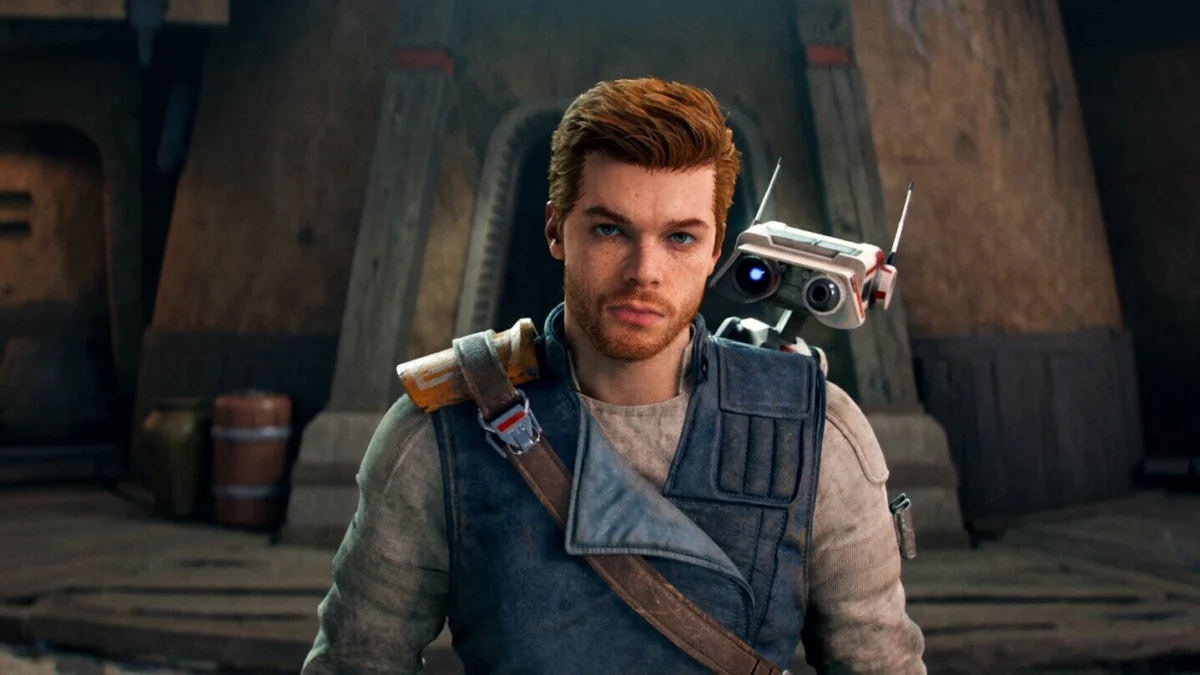
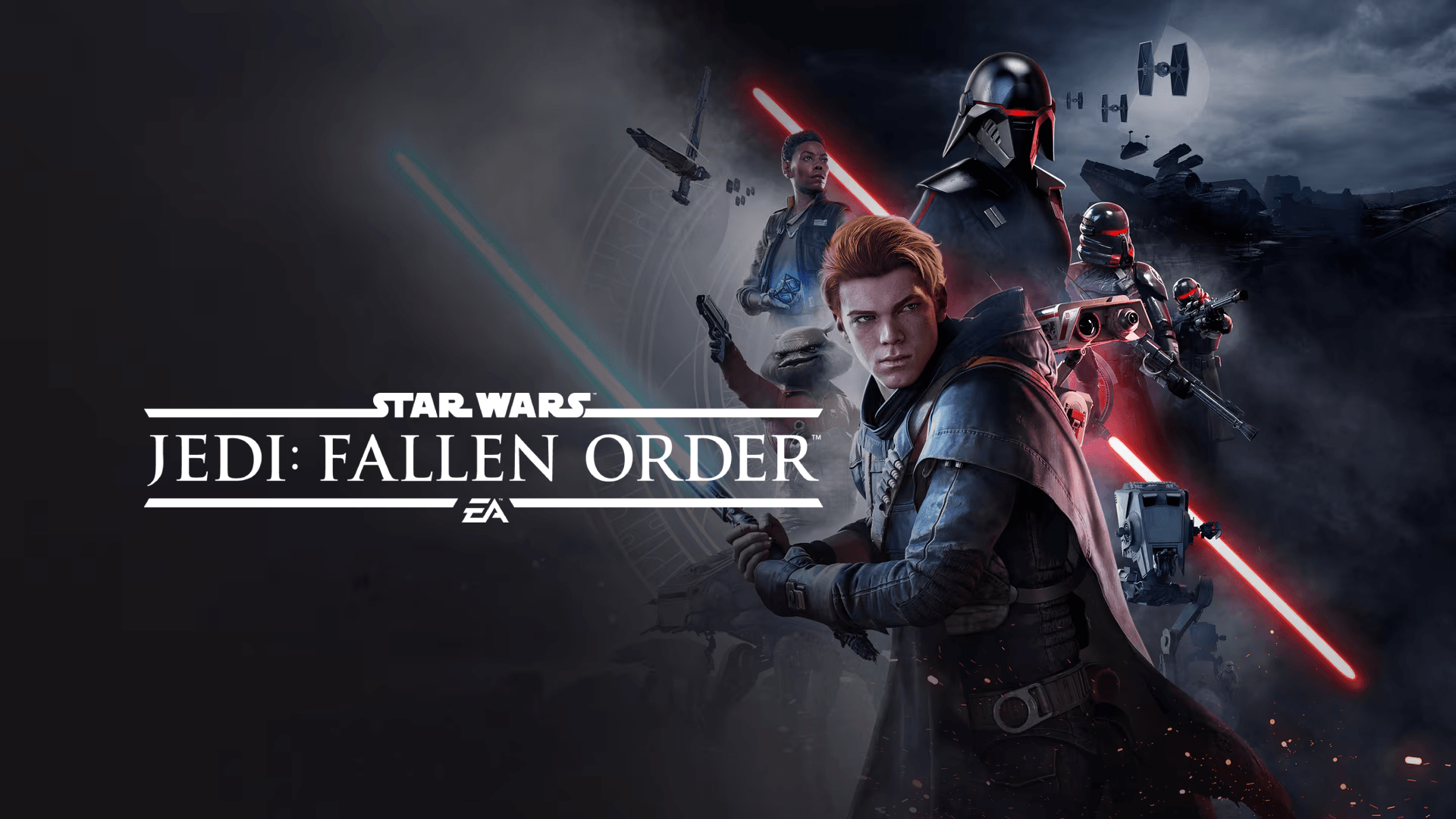
The Star Wars universe is undoubtedly one of the most popular and successful franchises in gaming. However, even iconic franchises are not immune to periods of struggle and missteps. Following years marked by controversial releases and public dissatisfaction, the Star Wars gaming franchise desperately needed a significant victory to restore player confidence and critical acclaim. This much-needed triumph arrived in 2019 with the launch of Star Wars Jedi: Fallen Order, developed by Respawn Entertainment. The game masterfully wove together familiar Star Wars themes with compelling new characters, delivering a narrative imbued with a distinct quality that resonated deeply with audiences. This infusion of fresh storytelling and solid gameplay helped Star Wars Jedi: Fallen Order achieve a generally favorable Metacritic score and sell approximately 8 million copies within its first six weeks, significantly exceeding Electronic Arts’ (EA) initial expectations. Beyond its commercial and critical success, the game provided fans with dialogue that traversed the spectrum from the hopeful and inspiring to the heartbreaking and, at times, downright intimidating, crafting an experience that lingered long after the credits rolled.
A Franchise in Crisis: The Pre-Fallen Order Landscape
Before the arrival of Jedi: Fallen Order, the Star Wars gaming landscape under Electronic Arts’ exclusive licensing agreement (secured in 2013) had been tumultuous. The initial optimism surrounding EA’s stewardship of the beloved sci-fi property gradually eroded due to a series of contentious releases and development issues. The first major title, Star Wars Battlefront (2015), while visually stunning, faced criticism for its lack of a single-player campaign and a season pass model that segmented the player base. This was followed by the highly anticipated Star Wars Battlefront II in 2017, which, despite offering a single-player story, became embroiled in one of the most significant controversies in modern gaming history concerning its aggressive implementation of loot boxes and microtransactions. Accusations of "pay-to-win" mechanics and predatory monetization practices led to widespread public outcry, governmental scrutiny, and a significant blow to EA’s reputation, forcing the company to temporarily remove microtransactions from the game.
Compounding these issues was the cancellation of several promising projects, most notably "Project Ragtag," a narrative-driven single-player adventure being developed by Visceral Games under the creative direction of industry veteran Amy Hennig. Visceral Games was subsequently shut down in 2017, further fueling fan frustration and the perception that EA was prioritizing live-service, multiplayer-focused titles over rich, single-player experiences that many Star Wars fans craved. By late 2018, the Star Wars gaming brand was at a low ebb, suffering from a crisis of identity and trust among its dedicated fanbase. The stage was set for a comeback, and the industry watched closely to see if EA could deliver a title that truly honored the legacy of Star Wars.
Respawn Entertainment Steps Up: Development and Release Chronology
Amidst this backdrop of skepticism, the announcement of Star Wars Jedi: Fallen Order began to shift perceptions. Developed by Respawn Entertainment, a studio renowned for its expertise in tight gameplay mechanics and engaging narratives (demonstrated through titles like Titanfall and Apex Legends), the project immediately garnered attention. Unlike its predecessors, Fallen Order was explicitly designed as a single-player, story-driven action-adventure game, a deliberate pivot that signaled a potential change in EA’s strategy.
Timeline:
- May 2013: Electronic Arts signs an exclusive licensing deal with Disney for Star Wars games.
- 2015-2017: Release of Star Wars Battlefront and Star Wars Battlefront II, along with the closure of Visceral Games, create significant fan disillusionment.
- E3 2018: Star Wars Jedi: Fallen Order is officially announced during EA Play, with a brief teaser and confirmation of its single-player focus. This announcement immediately generated cautious optimism.
- April 2019: A full reveal trailer is released during Star Wars Celebration Chicago, showcasing gameplay, characters, and the game’s premise. The trailer highlights lightsaber combat, Force abilities, and exploration, drawing comparisons to "Souls-like" combat and "Metroidvania" exploration mechanics.
- November 15, 2019: Star Wars Jedi: Fallen Order officially launches worldwide for PlayStation 4, Xbox One, and PC.
- December 2019: EA announces that the game has sold nearly 8 million copies in its first six weeks, exceeding internal forecasts and signaling a major commercial success.
- Early 2020: The game continues to receive post-launch support and updates, solidifying its positive reception.
- 2023: A direct sequel, Star Wars Jedi: Survivor, is released, further expanding on Cal Kestis’s journey and confirming the franchise’s successful revival.
Respawn’s development philosophy centered on crafting a compelling narrative experience, emphasizing exploration, challenging combat, and deep character development. The team consciously drew inspiration from successful action-adventure titles, blending elements of precision combat, environmental puzzle-solving, and a sense of discovery. This commitment to a well-rounded single-player experience was a direct response to the community’s desire for games that echoed the narrative depth of classic Star Wars titles.
The Story of Cal Kestis: A Journey of Survival and Self-Discovery
Star Wars Jedi: Fallen Order plunges players into the immediate aftermath of Order 66, the devastating purge that all but annihilated the Jedi Order. The game follows Cal Kestis, a former Padawan who survived the cataclysm by going into hiding, suppressing his Force abilities to avoid detection by the Galactic Empire. His existence as a scrap metal worker on Bracca is shattered when an incident exposes his identity, drawing the attention of the Imperial Inquisitors, terrifying dark side users tasked with hunting down the remaining Jedi.
Forced to flee, Cal teams up with the eclectic crew of the Stinger Mantis: Cere Junda, a former Jedi Knight grappling with her own traumatic past, and Greez Dritus, the gruff but loyal pilot. Their quest is audacious: to rebuild the Jedi Order by following a cryptic clue left by a deceased Jedi Master. This journey takes Cal across various unique biomes and planets, engaging in lightsaber combat, utilizing a burgeoning array of Force powers, and outmaneuvering the relentless Imperial forces.
While the game delivers all the expected action and adventure of a Star Wars title – intense lightsaber duels, exploration of exotic worlds, and confrontations with formidable enemies – its true strength lies not just in galactic conflict, but in the profound personal stories of those caught within it. Cal’s journey delves into the psychological toll of devastating loss, the struggle to forgive oneself for past failures, and the enduring resilience of the human (and indeed, Force-sensitive) spirit. It is a narrative about finding the light within even the darkest chapters, a core Star Wars theme explored with nuanced depth. The characters, through their interactions and compelling dialogue, give voice to these struggles, making the journey emotionally resonant and unforgettable.
The Power of Dialogue: Voices from a Fractured Galaxy
The writing in Star Wars Jedi: Fallen Order is a cornerstone of its success, crafting striking exchanges that stayed with fans long after the dust settled across the galaxy. The game’s memorable dialogue contributed significantly to its emotional depth and character development, elevating it beyond a mere action game.
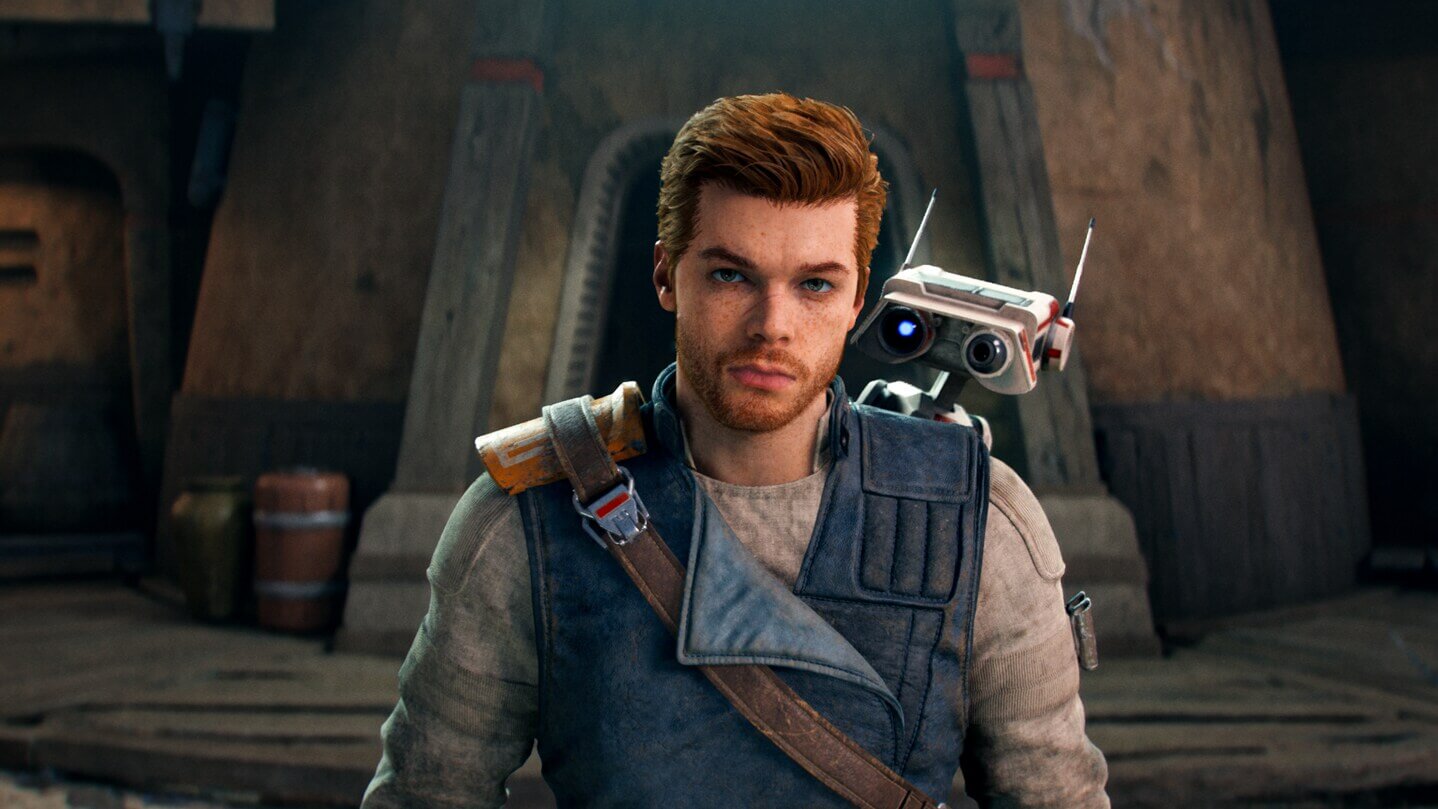
Cal Kestis: As the central protagonist, Cal Kestis’s dialogue often reflects his journey from a traumatized survivor to a re-emergent Jedi. His lines frequently convey a sense of earnestness, uncertainty, and a burgeoning desire to do what is right, even when facing overwhelming odds. His words reveal a young man grappling with grief and self-doubt, understanding that courage is not the absence of fear, but the decision to act despite it. His internal conflict and growth are palpable through his spoken interactions, as he learns to trust himself and the Force again.
Cere Junda: Cere Junda, a survivor of Order 66 herself and Cal’s mentor, brings a weathered wisdom to the narrative. Her dialogue is often characterized by its candor, delivering hard truths and imparting lessons born from immense personal sacrifice and mistakes. She grapples with the lingering shadows of her past, particularly her brief fall to the dark side, and her words frequently convey the heavy burden of leadership and the constant struggle to maintain balance within the Force. Her exchanges with Cal are crucial for his development, providing guidance while also revealing her own vulnerabilities.
Trilla Suduri (The Second Sister): As the primary antagonist, Trilla Suduri, also known as the Second Sister, embodies the tragic consequences of fear, anger, and betrayal. Her dialogue is sharp, menacing, and laced with cynicism, reflecting her transformation from a hopeful Jedi Padawan (and Cere’s former apprentice) into one of the Imperial Inquisition’s most lethal members. Her words are designed to intimidate, provoke, and reveal her tormented past, often serving as a dark mirror to Cal’s own potential struggles. Her exchanges are crucial for establishing the high stakes and emotional weight of the conflict.
Other Characters: The supporting cast also contributed significantly to the game’s rich tapestry of dialogue. Greez Dritus, the irritable but ultimately good-hearted pilot of the Mantis, provides much-needed comic relief and a grounded perspective, with his lines often injecting humor or exasperation into tense situations. BD-1, Cal’s loyal droid companion, communicates through endearing beeps and boops, but his interactions with Cal form a powerful emotional bond that transcends spoken language. Even characters like Saw Gerrera, who makes an appearance, offer insights into the broader galactic conflict and the desperation of the nascent rebellion. These diverse voices ensured that the narrative felt alive and multifaceted, adding layers of emotional complexity to the epic battle between light and dark.
Impact and Legacy: Rebuilding Trust in Star Wars Gaming
Star Wars Jedi: Fallen Order achieved more than just critical and commercial success; it played a pivotal role in rehabilitating the Star Wars gaming franchise and, by extension, Electronic Arts’ standing among players. Its strong sales figures, significantly surpassing EA’s internal projections, demonstrated a clear market demand for high-quality, narrative-driven single-player experiences within the Star Wars universe. This commercial triumph provided tangible evidence that the community’s desire for such games was not just vocal but financially viable.
The game’s critical acclaim, reflected in its positive Metacritic score and widespread positive reviews, praised its engaging story, well-developed characters, satisfying lightsaber combat, and intricate world design. This critical validation helped to re-establish a benchmark for quality in Star Wars games, proving that the magic of the franchise could be effectively translated into a modern gaming format without relying on controversial monetization schemes.
For EA, Fallen Order represented a significant strategic recalibration. The success of a purely single-player title, devoid of microtransactions, demonstrated that a different approach could yield substantial returns and, crucially, rebuild player trust. This success likely influenced EA’s subsequent decisions, encouraging a renewed focus on narrative and character in future Star Wars titles and other projects. It signaled a broader industry trend where single-player games, once rumored to be in decline, proved their enduring value and appeal.
Star Wars Jedi: Fallen Order didn’t just pull the franchise out of a slump; it carved out a new, highly respected niche within the expansive Star Wars canon. Its compelling story and memorable characters resonated deeply, solidifying its place as a fan favorite. The positive reception and commercial viability directly paved the way for its highly anticipated sequel, Star Wars Jedi: Survivor, further cementing Cal Kestis’s journey as a cornerstone of modern Star Wars gaming. The legacy of Fallen Order is clear: it proved that the Force was still strong with single-player adventures in a galaxy far, far away, leaving an indelible impression that transcended the virtual worlds it depicted.
About the Author