In a significant philanthropic announcement that underscores a growing concern among some of the nation’s most successful entrepreneurs, Jeff Atwood, co-founder of influential platforms Stack Overflow and Discourse, has pledged half of his remaining personal wealth over the next five years to support initiatives aimed at safeguarding and renewing the American Dream. This commitment follows an initial $8 million in donations already distributed to non-profit organizations addressing immediate needs, signaling a dual strategy of immediate relief and long-term systemic change. Atwood’s declaration comes at a juncture he describes as "unprecedented in American history," highlighting anxieties that the foundational promise of upward mobility and shared prosperity is increasingly out of reach for many.
A Deep Dive into the Philanthropic Pledge
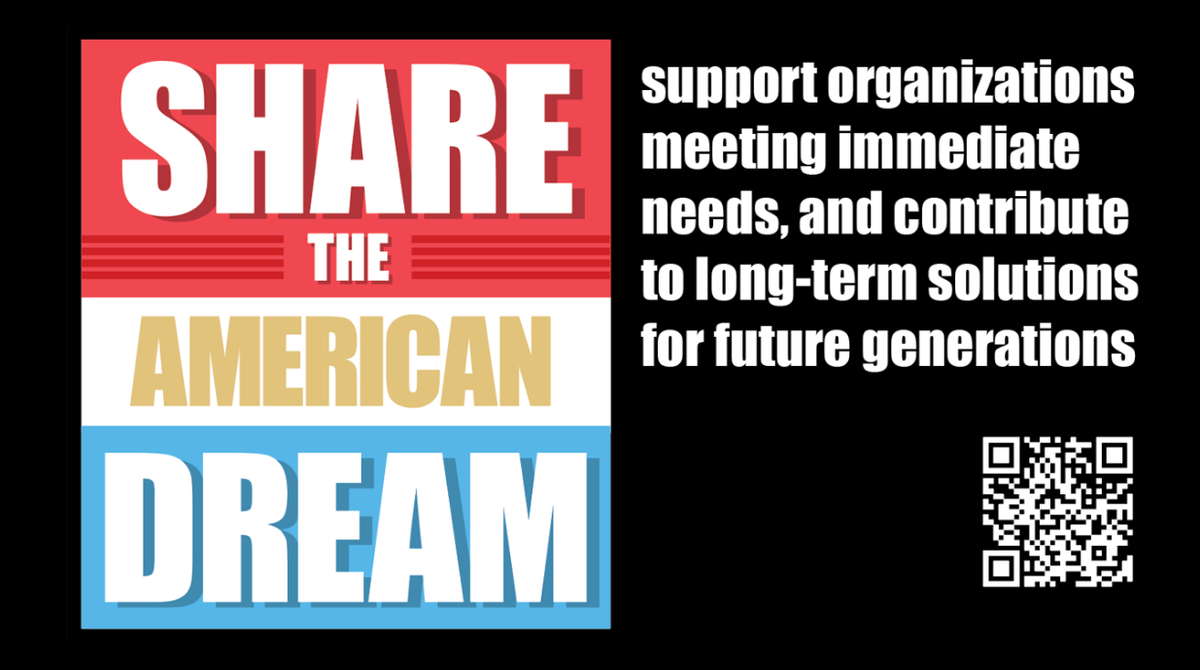
Atwood’s commitment is multifaceted, beginning with the distribution of eight $1 million donations to various non-profit groups. These immediate contributions are directed towards organizations actively supporting Americans currently facing critical challenges. Beyond this initial phase, the more substantial pledge of half his remaining wealth is slated for allocation over the next five years, focusing on enduring efforts designed to ensure broader access to the American Dream for future generations. This long-term vision is distinct from more traditional philanthropic models, emphasizing proactive engagement rather than deferred legacy giving. Atwood, drawing a subtle contrast with figures like Warren Buffett, articulated a desire for immediate impact and a hands-on approach to addressing what he perceives as fundamental cracks in the American social contract. He noted that while he admires Buffett’s commitment, the timing and structure of wealth transfer are crucial for maximizing impact, especially in times of acute need.
The Personal Genesis of a Public Commitment
Atwood’s motivation is deeply rooted in his personal journey, a narrative that mirrors the very ideal of the American Dream he seeks to preserve. He recounts a childhood shaped by "hardscrabble rural West Virginia and rural North Carolina origins," with parents who "barely managed to claw their way to the bottom of the middle class." His early life was marked by familial struggles, including parental alcoholism, which eventually led to his parents’ divorce when he was 16. This challenging upbringing, however, also instilled in him profound lessons about love and empathy, which he credits his parents for teaching him.

His path to success was far from privileged. Atwood attended public schools in Chesterfield County, Virginia, and later the University of Virginia, founded by Thomas Jefferson. During his college years, he worked as a part-time cashier at Safeway, earning the federal minimum wage, and relied on Pell grants, scholarships, and other part-time jobs to finance his education. This experience, paying approximately $3,000 annually for in-state tuition in 1992, stands in stark contrast to today’s landscape where the same state school tuition now averages $23,000 per year – an increase of nearly 800% in three decades. This dramatic escalation in educational costs, alongside soaring expenses in healthcare and housing, serves as a poignant illustration for Atwood of how the American Dream has become increasingly unattainable for many. He posits that these "huge cost increases… are not compatible with the American Dream," echoing broader national dialogues on economic accessibility.
Building Digital Democracies: Stack Overflow and Discourse
Atwood’s professional career provided him with the means to make such a substantial pledge. In 2008, he co-founded Stack Overflow with Joel Spolsky, creating a collaborative Q&A platform for programmers. This venture, which he describes as a "digital democracy" built "of the programmers, by the programmers, for the programmers," harnessed collective intelligence through a democratic voting system for content ranking and community moderation via ranked-choice voting. The platform’s success, culminating in an $1.8 billion acquisition in 2021, demonstrated the power of community-driven knowledge sharing.

Following Stack Overflow, Atwood co-founded Discourse, an open-source tool designed for "constructive, empathetic community discussions." Discourse further refined the concept of digital democracy by empowering communities to establish and enforce their own boundaries for interaction, fostering respectful dialogue even amidst disagreement. Atwood emphasizes that these projects, though structured as corporations, were fundamentally "projects for the public good," realizing an aspect of the American Dream through innovation and shared value. His success, he acknowledges, was a blend of "hard work and good luck," and a testament to opportunities unique to America.
The Shifting Sands of the American Dream
Atwood’s deepened understanding of the American Dream’s fragility came not from its attainment, but from reflecting on its meaning after achieving significant wealth. A pivotal moment occurred during a high school theater performance of S.E. Hinton’s "The Outsiders," where the iconic phrase "stay gold" resonated with him as a call to "sharing the American Dream." This interpretation broadened his perspective beyond individual achievement to collective responsibility.
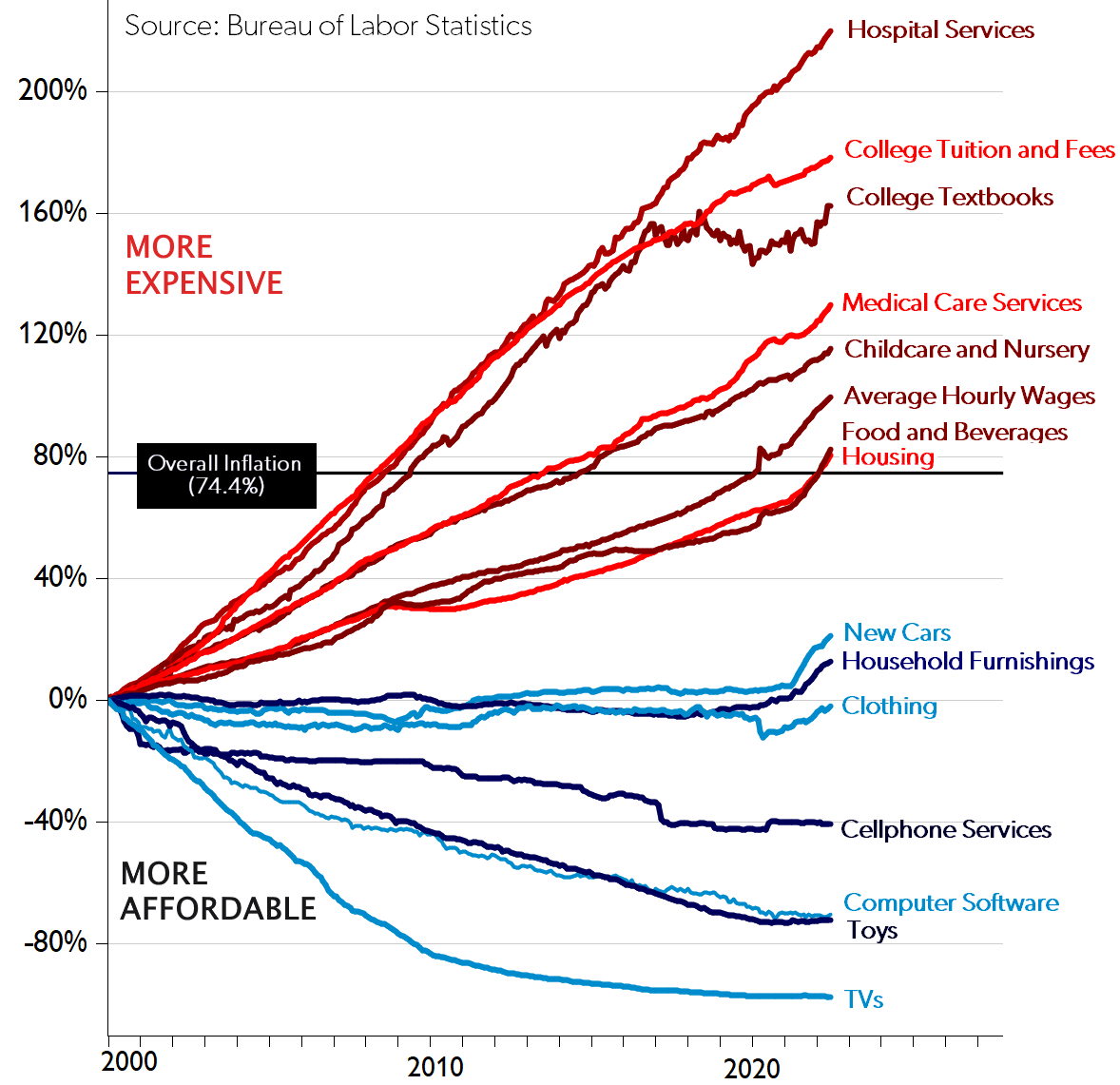
He connects this ethos to the foundational principles articulated in the Declaration of Independence by Thomas Jefferson, emphasizing the "unalienable Rights" of "Life, Liberty and the pursuit of Happiness." However, Atwood contends that this ideal is not universally accessible and its meaning can be distorted. He references Jimi Hendrix’s iconic rendition of "The Star-Spangled Banner" at Woodstock as a powerful artistic commentary on the nation’s struggle to live up to its lofty ideals.
Challenges to Democratic Participation and Economic Equity
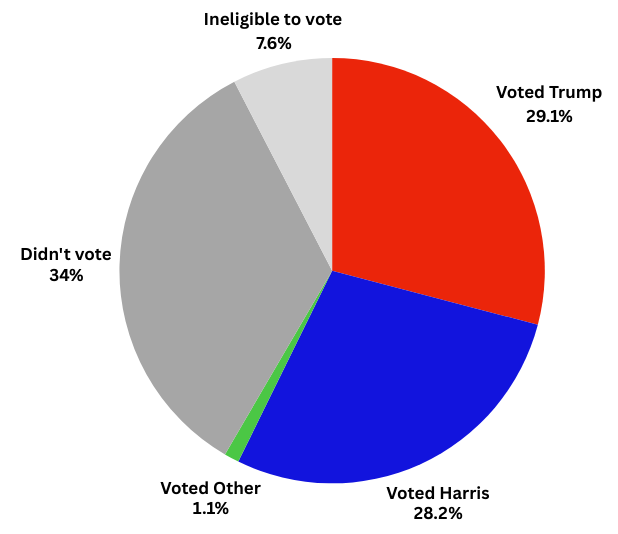
The current political landscape, particularly in the wake of the November 2024 United States presidential election, has significantly heightened Atwood’s concerns. He notes that a substantial portion of the adult population in America—34%—did not exercise their right to vote in 2024. When combined with the 7.6% deemed ineligible (primarily non-citizens and individuals with felony convictions), a staggering 42% of American adults had no direct voice in shaping the nation’s leadership. This lack of broad participation, Atwood argues, raises critical questions about voter suppression, gerrymandering, and widespread voter indifference, all of which undermine the principle of representative democracy.
He advocates for tangible electoral reforms to strengthen democratic engagement, including making Election Day a national holiday, implementing universal mail-in voting, and adopting ranked-choice voting to ensure that all votes carry more weight and better reflect the electorate’s will. Furthermore, he stresses the importance of fortifying institutions crucial for maintaining electoral fairness, such as state and local election boards and the Federal Election Commission.
Atwood also points to the widening chasm of wealth inequality as a direct threat to the American Dream. He observes that after attaining significant wealth, he became acutely aware of how "unequal life is for so many of us." Data supports his observation: in 2012, the wealthiest 1% of Americans held 24% of the nation’s wealth, a figure that surged to 30% by 2021. Globally, Oxfam reported that the richest 1% accumulated nearly twice as much wealth as the rest of the world combined over the past two years. This extreme concentration of wealth, Atwood asserts, is "un-American," aligning with W.E.B. Du Bois’s philosophy that a nation’s prosperity should be measured by "the absence of poverty, the prevalence of health, the efficiency of the public schools," rather than the number of millionaires.
Confronting Polarization and Reaffirming Shared Values
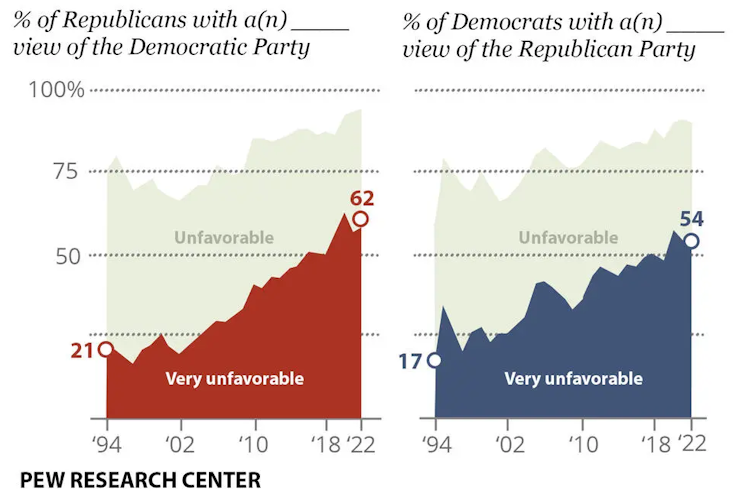
The current state of political polarization in the United States, which Atwood notes is at "historically high levels and rising," further complicates the pursuit of a shared American Dream. He views this extreme partisanship within a two-party system as counterproductive and potentially dangerous, raising the fundamental question: "Do we all still believe in the same American Dream?" The last meaningful constitutional amendment, the 26th, which lowered the voting age to 18 in 1971, stands as a stark reminder of the nation’s slow pace in achieving broad systemic change through legislative means.
Atwood’s philanthropic pledge is ultimately a call to action rooted in a profound belief in the ideals of the American Dream, even as the nation struggles to uphold them. He invokes the spirit of "good trouble," a concept popularized by civil rights leader John Lewis, suggesting that principled disruption is necessary to improve democracy. His vision for the American Dream, as articulated through his pledge, is one "founded on love," advocating for a collective choice between the "path of hate" and the "path of love" that has historically contended for the nation’s soul.
The Path Forward: Empowerment and Collaboration
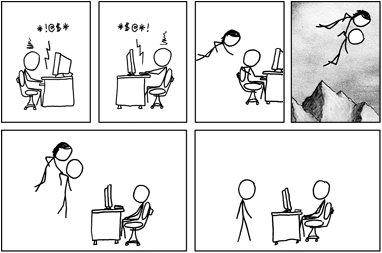
Atwood acknowledges that there is "no single solution" to the complex challenges facing the nation. His family’s commitment of half their wealth is intended to catalyze longer-term efforts, and he has explicitly offered to advise and empower others who share the goal of fostering an American Dream rooted in inclusivity and opportunity. The announcement has been met with interest within philanthropic circles and among advocates for systemic change, sparking discussions about the role of private wealth in addressing public good.
As a tangible next step, Atwood has indicated that further details on the specific long-term efforts his family will support can be found in a subsequent blog post, "Let’s Talk About The American Dream." He is also scheduled to co-present a talk titled "Rebuilding the American Dream: A Path Forward" with Alexander Vindman at Cooper Union on Thursday, March 20th, at 7 pm Eastern time, signaling a public engagement strategy to foster broader participation and dialogue.
This substantial pledge by Jeff Atwood represents more than just a financial contribution; it is a deeply personal and publicly articulated challenge to reassess and actively work towards a more equitable and participatory American future. His journey from modest beginnings to tech entrepreneur, coupled with his critical analysis of contemporary societal issues, positions his philanthropy as a significant statement on the imperative of collective action to preserve the nation’s founding promises.
About the Author