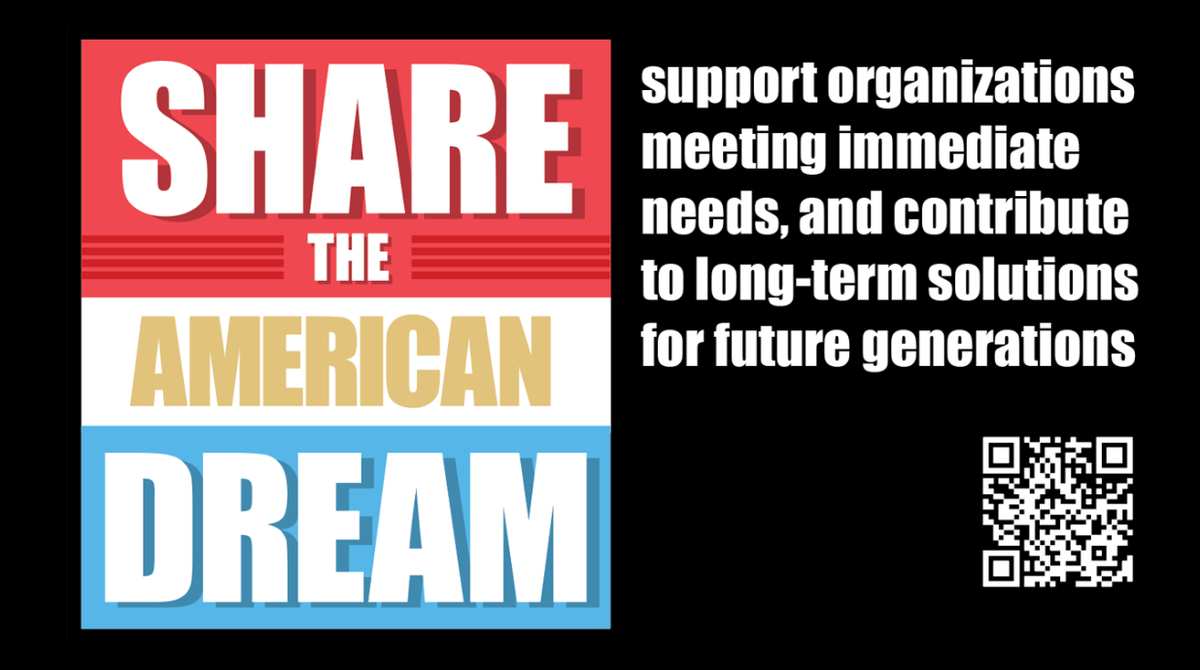
Jeff Atwood, the renowned co-founder of influential technology platforms Stack Overflow and Discourse, has announced a sweeping philanthropic initiative, pledging half of his remaining family wealth over the next five years to support long-term efforts aimed at restoring and broadening access to the American Dream. This significant commitment follows an immediate distribution of eight $1 million donations to non-profit organizations providing urgent aid, signaling a multi-faceted approach to address what Atwood describes as an "unprecedented point in American history" where the nation risks losing sight of its foundational promise. His declaration emphasizes not only financial support but also a fervent call for collective action, civic engagement, and a renewed commitment to empathy and democratic principles, driven by a deeply personal journey from modest beginnings to considerable success.
The Genesis of a Vision: From Hardscrabble Roots to Tech Success
Atwood’s journey provides a poignant backdrop to his philanthropic conviction. He recounts growing up in a family with "hardscrabble rural West Virginia and rural North Carolina origins," whose parents "barely managed to claw their way to the bottom of the middle class" despite facing significant personal struggles, including alcoholism. This early exposure to economic precarity and the challenges of upward mobility deeply shaped his perspective. His formative years included attending public schools in Chesterfield County, Virginia, and later graduating from the University of Virginia in 1992, an institution founded by Thomas Jefferson, whose ideals of equality and unalienable rights Atwood frequently references.
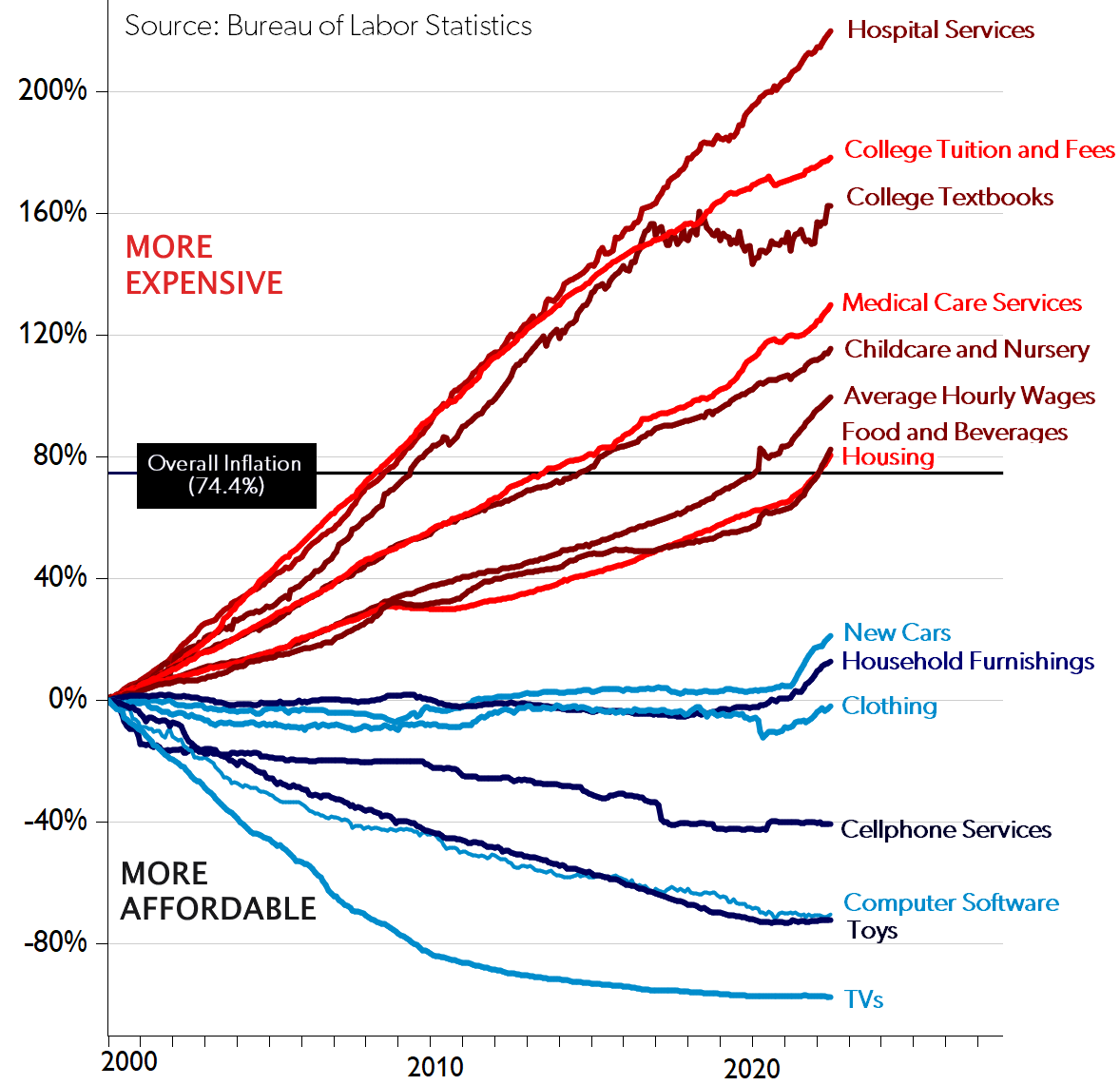
During his college years, Atwood worked part-time as a cashier at Safeway, earning the federal minimum wage. He relied on Pell grants, scholarships, and other part-time jobs to cover tuition, which, even at a relatively modest $3,000 per year for in-state students in 1992, presented a significant financial hurdle. He notes the stark contrast with today’s landscape, where state university tuition has skyrocketed to an average of $23,000 per year, an eightfold increase over three decades. This exponential rise in education costs, alongside similar trends in healthcare and housing, forms a core part of Atwood’s argument that the escalating expenses in essential sectors are increasingly incompatible with the traditional accessibility of the American Dream. This sentiment is further supported by data indicating that the average cost of college has consistently outpaced wage growth, making higher education a luxury rather than an achievable aspiration for many.
Building Digital Democracies: The Stack Overflow and Discourse Legacy
Atwood’s professional career, marked by innovation in the tech sector, further honed his understanding of democratic principles and community building. In 2008, he co-founded Stack Overflow, a groundbreaking question-and-answer platform for programmers. This platform, built on a Creative Commons knowledge base, operated as a "digital democracy" where users democratically voted to rank questions and answers and elected community moderators through ranked-choice voting. This model, which Atwood championed alongside co-founder Joel Spolsky, demonstrated the power of collective intelligence and democratic governance in the digital realm, proving its effectiveness as evidenced by its successful acquisition in 2021.
Recognizing that digital democracy alone was insufficient, Atwood extended these principles to co-found Discourse. This free, open-source tool was designed to foster constructive, empathetic community discussions, also under Creative Commons licensing. Discourse empowers communities to establish and enforce agreed-upon boundaries, enabling robust, yet respectful, dialogue. Atwood emphasizes that this evolution from pure digital democracy to "digital democracy and empathy" is crucial, particularly in an increasingly digital world where the anonymity of screens can often lead to dehumanizing interactions. He contends that extending kindness through digital interfaces is paramount for societal well-being. Both ventures, he reflects, were intrinsically "projects for the public good" that happened to be corporations, exemplifying a path to success he attributes to the unique opportunities afforded by the American system.

A Broader Awakening: The Call to Share the American Dream
Despite achieving significant personal wealth through his endeavors – a realization of what he initially believed was the "final part of the American Dream" – Atwood experienced a profound shift in perspective. This transformation was notably catalyzed by attending a public high school theater performance of S.E. Hinton’s "The Outsiders." The play, and particularly the iconic "stay gold" line, led him to a deeper understanding: true fulfillment lay not just in personal success, but in "sharing the American Dream." This revelation underscored the interconnectedness of individual prosperity with the well-being of the broader community. The play’s director further reinforced this message, highlighting themes of "resilience, empathy, and unity" and the importance of "lifting up those around us."
Atwood connects this personal epiphany directly to the foundational ideals of the United States, citing the Declaration of Independence’s assertion of "Life, Liberty and the pursuit of Happiness" as unalienable rights. He acknowledges, however, that the American Dream has not always been universally accessible, and its meaning can become distorted, a sentiment powerfully captured by Jimi Hendrix’s iconic rendition of the national anthem at Woodstock in 1969, which many interpret as a reflection of national discord and unfulfilled promises.
Addressing Systemic Challenges: Wealth Inequality and Democratic Erosion
A significant driver of Atwood’s urgent call to action is his deep concern over widening wealth inequality and the perceived erosion of democratic fairness. Having attained significant wealth, he describes a growing "distance" from the realities faced by most Americans, recognizing that his financial comfort exempts him from daily struggles that burden many. He starkly labels the accumulation of extreme wealth as "unamerican," citing data that reveals a dramatic increase in wealth concentration. In 2012, the top 1% of Americans held 24% of the nation’s wealth; by 2021, this figure had climbed to 30%. Globally, the top 1% now possess nearly twice as much wealth as the rest of the world combined, according to Oxfam reports. This growing disparity, Atwood argues, undermines the very essence of a meritocratic American Dream.

His concerns extend to the health of American democracy itself. Reflecting on the 2024 United States presidential election, Atwood expresses dismay that a significant portion of the adult population – 34% of eligible voters – did not cast a ballot. When factoring in the 7.6% ineligible to vote (due to non-citizenship or felony convictions), nearly 42% of adults living in America had no voice in the election. He questions the underlying causes: whether it’s voter suppression, gerrymandering leading to indifference, or a pervasive feeling that individual votes no longer matter. This low turnout and perceived lack of representation, he contends, raises serious questions about the nation’s status as a leading democracy and signals that many Americans no longer believe their government effectively ensures fairness for everyone.
Political polarization, which Atwood notes is at "historically high levels and rising," further exacerbates these democratic challenges, making governmental action slower and less effective. The infrequency of meaningful constitutional amendments (the 26th Amendment in 1971 being the last significant one in 60 years) illustrates this legislative paralysis. He posits that such extreme polarization in a two-party system is not only counterproductive but potentially dangerous, forcing a critical question: "Do we all still believe in the same American Dream?"
Proposals for a More Inclusive Democracy
To counter these trends, Atwood advocates for concrete reforms to strengthen democratic participation and fairness. Drawing parallels with the democratic mechanisms employed in his own tech ventures, he proposes making Election Day a national holiday, implementing universal mail-in voting, and adopting ranked-choice voting. These measures, he believes, would make it easier for eligible Americans to participate, ensure all votes carry more weight, and foster a more representative outcome. Beyond electoral mechanics, he stresses the importance of strengthening institutions vital to maintaining a fair democracy, such as state and local election boards and the Federal Election Commission.
Rethinking Philanthropy: A Timely Commitment
Atwood’s philanthropic strategy also represents a departure from traditional models. While he acknowledges admiration for figures like Warren Buffett, who pledged over 99% of his wealth to philanthropy, Atwood finds such pledges "incomplete" if the timing of the transfer remains vague. He points to Buffett’s recent amendment to his pledge, directing his entire fortune at death to a charitable trust managed by his adult children, as an example of deferred impact. For Atwood, the urgency of the current moment, heightened by the 2024 election results, necessitates immediate and substantial action.
His family’s pledge of half their remaining wealth within the next five years is therefore a deliberate act of timely intervention, not merely a future bequest. This decision also reflects his priorities as a parent; while securing sufficient funds for his children’s college education and homeownership, he is compelled to act for the broader American future, driven by a concern for their generation. This immediate and substantial commitment highlights a growing trend among some philanthropists to deploy capital actively during their lifetimes to address pressing societal issues.
The Path Forward: An American Dream Founded on Love
At the core of Atwood’s initiative is a profound belief in an "American Dream founded on love." He acknowledges the historical struggle between the "path of hate" and the "path of love" within American society, referencing cultural touchstones like Radio Raheem’s monologue in "Do the Right Thing" and the teachings of Martin Luther King Jr. He asserts that the nation must actively choose the path of love to navigate its current challenges.
His call to action is not just financial but also collaborative. Having already completed the initial $8 million in immediate aid, the subsequent allocation of half his family’s wealth over the next five years will support longer-term efforts, the specifics of which he intends to detail in future communications, including a forthcoming blog post and a public talk at Cooper Union with Alexander Vindman on March 20th. Atwood invites all Americans to join him in "Sharing the American Dream," offering his guidance and support to those working towards this shared goal. His final message, "Stay gold, America," resonates with a hopeful plea for the nation to retain its fundamental ideals of goodness and opportunity for all.
In a concluding note, Atwood expresses gratitude for the support of his partner, Betsy Burton, his family, and various individuals who contributed feedback to his statement, emphasizing the collective nature of this endeavor. His actions and words represent a significant challenge to conventional thinking about wealth, responsibility, and the future of American society, urging a collective re-evaluation of national priorities and a renewed commitment to inclusive prosperity.
About the Author