Two prominent figures in the technology world, Jeff Atwood, co-founder of Stack Overflow and author of the widely-read "Coding Horror" blog, and John Carmack, a legendary programmer known for his pioneering work in video games (Doom, Quake) and virtual reality (Oculus), have publicly initiated a friendly $10,000 wager, payable to a 501(c)(3) charity of the winner’s choice. The high-stakes bet centers on a pivotal question for the future of transportation: whether completely autonomous, SAE J3016 Level 5 self-driving cars will be commercially available for passenger use in major United States cities by January 1st, 2030. Atwood, known for his pragmatic and often skeptical view on ambitious tech timelines, is betting against this outcome, while Carmack, a perpetual innovator and optimist regarding technological progress, is betting for it.
The terms of the wager are precise, focusing on the most advanced tier of autonomous capability. A Level 5 vehicle, as defined by the Society of Automotive Engineers (SAE) J3016 standard, signifies full automation where the vehicle performs all driving tasks under all conditions, requiring zero human attention or interaction during the journey. The only exceptions are natural disasters or emergencies. Passengers would simply enter the vehicle, select a destination, and the car would handle every aspect of the drive. The "major cities" criterion further specifies any of the top 10 most populous cities in the United States, adding a layer of real-world operational complexity to the challenge. This includes metropolises like New York City, Los Angeles, Chicago, Houston, Phoenix, and Philadelphia, known for their diverse and often unpredictable traffic environments.
The Vision of True Autonomy: Deciphering SAE Level 5
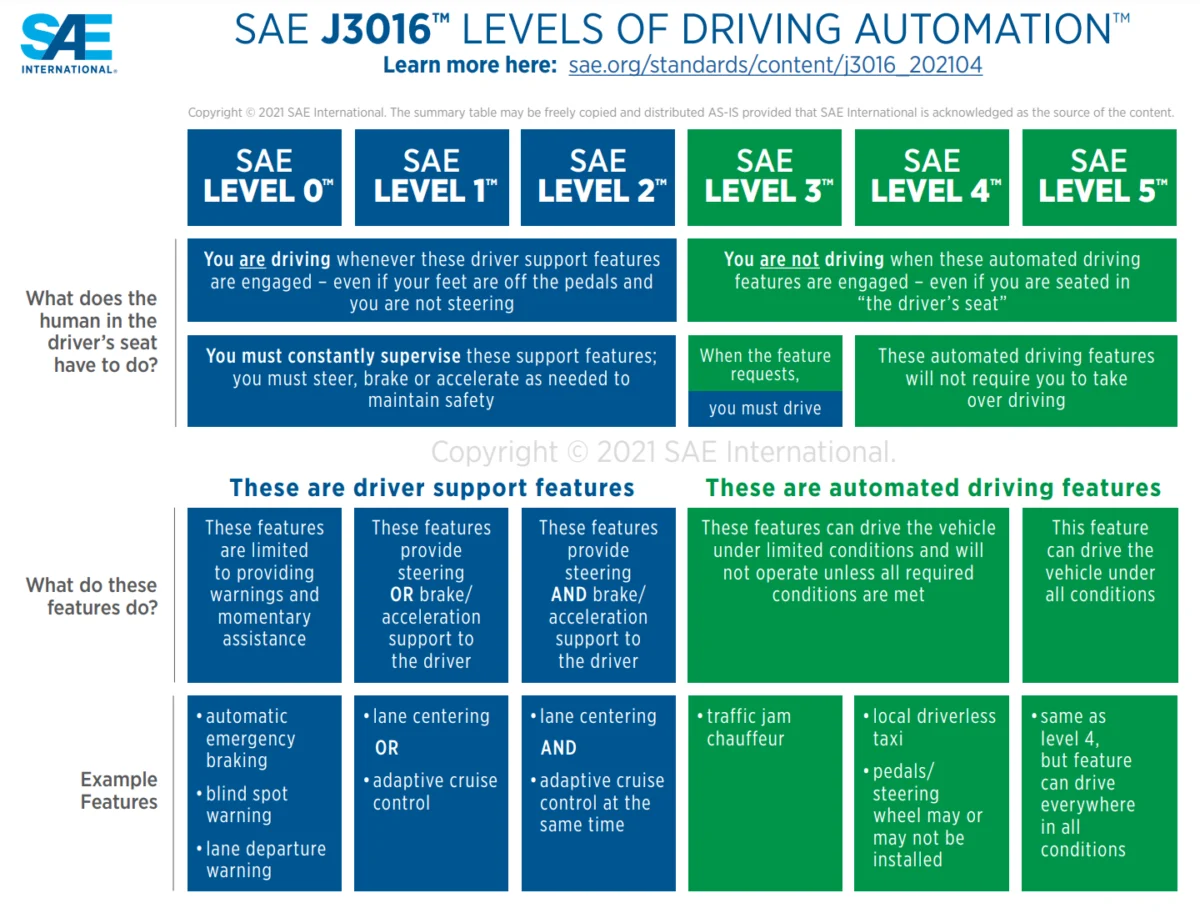
To fully grasp the magnitude of the bet, it is crucial to understand the SAE J3016 standard for driving automation, which categorizes vehicles into six levels from 0 to 5.
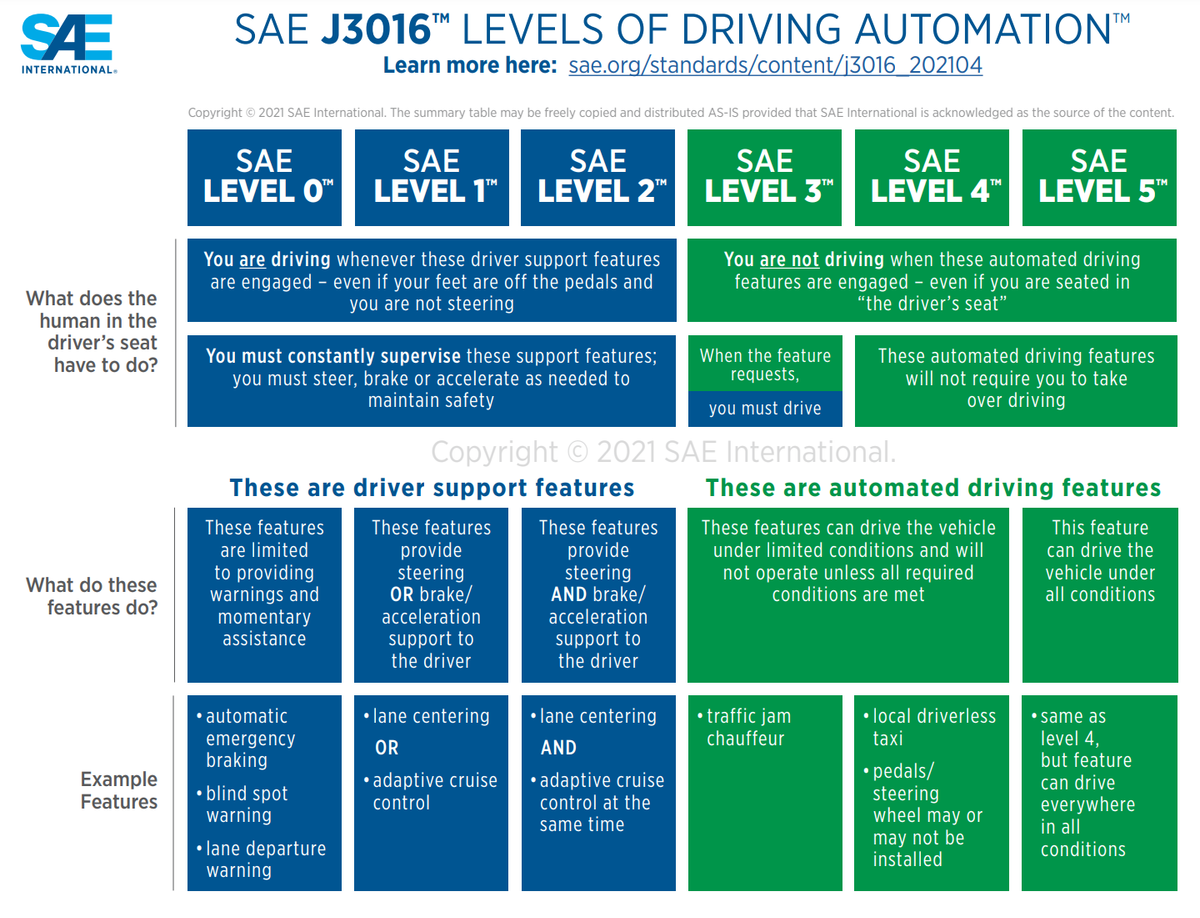
- Level 0: No Automation – The human driver performs all driving tasks.
- Level 1: Driver Assistance – The vehicle can assist with either steering or acceleration/deceleration, but not both simultaneously. Examples include adaptive cruise control or lane keeping assistance. The human driver is responsible for monitoring the driving environment.
- Level 2: Partial Automation – The vehicle can assist with both steering and acceleration/deceleration simultaneously. Features like Tesla’s Autopilot or General Motors’ Super Cruise fall into this category. The human driver must remain engaged and ready to take control at any moment.
- Level 3: Conditional Automation – The vehicle can perform all driving tasks under specific conditions (e.g., highway driving). The human driver is not required to monitor the environment continuously but must be ready to intervene when prompted by the system. This "handoff problem" has proven particularly challenging.
- Level 4: High Automation – The vehicle can perform all driving tasks and monitor the driving environment under limited conditions (e.g., within a geofenced area, specific weather). In these operational design domains (ODDs), the vehicle can handle unexpected events and does not require human intervention. If the system encounters a situation beyond its ODD, it will either safely pull over or prompt the human to take over, with a safe fallback option if the human fails to respond. Companies like Waymo and Cruise operate Level 4 services in select cities.
- Level 5: Full Automation – This is the ultimate goal: the vehicle performs all driving tasks under all road conditions and environmental circumstances, equivalent to a human driver. No human intervention is ever required, and the vehicle can operate anywhere a conventional car can, barring extreme natural disasters.
The distinction between Level 4 and Level 5 is critical. While Level 4 systems are making incremental progress in controlled environments, Level 5 demands an unprecedented level of artificial intelligence, sensor robustness, and decision-making capability to navigate the infinite variability of real-world driving without any human oversight. This includes navigating unmapped construction zones, interacting with unpredictable pedestrians and cyclists, understanding nuanced police hand signals, or driving safely through heavy rain, snow, or dense fog.
The Contenders: Jeff Atwood and John Carmack
The participants in this wager bring unique perspectives shaped by their distinguished careers in technology.
Jeff Atwood, through his "Coding Horror" blog, has long been a voice for practical software development and a keen observer of technological trends. He co-founded Stack Overflow, a cornerstone resource for developers worldwide, and has consistently advocated for robust, well-engineered solutions over hype. His skepticism regarding the 2030 timeline for Level 5 autonomy stems from a deep understanding of the complexities of software engineering and the challenges of achieving true artificial intelligence in unpredictable real-world scenarios. Atwood explicitly states his belief that "everyone is underestimating how difficult fully autonomous driving really is." While he expresses personal desire for such technology, envisioning a future where he can read or relax instead of driving, his professional assessment leans towards a longer development horizon. This aligns with his past positions, such as his notable pessimism regarding virtual reality’s immediate world-changing potential, which he believes will be overshadowed by augmented reality and projection technologies in the near term.
John Carmack represents a different facet of the tech world: the relentless innovator and problem-solver who has consistently pushed boundaries. From revolutionizing 3D graphics in video games with id Software to pioneering virtual reality technology at Oculus and Meta, Carmack has a track record of achieving what many deemed impossible. His current focus on artificial general intelligence (AGI) further underscores his belief in the rapid advancement of AI capabilities. Carmack’s optimism about Level 5 autonomy by 2030 likely derives from his faith in exponential technological progress, particularly in machine learning, sensor fusion, and computational power. For Carmack, challenges are problems to be solved, and he has a history of contributing to their solutions. The wager itself was suggested by Carmack, illustrating his confidence and his desire to spark public interest and STEM discussion around this ambitious goal. Atwood affectionately refers to Carmack as "one of my biggest heroes," highlighting the mutual respect underlying this intellectual sparring match.

The Current Landscape of Autonomous Driving: A Reality Check
As of early 2020s, the autonomous vehicle industry is a complex tapestry of significant investment, technological breakthroughs, and considerable setbacks. While billions of dollars have been poured into research and development by tech giants and automotive manufacturers alike, true Level 5 autonomy remains elusive.
- Level 2 Systems: Most commercially available "self-driving" features today are Level 2, requiring active human supervision. Tesla’s "Full Self-Driving" (FSD) Beta, despite its name, is a sophisticated Level 2 system that assists with steering, acceleration, and braking, but demands the driver’s full attention and readiness to intervene. Its deployment has faced scrutiny regarding safety and capability, particularly in handling unexpected scenarios.
- Level 4 Deployments: Companies like Waymo (an Alphabet subsidiary) and Cruise (a General Motors subsidiary) have made the most significant strides in Level 4 automation. Waymo operates fully driverless robotaxi services in limited geofenced areas of Phoenix, San Francisco, and Los Angeles. Cruise also operated in San Francisco and Houston but faced significant operational challenges and regulatory suspensions in late 2023, following an incident involving a pedestrian, leading to a major re-evaluation of their deployment strategy and a temporary halt of driverless operations. These Level 4 systems function reliably within their defined operational domains, which include specific road types, weather conditions, and times of day. However, they are still far from operating "anywhere, anytime."
- Industry Consensus: The broader industry consensus suggests that Level 5 autonomy is a much longer-term goal. Many experts believe that achieving true Level 5, especially for commercial availability in diverse major urban environments, may be decades away, if not fundamentally impossible without a breakthrough in artificial general intelligence that mirrors or surpasses human cognitive abilities. The "last mile" problem – handling the infinite edge cases and unpredictable variables in complex urban environments – has proven far more difficult than initially anticipated.
Challenges on the Road to Level 5
The path to Level 5 autonomy is fraught with technical, regulatory, ethical, and societal hurdles.
- Technical Complexity:
- Perception: Autonomous vehicles rely on an array of sensors (cameras, LiDAR, radar, ultrasonic) to perceive their surroundings. Achieving robust perception in all weather conditions (heavy rain, snow, fog), varying light conditions (dusk, dawn, direct sunlight), and against visual obstructions (reflections, glare) is an immense challenge. Distinguishing between a plastic bag and a child, or interpreting nuanced human gestures, remains incredibly difficult.
- Decision-Making: The software must make instantaneous, safe, and legally compliant decisions in complex scenarios. This involves predicting the behavior of other road users (drivers, pedestrians, cyclists), navigating construction zones, responding to emergency vehicles, and handling unexpected events like debris in the road or sudden lane closures. "Common sense" reasoning, which humans apply instinctively, is exceedingly hard to program.
- Mapping: While high-definition maps are crucial for current AVs, maintaining and updating these maps globally in real-time for Level 5 operation is a monumental task.
- Hardware Robustness: The physical components – sensors, computing platforms, actuators – must be fail-safe, redundant, and capable of operating reliably for years in harsh automotive environments.
- Regulatory Framework: A unified federal regulatory framework for autonomous vehicles is largely absent in the U.S. Instead, a patchwork of state-level regulations exists, creating inconsistencies and complicating broad deployment. Establishing clear standards for testing, certification, liability, and operation across all states and municipalities is a prerequisite for widespread commercial availability.
- Ethical Considerations: The "trolley problem" is a classic ethical dilemma in AVs: in an unavoidable accident, how should the car be programmed to minimize harm? Should it prioritize its occupants, other vehicles, or pedestrians? These are complex moral questions with no easy answers, and public acceptance hinges on clear, transparent ethical guidelines.
- Public Acceptance and Trust: High-profile accidents involving autonomous vehicles, even when human error is a factor, erode public trust. For Level 5 vehicles to be commercially viable, the public must have unwavering confidence in their safety and reliability. Overcoming skepticism and building trust will require years of flawless operation and transparent communication.
- Cost and Scalability: The current cost of Level 4 autonomous vehicle hardware (LiDAR units alone can be tens of thousands of dollars) makes widespread commercial deployment challenging. Reducing these costs significantly while maintaining safety and performance is essential for scalability.
The Stakes Beyond the Bet: Implications for the Future
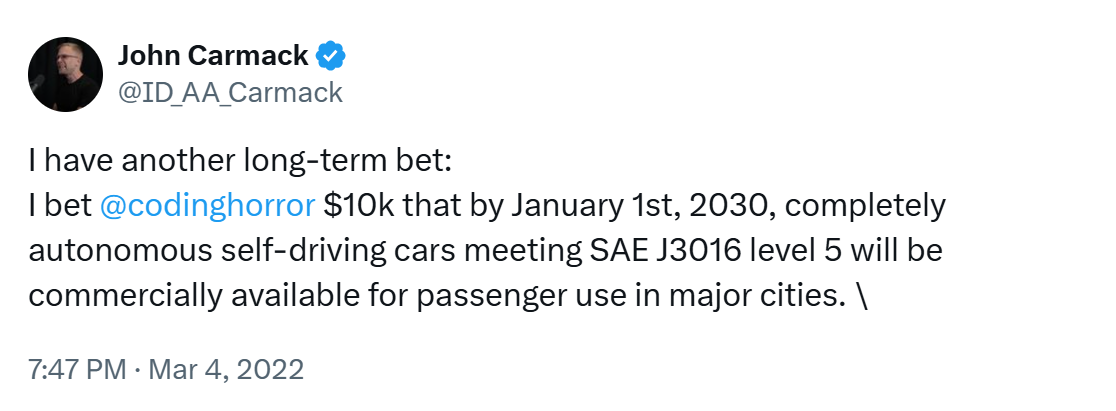
While the $10,000 wager itself is a relatively modest sum for these tech luminaries, its symbolic value is immense. It encapsulates a broader debate within the tech industry and society at large about the pace of technological progress and the feasibility of ambitious timelines.
- Investment and Innovation: The outcome of this bet, or even the discourse it generates, could influence investment trends in the autonomous vehicle sector. A perceived slowdown in Level 5 development could shift focus towards more incremental Level 3 or 4 advancements, or even other transportation solutions. Conversely, unexpected breakthroughs could accelerate investment.
- Public Perception: Such public wagers draw attention to complex technological challenges, encouraging a more informed public dialogue about what is truly achievable and when. It frames the development of AVs not just as an engineering problem but as a grand challenge that requires interdisciplinary effort.
- Benchmarking Progress: The bet serves as a clear benchmark. Come 2030, the industry will have a definitive, publicly stated metric to evaluate against. This accountability can be a powerful motivator for researchers and developers.
- Atwood’s Broader Skepticism: Atwood’s simultaneous expression of pessimism regarding virtual reality further contextualizes his stance on Level 5 autonomy. It suggests a pattern of caution towards technologies that promise revolutionary change within short, aggressive timelines, advocating instead for a more measured and realistic assessment of their readiness and societal impact. His preference for AR and projection technologies over VR for "changing the world" speaks to his belief in technologies that integrate more seamlessly with the real world rather than replacing it.
- Carmack’s Enduring Optimism: Carmack’s willingness to make such a bet reinforces his reputation as a visionary who believes in the power of human ingenuity and technological advancement to overcome seemingly insurmountable obstacles. His career is a testament to the idea that with enough dedication and intelligence, difficult problems can be solved.
The outcome of the Atwood-Carmack wager will not merely determine a charity recipient; it will offer a powerful real-world data point on the state of autonomous vehicle development and the accuracy of technological forecasting. Whether the world will be navigating its major cities in fully driverless Level 5 cars by 2030 remains one of the most compelling questions for the coming decade, a challenge that both excites and daunts the brightest minds in technology. As Atwood himself puts it, he hopes to be proven wrong, ready to pop champagne alongside everyone else if the industry achieves this ambitious goal. The journey to 2030 will be a testament to human innovation and the relentless pursuit of technological frontiers.
About the Author