
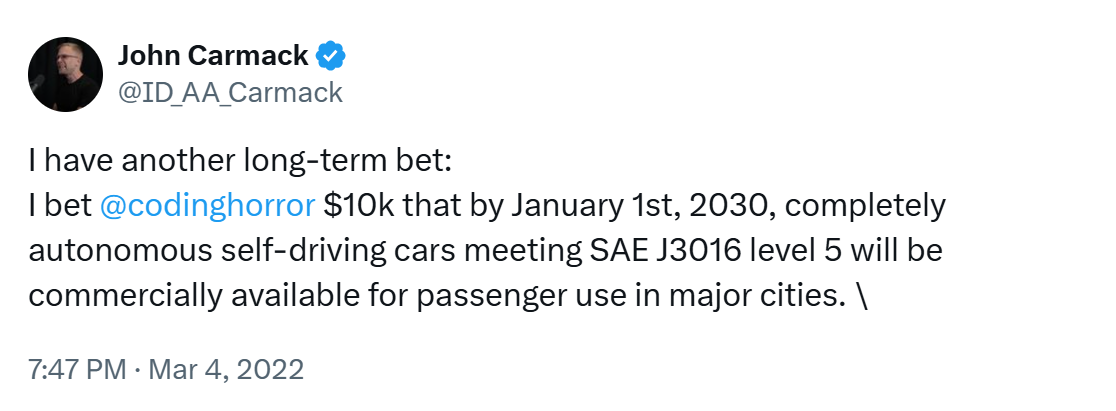
In a move that has captured the attention of the technology and automotive industries, renowned software developer and blogger Jeff Atwood, creator of Coding Horror and co-founder of Stack Overflow, has publicly announced a friendly, yet significant, $10,000 bet with legendary game programmer and AI expert John Carmack. The wager centers on the commercial availability of completely autonomous, SAE J3016 Level 5 self-driving cars for passenger use in major U.S. cities by January 1st, 2030. Atwood, known for his incisive commentary on software development and technology trends, is betting against this ambitious timeline, while Carmack, a pioneer in 3D graphics and virtual reality, is betting in favor. The sum, subject to inflation adjustment, will be donated to a 501(c)(3) charity of the winner’s choice, adding a philanthropic dimension to this high-stakes technological prediction.
The Specifics of the Autonomous Challenge
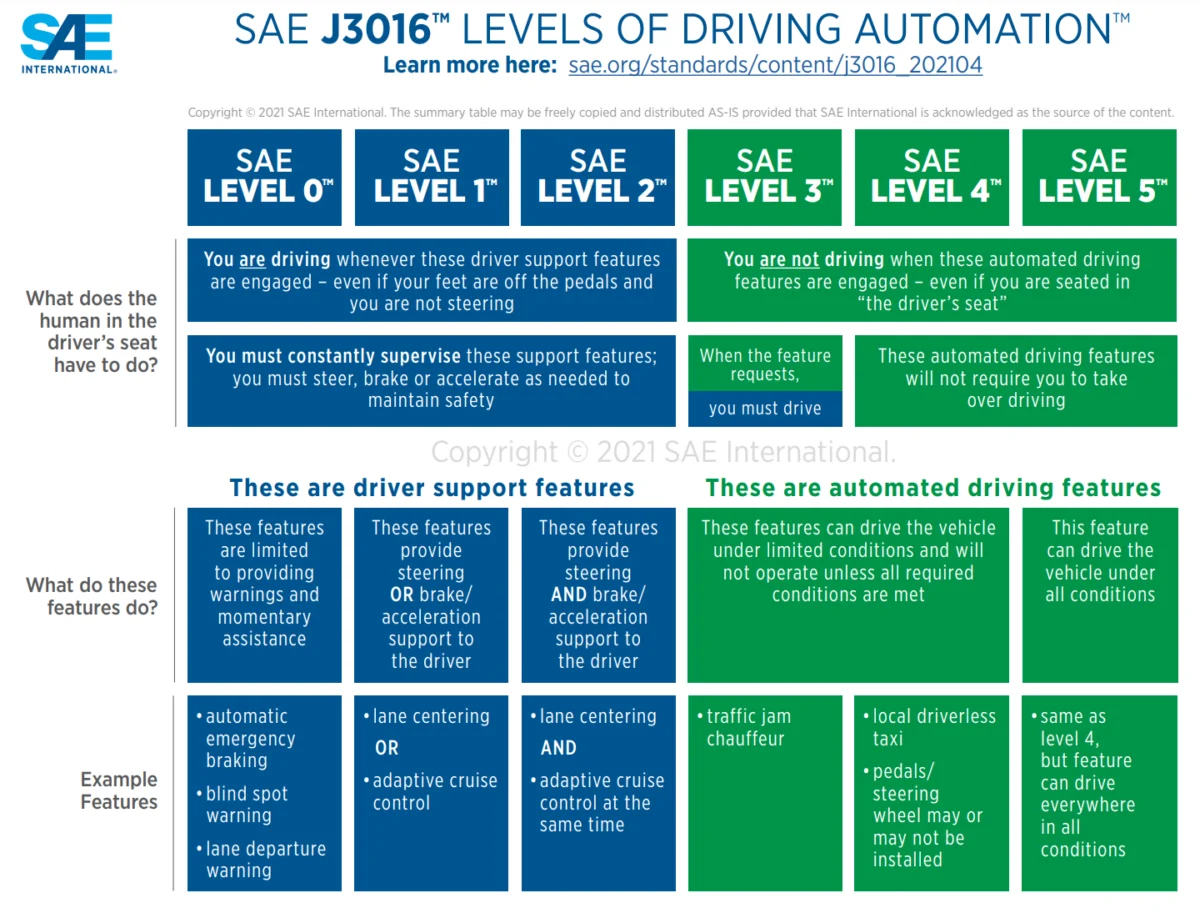
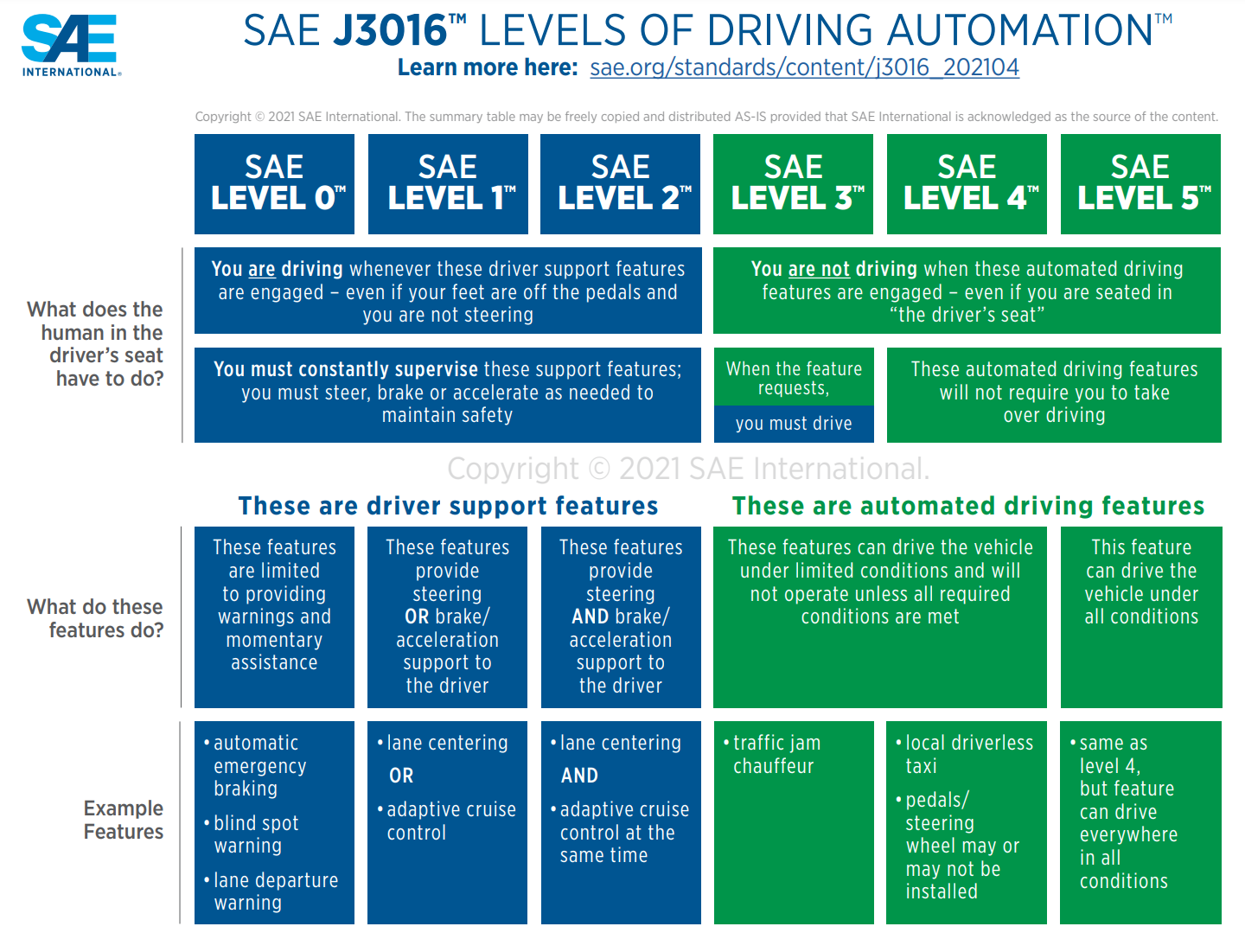
The core of the bet hinges on a precise definition of "completely autonomous" as outlined by the Society of Automotive Engineers (SAE) J3016 Level 5 standard. This highest level of automation signifies a vehicle capable of performing all driving tasks under all conditions, without any human intervention whatsoever. The only exceptions stipulated are natural disasters or emergencies that would render any driving impossible. Essentially, a human passenger would enter the vehicle, select a destination, and require zero attention or interaction during the entire journey. This distinguishes Level 5 significantly from lower levels, such as Level 2 (partial automation, requiring driver supervision), Level 3 (conditional automation, requiring driver readiness to intervene), or even Level 4 (high automation, self-driving within specific operational design domains, ODDs).
Furthermore, the wager specifies that these Level 5 vehicles must be "commercially available for passenger use in major cities." For the purpose of the bet, "major cities" are defined as any of the top 10 most populous cities in the United States. This includes metropolitan behemoths like New York City, Los Angeles, Chicago, Houston, and Philadelphia, all of which present unique and formidable challenges for autonomous systems due to their complex traffic patterns, diverse infrastructure, and varying weather conditions. The requirement of commercial availability implies widespread accessibility, not just experimental deployments or limited pilot programs.
The Minds Behind the Wager: Atwood vs. Carmack
The participants in this bet are not merely casual observers of the tech world; they are titans who have profoundly shaped modern computing. Jeff Atwood, through his popular blog Coding Horror and his instrumental role in creating Stack Overflow, has educated and influenced generations of programmers. His perspective often blends deep technical insight with a pragmatic understanding of real-world implementation challenges. Atwood’s skepticism regarding Level 5 autonomy by 2030 stems from his belief that the industry is "underestimating how difficult fully autonomous driving really is." He emphasizes the incredible complexity of the computer science problem at hand, despite his personal desire for the convenience autonomous vehicles promise. He views the bet as a challenge, an encouragement for innovators to "prove me wrong."
On the other side, John Carmack is a legendary figure, best known for co-founding id Software and pioneering revolutionary 3D graphics engines that powered iconic games like Doom and Quake. His career has consistently pushed the boundaries of what’s technically possible, moving from gaming to rocket science at Armadillo Aerospace and later to virtual reality as CTO of Oculus VR. Carmack’s consistent track record of innovation and his deep involvement in cutting-edge AI and hardware development likely inform his optimistic outlook on Level 5 autonomy. His willingness to take the "for" side of the bet reflects a conviction that the technological hurdles, however immense, are surmountable within the given timeframe. This public wager, initiated by Carmack, is framed as a "fun way to generate STEM publicity," underscoring his continued commitment to technological advancement and public engagement.
The Current State of Autonomous Driving: A Reality Check
As of early 2020s, the autonomous vehicle industry has made significant strides, yet remains far from Level 5. Companies like Waymo (an Alphabet subsidiary), Cruise (majority-owned by GM), and Mobileye (an Intel company) have deployed limited Level 4 services in specific operational design domains (ODDs), primarily in cities with favorable conditions such as Phoenix, San Francisco, and Austin. These deployments often operate within geofenced areas, under specific weather conditions, and sometimes with remote human supervision. Tesla, while a prominent player, primarily offers advanced Level 2 systems (like Autopilot and Full Self-Driving Beta) that still require active driver supervision and are not considered truly autonomous by the SAE definitions for Level 3 or higher.
The journey from Level 2 to Level 5 is not merely incremental; it involves overcoming exponential increases in complexity. Level 4 vehicles can operate independently within defined parameters, but a human driver is still expected to take over outside these domains. Level 5, however, implies universal autonomy, meaning the car can handle any driving scenario a human driver could, under any legal driving conditions, without human intervention. This includes navigating unmapped roads, reacting to unpredictable human behavior, understanding nuanced social cues on the road, and operating flawlessly in extreme weather like heavy snow or torrential rain, which currently pose significant challenges for sensor arrays and AI perception systems.
Technical Hurdles: The Unseen Complexities

Achieving Level 5 autonomy by 2030 presents a formidable array of technical challenges:
- Perception and Sensor Fusion: Vehicles need to accurately perceive their environment using a combination of cameras, radar, lidar, and ultrasonic sensors. Fusing data from these disparate sources to create a coherent, real-time 3D model of the world, especially in adverse conditions (fog, heavy rain, glare, snow), remains a critical hurdle. The system must also accurately identify and classify an infinite variety of objects – from pedestrians and cyclists to fallen debris and unusual road hazards.
- Prediction and Decision-Making: Beyond perception, the AI must predict the actions of other road users, including human drivers, pedestrians, and animals, who often behave unpredictably. This requires sophisticated predictive algorithms and a deep understanding of human psychology in dynamic environments. The decision-making process must be robust, safe, and ethically sound, capable of navigating complex moral dilemmas in accident scenarios.
- Edge Cases (Corner Cases): This is perhaps the most difficult problem. Autonomous systems struggle with "edge cases"—rare, unusual, or unforeseen situations that haven’t been explicitly programmed or extensively trained on. These could range from an unexpected construction zone to an animal darting into the road, or even a police officer directing traffic in an unconventional manner. The sheer number of potential edge cases in real-world driving is astronomical, making it nearly impossible to test for every single one.
- Software Robustness and Validation: The software stack for a Level 5 vehicle is astronomically complex, involving millions of lines of code. Ensuring its absolute reliability, security, and safety is an immense undertaking. Validation and verification in a myriad of real-world scenarios, far beyond what can be simulated, is an ongoing challenge.
- Mapping and Localization: While high-definition maps are crucial for current autonomous systems, Level 5 implies operation even in unmapped territories or dynamic environments where maps quickly become outdated. The vehicle must be able to localize itself precisely and continuously, even when GPS signals are weak or unavailable.
- Regulatory and Legal Frameworks: Beyond the technical, achieving Level 5 requires a harmonized regulatory framework across states and potentially countries. Liability in the event of an accident with a fully autonomous vehicle is still a complex legal quagmire that needs resolution. Public trust and acceptance also play a critical role; widespread adoption will depend on demonstrating impeccable safety records.
The Broader Context: A History of Ambitious Tech Predictions
The bet between Atwood and Carmack fits into a long tradition of ambitious technological predictions and public wagers that often serve to highlight the cutting edge of innovation. From the early days of computing to the internet boom, experts have frequently debated the timelines for transformative technologies. Some predictions, like the widespread adoption of smartphones, arrived faster than anticipated; others, like truly ubiquitous artificial intelligence or fusion power, have proven far more elusive.
Atwood himself has a history of strong opinions on emerging technologies. He noted in his announcement that his "take on VR is far more pessimistic," stating that VR "isn’t going to happen, in any ‘changing the world’ form, in our lifetimes," preferring AR and projection technologies. This contrasting view on VR versus self-driving cars highlights the nuanced and often challenging nature of technological forecasting, even for those deeply immersed in the field. Such public declarations, while sometimes proven wrong, serve an important function: they stimulate debate, encourage research, and provide benchmarks against which progress can be measured.
Potential Implications of Reaching (or Missing) the 2030 Goal
Should John Carmack win the bet, and Level 5 autonomous vehicles become commercially available in major U.S. cities by 2030, the implications would be profound and far-reaching:
- Transportation Revolution: It would fundamentally reshape urban planning, public transportation, and personal mobility. Traffic congestion could be significantly reduced, parking needs transformed, and commuting patterns altered.
- Safety Improvements: With human error eliminated, accident rates could plummet, saving countless lives and reducing injuries.
- Economic Impact: Entire industries, from trucking and logistics to ride-sharing and car ownership models, would undergo massive disruption and transformation. New business models would emerge.
- Societal Changes: People would regain significant amounts of time previously spent driving, leading to new opportunities for productivity, leisure, or rest during commutes. Mobility for the elderly and disabled would be dramatically enhanced.
Conversely, if Jeff Atwood’s skepticism proves correct, and Level 5 autonomy remains out of reach for commercial deployment by 2030, it would signal a more gradual, perhaps even plateaued, progression in the field. This outcome would necessitate a re-evaluation of current strategies, a deeper understanding of the inherent limitations, and potentially a shift in focus towards more achievable, lower-level automation solutions for the foreseeable future. It would also likely underscore the "underestimation" of the problem’s complexity that Atwood articulated.
The Road Ahead: A Call to Innovation
Regardless of the bet’s outcome, the public wager between Jeff Atwood and John Carmack serves as a powerful catalyst for discussion and innovation. It frames the quest for Level 5 autonomous driving not just as an engineering challenge, but as a public endeavor with a clear deadline. The $10,000 charity component underscores the friendly and constructive spirit of the challenge, aiming to foster progress rather than merely predict it. As the industry continues to pour billions into research and development, the next six years will be critical in determining whether the vision of truly driverless cars, operating universally and commercially, can transition from an ambitious dream to a tangible reality. The world will be watching to see if the technological prowess and ingenuity of humanity can overcome what many consider one of the most complex AI and robotics challenges of our time.
About the Author







