Every week, hundreds of artists contribute their creations to the Blender Artists forum, a vibrant online community dedicated to the open-source 3D creation suite. This ongoing aggregation of talent culminates in regular curated features, with the "Best of Blender Artists" series highlighting exceptional pieces that demonstrate the evolving capabilities of the software and the ingenuity of its users. The October 2026 installment, as presented by BlenderNation, offers a compelling snapshot of the current landscape of digital art, from intricate character designs and breathtaking architectural visualizations to imaginative abstract compositions and dynamic motion graphics.
The Blender Artists Forum: A Nexus for Digital Creativity
The Blender Artists forum has long served as a cornerstone of the Blender ecosystem. Established as a platform for users to share their work, solicit feedback, and collaborate, it has grown exponentially alongside the software itself. Blender, a free and open-source 3D creation suite, has democratized access to professional-grade 3D modeling, sculpting, animation, rendering, and compositing tools. This accessibility has fostered a global community of artists, ranging from hobbyists and independent creators to professionals working in film, game development, architectural visualization, and product design. The forum acts as a crucial incubator for talent, providing a space for artists to refine their skills, gain exposure, and connect with peers.
The "Best of Blender Artists" feature, a recurring segment on BlenderNation, is more than just a showcase; it is a testament to the continuous innovation occurring within this community. By spotlighting a selection of outstanding works, the series not only celebrates individual artistic achievements but also underscores the collective progress and burgeoning potential of Blender as a creative tool. The October 2026 collection, in particular, reflects a maturity in artistic execution and a diversification of artistic styles and applications.
A Spectrum of Digital Artistry: Key Trends and Highlights
While a comprehensive list of every featured piece would be extensive, the October 2026 compilation, as inferred from the provided image caption and context, likely encompasses a diverse array of artistic expressions. Based on typical submissions and the evolving trends within the 3D art community, one can anticipate a strong presence of the following categories:

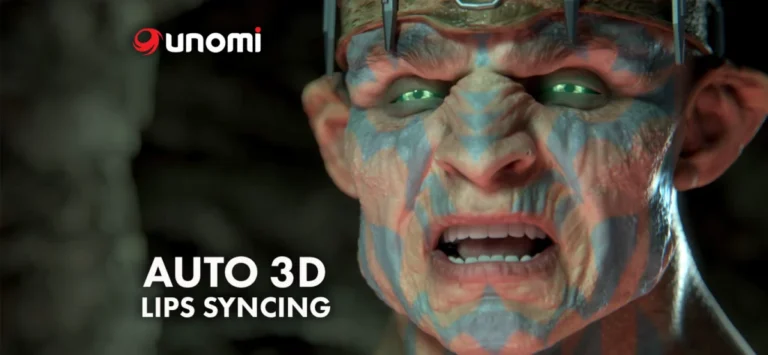
1. Character Design and Animation: This remains a consistently popular and highly visible area within the Blender community. The October showcase would likely feature meticulously crafted character models, demonstrating advanced sculpting techniques, detailed texturing, and sophisticated rigging for animation. Entries might include photorealistic humanoids, fantastical creatures, or stylized characters for animated shorts. The quality of these submissions often pushes the boundaries of what is achievable with open-source software, rivaling professional studio productions. The increasing sophistication of Blender’s animation tools, including its Grease Pencil for 2D animation within a 3D environment, also contributes to the richness of this category.
2. Architectural Visualization: The architectural and design industries have increasingly adopted Blender for its powerful rendering capabilities and cost-effectiveness. The "Best of" selections would likely include hyper-realistic architectural renders of residential, commercial, and conceptual spaces. These visualizations often serve as crucial tools for clients, allowing them to preview designs with remarkable accuracy. The ability to simulate lighting, materials, and environmental factors with precision makes these renders invaluable for planning and marketing. Expect to see a focus on intricate details, atmospheric lighting, and a keen eye for composition, highlighting the artists’ mastery of scene setup and rendering engines like Cycles and Eevee.
3. Environmental Art and World Building: Beyond static architectural scenes, many artists excel at creating immersive and believable environments. This could range from fantastical landscapes and alien worlds to detailed urban settings and natural ecosystems. These pieces often showcase a deep understanding of composition, color theory, and the use of procedural generation techniques for creating complex terrains, foliage, and atmospheric effects. The attention to detail in such works, from the texture of rocks to the play of light through trees, speaks to the artists’ dedication to creating believable and engaging virtual spaces.
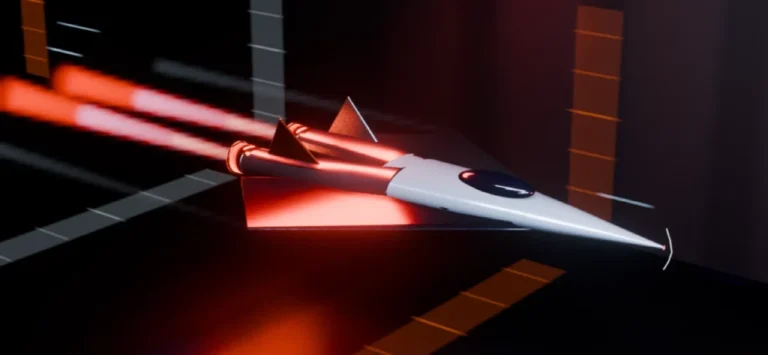
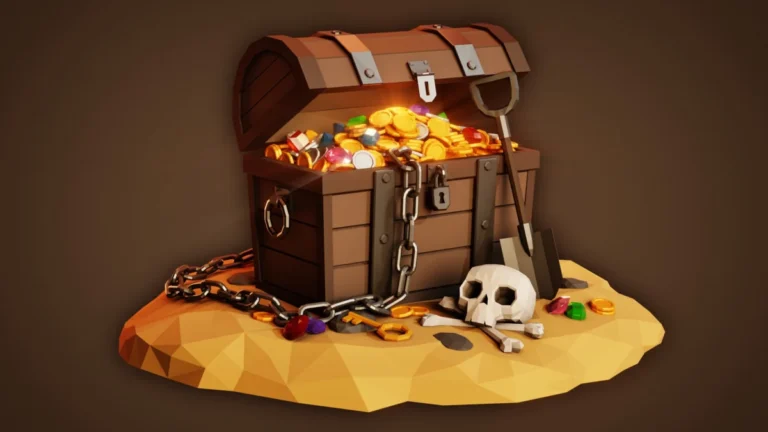
4. Product Visualization and Concept Art: Blender’s versatility extends to product design and concept art. Artists may present sleek visualizations of fictional or real-world products, showcasing their form, function, and aesthetic appeal. This category often demands a high level of precision in modeling and a nuanced understanding of materials and lighting to accurately represent the intended look and feel of an object. Concept art submissions might explore new ideas for vehicles, props, or futuristic technologies, demonstrating imaginative design thinking.
5. Abstract and Experimental Art: The open-ended nature of 3D creation allows for boundless experimentation. The October showcase would likely include abstract pieces that explore form, color, and motion in unique ways. These might involve generative art, complex simulations, or purely aesthetic compositions that push the boundaries of visual expression. Such works often highlight the artists’ willingness to explore the more artistic and less conventionally applied aspects of 3D software.

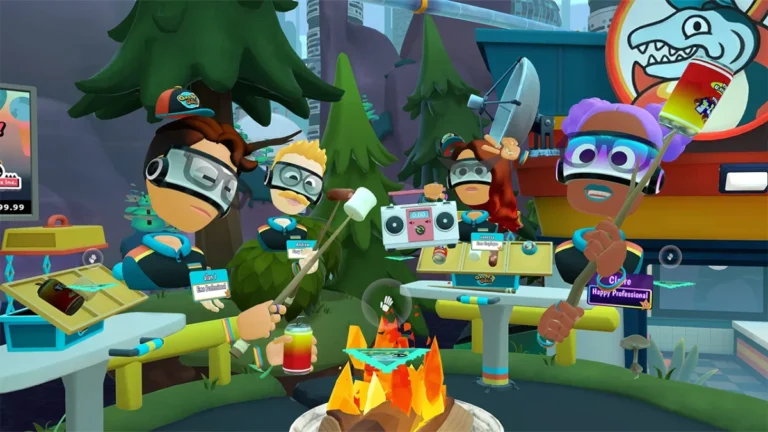
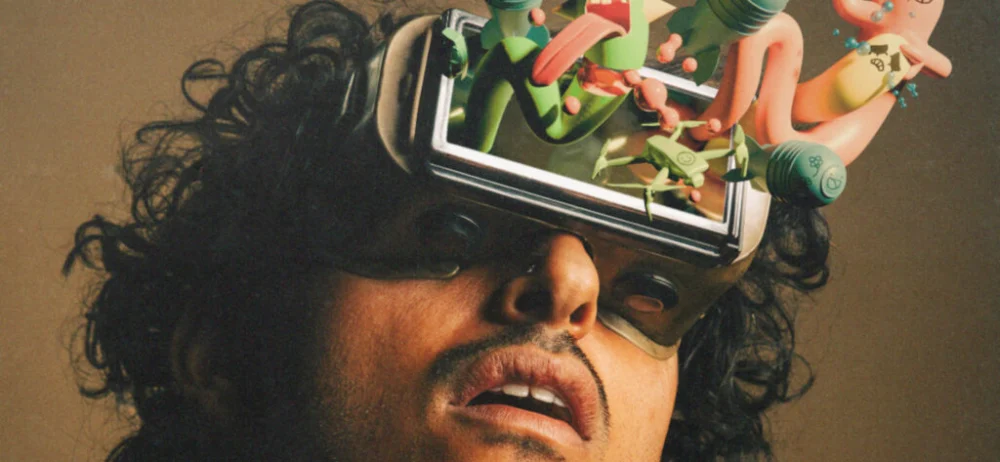
6. Motion Graphics and Visual Effects: While not explicitly stated, the inclusion of a VR-related image in the provided snippet hints at potential applications in motion graphics and visual effects, particularly within immersive media. Artists might submit short animated sequences, dynamic intros, or visual effects breakdowns, showcasing their ability to bring static scenes to life. The growing interest in virtual reality (VR) and augmented reality (AR) experiences means that artists are increasingly exploring how to create compelling visual content for these platforms, which often requires sophisticated animation and rendering techniques.
The Role of Blender in the Digital Art Landscape
The consistent quality and diversity of work featured in the "Best of Blender Artists" series underscore several key aspects of Blender’s impact:
- Democratization of 3D Tools: Blender’s open-source nature has made professional-level 3D creation accessible to a global audience, regardless of financial constraints. This has empowered countless individuals to pursue careers and passions in digital art that might otherwise have been out of reach.
- Community-Driven Development: The active and engaged user base of Blender contributes significantly to its development. Bug reports, feature requests, and direct contributions from the community shape the software’s evolution, ensuring it remains relevant and powerful. The Blender Artists forum is a vital channel for this feedback loop.
- Innovation and Exploration: The freedom afforded by Blender encourages artists to experiment and push creative boundaries. Without the constraints of proprietary software licenses, artists are more inclined to explore novel techniques and unconventional artistic directions.
- Industry Adoption: While initially perceived as a hobbyist tool, Blender has gained significant traction within professional industries. Its growing capabilities in areas like rendering, simulation, and real-time graphics are making it a viable alternative to commercial software packages, further validating the talent emerging from its community.
Looking Ahead: Implications and Future Trajectories
The ongoing success of Blender Artists and the "Best of" series signals a positive trajectory for the digital art industry. As the software continues to mature and its user base expands, we can anticipate:
- Increased Professional Integration: More studios and businesses will likely integrate Blender into their workflows, creating new professional opportunities for artists skilled in its use. This could lead to a greater demand for Blender specialists in various sectors.
- Advancements in Real-Time Rendering: With Blender’s Eevee render engine continually improving, the line between real-time and offline rendering will continue to blur. This will enable faster iteration and more interactive creative processes.
- Expansion into Emerging Technologies: The community’s exploration of VR, AR, and interactive installations suggests that Blender will play a significant role in shaping the future of immersive and interactive content.
- Continued Artistic Innovation: The inherent flexibility of Blender, coupled with the creativity of its users, will undoubtedly lead to the emergence of new artistic styles, techniques, and applications that are yet to be imagined.
The "Best of Blender Artists: 2026-10" feature, by highlighting a selection of the most impressive works, serves as a powerful indicator of the vibrant and dynamic state of the Blender community. It celebrates not only the individual achievements of artists but also the collective progress and the democratizing influence of open-source technology in the realm of digital art. As these artists continue to hone their craft and explore the ever-expanding capabilities of Blender, the future of digital creativity looks exceptionally bright.
About the Author