The landscape of digital communication has undergone a profound transformation following Elon Musk’s acquisition of Twitter, now rebranded as X, marking a pivotal moment that has ignited widespread debate about the future of social platforms and the imperative for decentralized online communities. This period has been characterized by significant operational shifts, controversial policy changes, and a notable exodus of users and advertisers, prompting a critical re-evaluation of centralized control over public discourse. The rapid changes at the company have been interpreted by some, including prominent software developer Jeff Atwood, as a forceful demonstration of the inherent risks associated with platforms governed by a single, powerful entity, thereby inadvertently accelerating the conversation around more robust, user-empowering alternatives.
The Acquisition and Immediate Aftermath: A Turbulent Takeover
Elon Musk’s tumultuous acquisition of Twitter, finalized in October 2022 for approximately $44 billion, signaled the beginning of an unprecedented era for the platform. Initially driven by Musk’s stated ambition to create a "global town square" dedicated to "free speech absolutism," the takeover was met with a mix of anticipation and apprehension. Within weeks of the acquisition, the company experienced a series of drastic changes, including widespread layoffs that saw the workforce reduced by more than 50%, impacting critical engineering, trust and safety, and content moderation teams. This restructuring led to concerns about the platform’s stability, security, and ability to combat misinformation and hate speech effectively.

Musk’s early policy decisions further amplified these concerns. The rapid implementation of a paid verification system, Twitter Blue, which initially allowed anyone to purchase a blue checkmark, led to an immediate surge in impersonation and misinformation. High-profile incidents involved fake accounts mimicking major brands and public figures, causing significant reputational and financial damage. This policy was quickly revised, but the initial rollout damaged user trust and highlighted the challenges of rapid, top-down platform changes without extensive testing or community consultation. Data from the period immediately following the acquisition indicated a noticeable spike in hate speech and toxic content, as reported by various research groups and digital rights organizations, raising alarms about the platform’s commitment to safety and civil discourse.
Evolving Content Policies and User Experience
The evolution of content moderation policies under Musk’s leadership has been a central point of contention. The stated commitment to "free speech absolutism" has been interpreted by critics as a rollback of previous moderation efforts designed to curb hate speech, harassment, and misinformation. Notable decisions included the reinstatement of numerous previously banned accounts, some of which had been removed for violating severe content policies, further fueling concerns among civil society groups and human rights advocates. Metrics from organizations like the Center for Countering Digital Hate (CCDH) reported a significant increase in the visibility of hateful content and a perceived decline in the enforcement of platform rules against such material.
User experience has also been impacted by technical instabilities and a perceived degradation of the platform’s functionality. Reports of outages, slower loading times, and glitches became more frequent. Changes to the platform’s API access significantly affected third-party developers and researchers, limiting their ability to analyze platform trends, build complementary services, and monitor content, thereby hindering independent oversight and innovation within the Twitter ecosystem. Many long-time users expressed dissatisfaction with the altered user interface, the proliferation of paid content in their feeds, and the general shift in the platform’s culture, leading to a notable migration to alternative social networks.

The Economic Fallout: Advertisers and Valuation
The economic repercussions of these changes have been substantial. Advertisers, particularly major brands, reacted cautiously to the turbulent environment, citing concerns about brand safety and the potential association with controversial content. Reports from advertising industry groups and internal company documents indicated a significant decline in advertising revenue. By mid-2023, estimates suggested that X’s advertising revenue had plummeted by over 50% compared to pre-acquisition levels. Brands like General Motors, Pfizer, and United Airlines were among many that paused or significantly reduced their ad spending on the platform. This advertiser exodus underscored the delicate balance platforms must maintain between content moderation, brand safety, and user engagement.
The company’s valuation also suffered. Despite Musk’s initial $44 billion purchase, Fidelity, a major investor, marked down its stake in X multiple times, valuing the company at significantly less than the acquisition price. By late 2023, Fidelity estimated X’s value to be around $19 billion, reflecting a sharp decline of over 50%. This economic downturn highlighted the challenges of monetizing a platform amid declining trust and advertiser confidence, even for a figure as prominent as Elon Musk. The shift away from traditional advertising models, coupled with the slow uptake of premium subscription services like Twitter Blue, presented significant financial hurdles for the company.
The Rebranding to X and its "Everything App" Vision
In July 2023, Twitter underwent a radical rebranding, officially changing its name to X and replacing its iconic bird logo with a stylized ‘X’. This move was framed by Elon Musk as part of a broader vision to transform the platform into an "everything app" – a comprehensive digital utility offering a wide array of services beyond social networking, including payments, shopping, and advanced communication features, akin to China’s WeChat. Musk stated that the Twitter name was limiting and that X would become a global marketplace of ideas and services.
While the rebranding aimed to signal a bold new direction, it was met with mixed reactions. Many users expressed nostalgia for the Twitter brand and skepticism about the feasibility and necessity of such a broad transformation. The shift also raised complex legal and branding challenges, given the existing prevalence of "X" in various corporate and product names globally. The immediate impact of the rebranding on user engagement or revenue was not significantly positive, as the underlying platform issues and policy concerns persisted. Critics argued that the rebrand was more symbolic than substantive, failing to address the core problems that had led to the platform’s decline.
The Call for Decentralization: A Paradigm Shift
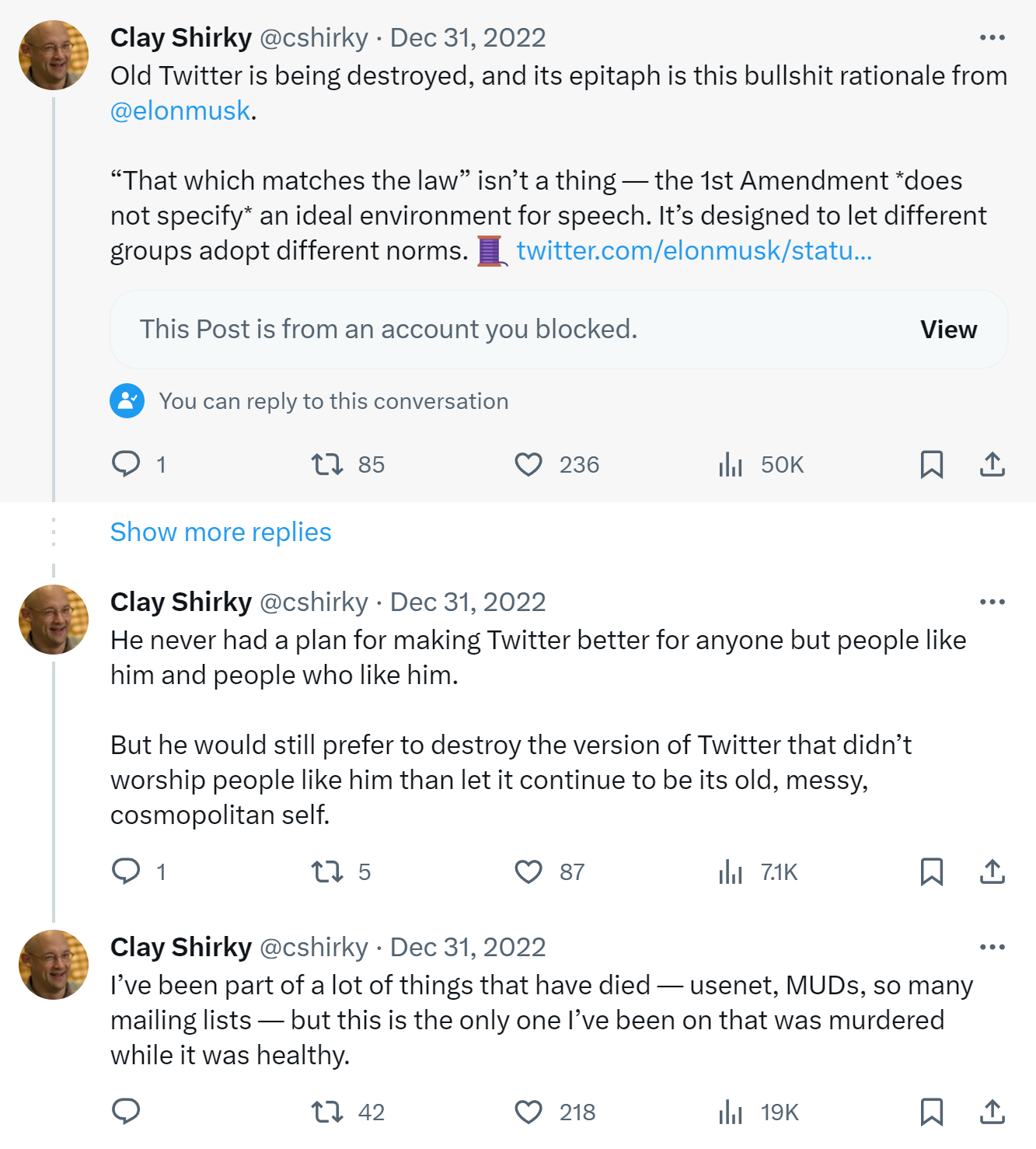
Amidst the turbulence at X, a powerful argument for decentralized social media has gained significant traction. Proponents, including Jeff Atwood, co-founder of Discourse and a long-time observer of online communities, argue that the events at X unequivocally demonstrate the inherent dangers of centralized platforms controlled by a single individual or corporation. This perspective posits that such centralization creates "platform risk," where users’ content, communities, and digital identities are entirely beholden to the whims, policies, and financial interests of the platform owner. The sudden shift in X’s policies, the erosion of content moderation, and the abrupt changes in functionality served as a stark warning against being a "digital sharecropper" – contributing content and value to a platform without true ownership or control.
The concept of collective ownership and user empowerment has emerged as a crucial counter-narrative. Decentralized platforms aim to distribute control, data, and decision-making across a network of users or independent entities, rather than concentrating it in a single corporate server. This model offers greater resilience against censorship, arbitrary policy changes, and single points of failure. The argument is not against all centralized services, but rather for the imperative of building robust, open, and federated alternatives that empower users with genuine control over their digital lives and communities.
Mastodon and the Federated Future
In the wake of X’s transformation, federated social networks like Mastodon have seen a significant surge in popularity. Mastodon, an open-source, decentralized platform, operates on the ActivityPub protocol, allowing users to join independent servers (instances) that can communicate with each other. This federated model contrasts sharply with the monolithic structure of platforms like X, offering users the choice of community, moderation policies, and software customizations. Data indicated a substantial increase in Mastodon’s user base following Musk’s takeover, with millions of new accounts created across various instances.
While Mastodon offers a compelling alternative, it presents its own set of challenges, particularly for users accustomed to the seamless experience of centralized platforms. The distributed nature requires users to understand concepts like instances, federation, and local moderation policies, which can be a barrier to entry for some. However, advocates argue that this "messiness" is a small price to pay for the benefits of autonomy, community-driven governance, and freedom from corporate whims. The growth of Mastodon underscores a broader movement towards open protocols and user-controlled digital spaces, suggesting a potential long-term shift in how online communities are designed and managed.
Broader Implications for Social Media and Digital Governance
The events surrounding X have profound implications for the broader social media landscape and the future of digital governance. They have highlighted the critical need for:
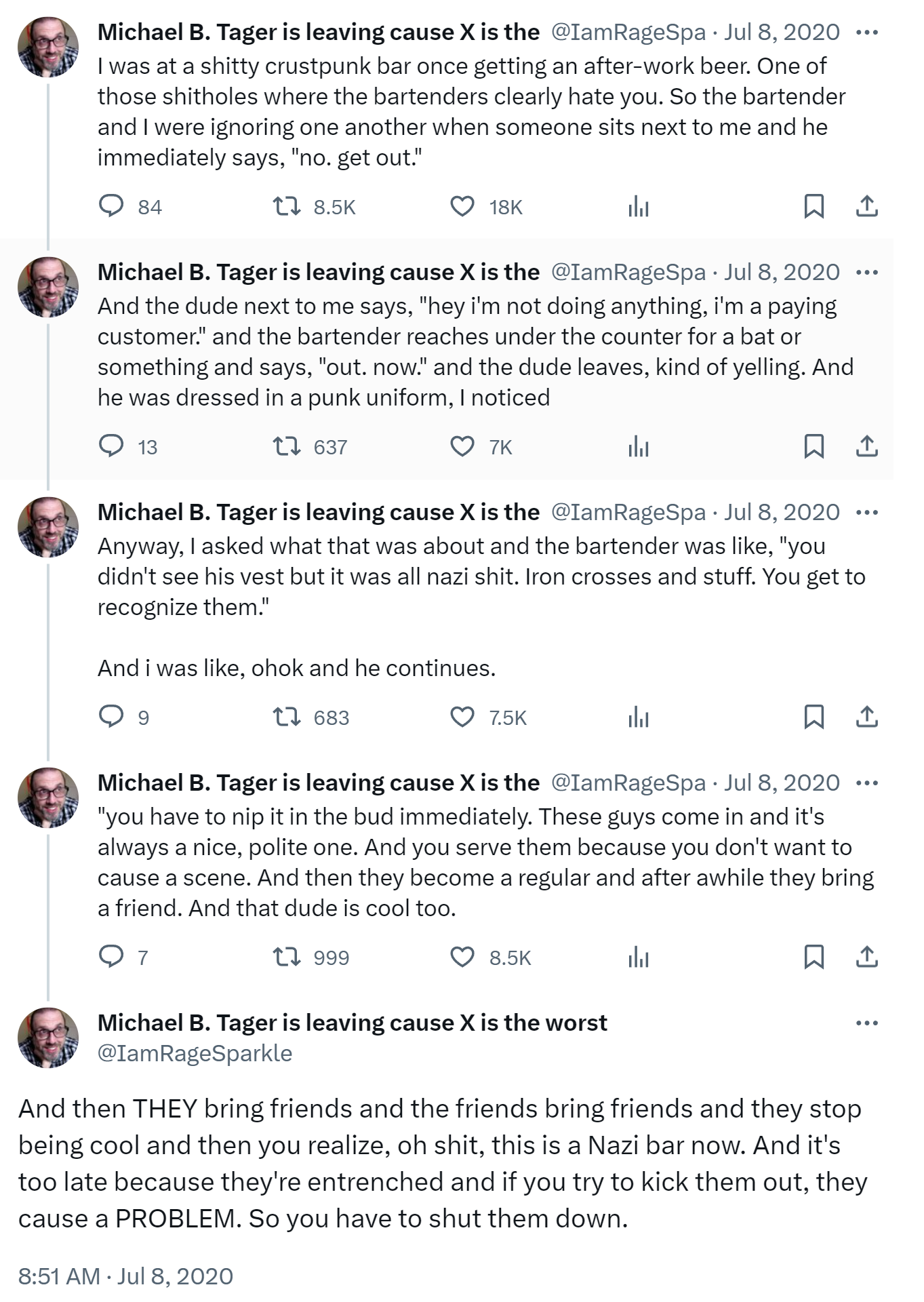
- Resilience and Redundancy: Relying on a single platform for global communication exposes society to significant risks if that platform becomes unstable or compromised.
- User Rights and Ownership: The debate has intensified calls for stronger digital rights, including data portability, content ownership, and the ability to exit a platform without losing one’s digital identity.
- Moderation and Free Speech: The tension between absolute free speech and the need to mitigate harm (e.g., hate speech, misinformation) remains a central challenge, with decentralized models offering diverse approaches to community-specific moderation.
- Economic Models: The decline of X’s advertising revenue has spurred exploration of alternative, sustainable economic models for social platforms, including subscriptions, donations, and collectively owned infrastructure.
The situation has also spurred other tech giants to explore or launch alternatives. Meta’s Threads, launched in mid-2023, directly aimed to capitalize on user dissatisfaction with X, quickly garnering tens of millions of users. While Threads is currently a centralized platform, Meta has expressed intentions to integrate it with the ActivityPub protocol, potentially bridging the gap between centralized and federated social media.
Community-Led Initiatives and User Empowerment
The advocacy for decentralized and user-empowering platforms extends beyond Mastodon. Projects like Discourse, co-founded by Jeff Atwood, embody the philosophy of collective ownership and robust moderation tools. Discourse focuses on creating civil, high-quality discussion forums where communities own their content and have significant control over their environment. This model emphasizes strong, transparent moderation frameworks that are decided by the community, not imposed by a distant corporation. Such initiatives demonstrate that it is possible to build vibrant online spaces that prioritize user empowerment and community health over advertising revenue or centralized control.
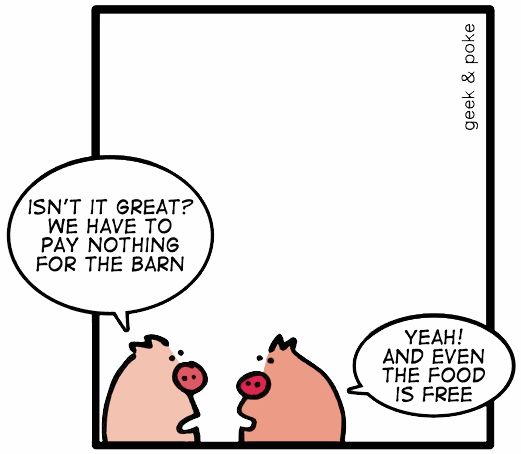
The core message from these developments is that "free" online services often come with hidden costs, primarily the relinquishing of control and data to the platform provider. A more mature understanding of the digital commons necessitates recognizing these trade-offs and actively seeking out or building services that align with principles of user agency and community self-governance.
Conclusion
The transformation of Twitter into X under Elon Musk’s ownership serves as a powerful case study in the vulnerabilities of centralized social media platforms. The drastic changes, operational instabilities, and economic downturn have not only reshaped one of the world’s most influential communication channels but have also galvanized a global conversation about the necessity of decentralization. While the path to a fully federated and user-empowered digital landscape is complex and fraught with challenges, the events at X have undoubtedly accelerated the movement towards alternatives. The emphasis on open-source solutions, federated protocols, and community-led governance represents a long-term vision for a more resilient, democratic, and user-centric internet, where the power is distributed rather than concentrated in the hands of a few. The ongoing evolution of social media will likely be defined by this fundamental tension between centralized control and decentralized empowerment, with the future leaning towards models that prioritize the collective well-being and autonomy of their users.
About the Author