

The acquisition of Twitter by Elon Musk in late 2022 marked a pivotal moment in the history of social media, initiating a period of profound transformation that has led many long-time users and observers to declare the platform’s effective demise. What was once widely regarded as a global digital town square, a real-time information network, and a crucial hub for public discourse, has, under its new ownership, undergone radical shifts in its operational philosophy, content moderation policies, and user experience, culminating in its rebranding as X. This dramatic overhaul has sparked widespread debate about the future of centralized social media platforms and reignited calls for decentralized alternatives.
A Tumultuous Takeover and Immediate Shifts
Elon Musk’s interest in acquiring Twitter first became public in early 2022, culminating in a $44 billion deal completed in October of that year. From the outset, Musk articulated a vision centered on "free speech absolutism," aiming to transform Twitter into a platform where all legal speech would be permitted, irrespective of its potential for harm or misinformation. This philosophy immediately signaled a departure from Twitter’s previous, albeit imperfect, attempts at content moderation, which had been increasingly scrutinized during the Trump administration and the COVID-19 pandemic for their role in combating disinformation and hate speech.
Upon taking the helm, Musk initiated a series of rapid and often controversial changes. One of the most immediate and impactful decisions was the drastic reduction of Twitter’s workforce. Thousands of employees, including many in critical engineering, trust and safety, and content moderation roles, were laid off or resigned. This mass exodus raised immediate concerns about the platform’s ability to maintain technical stability, secure user data, and effectively manage the vast amount of content posted daily. Reports of increased outages, glitches, and a perceived degradation of the user experience soon followed, corroborating these fears.
Another significant policy shift involved the verification system. The legacy blue checkmark, previously denoting authenticated accounts of public figures, journalists, and organizations, was replaced by a paid subscription service, "Twitter Blue" (later "X Premium"). This change, intended to democratize verification and generate revenue, inadvertently led to an increase in impersonation and misinformation, as anyone willing to pay could obtain a blue checkmark, blurring the lines between legitimate and fraudulent accounts. Critics argued this undermined the platform’s credibility and its utility as a reliable source of information.
Operational Upheaval and Advertiser Exodus
The operational upheaval extended beyond staffing. Twitter’s API (Application Programming Interface), which allowed third-party developers to build tools and services leveraging the platform’s data, was significantly restricted and monetized. This move crippled many popular third-party applications and hindered academic research into platform trends and behaviors, further alienating parts of the developer community and data scientists who relied on Twitter’s open data access.

Financially, the changes under Musk’s leadership proved challenging. A substantial number of advertisers, wary of the shifting content moderation policies, the rise of potentially harmful content, and the controversial rhetoric of the new owner, significantly reduced or entirely paused their spending on the platform. Major brands expressed concerns about their advertisements appearing alongside hate speech or misinformation, fearing reputational damage. This advertiser exodus led to a dramatic decline in revenue, reportedly slashing Twitter’s advertising income by more than half in the months following the acquisition. Musk himself acknowledged the severe financial pressures, stating that the company was facing a "massive drop in revenue" and was on a path to bankruptcy if trends did not reverse.
The platform’s valuation also plummeted. Fidelity, one of the institutional investors in Musk’s takeover bid, repeatedly marked down the value of its stake, indicating a significant depreciation of Twitter’s estimated worth from the original $44 billion acquisition price. This financial instability further underscored the deep challenges facing the company under its new direction.
Content Moderation and the "Town Square" Debate
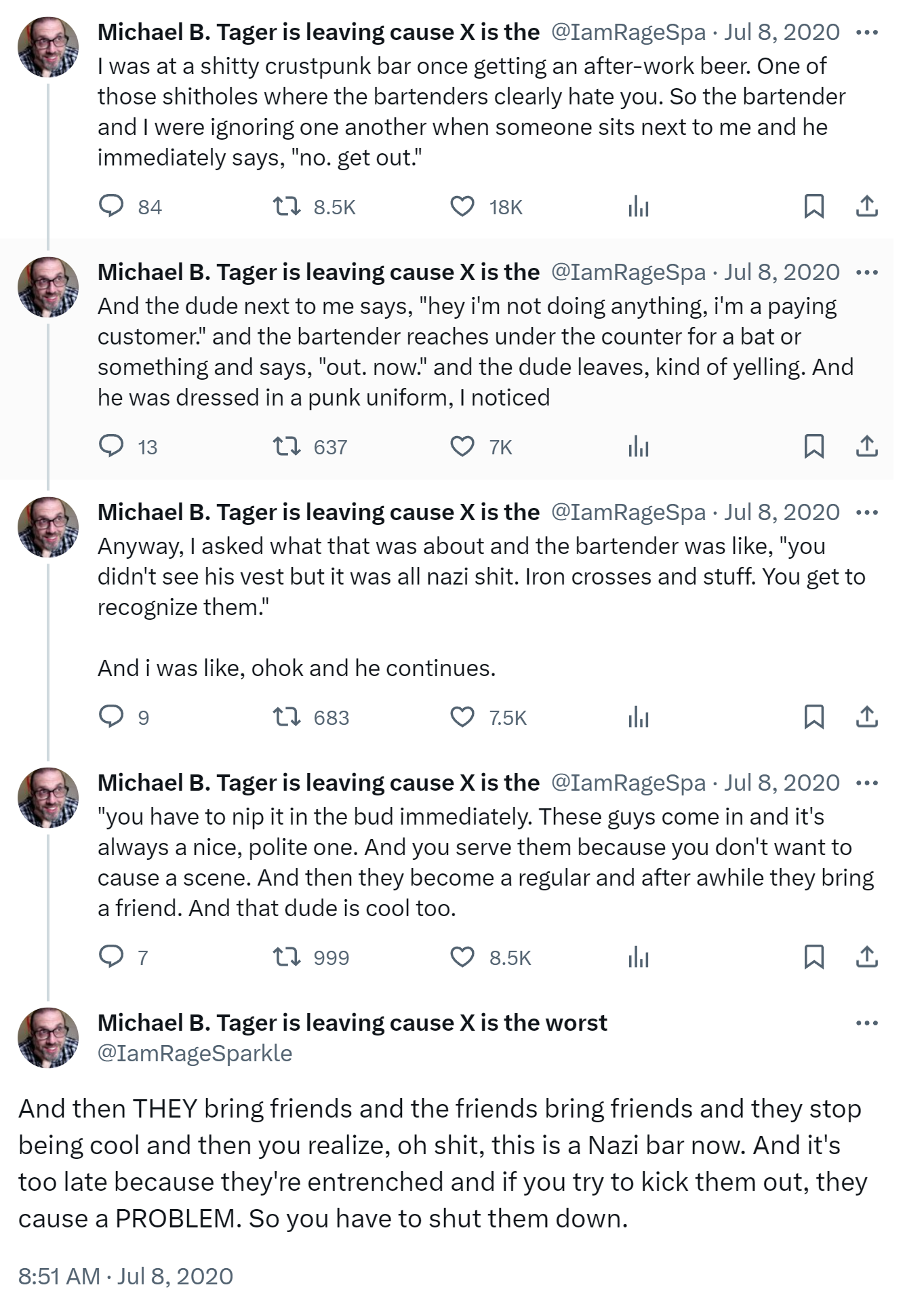
At the core of the transformation was a redefinition of content moderation. Musk reinstated numerous previously banned accounts, including controversial figures, based on his interpretation of "free speech." This policy shift, combined with the reduction in content moderation staff and the paid verification system, led to a documented increase in hate speech, antisemitism, and other forms of problematic content on the platform. Research from organizations like the Anti-Defamation League (ADL) and the Center for Countering Digital Hate (CCDH) reported significant surges in hateful rhetoric and harassment, raising alarms among civil society groups, users, and governments.
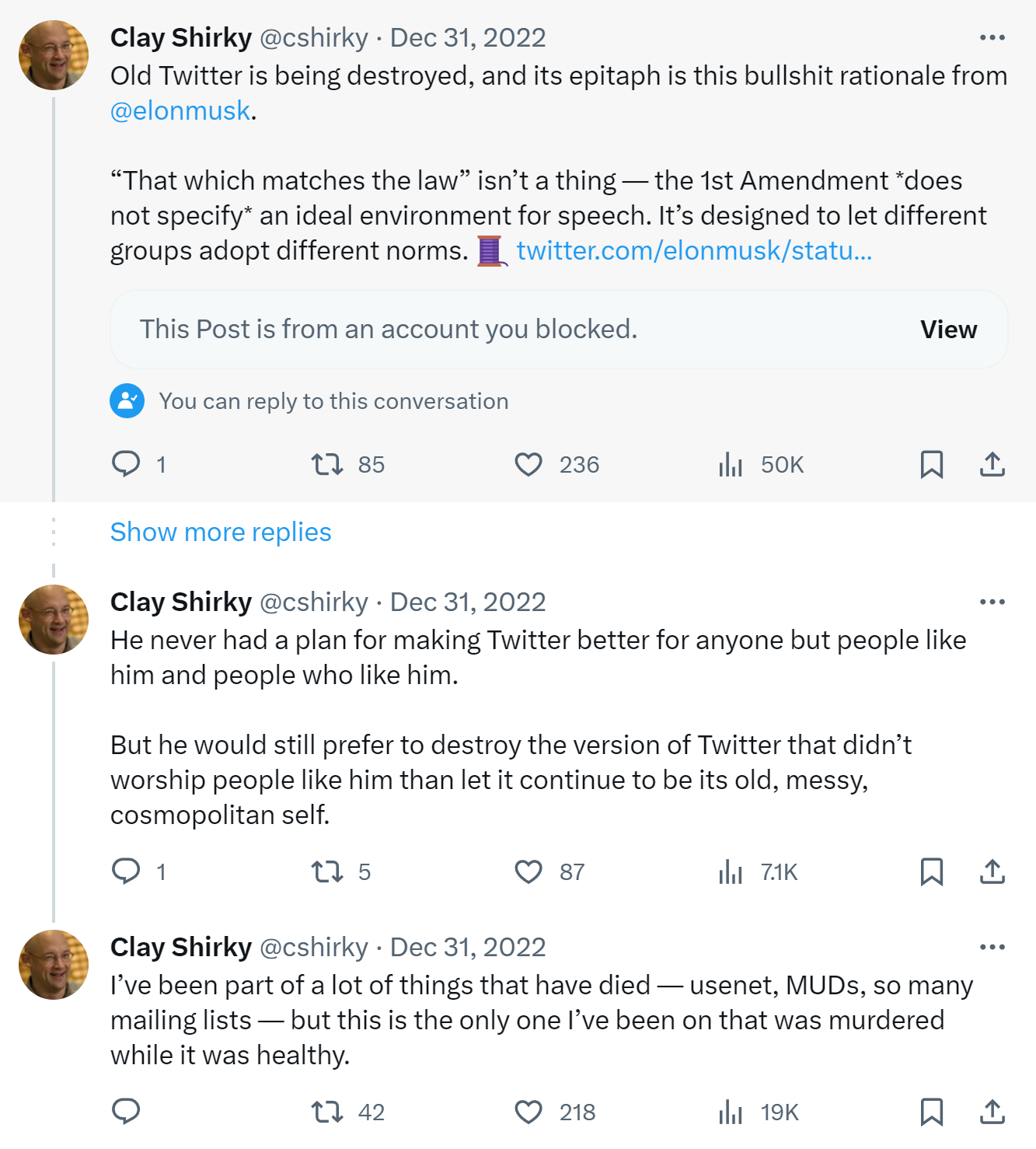
The concept of the "digital town square," a metaphor often applied to Twitter, came under intense scrutiny. Critics argued that a truly functional public square requires not just free expression but also safety, civility, and mechanisms to prevent the amplification of harmful narratives. When the reins of such a critical public utility are held by a single, often unpredictable, individual, the very fabric of public discourse becomes vulnerable to personal whims and ideological biases. As some commentators, like Paul Ford, observed, the human brain is not designed to scale to the chaotic dynamics of millions of people fighting it out in a single arena without robust safeguards. The notion of a "marketplace of ideas" presupposes a level playing field and a commitment to factual discourse, which many felt was compromised under the new regime.
The Rebranding to X and Identity Crisis
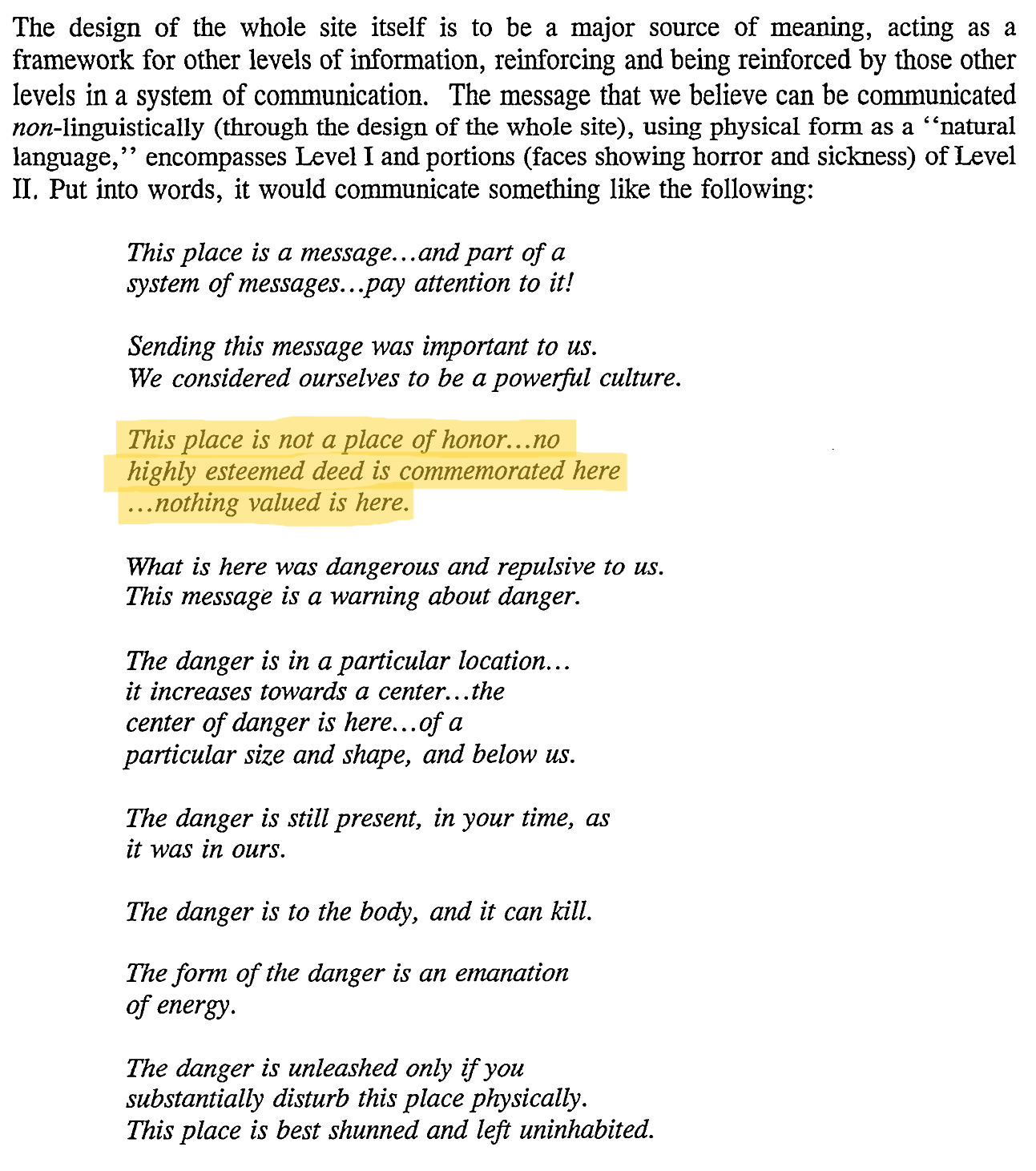
In July 2023, Musk announced the complete rebranding of Twitter to "X," replacing the iconic blue bird logo with a stylized ‘X’ and integrating it into his broader vision for an "everything app." This change was more than cosmetic; it symbolized a radical departure from Twitter’s established identity and brand equity. For many users, the rebranding felt like a final severing of ties with the platform they had known and valued. It underscored the owner’s unilateral control and willingness to discard a globally recognized brand in pursuit of a new, yet undefined, corporate identity.
The transition was met with confusion and resistance. Users found the new name and logo jarring, and the underlying functionality often remained inconsistent with the grand "everything app" aspirations. The rebranding further alienated long-time users and exacerbated the platform’s identity crisis, struggling to shed its Twitter past while simultaneously failing to clearly articulate its X future.
The Search for Alternatives: A Call for Decentralization
Amidst Twitter’s tumultuous transformation, a growing number of users, developers, and commentators began actively exploring and advocating for alternative social media platforms. The perceived destruction of Twitter served as a stark demonstration of the inherent risks associated with highly centralized digital services, where content, community, and user data are ultimately controlled by a single entity. The "king, dictator, tyrant, despot, autocrat" model of platform ownership, as described by some analysts, proved to be an unsustainable foundation for a critical piece of global infrastructure.
Mastodon emerged as a leading contender in the decentralized social media space. As an open-source, federated platform, Mastodon operates on a network of independent servers (instances) that can communicate with each other. This federated model allows users to choose their communities, set their own moderation standards (within their instance), and move their data between servers. This distributed structure stands in direct contrast to Twitter’s centralized architecture, offering users greater control and resilience against single points of failure or arbitrary policy changes. The migration to Mastodon saw significant spikes in user registrations, particularly during periods of intense upheaval on Twitter.
Other decentralized or federated alternatives, such as Bluesky and Threads, also gained traction. Bluesky, developed by a team initially funded by Twitter itself, aims to build a "decentralized social internet" protocol called AT Protocol. Threads, launched by Meta, while centralized, offered a familiar interface for many Instagram users and quickly amassed a large user base, albeit with its own set of challenges and criticisms regarding data privacy and corporate control. The common thread among these alternatives was the desire for platforms that offered more stability, user agency, and transparent governance, moving away from the "digital sharecropper" model where users provide content and data without true ownership or control.
The Philosophy of User Empowerment
The shift towards decentralized platforms is rooted in a fundamental philosophical re-evaluation of how online communities should be built and governed. Proponents argue that the goal of the software industry, particularly in the realm of social interaction, should be to empower users rather than exploit them. This includes providing robust moderation tools that communities can wield themselves, fostering collective ownership of content and discussion spaces, and designing systems that prioritize user control over platform monetization at all costs.
Projects like Discourse, a forum software developed by Jeff Atwood (whose original article heavily influenced this expanded piece) and others, exemplify this philosophy. Discourse aims to provide a platform where communities have genuine ownership and control over their content, data, and moderation policies. While such services may not be "free" in the monetary sense, advocates argue that the trade-off is worth it. The "free" services often come at a hidden cost: the relinquishing of data privacy, algorithmic manipulation, and vulnerability to the whims of corporate owners. As the saying goes, "if you’re not paying for the product, you are the product."
Economic Realities: The Cost of "Free" Platforms
The economic model of social media has been a central point of discussion. The vast majority of mainstream social platforms, including the former Twitter, have historically relied on advertising revenue, which necessitates massive user bases and sophisticated data collection to target ads effectively. This model inherently incentivizes growth at all costs, often at the expense of user well-being, content quality, and privacy.
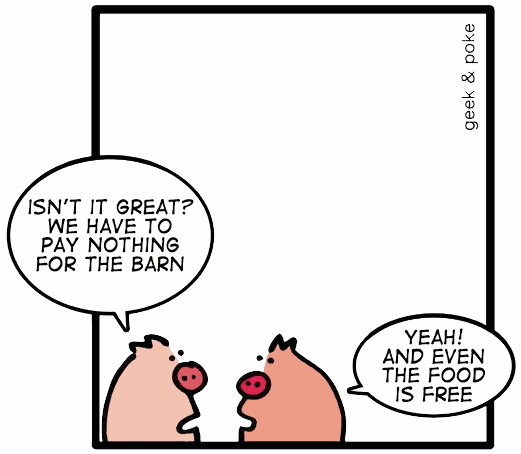
Decentralized and open-source alternatives often operate on different economic models, including donations, subscriptions, or community-funded infrastructure. While this can present challenges in terms of scalability and accessibility, it also allows for a greater alignment of interests between the platform and its users. The argument is that investing in platforms that are "messy" and require collective effort, much like democracy itself, is a necessary long-term path for fostering healthy digital public spaces. The illusion of "free" social media, it is argued, has infantilized users and masked the true costs of relinquishing control to centralized powers.
Implications for Digital Discourse and Society
The transformation of Twitter into X, and the subsequent flight of users and advertisers, carries significant implications for digital discourse and society at large. The event has highlighted:
- The Fragility of Centralized Platforms: It underscored how rapidly a vital public platform can be altered or undermined when control is concentrated in the hands of a single individual or corporation.
- The Role of Content Moderation: It reignited debates about the necessity and difficulty of content moderation, demonstrating that unfettered "free speech" can quickly devolve into chaos and the amplification of harmful narratives, driving away diverse voices and advertisers.
- The Value of User Agency: It emphasized the growing demand among users for greater control over their online experiences, data, and the communities they inhabit.
- The Future of Information Dissemination: The decline of a major real-time news source like Twitter raises questions about how citizens will access and verify information, particularly during crises, and how journalists will disseminate their work.
- The Potential of Decentralization: The crisis has served as a catalyst for renewed interest and investment in decentralized technologies, potentially paving the way for a more resilient and democratic internet infrastructure.
A Look Ahead: The Future of Social Media
The saga of Twitter’s transformation under Elon Musk is more than just a corporate takeover story; it is a case study in the evolving landscape of digital communication. It has forced a critical examination of the fundamental design principles of social media, the balance between profit and public good, and the very nature of digital public squares.
While the future of X remains uncertain, the broader trend points towards a growing recognition of the need for diverse, resilient, and user-centric social platforms. Whether this future is dominated by a few new centralized giants or a flourishing ecosystem of decentralized, federated services remains to be seen. However, the lessons learned from Twitter’s dramatic pivot strongly suggest that true empowerment in the digital realm will increasingly come from models that prioritize collective ownership, transparent governance, and robust user control over the unchecked power of a singular "king." The call to disavow highly centralized, capriciously governed platforms and explore open-source, federated alternatives is not merely a technical preference; it is increasingly seen as a imperative for mental health, societal well-being, and the democratic future of online discourse.
About the Author







