Released in 2009, BioWare’s Dragon Age: Origins carved out a significant niche in the role-playing game (RPG) landscape, distinguishing itself not merely through its fantastical setting and formidable creatures like dragons, but through a deeply intricate narrative and exceptionally crafted dialogue that continues to resonate with players over a decade later. While impressive creatures are a staple of the fantasy genre, it was the substantial effort invested in the game’s writing that cemented its status as a memorable adventure, earning it critical acclaim, including a Canadian Videogame Award for Best Writing, and consistent praise from its dedicated player base for its in-depth narrative and robust character interactions.
The Context of a Genre-Defining Release
Dragon Age: Origins arrived at a pivotal time for Western RPGs. BioWare, already a revered name in the industry with classics like Baldur’s Gate, Star Wars: Knights of the Old Republic, and Mass Effect, sought to deliver a spiritual successor to its high-fantasy roots, distinct from the sci-fi epic of Mass Effect. The development of Dragon Age spanned several years, with BioWare aiming to create a mature, dark fantasy world known as Thedas, offering players unprecedented choice and consequence. The game launched to widespread critical success, boasting an aggregate score of 91 on Metacritic, underscoring its impact and quality within the competitive gaming market of its era. This reception was not solely for its strategic combat or expansive world but fundamentally for its narrative prowess.
An Immersive World Under Siege: The Story of Ferelden
The core narrative of Dragon Age: Origins plunges the player into the role of a newly recruited Grey Warden in the kingdom of Ferelden, a land on the brink of catastrophe. The ancient threat of the Blight, a calamitous invasion by monstrous Darkspawn, forces the Warden to undertake a desperate quest. Beyond confronting this existential external enemy, the Warden must navigate the treacherous waters of a kingdom torn apart by civil war and political intrigue. The task of uniting disparate armies and resolving deep-seated conflicts becomes as crucial as battling the Darkspawn themselves, underscoring the game’s thematic depth.
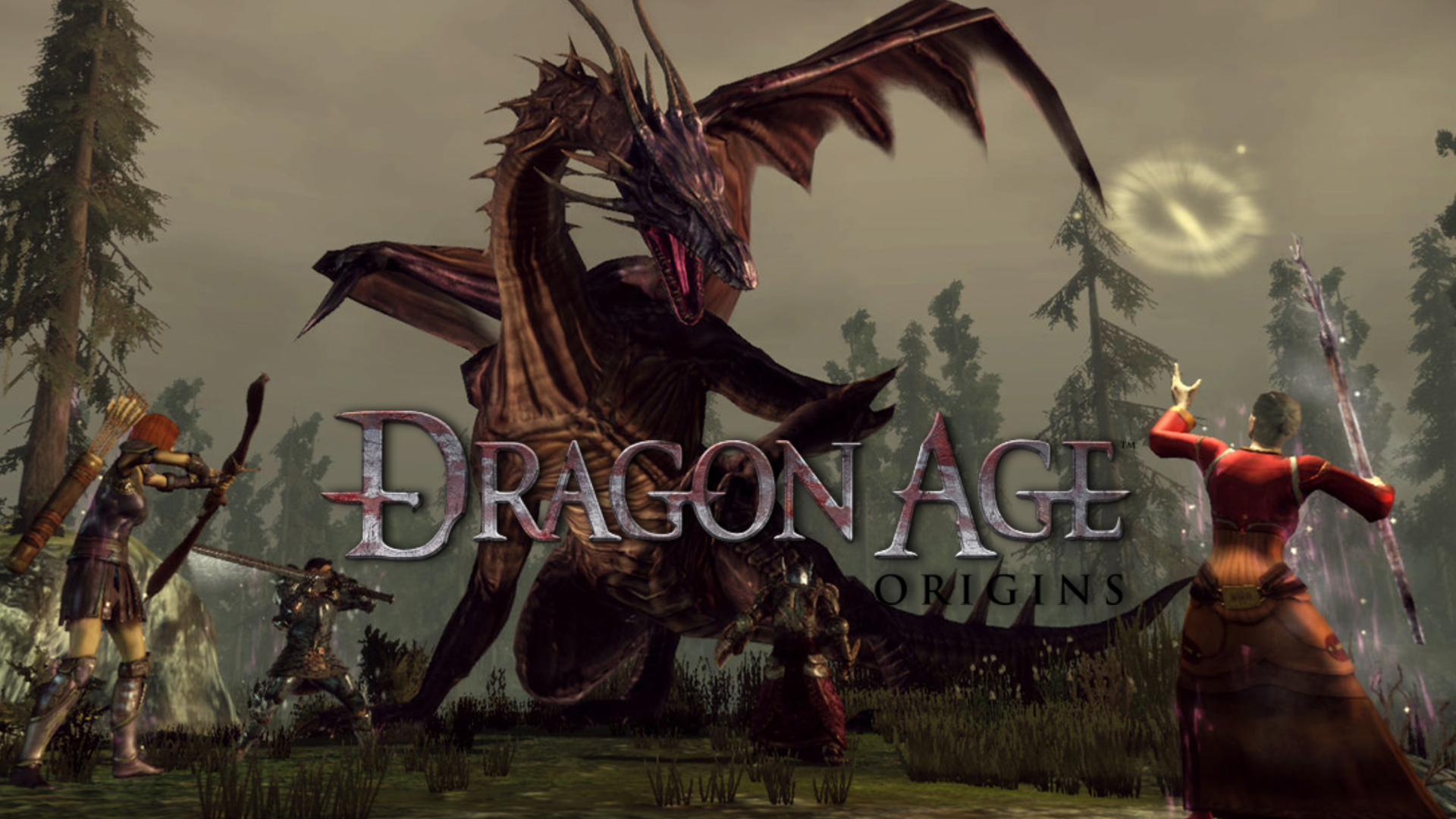
For a 2009 title, Dragon Age: Origins exhibits remarkable longevity, its atmospheric world and visceral combat against formidable foes, including dragons, holding up exceptionally well. However, it is the escalating stakes of its narrative that truly define the experience. Players are granted significant agency through their decisions, yet the game’s narrative design meticulously ensures that no choice comes without a cost. Every victory carries a price, and the moral weight of each decision is palpable, often leading to unforeseen consequences. This intricate web of causality forces players to confront difficult ethical dilemmas, ultimately reinforcing themes of unity, sacrifice, and the complex nature of heroism in the face of overwhelming adversity.
The Art of Dialogue: Beyond Plot Progression
A cornerstone of Dragon Age: Origins‘ enduring appeal is its exceptional writing, particularly in its dialogue. The game masterfully blends wit, emotional depth, and occasional moments of absurdity, creating conversations that feel organic and meaningful. Unlike many RPGs where dialogue primarily serves to advance the plot, conversations in Dragon Age: Origins frequently offer insights into the characters’ personalities, the rich lore of Thedas, or simply provide memorable exchanges that enhance the overall experience. This commitment to nuanced dialogue contributes significantly to the game’s acclaimed characterization and narrative immersion.
The freedom and moral complexity woven into the overarching story naturally bleed into the interactions between characters. While the player character, the Warden, stands at the heart of the adventure, the vibrant cast of companions often drives the conversational flow, each possessing a distinct voice and worldview that enriches the player’s journey.
Voices of Ferelden: Iconic Companions and Their Contributions
The strength of Dragon Age: Origins‘ writing is perhaps best exemplified through its diverse and memorable companions, each contributing uniquely to the game’s narrative tapestry through their distinct dialogue.
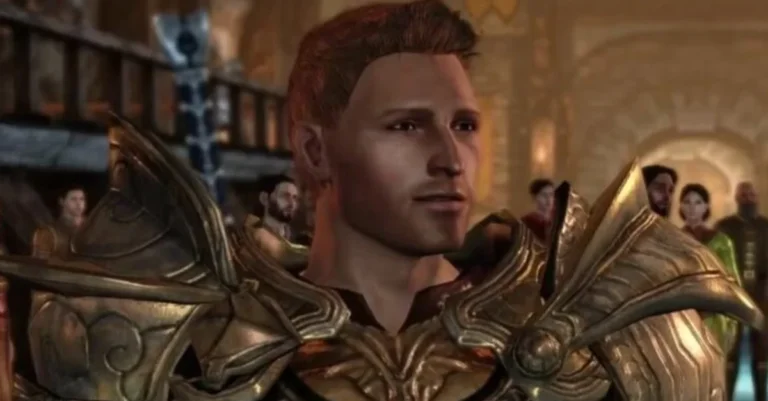
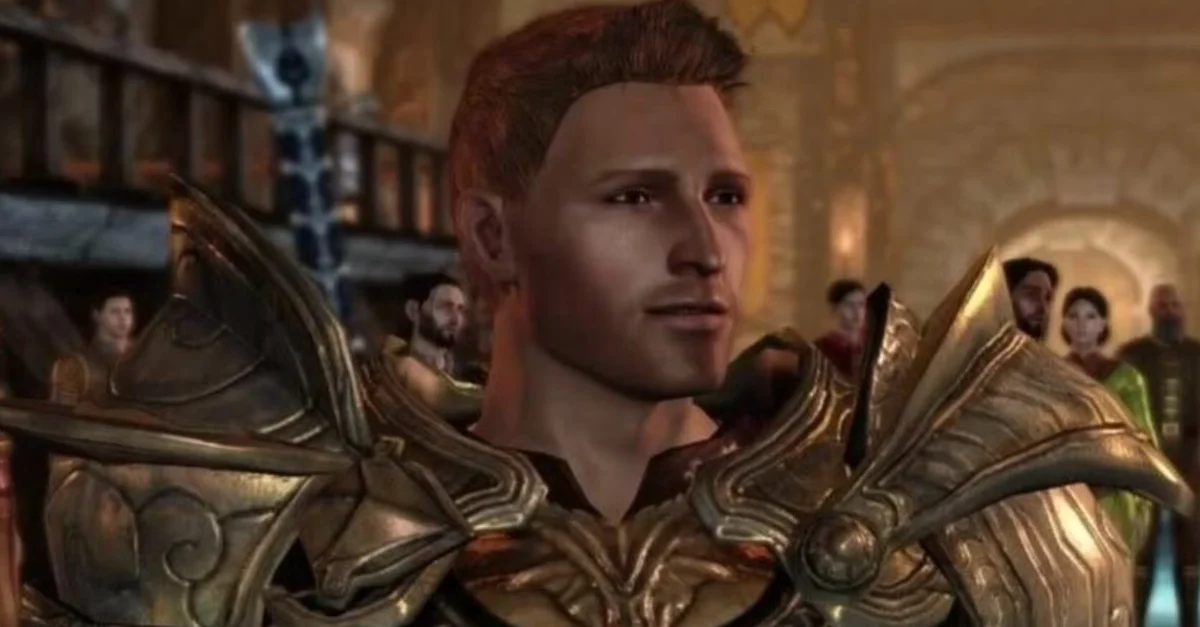
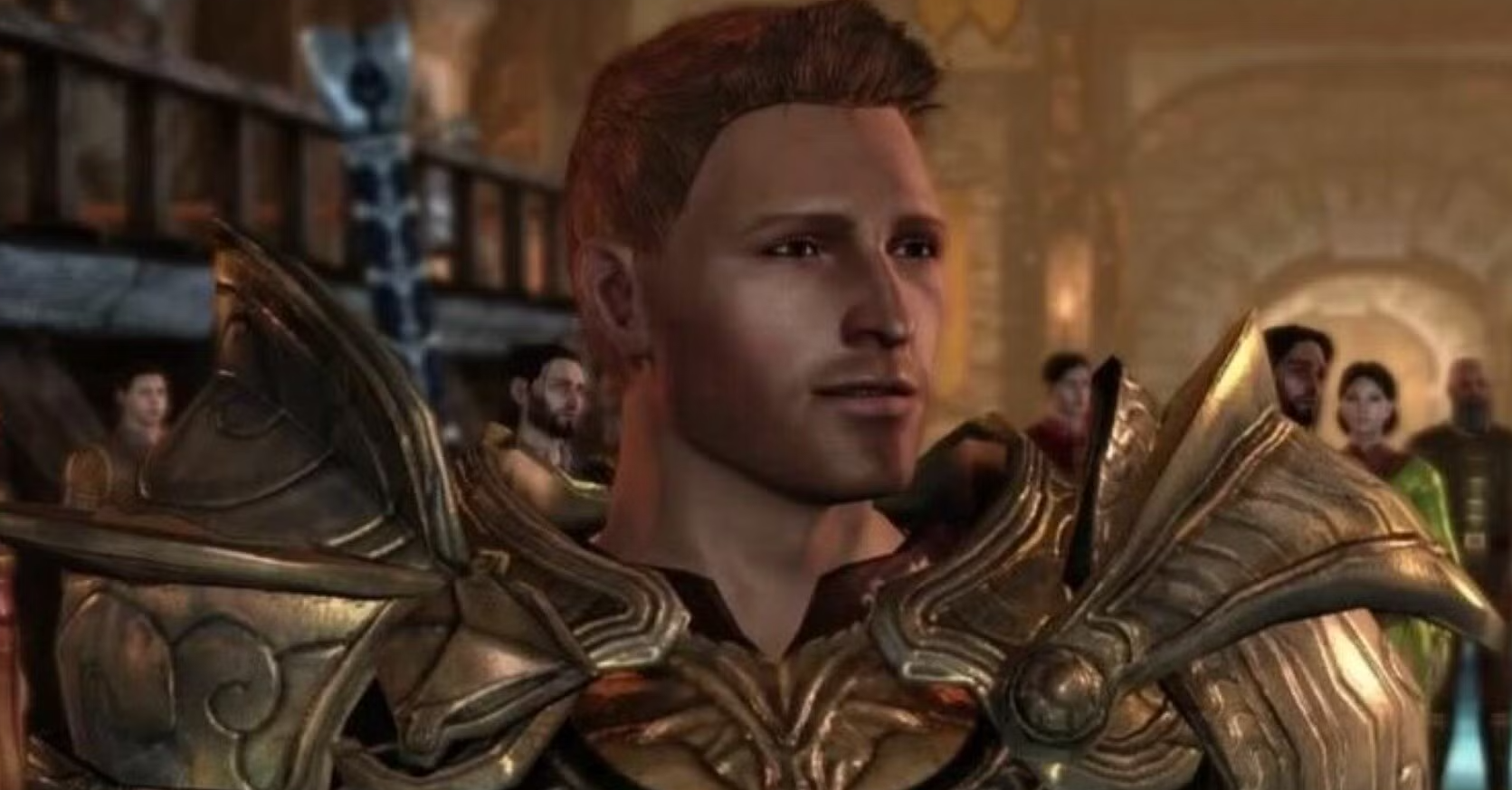
Alistair: As a fellow Grey Warden and a potential heir to the throne, Alistair serves as a primary companion and a vital source of levity in the grim world of Ferelden. His humor, often self-deprecating or observational, skillfully lightens moments that would otherwise be overwhelmingly heavy. Yet, beneath his jests lies a profound sense of duty and a deeply caring nature, often masked by his comedic facade. His dialogue, ranging from witty banter to profound reflections on responsibility and leadership, reveals a character far more complex than simple comic relief. Players who engage deeply with Alistair’s conversations are rewarded with a deeper understanding of his internal struggles and motivations, highlighting the game’s meticulous character development. His journey from an uncertain recruit to a potential monarch is largely conveyed through his evolving dialogue and reactions to the Warden’s choices.
Morrigan: A Witch of the Wilds, Morrigan is another central companion, known for her sharp tongue, guarded demeanor, and dismissive attitude towards sentimentality. Her dialogue is often laced with cynicism, pragmatism, and a stark, individualistic philosophy. She challenges the Warden’s moral compass and traditional notions of heroism, offering a contrasting perspective on the Blight and the fate of Ferelden. While her initial interactions might seem hostile, her complex lines frequently hint at deeper motivations, a hidden vulnerability, or a surprisingly keen intellect, inviting players to look beyond her acerbic surface. Her role in pivotal narrative moments, particularly concerning the Grey Wardens’ ritual, is underscored by her compelling and often manipulative dialogue.
Oghren: The dwarven berserker, Oghren, embodies a blend of crude humor, boisterous bravado, and a tragic personal history marred by alcoholism and professional disappointment. As a companion, his dialogue provides both comedic relief and moments of uncomfortable truth, often delivered with blunt honesty. His interactions with the party, frequently revolving around his love for drink and battle, serve to humanize him while also exposing the cultural intricacies and societal woes of the dwarven Deep Roads. Despite his rough exterior and often inappropriate remarks, Oghren’s dialogue occasionally reveals glimpses of his loyalty and a deep-seated regret, making him a surprisingly nuanced character.
Broader Impact and Lasting Implications
The meticulously crafted dialogue and narrative of Dragon Age: Origins had significant implications for the RPG genre and BioWare’s own trajectory. It solidified BioWare’s reputation as a leader in narrative-driven gaming, demonstrating that compelling storytelling and rich character interactions could be as impactful as cutting-edge graphics or innovative combat mechanics. The game’s success paved the way for subsequent titles in the Dragon Age franchise, Dragon Age II and Dragon Age: Inquisition, which continued to explore the lore of Thedas and the consequences of player choice, albeit with varying degrees of critical reception for their narrative approaches.
Beyond its direct sequels, Dragon Age: Origins influenced a generation of game designers and writers, showcasing the power of moral ambiguity, player agency, and the profound impact of well-written characters. Its approach to companion interactions, where relationships develop and evolve based on dialogue choices and quest outcomes, set a high bar for character-driven RPGs. The game’s continued discussion on platforms like Reddit and its frequent inclusion in "best RPGs of all time" lists attest to its enduring legacy.
In conclusion, Dragon Age: Origins stands as a testament to the power of exceptional writing in video games. Its ability to weave a complex tale of heroism, sacrifice, and moral reckoning, populated by characters whose voices are distinct and memorable, elevates it beyond a mere fantasy adventure. The depth of its narrative and the quality of its dialogue, lauded by both critics and players, underscore its reputation as a genre-defining title whose influence continues to resonate throughout the gaming world.
About the Author