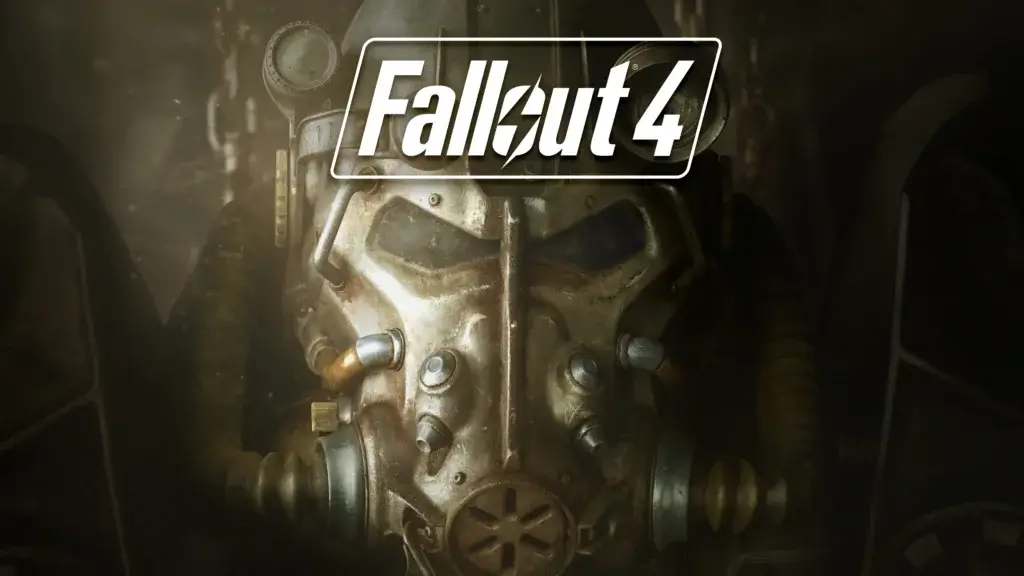
Released on November 10, 2015, Fallout 4, developed by Bethesda Game Studios and published by Bethesda Softworks, stands as a significant entry in the venerable post-apocalyptic role-playing game series. The title garnered widespread critical acclaim, culminating in prestigious accolades such as the DICE Award for Game of the Year and the BAFTA Game Award for Best Game, solidifying its position as one of the most celebrated RPG titles of its generation. Despite its critical success, the game has frequently sparked diverse reactions among its player base, with some commending its expansive open world and refined gameplay mechanics, while others express disappointment regarding certain design choices and narrative elements. This dichotomy in player perception underscores the game’s multifaceted appeal and its ambitious scope in delivering an immersive adventure within the irradiated ruins of the Commonwealth.
Critical Acclaim and Industry Impact
Upon its release, Fallout 4 was met with generally favorable reviews, achieving an aggregate score of 87/100 on Metacritic. Critics lauded its vast open world, intricate crafting system, and compelling narrative framework. The game’s commercial performance was equally robust, with Bethesda announcing that it had shipped 12 million units to retailers within its first 24 hours, generating over $750 million in revenue. This strong debut underscored the immense anticipation surrounding the title, a testament to the Fallout series’ established legacy and Bethesda’s reputation for crafting immersive single-player experiences.
The recognition by the Academy of Interactive Arts & Sciences (DICE Awards) and the British Academy of Film and Television Arts (BAFTA) for Game of the Year is a significant indicator of Fallout 4’s impact on the industry. These awards are often considered benchmarks of excellence, reflecting both critical consensus and peer appreciation for innovation, artistic merit, and technical achievement. Bethesda Game Studios, known for its sprawling open-world RPGs like The Elder Scrolls V: Skyrim and previous Fallout entries, leveraged its expertise to create a vibrant yet desolate post-nuclear landscape that invited extensive exploration and player agency. The game’s success further cemented Bethesda’s influence on the RPG genre, demonstrating a consistent ability to deliver critically and commercially successful titles that resonate with a global audience.
The Narrative Core: A Journey into the Commonwealth
The central premise of Fallout 4 plunges players into a harrowing personal quest amidst the devastation of a nuclear apocalypse. The game begins on October 23, 2077, just moments before the Great War, portraying a serene pre-war American suburban life. Players choose to embody either Nora, a lawyer, or Nate, a decorated war veteran, who, along with their spouse and infant son, Shaun, take refuge in Vault 111 as nuclear sirens blare. This idyllic yet fleeting normalcy is shattered by the bombs, leading to their cryogenic suspension.
The protagonist, referred to as the "Sole Survivor," awakens 210 years later to witness a horrific event: their spouse is murdered, and their son is kidnapped by an enigmatic figure. This traumatic reawakening serves as the primary catalyst for the entire game, propelling the Sole Survivor out of the vault and into the harsh, unfamiliar landscape of the post-nuclear Commonwealth. The initial hours of gameplay effectively blend the urgent personal mission of finding Shaun with the broader imperative of survival. Players are immediately tasked with scavenging for resources, understanding the rudimentary mechanics of settlement building, and engaging in initial combat encounters with mutated creatures and hostile factions.
As the narrative progresses, what begins as a seemingly straightforward rescue mission gradually evolves into a sprawling epic filled with moral ambiguities and profound ethical dilemmas. The Sole Survivor’s journey to locate Shaun unravels a complex web of factions, each with a distinct vision for the future of the Commonwealth. These include the technologically advanced Brotherhood of Steel, the freedom-loving Minutemen, the secretive Railroad, and the scientifically ambitious Institute. The game skillfully pivots from a personal quest for family to a larger conflict over the very soul of a broken society, forcing players to confront the consequences of their alliances and decisions. The narrative structure, which gradually shifts focus from immediate survival and personal vengeance to broader societal restructuring, challenges players to question their own values and determine which future they are willing to fight for, and which sacrifices they are prepared to make. This depth of choice, particularly in the later stages, highlights the importance of dialogue and character interactions in shaping the player’s understanding and impact on the world.
Gameplay Mechanics and Open-World Design
Fallout 4 significantly expanded upon the series’ core gameplay loop, introducing robust new mechanics that deepened the player’s engagement with the Commonwealth. The settlement building system, a novel addition, allowed players to construct, customize, and manage their own outposts, providing a sense of agency over rebuilding the shattered world. This feature, while optional, resonated with a segment of the player base who enjoyed the creative freedom and strategic management aspects it offered. From basic shacks to elaborate fortresses, players could fortify their settlements, establish trade routes, and provide sanctuary for other survivors, transforming desolate ruins into bustling communities.
Weapon and armor modification also saw substantial enhancements. Players could scavenge components and use workbenches to customize virtually every aspect of their gear, from barrel attachments and scopes to ammunition types and material upgrades. This system fostered experimentation and allowed for highly personalized playstyles, encouraging players to adapt their equipment to various combat scenarios. The blend of survival elements—managing hunger, thirst, and radiation in Survival Mode—with the creative freedom of building and modding contributed to the game’s expansive appeal.
Exploration remained a cornerstone of the Fallout experience. The Commonwealth, a post-apocalyptic version of Boston and its surrounding regions, was meticulously designed with numerous points of interest, hidden secrets, and environmental storytelling elements. From the iconic USS Constitution to the treacherous Glowing Sea, each location offered unique challenges and rewards, encouraging players to venture off the beaten path. The density of content, combined with dynamic encounters and emergent gameplay, ensured that exploration felt consistently rewarding.
The Power of Dialogue: Shaping the Wasteland
In a game where moral choices dictate the fate of entire factions and the very fabric of society, dialogue becomes an indispensable tool for narrative delivery and character development. Fallout 4 features a fully voiced protagonist, a departure from previous titles, which aimed to provide a more cinematic and immersive experience. While this decision sparked debate among fans regarding its impact on player role-playing freedom, it undeniably brought a new dimension to character interactions. The voice acting, particularly for the Sole Survivor (Nora voiced by Courtenay Taylor and Nate by Brian T. Delaney), contributed significantly to the emotional weight of their personal journey.
The wasteland of Fallout 4 is not merely populated; it is genuinely lived-in, teeming with personalities shaped by centuries of desolation and struggle. The numerous interactions with a diverse cast of characters provide not just quest information but also profound insights into the human condition post-apocalypse. These dialogues add layers of personality to the Commonwealth, transforming it from a static backdrop into a dynamic stage where individual stories intersect with grander narratives. The ability of characters to convey hope, despair, resilience, and ruthlessness through their words makes them memorable and their plights relatable.

Key Figures and Their Enduring Words
The game’s narrative strength is largely built upon its memorable characters, whose dialogue often encapsulates the themes of survival, morality, and identity.
The Sole Survivor
As either Nora, a pre-war lawyer, or Nate, a retired military veteran, the Sole Survivor’s dialogue reflects their background and their journey from an idyllic past to a brutal present. Their lines often convey a blend of shock, determination, and a burgeoning understanding of the wasteland’s complex morality.
- "My son… he’s out there somewhere. And I won’t stop until I find him." (A declaration of unwavering resolve, establishing the core motivation.)
- "This isn’t the world I remember. But it’s the one I’m living in now. And I’ll make it my own." (Reflecting adaptation and the will to rebuild.)
- "There’s always a choice, even when it feels like there isn’t one." (Emphasizing the game’s theme of moral agency.)
Nick Valentine
A synthetic detective with the memories of a pre-war detective, Nick Valentine is one of Fallout 4’s most intriguing companions. His noir-inspired dialogue, often laced with cynicism and dry wit, provides a unique perspective on the Commonwealth and the concept of identity.
- "The past ain’t dead. It’s not even past. It’s just buried under a lot of junk." (A philosophical take on history and its persistent influence.)
- "Sometimes, the only way out is through. Even if ‘through’ means a pile of bodies and a whole lot of paperwork." (Illustrating his pragmatic, yet weary, approach to justice.)
- "I’m a synth, sure. But I got a job to do. And I’m gonna do it, same as anyone else." (Underscoring his struggle for acceptance and his strong sense of purpose.)
Piper Wright
Piper Wright, the outspoken reporter for Publick Occurrences in Diamond City, serves as an early companion and a voice of independent journalism in the wasteland. Her inquisitive nature and unwavering pursuit of truth often lead her into conflict but also provide invaluable insights.
- "Someone’s gotta tell the truth, even if it hurts. Especially if it hurts." (A core tenet of her journalistic integrity.)
- "You can’t hide from the truth forever, pal. It’s always gonna catch up to you." (A warning to those who seek to manipulate information.)
- "Hope? That’s what we’re fighting for. That’s what keeps us going." (Highlighting her optimism amidst the despair.)
Other Notable Characters and Their Impact
Beyond these prominent figures, the Commonwealth is populated by a myriad of characters whose dialogue, even in brief encounters, enriches the world. Preston Garvey, the perpetually busy leader of the Minutemen, constantly reminds players of their responsibilities to settlements, embodying the spirit of communal rebuilding. His famous line, "Another settlement needs your help," became an iconic, if sometimes meme-worthy, representation of the game’s expansive side-quest structure.
Elder Maxson of the Brotherhood of Steel represents a rigid adherence to doctrine and a utilitarian view of technology, often delivering pronouncements that highlight the faction’s unwavering, almost fanatical, mission. Father, the enigmatic leader of the Institute, offers a cold, scientific perspective on humanity’s future, challenging the Sole Survivor with a stark vision that forces a re-evaluation of personal loyalties. Even minor characters, like the various settlers, raiders, and super mutants, contribute to the tapestry of the Commonwealth through their distinctive speech patterns and ideologies, further immersing players in the fragmented society.
Lighter Moments Amidst the Bleakness
Despite its grim post-apocalyptic setting, Fallout 4 masterfully intersperses moments of levity and dark humor. This tonal balance is a hallmark of the Fallout series, preventing the narrative from becoming relentlessly bleak. Dialogue often provides these lighter touches, whether through sarcastic remarks from companions like Robert MacCready, quirky observations from robots like Codsworth, or the absurd pronouncements of raiders. These instances of humor serve to humanize the struggle, offering brief respites from the pervasive danger and moral gravity, and enhancing the overall emotional spectrum of the player’s journey.

Community Engagement and Modding Legacy
Even years after its release, Fallout 4 continues to foster a vibrant and active community, largely sustained by its robust modding capabilities. The Creation Kit, released by Bethesda, empowered players to create and share a vast array of user-generated content, from cosmetic enhancements and new weapons to expansive quest lines and complete overhauls of game mechanics. This modding ecosystem has significantly extended the game’s lifespan and replayability, allowing players to tailor their experience to their preferences and continuously discover new ways to engage with the Commonwealth. The enduring popularity of Fallout 4 within the modding community is a testament to its flexible engine and the dedication of its player base, ensuring its relevance long after its initial launch.
Broader Implications and Lasting Legacy
Fallout 4’s influence extends beyond its immediate commercial and critical success. It refined Bethesda’s approach to open-world RPG design, pushing boundaries in environmental detail, emergent storytelling, and player freedom. The debate surrounding its voiced protagonist and simplified dialogue options sparked important conversations within the RPG community about the balance between narrative immersion and player agency, influencing subsequent discussions on game design. Its blend of survival, exploration, crafting, and a morally complex narrative continues to be a benchmark for the genre.
In conclusion, Fallout 4 remains a monumental achievement in the realm of open-world role-playing games. Its narrative, though at times divisive, offers a deeply personal journey intertwined with grand societal choices. The richness of its character dialogue, coupled with an expansive and meticulously crafted world, ensures that the Commonwealth feels genuinely alive. The game’s enduring legacy is not just in its awards or sales figures, but in its ability to provoke thought, inspire creativity, and offer a truly immersive experience that continues to resonate with players worldwide, solidifying its place as one of Bethesda Game Studios’ most impactful creations.
About the Author